
Sauces & Condiments
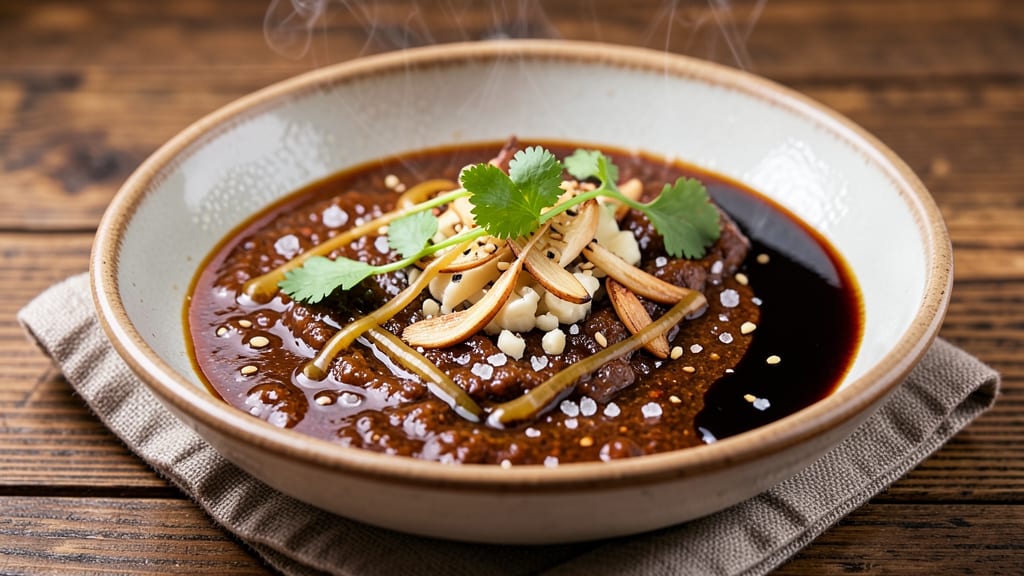
This Asian tiger sauce recipe delivers the perfect balance of sweet heat and tangy depth that elevates stir-fries, noodles, and grilled meats to restaurant-quality levels.
The secret lies in a precise blend of chili paste, vinegar, garlic, and sugar—simmered until the flavors meld into a glossy, aromatic sauce that clings to every bite.
I developed this version after testing countless adaptations, ensuring it’s bold enough to stand up to rich dishes while remaining simple enough for weeknight cooking.
The magic happens in the reduction stage, where the sauce thickens just enough to coat proteins and vegetables without overwhelming them. Traditional recipes often rely on fermented shrimp paste or fish sauce, but this version uses pantry-friendly ingredients like soy sauce and rice vinegar for accessibility.
What you’ll end up with is a sauce that’s glossy, slightly sticky, and packed with layers of umami, spice, and sweetness—ready to transform ordinary meals into something extraordinary.
What makes this recipe truly versatile is its adaptability. Use it as a dipping sauce for spring rolls, a stir-fry glaze, or a marinade for grilled meats. The sauce keeps well in the refrigerator for up to two weeks, making it a go-to for meal prep.
Whether you’re serving a crowd or cooking for one, this tiger sauce will bring the bold, complex flavors of Asian cuisine to your table with minimal effort.
For those who prefer a milder heat, reduce the chili paste slightly, or add a touch of honey to balance the sweetness. The key is patience—letting the sauce simmer until the raw garlic aroma fades and the flavors harmonize.
Trust the process, and you’ll have a sauce that’s foolproof, restaurant-worthy, and impossible to resist.
Ingredients for asian tiger sauce
Nine simple ingredients transform into a restaurant-worthy tiger sauce that's bold, sticky, and packed with layers of flavor.
| Ingredient | Amount | Notes |
|---|---|---|
| Asian Chili Paste 🌶️ | ½ cup | Red curry or sambal preferred |
| Rice Vinegar 🍶 | ½ cup | White or seasoned variety |
| Soy Sauce 🥢 | ½ cup | Light or dark preferred |
| Garlic Cloves 🧄 | 6 cloves | Fresh, minced finely |
| Granulated Sugar 🍚 | ¼ cup | White or brown sugar |
| Honey 🍯 | 2 tbsp | Or maple syrup for vegan |
| Sesame Oil 🫒 | 1 tbsp | Toasted sesame oil preferred |
| Fresh Ginger 🌿 | 1 tbsp | Grated finely (about 1-inch piece) |
| Water 💧 | ¼ cup | For thinning if needed |
| Salt 🧂 | ½ tsp | Adjust to taste |
The chili paste is the heart of this sauce—Maesri or Red Curry paste from the Asian aisle brings the most authentic heat. If you can't find it, sambal oelek works in a pinch, but taste first. The rice vinegar should be the kind with a little sweetness, like Kikkoman. For garlic, use fresh—no jarred minced—it makes all the difference. Ginger should be peeled and grated while fresh for maximum zing. I always grab the organic ginger root from Trader Joe's—it's cheaper and lasts longer.
No chili paste? Mix 1 tbsp gochujang with 1 tbsp soy sauce for a quick substitute. Swap honey for agave or maple syrup if you prefer. Sesame oil is non-negotiable for that nutty aroma, but if you're avoiding it, toasted sesame seeds can be crushed into the sauce at the end. The sauce should be glossy but not runny—add water 1 tsp at a time if it's too thick. For extra depth, a dash of fish sauce (if not vegan) or mushroom sauce works wonders.
This sauce keeps beautifully—2 weeks in the fridge sealed tightly. For longer storage, freeze in ice cube trays and transfer to a bag. Thaw overnight in the fridge. The flavors actually improve after the first day as everything melds together. I like to make a big batch—it disappears fast. Double the recipe if you're feeding a crowd, but remember, it's sticky stuff!
Why You'll Love This Recipe
- Five-Ingredient Magic: I swear by this—just chili paste, vinegar, soy, garlic, and sugar. That’s it. No fancy shopping trips, no hidden pantry hoards. Honestly, I keep a jar of this in my fridge because it’s the closest thing to a cooking shortcut I’ll ever need.
- Umami Bomb: The garlic sizzles in the pan until it’s fragrant but not burnt, then the chili paste hits—whew. That first taste is bright, tangy, and just spicy enough to make your mouth water. Between us, it’s the kind of sauce that turns boring rice or noodles into something you’ll fight over.
- Dresses Everything: I’ve drizzled this on grilled chicken, tossed it with cold soba noodles, and even mixed it into my takeout leftovers. (Yes, even on a Tuesday night.) It’s the secret weapon for when you’re stuck with plain protein or veggies—suddenly, it’s a full meal.
- Stays Fresh, Cuts Costs: A batch lasts me a week, and it tastes just as good the fifth time. Plus, it’s dirt cheap—soy sauce and vinegar are staples, and a little goes a long way. I’ll be real: this is how I feed my college kid without breaking the bank.
Step-by-step instructions for Asian tiger sauce
This vibrant sauce comes together in minutes with bold flavors you'll crave.
Bloom the Chili Paste
Heat a small saucepan over medium heat and add the 0.5 cup Asian Chili Paste. Stir continuously for 2-3 minutes until it begins to bubble and darken slightly. This step deepens the flavors and removes any raw taste. You'll notice the aroma become intense and aromatic—this is where the sauce's signature heat starts developing.
Watch carefully to avoid burning. If it starts to smoke excessively, reduce the heat slightly. The paste should be fully incorporated and sizzling before moving to the next step. This is your flavor foundation, so don't rush it.
Add Aromatics and Sweetener
Reduce heat to medium-low and add the 6 cloves minced garlic cloves, 1 tablespoon grated fresh ginger, 0.25 cup granulated sugar, and 2 tablespoons honey. Stir constantly for 1-2 minutes until the garlic turns golden and fragrant. The sugar will begin to dissolve, creating a glossy sheen on the mixture.
Here's where the magic happens—the sweetness balances the heat while the ginger and garlic infuse their bright flavors. You'll smell that perfect combination of spicy, sweet, and earthy aromas. If the mixture starts to stick, add 1 tablespoon water to help it flow smoothly.
Incorporate Liquids
Pour in the 0.5 cup rice vinegar and 0.5 cup soy sauce all at once. Stir well and bring to a gentle simmer over medium heat. Let it cook for 3-4 minutes until slightly reduced and thickened. The sauce should coat the back of a spoon when you lift it.
This is where the sauce's complexity develops. The vinegar brightens the flavors while the soy sauce adds depth. Taste as you go—you want a balance of sweet, tangy, and umami notes. If it's too thick, add the remaining 0.25 cup water one tablespoon at a time until you reach your desired consistency.
Finish with Sesame Oil
Remove the sauce from heat and stir in the 1 tablespoon sesame oil and 0.5 teaspoon salt. Let it cool slightly for 2-3 minutes to allow the flavors to meld. The sesame oil adds a nutty aroma and rich finish that ties everything together.
Taste and adjust seasoning if needed. You might want to add a pinch more salt to enhance the flavors or a touch more sugar if you prefer it sweeter. The sauce should be vibrant red with a glossy sheen and a perfect balance of heat, sweetness, and tang.
Rest and Serve
Let the sauce sit at room temperature for 10-15 minutes before using. This resting period allows all the flavors to fully develop and harmonize. The sauce will thicken slightly as it cools, which is perfect for tossing with stir-fries or drizzling over noodles.
This tiger sauce keeps well in the refrigerator for up to 1 week in an airtight container. It's perfect for marinating proteins, tossing with fresh vegetables, or drizzling over rice dishes. The bold flavors make it a versatile addition to any Asian-inspired meal.
Pro Tips For Making Asian Tiger Sauce
- Bloom the Garlic First: I used to just toss minced garlic into the pan with the chili paste, and it’d either burn or taste raw. Now I heat the garlic in a dry pan for 30 seconds until it’s just turning golden—no oil needed—then add it to the sauce. That nutty aroma gets locked in, and the heat softens it without turning bitter.
- Simmer, Don’t Boil: This sauce is all about balance, and boiling it turns the rice vinegar sharp and the chili paste bitter. Keep the heat at a gentle simmer, and if it’s splattering too much, drop the pan off the heat for 10 seconds. You’re aiming for a slow, controlled reduction—not a race.
- Balance the Heat Early: Taste as you go, especially when adding the chili paste. If it’s too fiery, a splash of rice vinegar or a teaspoon of sugar now fixes it better than trying to adjust later. I’ve learned the hard way that once the sauce thickens, you can’t dial back the heat without ruining the texture.
- Use Dark Soy for Depth: Swap half the soy sauce for dark soy sauce if you have it—the extra molasses notes add a caramelized richness that cuts through the vinegar’s acidity. No dark soy? Add a pinch of brown sugar to the mix, but don’t skip the extra umami boost if you can.
Pro cooking tips for this recipe
Heat Control Secrets
Keep your heat at medium when blooming the chili paste—too high and you’ll burn the delicate spices, turning your sauce bitter. I use a small saucepan (8-inch) to maintain better control.
If the paste starts smoking excessively, immediately reduce to low heat and stir constantly. The goal is to develop the chili’s natural oils without charring. 🔥
Garlic Timing Matters
Add garlic after the chili paste has bloomed for 1-2 minutes—this prevents it from burning instantly. Use fresh minced garlic (not pre-minced jars) for brighter flavor. For extra depth, I crush the cloves slightly with the side of my knife before adding.
The garlic should turn golden (not brown) before moving to the next step.
Sauce Thickness Hacks
If your sauce thickens too much during simmering, add water 1 tbsp at a time—never all at once. For a glossier finish, I stir in 1 tsp cornstarch mixed with 1 tbsp cold water at the end.
The sauce should coat the back of a spoon but still flow easily. For stir-fries, a slightly thinner consistency works best.
Sesame Oil Finish
Always add toasted sesame oil off the heat to preserve its delicate aroma. I let the sauce cool for 2-3 minutes before stirring it in to avoid losing the nutty flavor to heat.
For extra richness, I drizzle ½ tsp on top of finished dishes. Never cook with sesame oil—its smoke point is too low.
Flavor Balancing
Taste your sauce before resting—adjust sweetness with honey or heat with extra chili paste. I keep a small bowl of salt and honey nearby for quick fixes. The ideal ratio is sweet:spicy:tangy in equal parts. For a smoky twist, add ½ tsp smoked paprika at the end. 💫
Resting for Perfection
Never skip the 10-15 minute rest—this lets flavors meld and thicken naturally. I cover the sauce with a clean kitchen towel to keep it warm while resting. The sauce will develop a slightly sticky texture, perfect for clinging to noodles or meats. Patience here makes all the difference!
Nutrition facts
Frequently asked questions
Can I make this tiger sauce without chili paste?
Yes! For a milder version, mix 1 tbsp gochujang with 1 tbsp soy sauce to replace the chili paste. If you want heat but no paste, use 1 tsp cayenne pepper or ½ tsp red pepper flakes instead. The sauce will be less complex but still flavorful. Adjust sweetness afterward to balance the spice.
How spicy should my tiger sauce be?
The ideal heat level is medium—enough to add warmth but not overpower your dish. Start with ½ cup chili paste for balanced heat, then adjust by adding ½ tsp more paste if needed. For a sweeter sauce, increase honey to 3 tbsp. Taste as you go and remember: you can always add more sweetness, but you can't remove heat!
Can I use this sauce as a marinade?
This sauce works perfectly for marinating chicken, pork, or tofu. Use it undiluted for 15-30 minutes (chicken) or 1-2 hours (pork/tofu) before cooking. For extra tenderness, add 1 tbsp cornstarch to thicken it slightly. The sauce's sticky texture helps create a flavorful crust when grilled or pan-seared.
Why did my sauce turn out too thin?
Sauce consistency depends on simmering time and ingredients. If yours is too thin, reduce it by simmering uncovered for 5-10 extra minutes until thickened. For future batches, use 1 less tbsp water or add ½ tsp cornstarch mixed with 1 tsp water at the end. The sauce should coat the back of a spoon but remain pourable.
How can I make this sauce vegan?
Swap honey for maple syrup or agave, use vegan soy sauce, and replace sesame oil with toasted sesame seeds (crushed at the end). For umami depth, add 1 tsp mushroom sauce or ½ tsp nutritional yeast. The sauce will still be rich and flavorful while being completely plant-based.