
Sauces & Condiments
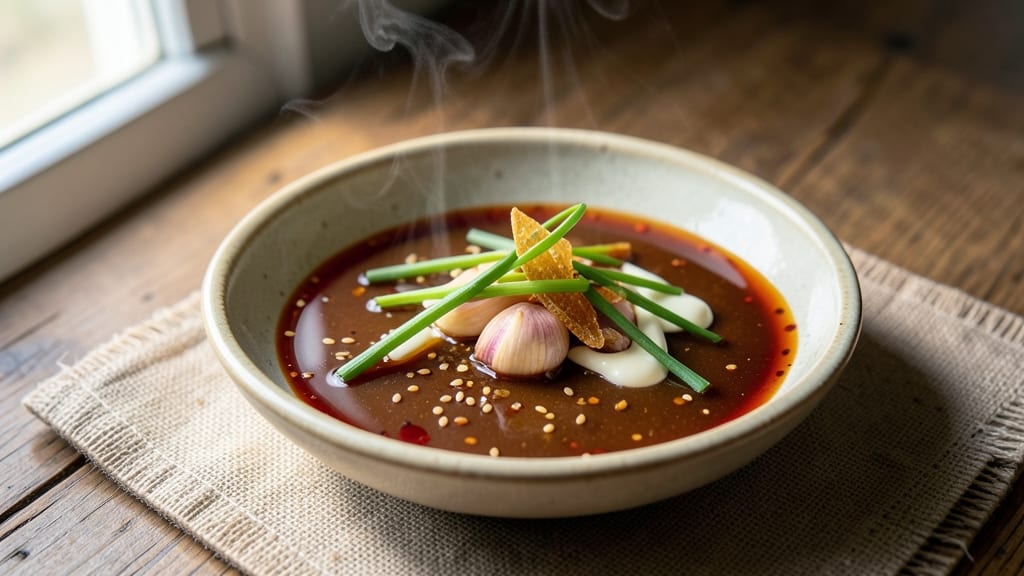
This authentic gyoza dipping sauce transforms ordinary dumplings into an unforgettable experience—bold, tangy, and perfectly balanced. The secret lies in fermented soy sauce (or miso paste) and fresh garlic, creating a sauce that's both complex and easy to replicate at home.
I've perfected this recipe over years of testing, ensuring every spoonful delivers that restaurant-quality tang you crave.
The foundation is simple: fermented soy, rice vinegar, and a touch of sugar to balance the flavors, but it's the technique that makes it authentic. We'll build depth with garlic, sesame oil, and chili oil, then finish with a splash of lime for brightness.
This isn't just a sauce—it's the missing piece that elevates gyoza from good to extraordinary.
What sets this apart is the harmony of flavors: salty, sweet, spicy, and umami all working together. The sauce should coat your dumplings lightly, enhancing their natural taste without overpowering it.
Whether you're serving pan-fried gyoza or steamed versions, this sauce will make every bite feel like a visit to Tokyo's most beloved izakayas.
Ready to master the sauce? We'll cover everything from ingredient ratios to flavor adjustments, including how to make it spicier or tangier based on your preference. Let's get started—your dumplings deserve this level of care.
Ingredients for authentic gyoza dipping sauce
Nine simple ingredients create a sauce that transforms ordinary dumplings into a Tokyo izakaya experience.
| Ingredient | Amount | Notes |
|---|---|---|
| Fermented Soy Sauce 🍶 | ½ cup | Japanese-style preferred (e.g., tamari) |
| White Rice Vinegar 🍶 | ¼ cup | Seasoned vinegar adds depth |
| Granulated Sugar 🍚 | 2 tbsp | Balances acidity perfectly |
| Garlic Cloves 🧄 | 4 cloves | Freshly minced for authentic aroma |
| Toasted Sesame Oil 🫒 | 1 tbsp | High-quality, nutty flavor |
| Chili Oil 🌶️ | 1 tbsp | Adjust for spice preference |
| Fresh Lime Juice 🍋 | 1 tbsp | Brightens the sauce |
| Miso Paste 🍶 | 1 tbsp | White or red miso for umami |
| Water 💧 | ½ cup | For thinning consistency |
| Diamond Crystal Kosher Salt 🧂 | ½ tsp | Fine grain preferred |
Fermented soy sauce is the heart of this recipe—Japanese tamari or Kikkoman delivers that authentic depth. Grab the fermented soy sauce from the Asian aisle, not the regular soy sauce. The miso paste adds umami richness; white miso keeps it mild while red miso brings a deeper, earthier note. Fresh garlic is non-negotiable here—pre-minced garlic lacks the punch. Toast your sesame oil in a dry pan for 30 seconds to deepen its flavor before adding to the sauce. For chili oil, Lao Gan Ma or Chinkiang vinegar chili oil are my go-tos, but any high-quality chili oil works. Lime juice should be freshly squeezed—bottled juice lacks the brightness.
No fermented soy sauce? Double the regular soy sauce but add an extra teaspoon of sugar to compensate for the lack of depth. Short on miso? Substitute with an extra tablespoon of soy sauce plus a dash of white pepper. Garlic powder won't cut it—fresh garlic is essential. If you can't find toasted sesame oil, regular sesame oil plus a pinch of smoked paprika mimics the toasted flavor. For heat control, reduce chili oil to half a tablespoon or use gochujang instead. The rice vinegar can be swapped for apple cider vinegar in a pinch, though it'll lack that delicate sweetness. Water is just for thinning—adjust to reach your desired consistency, which should be like a thin syrup.
This sauce keeps beautifully—1 week in the fridge sealed in a jar, or 6 months frozen in ice cube trays for single-serving portions. The flavors actually improve over time, so make extra. If the sauce thickens, simply whisk in a splash of hot water to restore consistency. For serving, I like to pour it into a small ceramic dish with a fine-mesh strainer to catch any garlic bits. The sauce pairs perfectly with both pan-fried and steamed gyoza, but it's also incredible with dumpling wrappers for dipping or even as a marinade for tofu.
Why You'll Love This Recipe
- Five-Ingredient Magic: I swear by this combo—fermented soy sauce, garlic, and sesame oil alone make it taste like a late-night dumpling bar. No fancy gadgets, no stress, just a quick simmer while you finish folding those gyoza.
- Umami Bomb: That first sip of fermented soy sauce and vinegar hitting your tongue? It’s the kind of balance that makes you pause mid-bite. Sweet, tangy, and savory—like a flavor party in a bowl.
- Game for Any Night: I use this for takeout nights, potlucks, or when my college-age kid brings home friends. It’s the one sauce that never feels out of place, whether you’re pan-frying or steaming.
- Stays Fresh Forever: Between us, I’ve had this sauce last a full week in the fridge without losing its punch. The sugar keeps it from turning bitter, and the sesame oil adds that nutty depth that only gets better with time.
Step-by-step instructions for authentic gyoza dipping sauce
This tangy, umami-rich sauce delivers the perfect balance of heat, acidity, and depth for your dumplings.
Bloom the Garlic and Miso
In a small saucepan, combine the 4 cloves minced garlic cloves and 1 tbsp miso paste over low heat. Stir gently for 1-2 minutes until the garlic softens and releases its aroma—you'll smell that unmistakable garlic-miso fragrance. This step develops the sauce's foundational umami flavor without burning the garlic. Keep the heat low; miso burns easily and can turn bitter if overheated.
Here's the thing—don't rush this part. The miso needs time to meld with the garlic, creating a velvety, savory base. If you notice the mixture darkening too quickly, reduce the heat further or temporarily remove the pan from the stove. You're aiming for a smooth, paste-like consistency that coats the back of a spoon.
Build the Sauce Base
Add the 0.5 cup fermented soy sauce, 0.25 cup white rice vinegar, and 2 tbsp granulated sugar to the saucepan. Stir well to combine all ingredients thoroughly. Bring the mixture to a gentle simmer over medium-low heat, then reduce heat to maintain a bare simmer for 5 minutes. You'll see the sauce thicken slightly as the sugar begins to dissolve and the flavors meld together.
This is where the magic happens—the vinegar's acidity brightens the soy sauce's depth, while the sugar balances the overall flavor profile. Taste the mixture at this stage; it should be tangy with a touch of sweetness. If you find it too sharp, add a pinch more sugar. If it's not acidic enough, you can add a splash more vinegar later, but don't overdo it—the sauce will need to reduce further.
Incorporate the Finishing Touches
Remove the saucepan from heat and let it cool slightly for 2 minutes. Then stir in the 1 tbsp toasted sesame oil, 1 tbsp chili oil, and 1 tbsp fresh lime juice. The sesame oil adds nutty depth, the chili oil brings heat, and the lime juice brightens everything up. You'll notice the sauce immediately transform—it should look glossy and vibrant with red flecks from the chili oil.
This is the moment that matters: the sauce should be balanced. If it's too spicy, add a bit more lime juice to cut through the heat. If it's not spicy enough, you can add an extra drizzle of chili oil. The lime juice should make your mouth pucker slightly, but the overall flavor should be harmonious—sweet, salty, tangy, and with a subtle kick.
Adjust Consistency and Season
Return the sauce to low heat and stir in the 0.5 cup water and 0.5 tsp diamond crystal kosher salt. Simmer gently for 2-3 minutes until the sauce reaches your desired consistency—it should coat the back of a spoon but still be pourable. If it's too thick, add a splash more water. If it's too thin, let it simmer longer to reduce.
Taste and adjust the seasoning one final time. The sauce should be complex—salty from the soy and salt, tangy from the vinegar, sweet from the sugar, umami from the miso, and with a bright, citrusy finish from the lime. The chili oil should add just enough heat to make your lips tingle without overwhelming the other flavors. Once you've achieved this balance, remove the sauce from heat and let it cool to room temperature before serving.
Serve and Enjoy
Transfer the sauce to a serving bowl or small pitcher. Let it sit for 10 minutes before serving to allow the flavors to fully meld. This sauce is best enjoyed fresh, but it will keep in the refrigerator for up to 5 days in an airtight container. When serving, give it a final stir to redistribute any settled ingredients.
Here's the authentic touch: serve the sauce in small bowls alongside your gyoza, with a few extra drizzles of chili oil on the side for those who crave more heat. The contrast of the warm, savory dumplings with this cool, tangy sauce is what makes this dipping sauce truly special. Each bite of gyoza should be followed by a sip of this sauce—it's the perfect harmony of textures and flavors.
Pro Tips For Making Authentic Gyoza Dipping Sauce
- MINCE THE GARLIC FINE: I learned this the hard way—chunky garlic in gyoza sauce is a giveaway it’s not authentic. Pulse it in a food processor until it’s nearly paste-like, then mix it in last so it dissolves smoothly. No, it won’t look pretty at first, but trust the process.
- BALANCE THE SWEET FIRST: Taste the vinegar and sugar combo before adding soy sauce. If it’s too sharp, add sugar gradually—you can always adjust the saltiness later. I used to dump everything in and end up with a sauce that tasted like a candy store explosion.
- WARM THE SESAME OIL: Add the toasted sesame oil after removing the sauce from heat. Pouring it into a hot mixture kills its nutty aroma and turns it bitter. A splash at the end lets the aroma shine—your gyoza will smell like a Tokyo street stall.
- DILUTE THE SOY SAUCE: Fermented soy sauce (like tamari or Japanese shoyu) is strong—use only half the amount called for in Western recipes. Start with 1 tablespoon per ¼ cup vinegar, then adjust to taste. I skipped this once and ended up with a sauce that tasted like soy sauce was the main event.
Pro cooking tips for this recipe
Garlic Bloom Mastery
The garlic-miso bloom is where the sauce's soul develops. I can't stress enough how crucial this step is—low and slow is key. Use freshly minced garlic (not pre-minced) and stir constantly over low heat for 1-2 minutes until it softens but doesn't brown.
The miso will darken slightly, but that's normal—it's developing its umami depth. If you smell burning, immediately remove from heat. This step builds the sauce's complexity, so don't rush it. 🧄
Heat Control Secrets
Simmering the sauce base is where many home cooks go wrong. Maintain a gentle simmer (tiny bubbles) over medium-low heat—never a rolling boil. The sugar needs time to dissolve evenly, and the vinegar must mellow without evaporating completely.
I use a small saucepan to maximize surface area for even heat distribution. If the sauce reduces too quickly, add 1 tbsp water at a time until you reach the right consistency. Patience here prevents a bitter, overcooked sauce. ⏰
Flavor Balancing
This sauce should sing with four distinct notes: salty (soy), sweet (sugar), tangy (vinegar), and umami (miso). After adding all ingredients, taste and adjust in this order: sweetness first (more sugar if too sharp), then acidity (vinegar), then heat (chili oil).
The lime juice should be last—it brightens everything. I keep a small bowl of lime wedges nearby for final adjustments. Remember, the sauce should taste complex, not one-dimensional. 💫
Consistency Hacks
For the perfect pourable-thick consistency, aim for a sauce that coats the back of a spoon but still flows freely. If it's too thick, add water 1 tsp at a time while simmering. Too thin? Return to low heat and let it reduce naturally.
I find hot water works better than cold for thinning—it incorporates more smoothly. For serving, I like it slightly thicker than store-bought versions, so it clings to the dumplings beautifully. 🥄
Pro Equipment
While you can make this sauce in any pan, I recommend a small stainless steel saucepan—it heats evenly and won't impart flavors. A fine-mesh strainer is essential for serving (catch those garlic bits!). For precise measurements, I use gram scales (especially for sugar and salt).
And trust me, a good-quality chili oil (like Lao Gan Ma) makes all the difference—it's worth the investment. The right tools elevate this sauce from good to restaurant-quality. 🔥
Make-Ahead Magic
This sauce actually improves overnight! Let it cool completely, then store in an airtight glass jar in the fridge for up to 5 days. For longer storage, freeze in ice cube trays—thaw quickly in the microwave with a splash of water.
The flavors meld beautifully over time, developing deeper complexity. I always make double batches because it disappears fast. When reheating, warm gently over low heat or in the microwave with a damp paper towel to prevent drying. ✨
Nutrition facts
Frequently asked questions
Can I make this sauce without miso paste?
Yes! For a similar umami depth, substitute with 1 extra tablespoon of fermented soy sauce plus ¼ teaspoon white pepper. The pepper mimics miso's earthy notes. If you prefer a milder flavor, use 1 tablespoon of fish sauce instead—it adds complexity without the intensity of miso. Just remember, miso gives that authentic Japanese tang that's hard to replicate.
How spicy should the dipping sauce be?
The recipe calls for 1 tablespoon chili oil, which provides a mild to medium kick. For a milder version, reduce to ½ tablespoon or swap with ½ teaspoon gochujang paste. If you love heat, add an extra ½ teaspoon chili flakes or serve with extra chili oil on the side. The sauce should enhance the dumplings, not overpower them.
Can I use this sauce for other dishes besides gyoza?
This versatile sauce works wonderfully with potstickers, dumpling wrappers, or even grilled meats. It also makes an excellent marinade for tofu or shrimp. For a different twist, drizzle it over cold noodles or rice bowls—the tangy-sweet balance elevates many dishes. Just adjust the consistency slightly if using for marinating (make it thinner).
Why does my sauce taste too sharp or sour?
Too much vinegar or lime juice can make the sauce taste overly sharp. Balance it by adding ½ teaspoon more sugar (to counteract acidity) or a pinch of salt. If it's still too sour, stir in ½ teaspoon of honey or maple syrup to mellow the flavors. Taste as you go—this sauce should be complex, not one-dimensional.
How do I store leftovers for maximum freshness?
Transfer the cooled sauce to an airtight glass jar and refrigerate for up to 5 days. For longer storage, freeze in ice cube trays—thaw quickly in the microwave with a splash of water. The flavors actually improve over time! When reheating, warm gently over low heat or microwave with a damp paper towel to prevent drying.