
Sauces & Condiments
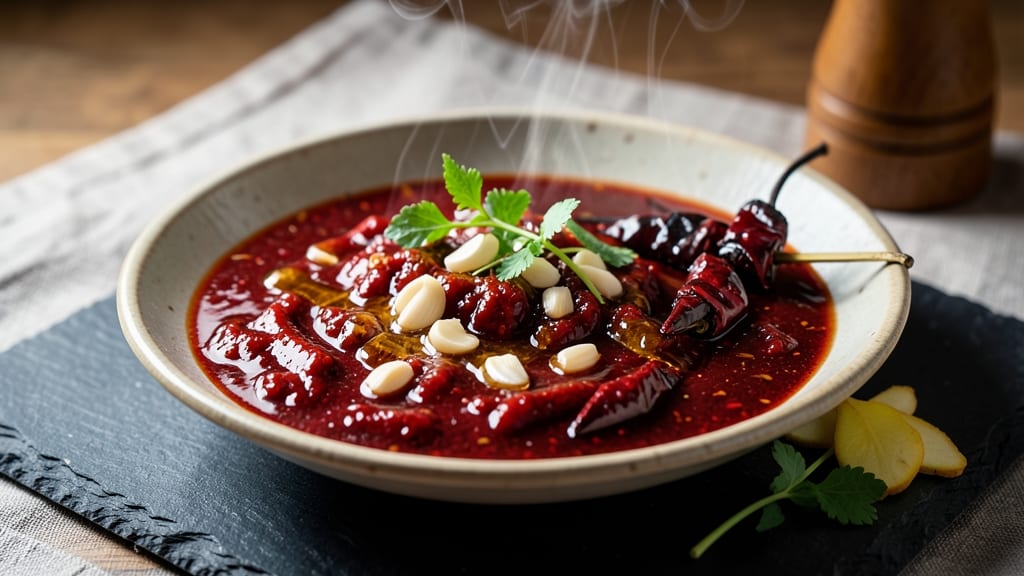
This Asian sweet and spicy sauce recipe transforms any dish with its perfect balance of heat and sweetness—ready in just 15 minutes. The secret lies in simmering garlic, ginger, and chili paste until fragrant, then blending with honey, soy sauce, and vinegar for depth.
It’s the kind of sauce that elevates everything from stir-fries to grilled meats, and it keeps beautifully in the fridge for up to a week.
The magic happens in the layers: the chili paste provides heat, honey adds sweetness, and vinegar brightens everything up. A quick simmer reduces the sauce to a glossy consistency, making it perfect for dipping, marinating, or glazing.
No special equipment is needed—just a saucepan and a blender, and you’ll have a restaurant-quality sauce at home.
What makes this sauce truly versatile is its ability to adapt to any dish. Use it as a dipping sauce for spring rolls, a marinade for chicken skewers, or a glaze for roasted vegetables.
The balance of flavors ensures it won’t overpower your meal but instead enhances it with every bite. Once you try this, you’ll never buy store-bought again.
For extra depth, let the sauce sit for 30 minutes before using—this allows the flavors to meld even more. Store it in an airtight container in the fridge, and it’ll stay fresh and ready for your next culinary adventure. Let’s make this sauce!
Ingredients for asian sweet and spicy sauce
Nine simple ingredients create this restaurant-worthy sauce that's ready in 15 minutes.
| Ingredient | Amount | Notes |
|---|---|---|
| Red Chili Paste 🌶️ | 2 tbsp | High-quality brand like Maesri or Thai Kitchen |
| Fresh Garlic Cloves 🧄 | 3 cloves | Minced for aromatic depth |
| Fresh Ginger 🌿 | 1 tbsp | Grated, not powdered |
| Honey 🍯 | ½ cup | Wildflower preferred for complexity |
| Light Soy Sauce 🍶 | ½ cup | Kikkoman or Pearl River Bridge |
| Rice Vinegar 🍶 | ¼ cup | Seasoned for extra flavor |
| Sesame Oil 🫒 | 1 tbsp | Toasted, not flavored |
| Water 💧 | ½ cup | For thinning consistency |
| Salt 🧂 | ½ tsp | Diamond Crystal preferred |
| Black Pepper 🌶️ | ¼ tsp | Freshly cracked for heat |
The chili paste is where the magic starts—Maesri or Thai Kitchen are my go-tos, but any high-quality brand works. Fresh ginger and garlic are non-negotiable here; the grated ginger should smell vibrant, not stale (that's your cue to buy new). Kikkoman soy sauce gives the best balance, but Pearl River Bridge adds a touch of sweetness. For honey, wildflower has more depth than clover—trust me on this. Grab a small bottle of toasted sesame oil too; the flavored kind has additives that can overpower the sauce.
No fresh ginger? Powdered works at half the amount, but you'll miss that fresh zing. Short on chili paste? Sriracha plus a pinch of cayenne gets you close, though it's not the same. Running out of rice vinegar? Apple cider vinegar works in a pinch, but it lacks that subtle sweetness. The sauce should be glossy but not watery—adjust with water if needed. For extra umami, add 1 tsp fish sauce (if not vegetarian) or 1 tbsp coconut aminos for a plant-based boost.
This sauce keeps beautifully in the fridge for up to 2 weeks—it actually tastes better after flavors meld. Store in a clean glass jar with a tight seal. For longer storage, freeze portions in ice cube trays (perfect for single-use applications). The sauce thickens when chilled, so give it a quick stir before using. Pro tip: Add a splash of water if it seems too thick when reheating.
Why You'll Love This Recipe
- Five-Ingredient Magic: I swear, this sauce is the kind of recipe that makes me feel like a cooking genius—even though it’s just five things in a pan. The red chili paste handles the heat, honey balances it out, and that fresh ginger? It’s the secret that makes everything sing without overpowering.
- Glaze-Worthy Perfection: Between us, this sauce is ridiculously good on its own—drizzled over grilled chicken or noodles, it’s like a sweet-spicy hug. The garlic and soy sauce deepen as it simmers, giving you that glossy, addictive finish that’s way better than store-bought.
- Weeknight & Party Hero: Honestly, I use this for everything—stir-fries, marinades, even as a glaze for roasted veggies. And the best part? It’s ready in 15 minutes, so it’s my go-to for last-minute dinner guests or lazy nights when I don’t want to fuss.
- Budget-Boosting Staple: A little goes a long way, and since I make big batches, it’s my secret weapon for stretching meals. The soy sauce and honey stretch thin, so I can flavor proteins and veggies without breaking the bank—plus, it keeps for weeks in the fridge.
Step-by-step instructions for Asian sweet and spicy sauce
This sauce comes together faster than you can say "umami bomb." Let's balance those flavors perfectly.
Bloom the Chili Paste and Aromatics
Heat a small saucepan over medium heat and add the 2 tablespoons red chili paste. Stir constantly for 1-2 minutes until it begins to darken and release its deep, aromatic oils. This is where all the flavor magic starts.
Add the 3 cloves minced garlic and 1 tablespoon grated fresh ginger to the pan. Cook for another 30 seconds until the garlic turns golden and fragrant—don't let it brown or it'll turn bitter. The paste should smell like a tropical storm of heat and sweetness. If it sticks, add a splash of 0.25 cup rice vinegar to help release those flavors.
Build the Sauce Base
Pour in the 0.5 cup honey and 0.5 cup light soy sauce, stirring constantly to combine. The mixture will bubble gently as the honey begins to warm. Let it simmer for 2-3 minutes until slightly thickened and glossy.
Here's where the balance happens: The honey and soy sauce create a sweet, salty foundation while the chili paste adds heat. Taste it now—you should feel the heat building but still have that sweetness shining through. If it's too thick, add 1-2 tablespoons of the 0.5 cup water to loosen it up.
Finish with Nuance
Reduce heat to low and stir in the 1 tablespoon sesame oil. The oil will immediately mellow the heat while adding nutty depth. Add the 0.5 teaspoon salt and 0.25 teaspoon black pepper, then give it one final taste.
You're looking for a perfect harmony: sweet, spicy, salty, and nutty all at once. If it needs more heat, add a pinch more chili paste. If it needs more sweetness, add a touch more honey. The sauce should coat the back of a spoon with a silky, glossy finish. Remove from heat immediately—this sauce doesn't like to overcook.
Rest and Adjust
Let the sauce sit at room temperature for 5 minutes—this allows all the flavors to meld together. The heat will mellow slightly, giving you a more balanced taste when you come back to it.
Give it one final taste before using. The sauce should be vibrant in color, with a glossy sheen that promises big flavor. If it's too thick, thin with more water. If it's too thin, simmer gently for another minute to reduce. This sauce is incredibly versatile—drizzle it over noodles, toss with grilled meats, or use as a marinade. The possibilities are endless!
Pro Tips For Making Asian Sweet And Spicy Sauce
- Simmer the Paste Slow: Don’t blast the chili paste on high—it’ll burn before the flavors meld. Start on medium-low, let it bubble gently for 2-3 minutes first, then crank it up. I learned this the hard way when my first batch tasted like charred rubber.
- Mince Ginger Like You Mean It: Skip the food processor for ginger—it turns to mush. Use a sharp knife and chop it into a fine paste (almost like a wet sand texture) before adding it. This ensures even distribution and prevents clumps that ruin the sauce’s smoothness.
- Balance Heat and Sweet Gradually: Don’t dump all the honey at once—add it in stages while tasting. The soy sauce and chili paste need time to marry, so let the heat develop first, then sweeten. I used to overdo it, ending up with a gloppy, one-note sauce.
- Strain for Silky Smoothness: If you’re using whole garlic cloves or fibrous ginger, strain the sauce through a fine-mesh sieve after cooking. It’s extra effort, but the result is a velvety texture that clings beautifully to noodles or proteins—no one will guess you didn’t spend hours blending.
Creative variations of this asian sweet and spicy sauce
Thai-Inspired Sweet Heat
For a more authentic Thai flavor profile, swap the honey for palm sugar syrup (dissolve 2 tbsp palm sugar in 2 tbsp warm water) and add 1 tbsp lime juice at the end.
This version has a deeper caramelized sweetness with a bright citrus finish that cuts through the richness. I love using this as a dipping sauce for crispy tofu or spring rolls—the contrast of textures makes it unforgettable. 🌶️
Japanese Sweet Chili
Transform this into a Japanese-inspired sauce by replacing the soy sauce with 2 tbsp mirin and 3 tbsp light soy sauce, then adding 1 tsp grated daikon radish for subtle sweetness. Finish with ½ tsp toasted nori flakes for umami depth.
This works beautifully as a glaze for grilled salmon or teriyaki chicken, offering a smoother, less aggressive heat than the Thai version.
Korean Gochujang Twist
Give it a Korean kick by replacing 1 tbsp of the chili paste with 1 tbsp gochujang (fermented chili paste) and adding 1 tsp toasted sesame seeds at the end. The gochujang adds a tangy, slightly funky depth that pairs perfectly with bulgogi beef or kimchi fried rice.
For extra richness, stir in 1 tsp toasted sesame oil after simmering. This version is thicker and more complex—ideal for marinades. 🔥
Vegan Adaptation
Make this 100% plant-based by using coconut aminos instead of soy sauce and ensuring your chili paste is vegan (check for fish sauce). For extra umami, add 1 tbsp nutritional yeast or 1 tsp mushroom powder.
This version works amazingly as a marinade for tempeh or a dipping sauce for veggie dumplings. The flavors are just as bold, with none of the animal products. ✨
Extra Spicy Kick
If you love serious heat, add 1 tsp sriracha or ½ tsp cayenne pepper to the simmering sauce, then balance it with an extra 1 tbsp honey. For a smoky dimension, stir in ½ tsp smoked paprika at the end.
This version is perfect for spicy noodle dishes or as a slather for grilled wings. Just be warned—this sauce is no joke! 🌶️🔥
Sweet and Tangy Glaze
For a glazing sauce, reduce the water to 2 tbsp and add 1 tbsp apple cider vinegar along with the rice vinegar. Simmer for an extra 1-2 minutes to thicken it into a sticky consistency.
This works like a dream on pork chops or tofu skewers, creating a caramelized crust. The tanginess cuts through the sweetness, making it irresistibly addictive. 💫
Nutrition facts
Frequently asked questions
Can I adjust the sweetness or spice level in this sauce?
The beauty of this recipe is its flexibility! For more sweetness, add 1 extra tablespoon of honey per ½ cup of sauce. For more heat, increase the chili paste by ½ teaspoon or add ¼ teaspoon of cayenne pepper. Always taste as you go—balance is key!
What are the best ways to use this sauce?
This versatile sauce works as a dipping sauce for spring rolls, a marinade for chicken or tofu, or a glaze for grilled meats. Try it on noodles, stir-fries, or even as a drizzle over deviled eggs for a sweet-spicy twist. The possibilities are endless!
How do I store this sauce, and how long does it last?
Store in an airtight container in the fridge for up to 2 weeks. For longer storage, freeze in ice cube trays—perfect for single-use portions. The sauce thickens when chilled, so stir before using. Pro tip: Add a splash of water if it seems too thick after thawing.
Can I make this sauce without a blender?
If you don’t have a blender, simply whisk all ingredients together in a bowl after simmering. The texture will be slightly chunkier but still delicious. For extra smoothness, mash the chili paste and garlic with the back of a spoon before adding liquids.
Why does my sauce look watery or too thick?
If it’s watery, simmer uncovered for 1-2 extra minutes to reduce. If it’s too thick, thin with 1-2 tablespoons of water or vinegar. The ideal consistency coats the back of a spoon without being gluey. Adjust gradually—small changes make a big difference!