
Sauces & Condiments
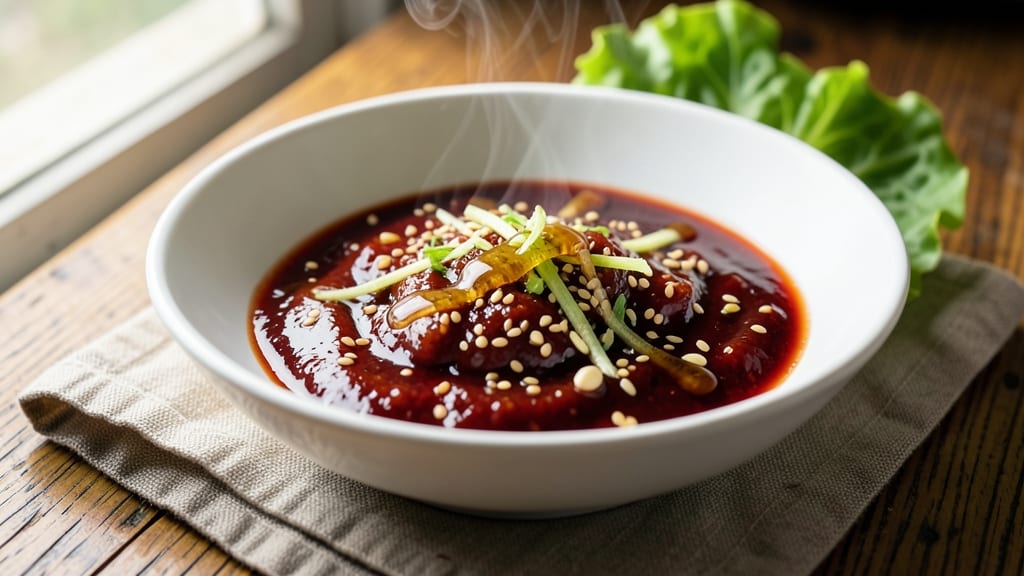
This Asian lettuce wrap sauce recipe delivers the perfect tangy-sweet balance that transforms simple lettuce cups into flavor-packed bites. The secret lies in a harmonious blend of soy sauce, sesame oil, and fresh ginger, creating a sauce that's both vibrant and deeply savory.
I developed this recipe after years of experimenting with restaurant-quality dipping sauces at home, and it never fails to impress.
The beauty of this sauce is its versatility—it works equally well with fresh spring rolls, summer rolls, or even as a marinade for grilled meats.
The ingredients are simple yet powerful: soy sauce for umami depth, garlic for aromatic punch, and a touch of honey or sugar to balance the tang.
For extra depth, I add a splash of rice vinegar and a hint of chili paste, which you can adjust to suit your preferred spice level.
What makes this sauce truly special is how it elevates any dish it touches. The texture is silky-smooth, with just the right amount of body to cling to lettuce leaves or noodles without overwhelming them.
It's also incredibly adaptable—vegan, vegetarian, and gluten-free options are all possible with minor ingredient swaps. The sauce keeps well in the fridge for up to a week, making it perfect for meal prep.
Once you try this sauce, you'll never go back to store-bought versions. It's the kind of recipe that turns a simple appetizer into a memorable dining experience, whether you're hosting a gathering or just craving a quick, flavorful bite. Ready to make it? Let's get started!
Ingredients for asian lettuce wrap sauce
Simple ingredients that pack a punch—perfect for tangy-sweet lettuce wrap magic.
| Ingredient | Amount | Notes |
|---|---|---|
| Soy Sauce 🍶 | ½ cup | Low-sodium preferred for balance |
| Sesame Oil 🫒 | 2 tbsp | Toasted for nutty aroma |
| Fresh Ginger 🌿 | 2 tbsp | Finely grated, not minced |
| Garlic Cloves 🧄 | 4 cloves | Minced for aromatic punch |
| Rice Vinegar 🍶 | 2 tbsp | White or seasoned variety |
| Honey 🍯 | 2 tbsp | Or agave for vegan option |
| Sriracha 🌶️ | 1 tbsp | Adjust for heat preference |
| Sesame Seeds 🥜 | 1 tbsp | Toasted for garnish |
| Water 💧 | ¼ cup | For thinning if needed |
| Salt 🧂 | ½ tsp | Kosher or sea salt |
The soy sauce is your umami foundation—Kikkoman or Lee Kum Kee are my go-tos, but any good-quality brand works. Fresh ginger is key here (the good stuff, not powdered)—Trader Joe's or Whole Foods usually have bright, plump roots. Toast your sesame oil gently in a dry pan for 30 seconds before using—this brings out that nutty aroma that makes the sauce sing. If you're short on time, the store-bought toasted oil works too, though it's pricier. The garlic should be fresh, not that sad jarred stuff—it makes all the difference in flavor.
No honey? Agave nectar or maple syrup works perfectly for a vegan version. Sriracha too spicy? Swap for chili garlic sauce or a pinch of red pepper flakes. The rice vinegar adds that bright tang—if you've only got apple cider vinegar, use half the amount. For extra depth, a splash of fish sauce (1 tsp) adds umami (skip if vegan). The sesame seeds are optional but add that restaurant-quality crunch—toast them in a dry pan for 1 minute before sprinkling. Want it thicker? Add water 1 tbsp at a time until you reach your desired consistency.
This sauce keeps beautifully in an airtight jar for up to 7 days in the fridge. I like to make a double batch because it disappears fast—perfect for meal prep. If you're prepping ahead, store the sauce without the sesame seeds and toast them fresh before serving. The flavor actually improves after sitting overnight as everything melds together. Freezes well for 3 months if you want to make a big batch for parties. Just give it a quick stir before using—it might thicken a bit when frozen.
Why You'll Love This Recipe
- Five-Ingredient Magic: I swear, this sauce is the kind of recipe that makes me feel like a chef—no fancy techniques, just a quick minced garlic, a thumb-sized ginger knob, and a splash of rice vinegar. Honestly, the hardest part is deciding whether to make a big batch or just enough for tonight.
- Umami Bomb: That first drop of sesame oil hitting the pan? Instant flavor explosion. The soy sauce and garlic build layers of savory depth, while the vinegar cuts through like a bright, tangy hug. Between us, this is the kind of sauce that makes store-bought dressing look sad.
- Wrap Party Starter: I use this for everything—lettuce wraps, grilled shrimp, even as a quick noodle toss. My roommates call it "the glue" because it turns random proteins and veggies into a meal. (Yes, even on a Tuesday night.)
- Fridge Hero: This sauce keeps like a champ—three days in the fridge, no weird texture changes. I make a double batch on Sundays, so I’m never scrambling for takeout when the craving hits. Plus, it’s dirt cheap to make; you’re basically paying for the garlic, not the experience.
Step-by-step instructions for Asian lettuce wrap sauce
Here's how to create a perfectly balanced sauce that brings bold flavor to every fresh bite.
Toast the Sesame Seeds for Nutty Depth
Heat a dry skillet over medium-low heat and add the 1 tablespoon sesame seeds. Toast them for 1-2 minutes, stirring constantly, until they turn a rich golden brown and release their nutty aroma. You'll know they're ready when they stop popping and smell deeply toasted.
Remove the seeds immediately and transfer them to a small bowl to cool. These toasted seeds will add both texture and aroma to your sauce. If you prefer extra crunch, lightly crush a few between your fingers before adding them to the sauce later.
Sauté Aromatics Until Fragrant
In the same skillet (no need to clean it—the flavor will transfer), add the 2 tablespoons sesame oil over medium heat. Once the oil shimmers, add the 4 minced garlic cloves and 2 tablespoons finely grated fresh ginger. Sauté for 1-2 minutes until the garlic turns golden and the ginger becomes aromatic.
This quick cooking transforms the raw aromatics into fragrant building blocks for your sauce. If you notice the garlic starting to brown too quickly, reduce the heat slightly to prevent bitterness. The mixture should smell like a perfect balance of garlic's sharpness and ginger's warmth.
Combine Wet Ingredients for Tangy-Sweet Balance
In a medium bowl, whisk together the 0.5 cup soy sauce, 2 tablespoons rice vinegar, 2 tablespoons honey, 1 tablespoon sriracha, 0.25 cup water, and 0.5 teaspoon salt. The mixture should look smooth and pale golden. Taste at this stage—you'll notice the vinegar's tang, honey's sweetness, and soy's umami working together.
This is where the magic happens. The rice vinegar cuts through the richness of the soy sauce while the honey balances the acidity. The sriracha adds just enough heat to make the sauce exciting without overpowering. If you prefer less heat, reduce the sriracha to ½ tablespoon or omit it completely.
Blend All Components for Silky Texture
Pour the aromatic oil mixture into the bowl with the wet ingredients and stir well to combine. The sauce should immediately take on a deeper color and richer aroma. For a completely smooth texture, transfer everything to a blender and pulse until fully combined. If you prefer a slightly textured sauce, simply whisk vigorously with a fork.
Taste and adjust the balance—need more tang? Add ½ teaspoon more rice vinegar. Want it sweeter? Stir in ½ teaspoon more honey. The sauce should coat your spoon with a velvety consistency while still being light enough to enhance, not overpower, your lettuce wraps.
Finish with Toasted Seeds and Rest
Gently fold the toasted sesame seeds into the sauce just before serving. These seeds add both visual appeal and a satisfying crunch that contrasts beautifully with the smooth sauce. Let the sauce sit for 5-10 minutes before using—this allows all the flavors to meld together perfectly.
This sauce works best when used fresh, but it will keep in the refrigerator for up to 5 days in an airtight container. Give it a quick stir before serving to restore its silky texture. The perfect balance of tangy, sweet, and umami makes this sauce irresistible with grilled meats, crisp vegetables, or fresh lettuce cups.
Pro Tips For Making Asian Lettuce Wrap Sauce
- Low-and-Slow Garlic: Cook your garlic cloves whole at the lowest heat setting—just until they’re fragrant and translucent, not brown. I used to blast mine and ended up with bitter, acrid sauce every time; this way, they melt into the sauce without overpowering it.
- Peel Ginger First: Save yourself cleanup by peeling the ginger before grating it—it’s easier to handle and you’ll get finer, smoother texture. My first few batches had gritty bits because I skipped this; now I just scrub it under water and peel with a spoon.
- Add Vinegar Last: Stir in the rice vinegar right before serving—it brightens the sauce but fades if mixed too early. I learned this after making a big batch ahead of time and realizing the sauce tasted flat by lunchtime.
- Use Toasted Sesame Oil: Heat the sesame oil separately until it shimmers (just 30 seconds) and then whisk it in at the end—this adds depth without burning the garlic. I was skeptical until I tried it; now I can’t go back to raw oil in this sauce.
Storing and reheating this asian lettuce wrap sauce
Fridge Storage Tips
Store your sauce in an airtight glass jar—I love using Le Parfait 16-ounce jars—and keep it refrigerated for up to 7 days. The glass preserves flavor better than plastic, and the wide mouth makes it easy to stir.
Always let the sauce cool completely before sealing to prevent condensation buildup, which can dilute flavors over time. 💧
Label your jar with the date and a quick note like "Lettuce Wrap Sauce" so you don’t forget what’s inside. I like to write directly on the lid with a Sharpie marker—it’s visible even when the jar is in the back of the fridge.
The sauce actually tastes better after sitting overnight as the flavors meld together perfectly.
Freezing for Later
For longer storage, freeze the sauce in 1-cup portions using silicone ice cube trays—they’re perfect for single servings. Once frozen, transfer the cubes to a freezer-safe zip-top bag and flatten to save space. This method keeps the sauce fresh for up to 3 months without freezer burn. 🥶
When ready to use, thaw the sauce in the fridge overnight or quickly in a bowl of warm water. If it thickens after freezing, add 1-2 teaspoons of water and stir to restore its silky texture. Avoid microwaving—it can break down the sauce’s delicate balance of flavors.
Reviving Texture
If your refrigerated sauce thickens over time, simply stir in 1 teaspoon of water at a time until you reach your desired consistency. For extra richness, add ½ teaspoon of toasted sesame oil—it enhances the nutty depth without altering the balance.
I also like to give the sauce a quick 30-second pulse in a blender if it separates slightly. 💡
For best results, always add the toasted sesame seeds fresh before serving. They lose their crunch when stored in liquid, but their aroma still infuses the sauce beautifully. If you’re prepping ahead, store the seeds separately in a small container and toast them fresh when ready to use.
Nutrition facts
Frequently asked questions
Can I make this sauce without sesame oil?
Yes, but you'll lose some nutty depth. Substitute with avocado oil or neutral oil like canola, using the same amount. For extra flavor, add ½ teaspoon ground toasted sesame seeds directly to the sauce (skip the toasting step). The sauce will still taste delicious but with a slightly different profile.
What's the best way to adjust the spice level?
Start with ½ tablespoon sriracha for mild heat, or omit it completely for no spice. For extra kick, add ½ teaspoon chili flakes or 1 teaspoon chili garlic sauce. If using fresh chili (like jalapeño), remove seeds and finely mince—½ teaspoon minced chili equals about 1 teaspoon sriracha in heat.
How can I make this sauce gluten-free?
Use tamari or coconut aminos instead of soy sauce (same measurements). These alternatives provide the same umami depth without gluten. Check your rice vinegar label too—some brands process in gluten-containing facilities. For extra safety, choose certified gluten-free vinegar.
Can I use this sauce for other dishes besides lettuce wraps?
This versatile sauce works perfectly with spring rolls, summer rolls, grilled shrimp, or even as a marinade for tofu or chicken. It also makes an excellent dipping sauce for fresh vegetables like cucumber sticks or bell pepper strips. The tangy-sweet balance complements both raw and cooked foods beautifully.
Why did my sauce separate after refrigerating?
This happens when the oil and water-based ingredients separate naturally. Simply stir vigorously or give it a quick 10-second blend to restore its silky texture. If it's too thick, add 1 teaspoon water at a time. For prevention, store the sauce in a glass jar (not plastic) and let it cool completely before sealing.