
Sauces & Condiments
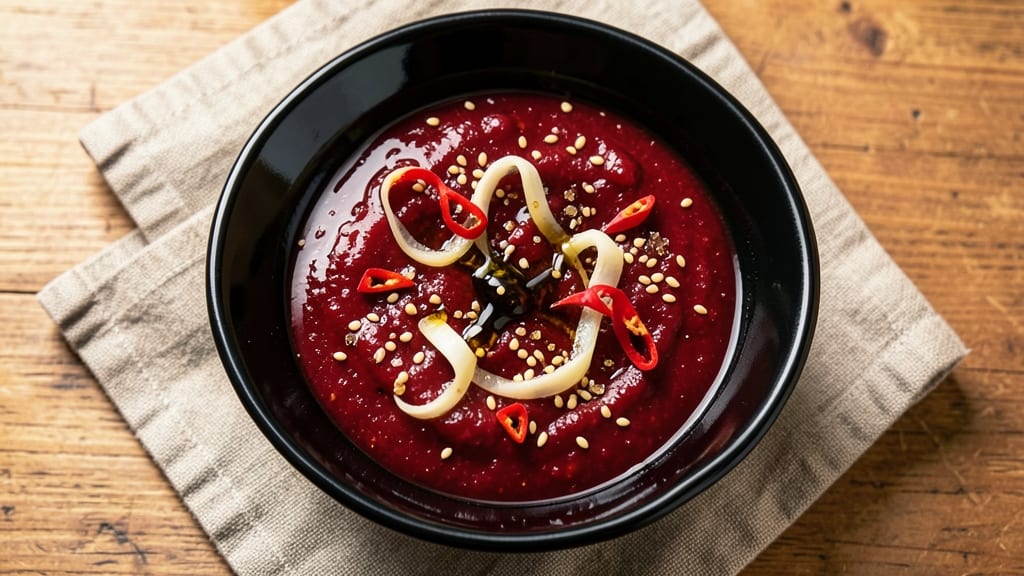
This Asian hot wings sauce recipe transforms ordinary wings into a fiery, sweet, and umami-packed experience that rivals your favorite takeout. The key lies in fermented soy glaze, which creates a deep, complex flavor profile that balances heat with tangy brightness.
I developed this sauce after years of experimenting with Asian-inspired glazes, and it’s become my go-to for crispy, sticky, and irresistibly flavorful wings every time.
The foundation of this sauce is a blend of chili paste, soy sauce, and rice vinegar, which work together to create a glaze that’s both spicy and addictively sweet.
The fermented soy adds a rich, savory depth that elevates the sauce beyond basic heat, while a touch of honey or brown sugar rounds out the flavor without overpowering the spice.
What makes this recipe stand out is its versatility—it works equally well on wings, tofu, or even as a dipping sauce for dumplings.
What you’ll end up with is a glossy, sticky sauce that clings perfectly to crispy wings, delivering a perfect balance of heat, tang, and umami in every bite.
The sauce is easy to make ahead and keeps well in the fridge for up to two weeks, so you can always have a flavorful glaze on hand for game day or weeknight dinners. The best part?
It’s simple enough to whip up in under 15 minutes, yet complex enough to impress even the most seasoned foodies.
Whether you’re serving up a crowd-pleasing appetizer or looking to elevate your takeout-style meals at home, this sauce is a game-changer. The secret is in the fermentation—it’s what gives the sauce its depth and makes it taste like it’s been simmering for hours, even if you’re making it quickly.
Let’s get started on creating this flavor-packed glaze that’ll have everyone asking for seconds.
Ingredients for asian hot wing sauce
Nine simple ingredients create a sticky, spicy-sweet glaze that transforms wings into restaurant-quality bites.
| Ingredient | Amount | Notes |
|---|---|---|
| Fermented Soy Glaze 🍶 | ½ cup | Or sub 2 tbsp soy sauce + 1 tbsp honey |
| Red Chili Paste 🌶️ | ¼ cup | Vietnamese or Thai preferred |
| Rice Vinegar 🍶 | ¼ cup | White or seasoned |
| Light Brown Sugar 🍚 | ¼ cup | Packed tightly |
| Sesame Oil 🫒 | 1 tbsp | Toasted for aroma |
| Garlic Cloves 🧄 | 4 cloves | Minced for depth |
| Fresh Ginger 🌿 | 1 tbsp | Grated, not powdered |
| Soy Sauce 🍶 | 1 tbsp | For extra umami |
| Honey 🍯 | 1 tbsp | Or sub maple syrup |
| Sesame Seeds 🥜 | 1 tsp | Toasted for garnish |
The fermented soy glaze is the secret weapon here. Trader Joe's carries a great one, but if you can't find it, mix 2 tbsp soy sauce with 1 tbsp honey for a quick sub. The chili paste? Maesri or Huy Fong are my go-tos—they've got the perfect balance of heat and complexity. Fresh ginger and garlic are non-negotiable for that bright, punchy flavor, but if you're in a pinch, powdered ginger works at half the amount. Toast the sesame seeds in a dry pan for 30 seconds—they'll add a nutty crunch that takes this sauce to the next level.
No sesame oil? Toasted peanut oil gives a similar richness. Short on rice vinegar? Apple cider vinegar works in a bind, though it'll taste slightly different. The brown sugar adds that addictive sweetness, but white sugar works too—just make sure it's packed tightly into the measuring cup. For extra heat, add a pinch of red pepper flakes. If you want to make it ahead, store the sauce in a jar in the fridge for up to 2 weeks, shaking before each use to redistribute the oil.
This sauce is a game-changer for more than just wings. Slather it on crispy tofu, toss it with dumplings, or use it as a dipping sauce for spring rolls. It keeps in the fridge for 2 weeks, so you can always have a flavor bomb ready for game day. For extra shine, give it a quick whisk before using—it'll cling to your food like magic. And trust me, the first time you taste this on wings, you'll never go back to basic hot sauce again.
Why You'll Love This Recipe
- Five-Ingredient Magic: I swear by this—just five pantry staples, no fancy prep. The fermented soy glaze does all the deep, umami work while I stir, and the red chili paste adds heat without turning my kitchen into a science lab. Honestly, I’ve made it while waiting for takeout to arrive.
- Umami Bomb: That fermented soy glaze? It’s the secret weapon—sweet, salty, funky all at once. Pair it with the bright tang of rice vinegar and a whisper of sesame oil, and suddenly your wings (or noodles or tofu) taste like they’ve been simmered for hours. Not the prettiest sauce, but the taste makes up for it every time.
- Game for Any Meal: Slather it on wings for game day, toss it with rice and veggies for a quick lunch, or drizzle it over cold noodles when you’re too tired to cook. Between us, I’ve even used it to glaze baked potatoes when I ran out of everything else. It’s the kind of sauce that turns “what’s for dinner?” into “let’s eat.”
- Make-Ahead MVP: Double the batch—it keeps for weeks in the fridge, and the flavors only get better as the ingredients marry. I make a big jar on Sundays, then grab it for weeknight dinners or last-minute takeout cravings. Plus, the brown sugar caramelizes slightly over time, adding this deep, molasses-like richness that’s pure satisfaction.
Step-by-step instructions for spicy-sweet fermented soy glaze
This sauce delivers bold Asian-inspired heat with a perfect sweet-spicy balance—just a few minutes of simmering.
Toast the Sesame Seeds for Depth
Heat a dry skillet over medium heat and add the 1 teaspoon sesame seeds. Toast them for 1-2 minutes until they turn a rich golden brown and release their nutty aroma. Watch carefully—they'll darken quickly. Transfer the toasted seeds to a small bowl and set aside for garnish later.
This step adds an essential crunch and aroma that elevates the sauce. If you don't toast them, you'll miss that toasty depth that makes this sauce truly special.
Sauté Aromatics Until Fragrant
In the same skillet (no need to clean it—the browned bits add flavor), add the 1 tablespoon sesame oil over medium heat. Once the oil shimmers, add the 4 minced garlic cloves and 1 tablespoon grated fresh ginger. Sauté for 1-2 minutes until the garlic turns golden and the mixture smells intensely aromatic.
Don't let the garlic burn—it should smell sweet and pungent, not bitter. This is where all the flavor magic starts, so give it your full attention. If the garlic starts to darken too quickly, reduce the heat slightly.
Combine Wet Ingredients
Pour in the 0.5 cup fermented soy glaze, 0.25 cup red chili paste, and 0.25 cup rice vinegar. Stir everything together and bring the mixture to a gentle simmer over medium heat. Let it cook for 3-4 minutes until the sauce begins to thicken slightly and the raw vinegar smell disappears.
The sauce should reduce just enough to coat the back of a spoon. If it looks too thin, let it simmer for another minute or two. This is where the flavors start to meld together—don't rush this step.
Sweeten and Finish
Add the 0.25 cup packed light brown sugar, 1 tablespoon soy sauce, and 1 tablespoon honey. Stir well to combine and let the sauce simmer for another 2-3 minutes until the sugar dissolves completely and the sauce reaches your desired consistency. Taste and adjust—you can add a bit more honey for sweetness or a touch more red chili paste for extra heat.
Here's where the sauce comes together. The sugar helps balance the heat while adding a beautiful caramelized depth. If you prefer a smoother sauce, use an immersion blender to blend it briefly after removing from heat.
Rest and Garnish
Remove the sauce from heat and let it rest for 5 minutes. This allows the flavors to fully meld and the sauce to thicken slightly as it cools. Stir in the toasted sesame seeds just before serving to add that final textural contrast and nutty aroma.
Serve immediately over your favorite wings or use as a dipping sauce. The sauce will keep in the refrigerator for up to 1 week, but it's best when fresh. If it thickens too much while stored, simply stir in a splash of water or rice vinegar to loosen it up.
Pro Tips For Making Asian Hot Wing Sauce
- STIR CONSTANTLY ON LOW: I learned this the hard way—when I first tried simmering the sauce, I walked away for "just a minute" and came back to a charred mess. Keep it on the lowest heat setting and stir every 30 seconds with a wooden spoon to prevent burning, especially once the sugar starts caramelizing.
- TOAST THE CHILI PASTE: Skip the raw heat and dry-toast the red chili paste in a dry pan for 30 seconds before adding it to the sauce. This deepens the smoky flavor and cuts through the vinegar’s sharpness—my grandmother swore by this, and she was right.
- MEASURE SESAME OIL LAST: Add sesame oil only after the sauce has cooled slightly—if you toss it in too early, the heat will scorch it and turn the whole sauce bitter. A splash at the end (about ½ teaspoon) keeps that nutty aroma intact.
- DILUTE THE VINEGAR FIRST: Mix the rice vinegar with a splash of water (about 1:1) before adding it to the pot. This prevents the sugar from seizing up and creates a smoother sauce—no more lumpy surprises when you’re tasting for balance.
Wine and beer pairings for these flavors
Light Beer Pairings
This sauce’s bright acidity and spicy-sweet balance pairs beautifully with crisp, light beers. I love a Sapporo or Asahi Super Dry—their clean, refreshing profiles cut through the heat while letting the sauce’s umami shine.
For a local option, try a Bud Light or Miller Lite, which won’t overpower the sauce’s complexity. The key is to keep the beer’s carbonation high to cleanse your palate between bites. 🍺
Craft IPA Balance
If you prefer hoppy beers, go for a citrus-forward IPA like New Belgium Fat Tire or Deschutes Mirror Pond. The bright, floral hops complement the sauce’s ginger and garlic notes, while the bitterness helps balance the sweetness.
Avoid overly bitter IPAs—they’ll clash with the sauce’s caramelized depth. A 5-6% ABV range works best for harmony.
Rice Wine Cocktails
For a non-alcoholic or boozy pairing, try a rice wine spritzer—mix 2 oz sake with 4 oz sparkling water and a splash of yuzu juice. The subtle sweetness and effervescence mirror the sauce’s profile, while the umami of sake enhances the fermented soy glaze.
Garnish with a sesame seed for that extra crunch. 🍶
Red Wine Contrast
A light-bodied red like Pinot Noir or Gamay works surprisingly well. The fruitiness in these wines echoes the sauce’s brown sugar sweetness, while their acidity stands up to the heat. Avoid heavy Cabernets—they’ll overwhelm the delicate balance. Chill your red wine slightly to enhance its refreshing qualities. ✨
Non-Alcoholic Options
For a mocktail, blend ½ cup coconut water, 2 tbsp lime juice, and 1 tsp ginger syrup. The tropical sweetness and zingy acidity create a refreshing contrast to the sauce’s spicy depth.
Serve over ice with a lime wedge for that extra pop. This combo is perfect for game day when you want to keep things light and fun.
Nutrition facts
Frequently asked questions
Can I make this sauce without fermented soy glaze?
Mix 2 tablespoons soy sauce with 1 tablespoon honey to mimic the fermented depth. The sauce will still taste rich and umami-packed, though it may lack the complex tang of true fermented glaze. For extra depth, add a splash of rice vinegar to balance the sweetness.
How do I adjust the heat level?
Start with ¼ cup chili paste for mild heat, or double it for extra spice. For a smoother burn, blend the sauce briefly after cooking. If it's too spicy, stir in 1 extra tablespoon honey or 1 teaspoon brown sugar to mellow the flavor. Taste as you go!
Can I use this sauce on other foods besides wings?
Yes! It’s perfect for glazing tofu, spring rolls, or grilled shrimp. Try drizzling it over noodles or using it as a dipping sauce for dumplings. The sticky-sweet profile works well with almost any protein or crispy vegetable. For extra shine, simmer the sauce longer to thicken it.
Why does my sauce separate when stored?
This happens when the oil and liquid ingredients separate over time. Before using, gently whisk or shake the jar to recombine. If it’s too thick, add 1 teaspoon rice vinegar or water. For a smoother texture, blend briefly with an immersion blender. Store in an airtight container to prevent future separation.
Can I freeze this sauce?
Freezing isn’t recommended—it can alter the texture and separate the oil. Instead, store it in the fridge for up to 2 weeks. If you must freeze, portion it into ice cube trays, freeze, then transfer to a bag. Thaw overnight in the fridge and stir well before using.