
Sauces & Condiments
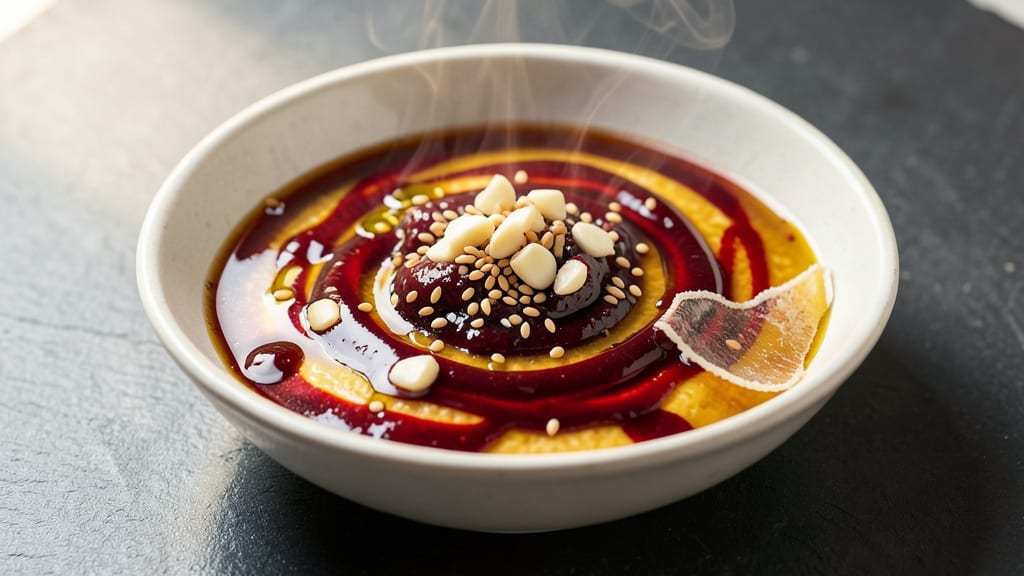
This Asian kick wing sauce recipe delivers the perfect balance of spicy-sweet heat that transforms ordinary wings into restaurant-quality bites. The secret lies in a carefully simmered blend of soy sauce, vinegar, and chili that develops deep umami flavor while maintaining that signature tangy kick.
I’ve perfected this sauce over years of testing—it’s sticky enough to glaze wings beautifully but versatile enough for stir-fries, noodles, or even as a dipping sauce.
The magic happens when the ingredients meld together over low heat, allowing the flavors to deepen and the sweetness to caramelize slightly. No blender required—just a saucepan and patience. The result?
A glossy, aromatic sauce with layers of complexity: smoky from the chili, tangy from the vinegar, and rich from the soy. It’s the kind of sauce that makes every bite irresistible, whether you’re serving it at a game day gathering or a casual weeknight dinner.
What sets this sauce apart is its adaptability—use it as a glaze for wings, toss it with stir-fried vegetables, or drizzle it over noodles for instant flavor. The recipe includes optional adjustments for heat levels, so you can dial it up or down to suit your preference.
With just 10 minutes of active prep and 15 minutes of simmering, you’ll have a sauce that’s far superior to anything store-bought.
The best part? This sauce keeps well in the fridge for up to two weeks, so you can make a big batch and enjoy it all season long.
Whether you’re a seasoned cook or a beginner, this recipe delivers restaurant-quality results with minimal effort. Ready to elevate your wings? Let’s get started.
Ingredients for asian kick wing sauce
Nine bold flavors blend into a sticky, aromatic sauce that transforms wings into restaurant-quality bites.
| Ingredient | Amount | Notes |
|---|---|---|
| Soy Sauce 🥄 | ½ cup | Light or dark variety preferred |
| Rice Vinegar 🍶 | ¼ cup | White or seasoned preferred |
| Honey 🍯 | ¼ cup | Pure, unprocessed preferred |
| Sesame Oil 🫒 | 1 tbsp | Toasted sesame oil for aroma |
| Gochujang Paste 🌶️ | 2 tbsp | Korean chili paste for depth |
| Garlic Cloves 🧄 | 4 cloves | Freshly minced for brightness |
| Fresh Ginger 🌿 | 1 tbsp | Finely grated, aromatic |
| Red Chili Flakes 🔥 | 1 tsp | Adjust for desired heat |
| Sesame Seeds 🌰 | 1 tsp | Toasted for garnish |
| Salt 🧂 | ½ tsp | Kosher or sea salt |
The soy sauce is your flavor anchor here—Kikkoman or Lee Kum Kee are my go-tos, but any good-quality brand works. For the vinegar, seasoned rice vinegar adds a subtle sweetness that balances the heat, but plain white works too. The honey should be pure, not that processed stuff—local raw honey from farmers markets has the best depth. Gochujang is non-negotiable for that signature umami kick; Maesilchun is my favorite, but any brand in the spice aisle will do. Fresh ginger and garlic are musts for brightness—don't use powdered versions here.
No gochujang? Substitute with 1 tbsp sriracha plus 1 tbsp soy sauce, though you'll lose some depth. Running low on sesame oil? Avocado oil at half the amount works in a pinch, but you'll miss that nutty aroma. The chili flakes can be swapped for fresh red chili or cayenne, but adjust to taste—start with half and add more. For a smoother sauce, strain out the garlic and ginger after simmering. And if you're feeling fancy, toast the sesame seeds in a dry pan for 30 seconds before adding—they'll smell like heaven.
This sauce keeps beautifully in the fridge for up to 2 weeks, with flavors actually improving as it sits. For long-term storage, transfer to a glass jar and freeze for up to 6 months. The texture thickens when chilled, so give it a quick stir and warm gently before using. I double the batch every time—one for wings, one for stir-fries. Trust me, you'll want it on everything.
Why You'll Love This Recipe
- Pantry Magic: I swear by this sauce—no grocery runs, no special trips. Just open your cabinet, grab soy, vinegar, and honey, then stir in that jar of gochujang you’ve had since last year. Five minutes, tops.
- Sweet Heat Balance: Honestly, the gochujang does all the work here—deep, fermented, slightly sweet with that just-right kick. A splash of rice vinegar cuts through, and the sesame oil? That’s the secret aroma bomb that makes it taste like you slaved over it.
- Game for Any Meal: Drizzle it on wings, toss it with noodles, or slather it on grilled fish. Even my picky teen devours it straight from the jar. (Yes, even on a Tuesday night.) It’s the one sauce that turns anything into something special.
- Stays Fresh, Costs Pennies: Make a double batch—it keeps for weeks in the fridge, and I always have it on hand. A few tablespoons of gochujang and a drizzle of sesame oil stretch this sauce far, so you’re not scrambling for fancy ingredients every time you crave that addictive tang.
Step-by-step instructions for Asian kick wing sauce
Here's how to craft a bold, balanced glaze that delivers perfect umami heat every time.
Bloom the Aromatics in Sesame Oil
Heat a small saucepan over medium-low heat and add the 1 tablespoon sesame oil. Let it warm for 30 seconds until fragrant—you'll smell that nutty aroma immediately. This step activates the oil's flavor before adding the other ingredients.
Add the 4 minced garlic cloves and 1 tablespoon freshly grated ginger. Cook for 1-2 minutes until the garlic turns golden and the ginger becomes translucent. Watch closely—garlic burns quickly, and you want aromatic depth, not bitterness. Remove from heat immediately after the garlic turns golden.
Combine Wet Ingredients and Simmer
Return the pan to medium heat and add the 0.5 cup soy sauce, 0.25 cup rice vinegar, 0.25 cup honey, and 2 tablespoons gochujang paste. Stir to combine, then bring to a gentle simmer. The mixture will bubble softly—this is your signal to reduce heat to low.
Let it simmer uncovered for 8-10 minutes until the sauce thickens slightly and reduces by about 25%. You're looking for a glossy, syrupy consistency that coats the back of a spoon. The sauce should smell complex—sweet, tangy, with underlying heat from the gochujang. If it reduces too quickly, cover loosely and continue simmering at low heat.
Season and Finish the Sauce
Remove the pan from heat and stir in the 1 teaspoon red chili flakes and 0.5 teaspoon salt. Taste and adjust—you want a balance of sweet, salty, tangy, and spicy. The gochujang provides umami depth, while the vinegar brightens the flavor. If it needs more heat, add a pinch more chili flakes; for more sweetness, a teaspoon of honey.
For a smoother texture, strain the sauce through a fine-mesh sieve into a clean bowl. This removes any garlic or ginger bits while keeping the vibrant flavor. The finished sauce should be glossy with a thick, syrupy consistency—ideal for glazing wings or drizzling over proteins.
Toast Sesame Seeds for Garnish
While the sauce cools slightly, toast the 1 teaspoon sesame seeds in a dry skillet over medium heat for 1-2 minutes until fragrant and golden. Shake the pan frequently to prevent burning. These toasted seeds add crunch and visual appeal when sprinkled on top of glazed wings or noodles.
Let the sauce cool to room temperature before using. The flavors will meld further during this time, creating a more harmonious balance. Store any leftovers in an airtight container in the refrigerator for up to 1 week, or freeze for up to 3 months. Reheat gently before using to maintain the perfect consistency.
Pro Tips For Making Asian Kick Wing Sauce
- STIR CONSTANTLY AT FIRST: The first 30 seconds after adding gochujang are when the paste thickens and burns fastest—don’t walk away. I used to let it sit while I "adjusted other things," and the sauce would either turn grainy or taste bitter. Keep the heat medium-low and whisk like you’re angry at it.
- USE RAW HONEY, NOT AGED: Aged honey’s smoother texture might seem better, but raw honey’s slight graininess actually helps suspend the gochujang’s ferocity in the sauce. I switched after a batch separated into two distinct layers—now it blends like silk. (Yes, even if you’re impatient like me.)
- SALT THE SOY SAUCE: Most store-bought soy sauce is already salt-heavy, but this sauce needs balance. Add a pinch of flaky sea salt directly to the soy before mixing—it cuts through the honey’s sweetness and makes the sesame oil pop. I learned this the hard way when my sauce tasted flat.
- WHISK IN SESAME OIL LAST: Add sesame oil when the sauce is just off the heat—it burns in seconds. I was skeptical until I tried it: the aroma locks in instantly, and the oil doesn’t turn bitter. (Pro tip: Use toasted sesame oil, not the clear stuff—it’s the thing that matters most.)
Perfect pairings for this dish
Wings Perfection
This sauce transforms wings into finger-licking masterpieces. Toss cooked wings in 1-2 tablespoons of sauce per pound, then bake at 400°F for 12-15 minutes until caramelized. For extra crispiness, broil for 1-2 minutes at the end.
I like to double-coat the wings—first with sauce, then with a light dusting of cornstarch before baking. 🍗
Noodle Elevator
Drizzle 2-3 tablespoons of sauce over steamed or stir-fried noodles like udon, ramen, or even spaghetti. Toss with 1 tablespoon toasted sesame oil and 2 tablespoons chopped green onions for a quick weeknight meal.
For extra richness, add a splash of chicken or vegetable broth to the sauce before tossing. 🍜
Stir-Fry Glaze
Use this sauce as a glaze for stir-fried proteins like chicken, shrimp, or tofu. Simmer 1 cup sliced chicken breast in 1 tablespoon oil for 3 minutes, then add 3 tablespoons sauce and stir-fry for 2-3 minutes until glossy.
Pair with steamed broccoli or snap peas for a complete meal. The sauce's stickiness helps coat every bite perfectly. 🍳
Dipping Sauce
Serve this sauce chilled as a dipping sauce for spring rolls, dumplings, or even crispy fries. Thin with 1-2 teaspoons water if needed for a smoother consistency. Garnish with extra sesame seeds and thinly sliced scallions for freshness. It’s perfect for game day or Asian-inspired appetizers. 🥢
Marinade Magic
Use half the sauce as a marinade for 1-2 hours before grilling or roasting proteins like pork chops or salmon. The acidity in the vinegar tenderizes the meat while the gochujang adds depth.
I love marinating boneless pork chops in this sauce, then grilling them to medium-rare (145°F internal temp)**. The resulting caramelized crust is unforgettable. 🍖
Breakfast Boost
Add a spoonful to scrambled eggs or a fried rice dish for instant umami flavor. Stir 1 tablespoon sauce into 2 cups cooked rice with your choice of veggies and protein.
Top with a fried egg and green onions for a flavor-packed breakfast. It’s like a Korean-inspired fried rice upgrade! 🍳
Nutrition facts
Frequently asked questions
Can I make this sauce without gochujang?
Swap the 2 tablespoons gochujang for 1 tablespoon sriracha plus 1 tablespoon soy sauce. You’ll lose some depth, but it’ll still deliver that signature kick. For extra umami, add 1 teaspoon fish sauce or an extra pinch of MSG if you have it. The sauce will be slightly less complex but still delicious.
How long does this sauce keep, and can I freeze it?
This sauce stays fresh in the fridge for up to 2 weeks in an airtight container. For long-term storage, freeze it for up to 6 months—just thaw overnight in the fridge before using. The texture may thicken when chilled, so give it a quick stir and warm gently before applying to food.
Can I adjust the heat level?
Yes! Start with the 1 teaspoon red chili flakes as written, then adjust to taste. For milder heat, reduce to ½ teaspoon or swap for ½ teaspoon cayenne. For extra spice, add 1 teaspoon more chili flakes or a dash of gochugaru (Korean chili flakes). Taste as you go—balance is key!
What’s the best way to use leftover sauce?
Leftover sauce is incredibly versatile! Use it as a glaze for grilled meats, a dipping sauce for spring rolls or fries, or toss it with cold noodles for instant flavor. For extra richness, thin with a splash of water or broth if needed. It’s also great as a marinade—just reduce the heat slightly first.
Why did my sauce turn out too thin?
If your sauce is too thin, it likely didn’t reduce enough during simmering. Next time, cook it uncovered on low heat for 10-15 minutes longer, stirring occasionally. For an instant fix, simmer the sauce in a small pot for 5-10 minutes until it thickens. If it’s still too runny, mix 1 teaspoon cornstarch with 1 tablespoon water and stir it in while heating.