
Sauces & Condiments
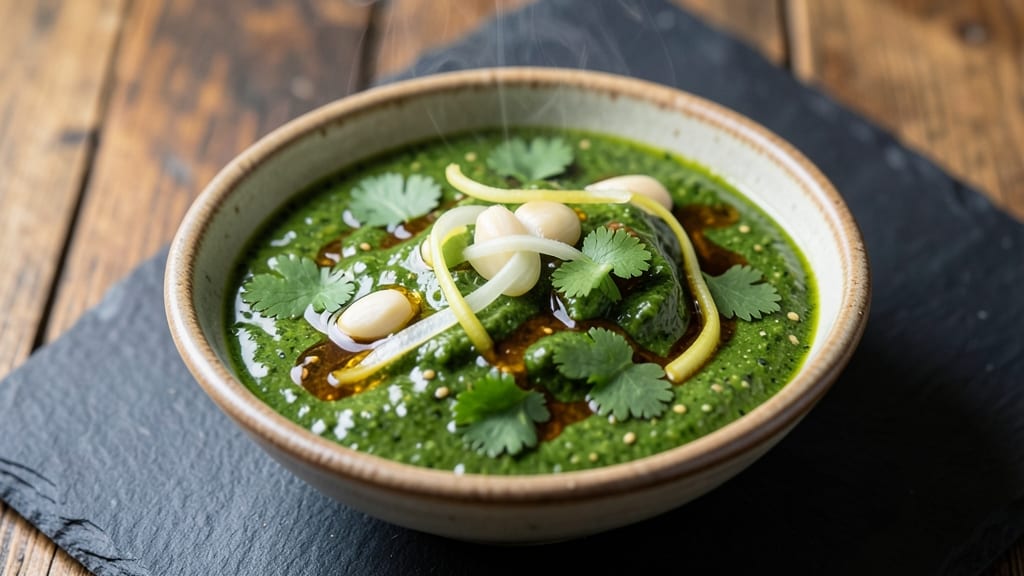
This Asian chimichurri sauce recipe transforms traditional chimichurri into a vibrant, umami-rich condiment perfect for stir-fries and grilled dishes. The fusion of fresh herbs, garlic, sesame oil, and ginger creates a bold, aromatic sauce that elevates any protein or vegetable with its bright, zesty flavor profile.
Unlike its South American counterpart, this version incorporates soy sauce and chili flakes for a deeper, more complex taste that pairs beautifully with Asian-inspired dishes.
The sauce comes together in just 10 minutes with simple ingredients you likely already have on hand—cilantro, garlic, green onions, soy sauce, rice vinegar, and a touch of honey for balance.
The key to its success lies in finely chopping the herbs and garlic to ensure a smooth, cohesive texture that clings perfectly to noodles, meats, or roasted vegetables. It’s versatile enough to use as a marinade, dipping sauce, or finishing touch, making it a must-have in your culinary arsenal.
What sets this sauce apart is its ability to bridge two culinary worlds—herby, garlicky chimichurri meets the savory depth of Asian flavors. The sesame oil adds a nutty richness, while the ginger introduces a subtle warmth that complements the garlic’s sharpness.
When drizzled over sizzling stir-fries, grilled shrimp, or even cold noodles, it transforms a simple dish into something extraordinary with minimal effort.
Store the sauce in an airtight container in the refrigerator for up to 5 days, or freeze it for longer storage. For best results, let it sit at room temperature for 10 minutes before using, allowing the flavors to meld and intensify.
This sauce is your secret weapon for adding a restaurant-quality zing to everyday meals—without the fuss.
Ingredients for asian chimichurri sauce
Nine ingredients blend into a vibrant sauce that bridges Asian flavors with herby chimichurri essence.
| Ingredient | Amount | Notes |
|---|---|---|
| Fresh Cilantro Leaves 🌿 | 1 cup | Stems removed, finely chopped |
| Garlic Cloves 🧄 | 6 cloves | Peeled, minced to paste |
| Green Onions 🧅 | ½ cup | White and green parts, thinly sliced |
| Sesame Oil 🫒 | 2 tbsp | Toasted for nutty aroma |
| Fresh Ginger 🌿 | 1 tbsp | Finely grated, peeled |
| Light Soy Sauce 🥢 | 2 tbsp | Low-sodium preferred |
| Rice Vinegar 🍶 | 2 tbsp | Seasoned preferred |
| Honey 🍯 | 1 tbsp | Wildflower preferred |
| Red Chili Flakes 🌶️ | 1 tsp | Adjust for heat preference |
| Toasted Sesame Seeds 🥜 | 1 tsp | For garnish and texture |
The cilantro and garlic form the aromatic base—freshly harvested cilantro from the market has superior flavor, but store-bought works if leaves are bright green. Garlic cloves should be firm and free of sprouts; the more you mince, the smoother the sauce. For sesame oil, Kadoya brand delivers the deepest toasted flavor, though any high-quality sesame oil suffices. Ginger should be freshly grated for zesty brightness, not pre-minced from jars. The soy sauce and rice vinegar should be Asian pantry staples—look for brands like Kikkoman or Diamond Crystal for consistent quality.
No sesame oil? Avocado oil or neutral oil works in a pinch, though flavor will differ. Substitute maple syrup for honey if needed, though honey adds subtle floral notes. Dried chili flakes can replace fresh, but reduce to half the amount for milder heat. The green onions can be swapped for scallions or shallots if unavailable. For an extra umami kick, add 1 tsp fish sauce (ensure vegan if needed). When combining ingredients, pulse in a food processor for even texture or finely chop by hand—both methods yield excellent results.
Store the sauce in an airtight glass jar in the refrigerator for up to 5 days, covered with a thin layer of oil to preserve freshness. For longer storage, freeze in ice cube trays—thaw and whisk before use. The sauce thickens when chilled, so stir before serving. Garnish with toasted sesame seeds just before using to maintain crispness. This sauce enhances stir-fries, grilled proteins, and noodles, transforming simple dishes into restaurant-quality meals.
Why You'll Love This Recipe
- No Pulse Required: I swear by this sauce because it’s the rare recipe where you don’t need a food processor. Just chop—cilantro, garlic, ginger—with a knife and your palms. The texture comes from smashing it all together, not blending. (Yes, even my 10-year-old can help.)
- Umami Bomb: That sesame oil and ginger? It’s the secret weapon. The garlic and green onions add a sharp bite, but the ginger rounds it out—like a bright, zesty hug for whatever you’re drizzling it on. Honestly, I’ve ruined good meals before, but this sauce fixes them every time.
- Weeknight Magic: Drizzle it on grilled fish, toss it with noodles, or slather it on rice bowls—it’s the one sauce that makes everything feel special without extra effort. I keep a jar in the fridge for lazy nights when I don’t want to cook, just flavor.
- Lasts Like a Champ: Unlike fresh herbs that wilt in days, this sauce stays vibrant for up to a week in the fridge. The sesame oil preserves the freshness, and the ginger keeps it from turning bitter. Between us, I’ve used the same batch for three different meals—no waste, all flavor.
Step-by-step instructions for Asian chimichurri sauce
This vibrant sauce balances fresh herbs with umami depth—perfect for elevating stir-fries and grilled proteins.
Pulse Herbs and Aromatics to a Paste
In a food processor, combine the 1 cup fresh cilantro leaves, 6 cloves garlic cloves, 0.5 cup green onions, and 1 tablespoon fresh ginger. Pulse until finely chopped but not completely smooth—you want a textured paste with visible herb flecks. This ensures maximum flavor infusion without losing the sauce's bright character.
Scrape down the sides as needed to prevent clumping. The mixture should resemble coarse pesto but retain distinct herb pieces. Avoid over-processing, which can turn the sauce bitter. For best results, use a high-quality food processor that maintains sharp edges on the garlic and ginger.
Incorporate Wet Ingredients Gradually
With the processor running, slowly drizzle in the 2 tablespoons toasted sesame oil through the feed tube. This prevents the oil from splattering and allows it to emulsify smoothly with the herb mixture. Add the 2 tablespoons light soy sauce and 2 tablespoons rice vinegar next, pulsing just until fully combined.
The sauce should begin to take on a glossy, cohesive texture. If it appears too thick, add 1 teaspoon water at a time until it reaches a pourable consistency. The ideal sauce should coat the back of a spoon but still cling to proteins. Taste at this stage—balance the acidity from the vinegar with the umami of the soy sauce.
Sweeten and Season for Depth
Transfer the mixture to a bowl and stir in the 1 tablespoon honey and 1 teaspoon red chili flakes. The honey rounds out the sauce's sharpness while the chili flakes add subtle heat. Mix thoroughly to distribute the heat evenly. For extra brightness, add a pinch of salt if needed—this sauce should taste vibrant, not flat.
Let the sauce rest for 10 minutes at room temperature. This allows the flavors to meld and the texture to stabilize. The resting period also ensures the chili flakes disperse completely, preventing uneven heat distribution when drizzled over dishes. The sauce should now have a vibrant green hue with golden flecks from the sesame oil.
Finish with Toasted Sesame Seeds
Just before serving, stir in the 1 teaspoon toasted sesame seeds. These add a nutty crunch that contrasts beautifully with the sauce's smooth texture. The seeds should be evenly distributed but still visible, adding both visual appeal and texture. For maximum freshness, prepare the sauce no more than 2 hours before serving—it's best enjoyed when the herbs are at their peak.
This sauce pairs exceptionally well with grilled meats, shrimp stir-fries, or even as a drizzle over cold noodles. The balance of sweet, tangy, and umami notes makes it versatile enough for both bold and delicate dishes. Store any leftovers in an airtight container in the refrigerator for up to 5 days, though the texture may soften slightly over time.
Pro Tips For Making Asian Chimichurri Sauce
- PULSE THE GARLIC: I learned this the hard way—smashing garlic cloves flat with the side of your knife before mincing makes a real difference in this sauce. The texture breaks down faster and releases more flavor when blended, so you don’t end up with chunks that fight for space.
- SHOCK THE GINGER: Use ice-cold water to rinse fresh ginger before grating. It numbs the burn just enough to handle the sharpness, and the cold water keeps the zest bright. Skip this, and you’ll be coughing through the whole process—trust me.
- BLEND IN BATCHES: If your blender’s motor whines at garlic-heavy loads, split the ingredients. Pulse half the cilantro, garlic, and ginger first, then add the green onions and sesame oil. This keeps the motor happy and ensures a smoother sauce without burning out your machine.
- STORE IT DRY: After blending, press the sauce through a fine-mesh sieve to remove any lingering fiber. Then, spoon it into a clean, dry jar—moisture speeds up spoilage. A dry surface also lets the sesame oil’s aroma shine through when you open it later.
Flavor customization for this recipe
Spicy Heat Boost
For an extra kick, increase the red chili flakes to 2 teaspoons and add ½ teaspoon of gochujang (Korean fermented chili paste) for deeper, smoky heat. This fusion adds umami complexity that pairs perfectly with grilled pork or spicy ramen.
I’ve found that 1 teaspoon of sriracha also works if you don’t have gochujang, though it’s less nuanced. 🌶️
Sweet and Tangy Twist
Swap the honey for 1 tablespoon of mirin and add 1 teaspoon of rice vinegar to intensify the tang. This version shines over cold soba noodles or steamed dumplings, balancing the sauce’s herby notes with a bright, almost citrusy finish.
For extra depth, stir in ½ teaspoon of fish sauce after resting the sauce. Trust me, this tweak makes it irresistible.
Creamy Sesame Version
Blend in 2 tablespoons of tahini or 1 tablespoon of peanut butter for a rich, velvety texture. This works beautifully with grilled chicken or tofu, adding a nutty contrast to the herbaceous base.
To keep it smooth, pulse the tahini with the wet ingredients first, then add the herb mixture. A dash of lemon zest brightens the flavor profile further. 🥜
Herb Variations
Swap cilantro for basil or Thai basil for a sweeter, more aromatic sauce that pairs well with shrimp or summer rolls. If you prefer a stronger flavor, use ½ cup cilantro and ½ cup mint—the mint’s coolness balances the garlic’s sharpness.
For a tropical twist, add 1 tablespoon of lime zest and 1 teaspoon of grated lime peel to the final mixture.
Umami Depth
Boost the umami with 1 teaspoon of miso paste or ½ teaspoon of oyster sauce. These additions elevate the sauce’s complexity, making it ideal for beef stir-fries or braised dishes.
Stir in the miso or oyster sauce with the wet ingredients, then pulse until fully incorporated. The result? A sauce that lingers on your palate long after the first bite. 💫
Nutrition facts
Frequently asked questions
Can I make this sauce without sesame oil?
Yes, you can substitute sesame oil with avocado oil or neutral oil like vegetable oil, though the flavor will differ slightly. For a closer match, use 1 tablespoon of toasted peanut oil—it adds a subtle nuttiness that complements the herbs. Just note that the aroma won't be as toasty as with sesame oil.
How long does this sauce keep fresh?
Store the sauce in an airtight glass jar in the refrigerator for up to 5 days. For longer storage, freeze it in ice cube trays—thaw and whisk before using. To preserve freshness, cover the surface with a thin layer of oil before sealing. The texture may thicken when chilled, so stir well before serving.
What's the best way to use this sauce?
This sauce shines as a drizzle over stir-fries, a marinade for grilled meats, or a dipping sauce for spring rolls. It also elevates simple dishes like steamed rice or noodles—just toss it in right before serving. For extra flavor, let the sauce sit with the protein for 15-20 minutes before cooking.
Why does my sauce look watery?
If your sauce is too thin, it likely needs more time to rest or additional herbs. Pulse the mixture again in a food processor to break down the herbs further, or add 1 teaspoon of cornstarch mixed with water to thicken it. For a smoother texture, blend in 1 tablespoon of tahini—it adds body without altering the flavor significantly.
Can I use dried herbs instead of fresh?
Fresh herbs are ideal for this recipe, as they provide the brightest flavor. However, if you must use dried herbs, reduce the amount by ⅓ (e.g., ⅓ cup dried cilantro instead of 1 cup fresh). Dried herbs lack the moisture and vibrancy of fresh ones, so the sauce may taste more muted. For best results, stick with fresh cilantro, ginger, and green onions.