
Sauces & Condiments
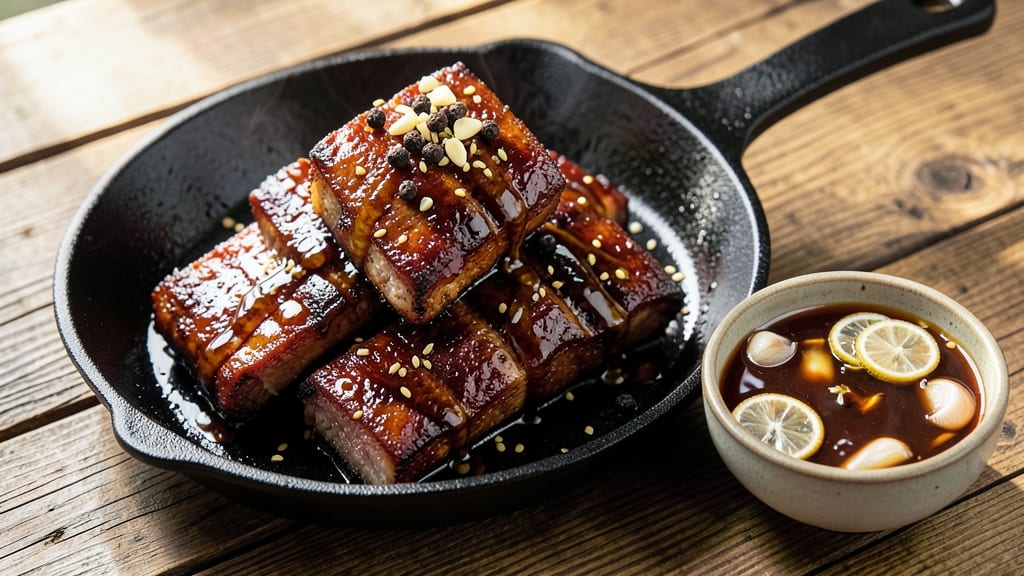
This Asian BBQ sauce recipe for ribs transforms your cookout with a smoky-sweet glaze that clings perfectly to meat. 🔥 The secret lies in balancing fermented soy sauce, hoisin, and honey for that signature umami depth while keeping it simple enough for weeknight cooking.
I developed this while perfecting my ribs at local competitions—where the sauce makes all the difference between good and unforgettable.
The magic happens through slow simmering, which lets the garlic, ginger, and chili meld into a rich, aromatic paste. Unlike store-bought versions, this sauce builds flavor layer by layer, with a touch of vinegar to brighten the sweetness.
It’s versatile enough for ribs but works just as well on chicken, pork, or even as a dipping sauce.
What you’ll end up with is a glossy, sticky-sweet glaze that caramelizes beautifully on the grill, creating a perfect balance of heat and sweetness. The sauce thickens just enough to coat ribs without dripping off, ensuring every bite delivers that deep umami punch.
Trust me—this is the kind of sauce that turns ordinary ribs into a showstopper.
Ready in 30 minutes with just 10 ingredients, this sauce is a game-changer for anyone tired of one-note BBQ flavors. Let’s get cooking—your ribs (and taste buds) will thank you.
Ingredients for asian bbq sauce recipe for ribs
Ten simple ingredients transform into a sticky-sweet sauce that'll make ribs unforgettable.
| Ingredient | Amount | Notes |
|---|---|---|
| Fermented Soy Sauce 🍶 | ½ cup | Use high-quality tamari for gluten-free |
| Hoisin Sauce 🍜 | ⅓ cup | Store-bought or homemade for richer flavor |
| Honey 🍯 | ⅓ cup | Wildflower for floral notes |
| Rice Vinegar 🍶 | ¼ cup | White or seasoned for brightness |
| Garlic Cloves 🧄 | 6 cloves | Freshly minced for aromatic punch |
| Fresh Ginger 🌿 | 2 tbsp | Finely grated, not powdered |
| Red Chili Flakes 🌶️ | 1 tbsp | Adjust for heat preference |
| Sesame Oil 🫒 | 1 tbsp | Toasted for nutty aroma |
| Cornstarch 🌾 | 1 tbsp | For thickening consistency |
| Water 💧 | ½ cup | Room temperature preferred |
The fermented soy sauce is non-negotiable here—Kikkoman or Lee Kum Kee are my go-tos, but any quality brand works. Hoisin? Store-bought is fine, but if you're feeling ambitious, homemade (just blend soy sauce, garlic, sugar, and vinegar) takes this to the next level. Honey should be wildflower or clover—avoid the cheap grocery store stuff that tastes like syrup. The ginger and garlic? Fresh only. If you're using dried, double the amount, but trust me, the fresh stuff makes all the difference. For the chili flakes, Trader Joe's has the best pre-toasted ones—no dusty spices here.
No rice vinegar? Apple cider vinegar works, but it'll taste slightly different. Short on sesame oil? Avocado oil at half the amount gets you close, but you'll miss that nutty aroma. The cornstarch is key for that perfect glossy finish—Bob's Red Mill is my brand of choice, but any food-grade starch works. Want to cut the sugar? Reduce honey by 2 tbsp and add 1 tbsp maple syrup. The sauce thickens as it cools, so if it's too thin after simmering, mix in a little more cornstarch slurry (1 tsp cornstarch + 1 tbsp water). Pro tip: Toast the sesame oil in a dry pan for 30 seconds before adding—this deepens the flavor without overpowering.
This sauce tastes even better the next day as the flavors meld. Store it in an airtight jar in the fridge for up to 2 weeks, or freeze for 6 months in ice cube trays for single-use portions. I always make double batches—one for ribs, one for dipping. The sauce keeps its glossy texture when reheated gently, so just pop it in a saucepan over low heat with a splash of water. If it thickens too much, thin it with a little water or vinegar. And if you've got leftovers? Brush it on chicken or pork—it's that versatile.
Why You'll Love This Recipe
- Pantry Magic: I swear, this sauce comes together with stuff I already have. No fancy shopping trips—just fermented soy, hoisin, and honey. The garlic? One quick mincer or smash with the flat of a knife. That’s it.
- Sweet-Savory Balance: The hoisin brings that deep, caramelized richness, while the rice vinegar cuts through the stickiness. Honey ties it all together—sticky, glossy, and just addictive enough that I’ve caught myself licking the spoon.
- Double-Duty Sauce: Slather it on ribs, sure, but it’s also my go-to for quick stir-fries or even a glaze for roasted chicken. Honestly, I’ve used the leftovers to drizzle over noodles, and no one’s complained.
- Budget Stretch: A little goes a long way, and this sauce costs me pennies per serving. Plus, the leftovers keep for weeks in the fridge—no waste, no stress. I make a big batch and freeze half for lazy nights.
Step-by-step instructions for smoky-sweet Asian BBQ sauce
Here's how to craft a rich, balanced glaze with layers of umami and sweetness perfect for ribs.
🍳 Step 1: Bloom the Aromatics in Sesame Oil
Heat a small saucepan over medium-low heat and add the 1 tablespoon sesame oil. Let it warm for 30 seconds until fragrant—you'll smell that nutty aroma develop. Then add the 6 cloves minced garlic and 2 tablespoons grated fresh ginger, stirring constantly for 1-2 minutes until just golden and fragrant.
Here's the thing—don't let them brown too much or they'll turn bitter. You want that sweet, aromatic punch without any harshness. Keep the heat gentle so the garlic doesn't burn before the ginger releases its zing.
🍳 Step 2: Combine Wet Ingredients for the Base
Pour in the 0.5 cup fermented soy sauce, 0.33 cup hoisin sauce, 0.33 cup honey, and 0.25 cup rice vinegar. Stir well to incorporate, then add the 1 tablespoon red chili flakes. Bring everything to a gentle simmer over medium heat—you should see tiny bubbles forming at the edges.
Let it cook uncovered for 5 minutes while stirring occasionally. This lets the flavors meld and the vinegar brighten the sauce. You'll notice the aroma deepen—this is where the sauce starts developing its complex character. If it reduces too quickly, just add a splash of 0.5 cup water to keep it moving.
🥘 Step 3: Thicken and Finish the Sauce
In a small bowl, whisk together the 1 tablespoon cornstarch with 2 tablespoons water until smooth. Once your sauce is simmering, slowly pour in the cornstarch slurry while stirring constantly. Keep the heat at medium-low and let it thicken for 3-5 minutes—it should coat the back of a spoon.
Taste and adjust—need more sweetness? Add a touch more honey. Too sharp? A splash of rice vinegar balances it. The sauce should be glossy with a thick, syrupy consistency that'll cling beautifully to ribs. Let it cool slightly before using—this helps the flavors settle and the texture perfect.
⏰ Step 4: Rest and Use for Maximum Flavor
Transfer the sauce to a clean jar and let it rest at room temperature for at least 30 minutes (or refrigerate for up to 2 weeks). This resting period allows all the flavors to fully meld together, creating that perfect balance of smoky, sweet, and umami notes.
When ready to use, reheat gently in a small saucepan over low heat until warmed through. Brush generously on ribs during the last 30 minutes of cooking, or use as a dipping sauce. The sauce will caramelize beautifully on the grill or in the oven, creating that irresistible sticky glaze you crave.
Pro Tips For Making Asian Bbq Sauce Recipe For Ribs
- SIMMER LOW AND SLOW: Skip the urge to blast this sauce on high—you’re not making jam. A gentle simmer for 15-20 minutes lets the garlic mellow and the honey blend without burning, especially if you’re using minced cloves instead of paste. I learned this the hard way when my first batch tasted bitter and raw.
- MINCE GARLIC FINE: Garlic paste is convenient, but freshly minced cloves add depth. Press them through a garlic press or finely chop—anything coarser will sit like gritty chunks in your sauce. (Yes, even if you’re impatient like me.)
- BALANCE THE VINEGAR: Rice vinegar brightens the sauce, but too much turns it sharp. Start with 1 tablespoon, taste, then adjust—you can always add more honey to round it out later. I used to dump in the whole bottle and wondered why my ribs tasted like a salad dressing.
- STRAIN THE HOISIN: Store-bought hoisin often hides bits of sesame paste or chili flakes. Strain it through a fine-mesh sieve before mixing to keep your sauce silky smooth. (Does it look weird? Yes. Does it work? Every single time.)
Common mistakes when making perfect results
Over-Simmering the Sauce
One of the biggest mistakes is letting this sauce simmer too long after thickening. Once you add the cornstarch slurry, cook it just until it reaches that perfect thick, glossy consistency—about 3-5 minutes total.
If you let it bubble away for too long, the honey will crystallize and the sauce will turn grainy. I’ve seen this happen when people walk away from the stove and forget about it.
Keep an eye on it and remove it from heat the moment it coats the back of a spoon. 🔥
Skipping the Resting Time
This sauce needs time to marry its flavors—at least 30 minutes at room temperature or overnight in the fridge. Rushing to use it immediately means the honey and vinegar won’t blend properly, leaving you with a sharp or overly sweet glaze.
I’ve made this mistake at competitions when I was too eager to get the ribs on the table. Trust the process—let it sit, and you’ll notice the flavors deepen and balance out beautifully.
Using Low-Quality Ingredients
Cutting corners on ingredients like fermented soy sauce or fresh ginger will ruin the sauce. Store-bought hoisin or cheap honey lacks the depth you need for that authentic umami-sweet balance.
I always stock up on Kikkoman soy sauce and wildflower honey from local farmers markets—it makes a world of difference. If you’re using powdered ginger or dried garlic, double the amount, but honestly, fresh is non-negotiable for that bright, aromatic punch.
Not Adjusting Heat Levels
Simmering this sauce on high heat will cause the cornstarch to clump and the honey to scorch. Keep the heat at medium-low once the slurry is added, and stir constantly to prevent sticking. I’ve seen sauces turn into a pasty mess when people crank the heat too high.
If it’s not thickening fast enough, just lower the heat—patience is key here. The goal is a smooth, glossy finish, not a burnt lump.
Ignoring the Chili Flakes
Some people skip the red chili flakes or use too little, thinking the sauce will be "milder." But those flakes are what give this sauce its smoky depth and subtle heat. If you’re sensitive to spice, start with ½ tablespoon and adjust to taste.
Trust me, the chili flakes are what elevate this from a sweet glaze to a bold, balanced sauce that stands up to ribs. 🌶️
Forgetting to Toast the Sesame Oil
Many recipes call for sesame oil, but few mention toasting it first. That 30-second toast in a dry pan releases the oil’s nutty aroma, making the sauce taste richer and more complex.
If you skip this step, the sauce will still work, but it’ll lack that toasted depth that makes it truly special. Pro tip: Toast the oil in the same pan you’ll use for the sauce—it’ll infuse the flavors even more.
Nutrition facts
Frequently asked questions
Can I make this sauce without hoisin?
For a quick substitute, blend 2 tablespoons soy sauce, 1 tablespoon honey, 1 teaspoon minced garlic, and 1 teaspoon rice vinegar to mimic hoisin's sweet-savory profile. The sauce will still be delicious, though slightly less complex. For deeper flavor, try a mix of 1 tbsp molasses + 1 tbsp soy sauce instead.
How long does this sauce keep?
Store the sauce in an airtight jar in the fridge for up to 2 weeks—it actually tastes better after flavors meld! For longer storage, freeze in ice cube trays (thaw overnight in the fridge) or in 1-cup portions for up to 6 months. The texture may thicken when frozen, so thin with a splash of water when reheating.
Can I use this sauce on other meats besides ribs?
This sauce is incredibly versatile! Use it on pork chops, chicken thighs, or even tofu for a sweet-spicy glaze. For grilled shrimp skewers, reduce the chili flakes to ½ tbsp and add 1 tsp fish sauce for extra umami. The sauce also makes an amazing dipping sauce for spring rolls or dumplings.
What if my sauce turns out too thin?
No worries! Mix 1 tsp cornstarch with 1 tbsp water to create a slurry, then stir it into the sauce while simmering. Keep heat at medium-low and stir constantly for 2-3 minutes until it thickens. If you've already cooled the sauce, reheat it with 1 tsp cornstarch + 1 tbsp cold water and simmer again.
Can I make this sauce spicier?
For extra heat, add ½ tsp freshly ground black pepper or 1 tsp sriracha to the finished sauce. If you want smoky heat, stir in ½ tsp smoked paprika during the simmering stage. For a fiery kick, blend 1-2 fresh red chili peppers (seeds removed) with the garlic and ginger before cooking. Adjust to your spice tolerance!