
Sauces & Condiments
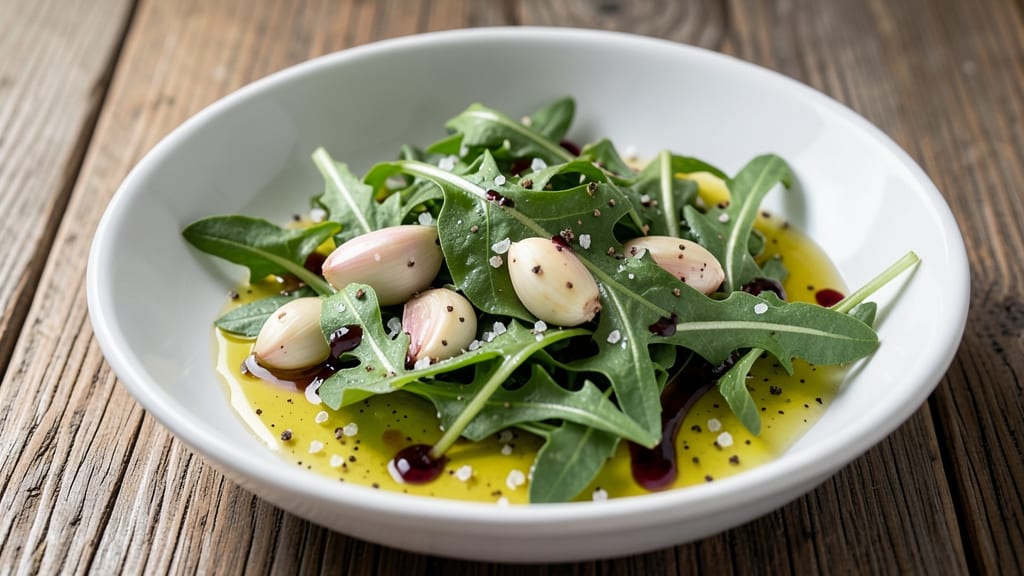
This arugula chimichurri sauce recipe transforms grilled meats into a vibrant, herb-packed masterpiece with its bright green color and bold, peppery flavor. 🌿 The secret lies in blending fresh arugula with garlic, olive oil, and red wine vinegar—creating a sauce that’s fresher and more intense than traditional parsley-based chimichurri.
Perfect for drizzling over steaks, grilled vegetables, or even fish, this sauce elevates every bite with its tangy, herby zing.
The beauty of this recipe is its simplicity—just a handful of ingredients, no cooking required. Arugula replaces parsley, adding a slightly bitter, peppery kick that pairs beautifully with grilled foods. The sauce comes together in minutes, but the flavors deepen as it sits, making it ideal for meal prep.
Store it in the fridge for up to a week, though you’ll likely use it up faster than that.
What sets this sauce apart is its versatility. Use it as a marinade for meats, a dressing for salads, or a topping for grilled shrimp. The vibrant green color makes it as visually appealing as it is delicious, turning any dish into a showstopper.
Whether you're hosting a barbecue or whipping up a weeknight dinner, this chimichurri sauce will be your new go-to for adding fresh, herby flavor.
The key to success? Fresh ingredients and a good balance of acidity and oil. Don’t skip the garlic—it’s the backbone of the flavor. Once you try this arugula chimichurri, you’ll never go back to the traditional version. Let’s get started!
Ingredients for arugula chimichurri sauce
Just nine ingredients for this vibrant, herb-packed sauce that brings bold flavor to grilled dishes.
| Ingredient | Amount | Notes |
|---|---|---|
| Fresh Arugula Leaves 🌿 | 2 cups | Packed, stems removed |
| Garlic Cloves 🧄 | 6 cloves | Peeled, roughly chopped |
| Red Wine Vinegar 🍷 | ½ cup | High-quality, dry |
| Extra-Virgin Olive Oil 🫒 | ¾ cup | Fruity, peppery variety |
| Kosher Salt 🧂 | 1 tsp | Diamond Crystal preferred |
| Ground Black Pepper 🌶️ | ½ tsp | Freshly cracked preferred |
| Red Pepper Flakes 🌶️ | ½ tsp | Adjust for heat preference |
| Fresh Lemon Juice 🍋 | 1 tbsp | Freshly squeezed |
| Fresh Parsley Leaves 🌿 | ¼ cup | Optional for extra freshness |
The arugula is the star here—look for bright green, crisp leaves at the grocery store. Whole Foods or Trader Joe's usually have the freshest, but your local market works too. If the stems are woody, just remove them. The garlic should be fresh and firm—no sprouts or soft spots. For the olive oil, California olive oils like Corto or Lucini have that perfect peppery kick. Red wine vinegar? Bertolli or Balsamic Vinegars are reliable. Skip the cheap stuff—it makes a difference in the final flavor.
No arugula? Baby spinach or Swiss chard works in a pinch, but the peppery bite is what makes this sauce special. Short on garlic? Garlic powder at half the amount gets you close, but fresh is non-negotiable for real flavor. The parsley is optional but adds a nice freshness—dried parsley at one-third the amount works if you're in a bind. For extra heat, add more red pepper flakes, but start with less if you're sensitive to spice. The lemon juice can be swapped for white wine vinegar if that's what you have, but the acidity level will be slightly different.
This sauce keeps beautifully—up to 1 week in the fridge. Store it in a glass jar with a tight seal, and give it a good shake before each use. The flavors actually improve as it sits, so make a big batch. If you want to prep ahead, freeze portions in ice cube trays—just thaw and shake before using. It’s perfect for meal prep, so make extra for future grilled meals. The sauce thickens slightly when chilled, so thin with a splash of water or olive oil if needed.
Why You'll Love This Recipe
- No Pulse Required: The arugula just gets a quick chop—no food processor, no blender drama. I toss in the garlic, vinegar, and oil, then let it sit while I grill steaks. Ten minutes of hands-off magic.
- Herb Bomb Brightness: That peppery arugula cuts through rich meats like a knife. The garlic sizzles, the vinegar snaps, and the olive oil ties it all together—bright, bold, and impossible to ignore.
- Weeknight Superstar: Drizzle it on grilled chicken, toss it with pasta, or slather it on avocado toast. It’s my go-to when I’m too tired to think but still want flavor that wows. (Yes, even on a Tuesday night.)
- Pantry Goldmine: I make a big batch—it keeps for days in the fridge. A little goes a long way, and the ingredients? Cheap. Garlic, vinegar, oil—stuff I already have. Zero waste, maximum flavor.
Step-by-step instructions for arugula chimichurri sauce
This vibrant, herb-packed sauce comes together in minutes—no cooking required.
👨🍳 Step 1: Prep All Ingredients
Start by washing the 2 cups fresh arugula leaves thoroughly and patting them completely dry with paper towels. I like to remove any thick stems at this stage—they can make the sauce bitter. In a small bowl, combine the 6 peeled garlic cloves (roughly chopped) with the 0.25 cup fresh parsley leaves (if using). This prep work ensures everything blends smoothly later.
Next, measure out the 0.5 cup red wine vinegar and 1 tbsp fresh lemon juice in a separate small bowl. The acidity from these ingredients will brighten the flavors and help emulsify the sauce. Keep the 0.75 cup extra-virgin olive oil ready in a measuring cup—this fruity, peppery variety is key for that authentic chimichurri taste.
🥘 Step 2: Pulse the Herbs and Aromatics
In a food processor, add the prepared arugula, garlic, and parsley mixture. Pulse 4-5 times until you achieve a finely chopped but not pureed texture. You want visible herb bits—this gives chimichurri its signature rustic look and texture. If you don't have a food processor, use a sharp chef's knife and chop everything by hand until finely minced.
Transfer the chopped herb mixture to a medium bowl. The reason we don't make it too smooth is that texture is what makes this sauce special. Too fine, and it loses its charm—plus, you'll miss out on those bursts of fresh herb flavor in every bite.
🍳 Step 3: Combine Wet Ingredients
Add the 0.5 cup red wine vinegar and 1 tbsp fresh lemon juice to the chopped herbs. Stir well to distribute the acid evenly. Then, sprinkle in the 1 tsp kosher salt, 0.5 tsp ground black pepper, and 0.5 tsp red pepper flakes. Taste the mixture—it should be tangy, slightly spicy, and herbaceous. This is your flavor base before adding the oil.
Here's where it gets fun: slowly drizzle in the 0.75 cup extra-virgin olive oil while stirring constantly with a whisk or fork. The sauce will start to emulsify as you go, creating a vibrant green, almost mayonnaise-like consistency. If it looks too thick, add 1-2 teaspoons of water to loosen it—just enough to reach a pourable consistency.
⏰ Step 4: Rest and Adjust
Let the chimichurri sauce sit at room temperature for 10-15 minutes. This resting time allows the flavors to meld together perfectly. After resting, give it one final taste and adjust seasoning if needed. Need more acid? Add a splash of lemon juice. Want more heat? Sprinkle in a pinch of red pepper flakes. The sauce should be bright, herby, and just spicy enough to complement grilled meats.
This sauce keeps beautifully in the refrigerator for up to 5 days stored in an airtight container. Before serving, give it a good stir—it might thicken slightly when chilled. If it's too thick after refrigeration, thin it with a little water or extra olive oil until it reaches your desired consistency. The beauty of this sauce is its versatility—it's perfect for drizzling over grilled steaks, chicken, or even fish.
Pro Tips For Making Arugula Chimichurri Sauce
- PULSE THE GARLIC: Use a mortar and pestle or small food processor—just 10-15 seconds—to crush the garlic cloves before adding them to the arugula. This releases more flavor without turning bitter, and you skip the hassle of peeling each clove. (I used to chop it raw, and it always tasted sharp and underwhelming.)
- SALT THE ARUGULA FIRST: Toss the arugula with a pinch of kosher salt before adding vinegar or oil. Let it sit for 30 seconds—this softens the leaves slightly and makes the sauce cling better. (Yes, it sounds odd, but the texture changes in a way that matters.)
- STOP WHEN IT’S GREEN: Arugula chimichurri should look like a vibrant, chunky salsa, not a muddy paste. Pulse the ingredients in short bursts—3-4 seconds at a time—until just combined. Over-processing turns it into a sad, watery mess. (I’ve learned this the hard way after making a batch that looked like pesto’s sad cousin.)
- SWAP VINEGAR FOR LEMON: If you’re short on red wine vinegar, use fresh lemon juice instead—it brightens the sauce and cuts through the garlic’s sharpness. Just reduce the amount by half (start with 1 tablespoon instead of 2) since it’s more acidic. (I keep a bottle of lemon juice in my fridge now for this exact reason.)
Regional styles of this dish
Argentinian Roots
The chimichurri we know today traces back to the pampas of Argentina, where gauchos (cowboys) created this sauce to preserve fresh herbs during long cattle drives.
Traditional versions used parsley, garlic, and vinegar, but modern twists like this arugula chimichurri keep the spirit alive while adding a peppery depth. The sauce was originally a dry, chunky paste—this version stays true to its heritage but with a brighter, more liquid consistency perfect for drizzling. 🌶️
Uruguayan Twist
In Uruguay, chimichurri often incorporates cilantro and oregano alongside parsley, giving it a slightly earthier profile. For a Uruguayan-inspired arugula version, swap 1 tbsp of the parsley for cilantro and add ½ tsp dried oregano.
The arugula’s bitterness pairs beautifully with cilantro’s citrusy notes, creating a complex flavor that works especially well with grilled lamb or fish. This variation is a favorite in Montevideo’s coastal restaurants.
Italian-Inspired Arugula
While chimichurri originates in South America, its herby, oily nature aligns perfectly with Italian sauces like pesto. For an Italian fusion, add ¼ cup toasted pine nuts or walnuts to the food processor with the arugula and garlic.
Replace the red wine vinegar with lemon juice only and reduce the olive oil to ½ cup. This lighter, nuttier version shines on grilled vegetables, bruschetta, or even as a pasta sauce. It’s the perfect bridge between two Mediterranean traditions.
Mexican Chimichurri
In Mexico, chimichurri-inspired sauces often include lime juice and chili for a brighter, spicier kick. For a Mexican-style arugula chimichurri, replace the red wine vinegar with lime juice and add 1 tbsp of minced jalapeño (seeds removed for mild heat).
Swap the black pepper for ground cumin (½ tsp) and finish with ½ tsp smoked paprika. This version pairs beautifully with grilled shrimp, fish tacos, or even as a salsa for nachos. The arugula’s peppery bite cuts through the richness of Mexican dishes beautifully.
Mediterranean Herb Blend
For a Greek-inspired twist, blend in 1 tbsp of fresh dill and 1 tbsp of fresh mint with the arugula. Replace the red wine vinegar with apple cider vinegar and add ½ tsp of dried oregano.
This lighter, more aromatic version works wonders as a dipping sauce for grilled halloumi, lamb kebabs, or even as a salad dressing. The arugula’s bitterness balances the sweetness of the herbs, creating a fresh, vibrant sauce that’s perfect for summer grilling. 🌿
Nutrition facts
Frequently asked questions
Can I use baby spinach instead of arugula?
Yes, but the flavor will be milder. Arugula's peppery bite is key to this sauce's character, but baby spinach works in a pinch. For best results, add ½ tsp extra red pepper flakes to compensate for the missing bitterness. The texture will be slightly softer, but it'll still pair well with grilled dishes.
How do I make this sauce spicier?
Start with 1 tsp red pepper flakes instead of ½ tsp for noticeable heat. For extra kick, add 1 tbsp minced fresh chili (like jalapeño or serrano) or a pinch of cayenne pepper. Remember, you can always add more later, but you can't remove excess spice once it's mixed in.
Can I make this sauce ahead of time?
This sauce actually tastes better after 24 hours as the flavors meld. Store it in an airtight container in the fridge for up to 1 week. The texture may thicken slightly when chilled—just thin with a splash of water or olive oil before using. It's perfect for meal prep!
What's the best way to use this sauce?
Drizzle over grilled meats, fish, or vegetables right before serving for maximum freshness. It also makes an excellent marinade (use within 2 hours of grilling) or salad dressing. Try it with roasted potatoes, grilled halloumi, or even as a dip for crusty bread. The vibrant green color makes it a stunning presentation too!
Why does my sauce look watery?
This can happen if you didn't pulse the herbs finely enough or used too much vinegar. Try adding 1 tbsp of olive oil at a time while whisking vigorously until it emulsifies. For a thicker consistency, let it sit for 30 minutes in the fridge—the flavors will intensify and the sauce will naturally thicken.