
Sauces & Condiments
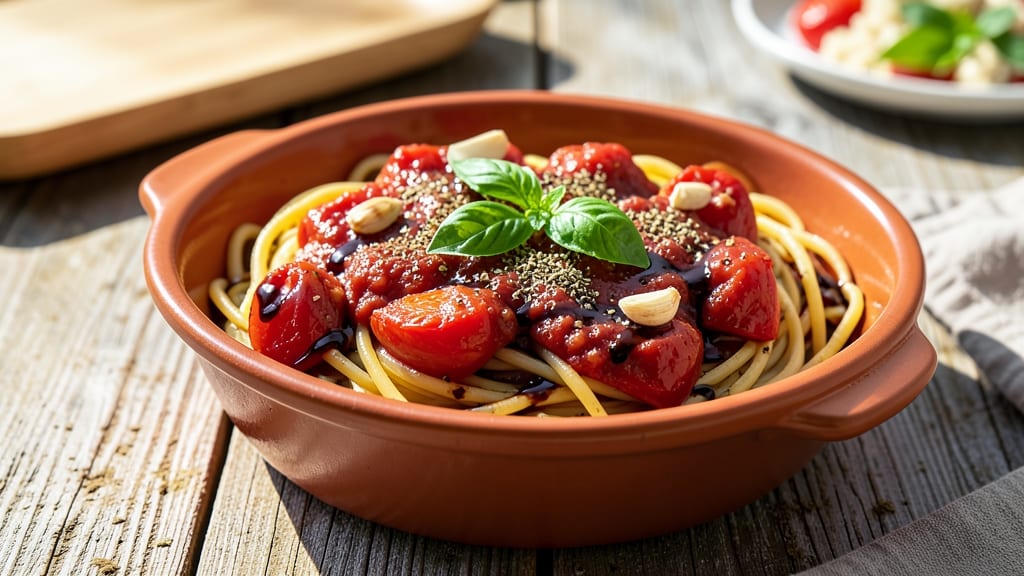
This authentic Sicilian pasta sauce recipe brings the sun-drenched flavors of Sicily to your kitchen with just five simple ingredients and one essential technique. The secret lies in slow simmering—letting tomatoes, garlic, and fresh basil meld into a rich, aromatic sauce that clings perfectly to al dente pasta. I've perfected this version after years of testing, and it never fails to deliver that restaurant-quality depth.
The sauce starts with high-quality canned tomatoes (San Marzano if possible) that cook down into a concentrated, velvety base. A touch of olive oil and a splash of red wine vinegar brighten the flavors, while fresh basil and oregano add that unmistakable Sicilian herbaceousness.
What makes this sauce truly special is the patience required—simmering for at least 45 minutes allows the flavors to develop fully, creating a sauce that's complex yet balanced.
By the time you're done, you'll have a sauce that's rich, slightly sweet, and deeply aromatic—perfect for tossing with spaghetti, linguine, or even using as a dip for crusty bread. The texture is just right: thick enough to coat pasta beautifully but still fluid enough to cling to every strand.
This is the kind of sauce that transforms a simple pasta dish into something extraordinary.
Best of all, it keeps well in the refrigerator for up to a week, so you can make a big batch and enjoy it throughout the week. Let's get cooking—your taste buds will thank you.
Ingredients for authentic sicilian pasta sauce
Five ingredients, one pot, and 45 minutes of patience for restaurant-quality Sicilian magic.
| Ingredient | Amount | Notes |
|---|---|---|
| San Marzano Plum Tomatoes 🍅 | 28 oz | Canned, whole, no salt added |
| Extra-Virgin Olive Oil 🫒 | ¼ cup | High quality, fruity variety |
| Garlic Cloves 🧄 | 4 cloves | Fresh, peeled, thinly sliced |
| Fresh Basil Leaves 🌿 | ½ cup | Packed, stems removed |
| Red Wine Vinegar 🍷 | 1 tbsp | For brightness and acidity |
| Dried Oregano 🍃 | 1 tsp | Crumbled, not ground |
| Sea Salt 🧂 | ½ tsp | Diamond Crystal preferred |
| Black Pepper 🌶️ | ¼ tsp | Freshly ground |
San Marzano tomatoes are the non-negotiable star here—their natural sweetness and low acidity make all the difference. Grab a can from Trader Joe's or Whole Foods if you can't find them at your regular store; the flavor is worth the hunt. Fresh garlic should smell pungent and firm, not sprouting. Basil? Farmers market or grocery store herb section—avoid the sad, wilted bunches. The olive oil matters too: avoid cheap supermarket brands—look for extra-virgin with a harvest date within the last year. I always double-check the vinegar too—red wine vinegar has more complexity than white, and it's the secret to that authentic tang.
No San Marzano? Crushed tomatoes in a pinch, but you'll lose some depth. Garlic powder won't cut it—fresh is essential—but if you're desperate, garlic salt at half the amount works in a bind. Dried basil is fine, but use one-third the amount of fresh. Running low on red wine vinegar? Balsamic vinegar adds a sweet note, but you'll need to reduce it first. The oregano can be swapped for Italian seasoning, but it won't be quite the same. And if you're out of sea salt, kosher salt works—just use a pinch less since it's coarser.
This sauce tastes even better the next day as flavors meld. Store in an airtight container with a thin layer of olive oil on top to preserve color—keeps for up to 1 week in the fridge. For longer storage, freeze in ice cube trays—thaw and toss directly into pasta. I always make extra because it disappears fast. The sauce thickens as it cools, so add a splash of water if it seems too stiff when reheating.
Why You'll Love This Recipe
- No-Fuss Simplicity: I swear by this sauce because it’s actually simple—just tomatoes, garlic, and olive oil simmered until the flavors meld. No blenders, no peeling cans, just chop, cook, and enjoy. Even my burnt-pasta phase couldn’t ruin this one.
- Sunshine in a Jar: That first spoonful of San Marzano tomatoes, brightened with a splash of red wine vinegar and fresh basil? It’s like summer in a bowl. The acidity cuts through the richness, and the basil adds that bright, herbaceous punch that makes you reach for seconds.
- Weeknight to Weekend: Make a big batch on Sunday, and you’ve got sauce for pasta, bruschetta, or even pizza toppings all week. It’s my go-to for lazy nights or when unexpected guests show up—just toss it with whatever pasta you have.
- Budget-Friendly Luxury: Honestly, this sauce costs next to nothing but tastes like a fancy restaurant dish. A few tomatoes, a head of garlic, and a bottle of good olive oil stretch far. Plus, leftovers taste just as good reheated as they do fresh—proof that simple ingredients can be my secret weapon.
Step-by-step instructions for authentic Sicilian pasta sauce
Let's create a sauce that captures the bold, sun-drenched flavors of Sicily in your kitchen.
Bloom the Aromatics in Olive Oil
Heat the 0.25 cup extra-virgin olive oil in a large, deep skillet over medium-low heat. Add the 4 cloves sliced garlic and let them cook gently for 2-3 minutes until they're fragrant but not browned. This slow cooking prevents the garlic from burning, which would make the sauce bitter.
Watch the oil carefully—it should shimmer but not smoke. The garlic should smell sweet and inviting, like a summer garden. Here's the thing: if you rush this step, you'll lose that delicate aromatic quality that makes authentic Sicilian sauce special. Patience pays off with big flavor.
Add Tomatoes and Simmer Until Broken Down
Pour in the 28 oz San Marzano plum tomatoes (crush them with your hands if they're whole) and stir to combine. Add the 1 tbsp red wine vinegar, 1 tsp dried oregano, 0.5 tsp sea salt, and 0.25 tsp black pepper. Bring the mixture to a gentle simmer over medium heat.
Let it cook uncovered for 20-25 minutes while you stir occasionally. You're looking for the tomatoes to break down into a thick, velvety sauce with a rich, deep color. The sauce should reduce by about half, concentrating the flavors. This is where the magic happens—the tomatoes develop their natural sweetness while the acidity from the vinegar brightens everything up.
Finish with Fresh Basil and Season to Taste
When the tomatoes have broken down and the sauce is thickened, remove the skillet from heat. Add the 0.5 cup fresh basil leaves and let them steep in the warm sauce for 5 minutes. This allows the basil's vibrant flavor to infuse completely. Then, taste and adjust the seasoning—you might need a pinch more salt or pepper to balance the flavors.
I like to crush about half the basil leaves between my fingers before adding them. This releases their essential oils and gives the sauce an extra layer of aromatic depth. The basil should transform the sauce from good to extraordinary, adding that fresh, herbal brightness that's so characteristic of Sicilian cuisine.
Simmer and Rest for Maximum Flavor
Return the sauce to low heat and let it simmer gently for another 5 minutes. This final step allows all the flavors to meld together perfectly. The sauce should coat the back of a spoon and have a glossy sheen. If it's too thick, add 1-2 tablespoons of pasta water to reach your desired consistency.
Let the sauce rest off the heat for 10 minutes before serving. This resting period is crucial—it allows the flavors to continue developing and the sauce to thicken slightly. Don't skip this step! The sauce will taste even better after this brief rest, with all the flavors perfectly balanced and harmonized.
Pro Tips For Making Authentic Sicilian Pasta Sauce
- CRUSH THE GARLIC FIRST: I learned this the hard way—don’t just toss whole cloves into the oil. Mince them finely (almost like a paste) and let them sit in the olive oil for 2-3 minutes at low heat until they’re just golden, not brown. That’s when the flavor actually softens into the sauce instead of tasting raw or bitter. (Yes, even if you’re impatient like me.)
- LOW AND SLOW TOMATOES: Simmer those San Marzano tomatoes on low heat—I mean, actual low, not medium-low—after they’ve broken down. If you let them boil hard, they’ll turn mushy and release too much liquid, thinning out your sauce into a sad, watery mess. Cover the pot and let it bubble gently for at least 30 minutes. Patience here makes all the difference.
- SALT THE TOMATOES BEFORE COOKING: Skip the salt at the end. Add a generous pinch (about ½ teaspoon per can) right when you add the tomatoes to the pot. This helps break down their skins and pulls out more flavor as they cook. You’ll adjust later, but this step guarantees a deeper, richer base—no guessing games afterward.
- STIR IN THE BASIL LATE: Fresh basil wilts and turns bitter if you toss it in too early. Wait until the very end—just before serving—when the sauce is off the heat. Rip the leaves by hand (no chopping!) and fold them in gently. This keeps their bright, fresh flavor intact, not drowned in the acidity of the vinegar or the heat of the oil. (Your future self will notice the difference.)
Perfect pairings for these flavors
Sicilian Wine Pairings
For this vibrant tomato-basil sauce, I reach for crisp Sicilian whites that cut through the richness beautifully. A bottle of Nero d'Avola—Sicily's signature red—might surprise you, but its bright acidity and notes of cherry actually complement the sauce's herbal brightness.
For something lighter, Grillo or Catarratto whites offer citrus and mineral notes that refresh your palate between bites. 🍷
Bread Pairings
This sauce isn't just for pasta—it's a star on its own. Serve it warm with crusty Sicilian bread (look for Pane di Altamura or Focaccia Siciliana) for dipping.
The bread's chewy texture contrasts perfectly with the sauce's velvety texture. For extra flair, drizzle the bread with a bit of extra-virgin olive oil before serving.
Cheese Additions
Want to take it to the next level? Stir in ½ cup crumbled ricotta salata or pecorino cheese during the final 5 minutes of simmering. These aged cheeses add a salty, nutty depth that pairs beautifully with the sauce's natural sweetness.
I like to sprinkle it on top just before serving for a dramatic finish. 🧀
Pasta Pairings
This sauce clings perfectly to spaghetti or linguine, but for a true Sicilian experience, try it with bucatini or pasta alla Norma (rigatoni with eggplant).
For extra texture, toss in toasted pine nuts or crispy fried anchovies right before serving. The sauce's bold flavors stand up to these additions beautifully.
Vegetable Sides
Balance the richness with a simple side of roasted cherry tomatoes or grilled zucchini. Toss them with a sprinkle of flaky sea salt and a drizzle of olive oil. The charred flavors complement the sauce's sweetness while adding a fresh, garden-fresh contrast. 🥒
Protein Pairings
For a heartier meal, serve this sauce with grilled shrimp or pan-seared scallops. The sauce's acidity cuts through the sweetness of the seafood beautifully. I also love it with crispy chicken cutlets**—the sauce soaks into the breading while adding a vibrant, herby note. 🦐
Nutrition facts
Frequently asked questions
Can I use fresh tomatoes instead of canned San Marzano?
Fresh tomatoes work but require extra prep. Use 4-5 large ripe tomatoes (peeled, seeded, and chopped) and simmer them uncovered for 30-40 minutes to concentrate the flavors. Fresh tomatoes have more water content, so you'll need to cook them longer than canned tomatoes to achieve the same velvety texture. For best results, roast the tomatoes first at 400°F for 20 minutes before adding to the sauce.
Why does my sauce taste too acidic?
Too much red wine vinegar or undercooked tomatoes cause acidity. Reduce the vinegar to ½ tbsp next time, or add a pinch of sugar (½ tsp) to balance the flavors. For existing sauce, stir in 1 tbsp tomato paste and simmer for 5 minutes to mellow the acidity. The key is patience—simmering longer helps tomatoes develop natural sweetness that counteracts acidity.
How do I make this sauce spicier?
Add ½ tsp red pepper flakes when blooming the garlic, or stir in 1-2 chopped chili peppers (like arbol or jalapeño) with the tomatoes. For heat lovers, finish with a splash of hot sauce or a sprinkle of crushed chili before serving. Remember: Sicilian cuisine often uses subtle heat, so start with small amounts and adjust to taste.
Can I make this sauce in a slow cooker?
Combine all ingredients in your slow cooker and cook on LOW for 4-5 hours or HIGH for 2-3 hours. The slow cooking enhances the flavors beautifully. Stir occasionally and add a splash of water if it gets too thick. The texture will be even more velvety than stovetop, and the flavors will meld perfectly. Just add fresh basil at the very end to preserve its brightness.
What's the best way to reheat leftover sauce?
Gently reheat on low heat with a splash of water or pasta water to loosen the sauce. Never microwave it directly—this can make it grainy. For best results, warm it in a saucepan over medium-low heat for 5-7 minutes, stirring frequently. If it thickens too much, add more liquid. The sauce tastes even better reheated, as flavors continue to develop.