
Sauces & Condiments
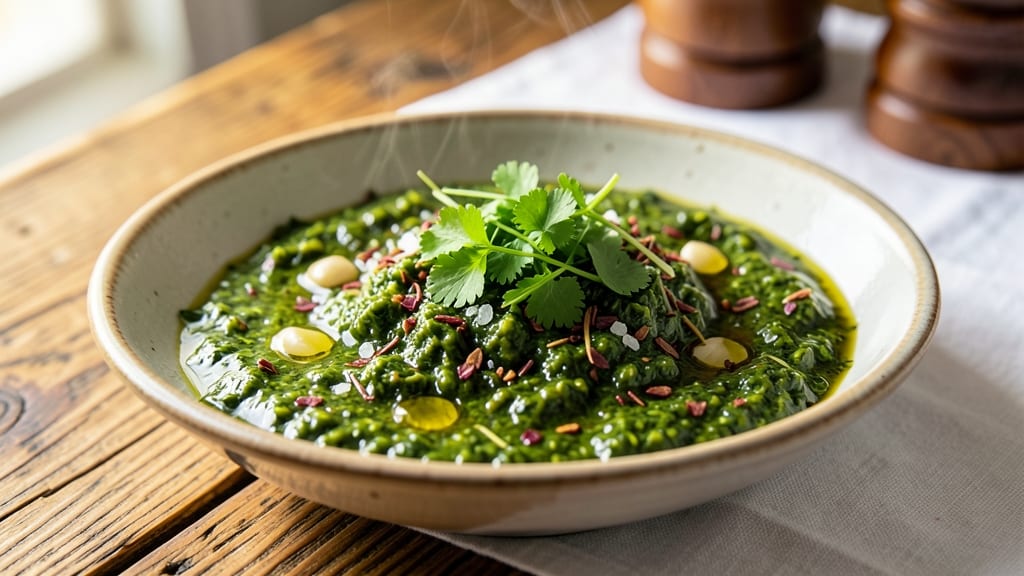
This Argentinian chimichurri sauce transforms simple grilled meats into a vibrant, herbaceous masterpiece with just 10 minutes of prep. The bright green sauce balances earthy parsley, zesty vinegar, and aromatic garlic, creating a flavor profile that's both bold and refreshing.
I first discovered chimichurri during a trip to Buenos Aires, where it's traditionally served alongside steak—though its versatility makes it perfect for everything from sandwiches to roasted vegetables.
The secret lies in the fresh herbs and proper technique: finely chopping parsley and oregano by hand ensures maximum flavor release, while the ratio of olive oil to vinegar creates that signature tangy richness.
Unlike many sauces, chimichurri doesn't require cooking—just whisking together ingredients until emulsified. This no-cook method preserves the herbs' vibrant color and fresh, bright flavors that complement grilled meats beautifully.
What makes this sauce truly special is its adaptability. While traditional chimichurri pairs perfectly with grilled steaks or empanadas, it also elevates simple dishes like roasted chicken or even grilled fish.
The sauce keeps well in the refrigerator for up to a week, allowing you to make a batch ahead for effortless flavor whenever you need it. Its bold, herbaceous profile makes it a standout condiment that turns ordinary meals into memorable dining experiences.
For those who prefer a milder version, reduce the garlic slightly or add a touch of honey to balance the acidity. The key is to taste as you go—chimichurri should be vibrant, tangy, and herb-forward without overpowering your main dish.
Whether you're hosting a barbecue or adding depth to a weeknight dinner, this sauce delivers restaurant-quality flavor with minimal effort.
Ingredients for argentinian sauce
Fresh herbs meet bold vinegar and oil for this vibrant Argentinian chimichurri sauce.
| Ingredient | Amount | Notes |
|---|---|---|
| Fresh Flat-Leaf Parsley 🌿 | 1 ½ cups | Stems removed, finely chopped by hand |
| Fresh Oregano Leaves 🌿 | ½ cup | Finely chopped, stems removed |
| Garlic Cloves 🧄 | 6 cloves | Peeled, minced for maximum flavor |
| Red Wine Vinegar 🍷 | ½ cup | High-quality, 5% acidity preferred |
| Extra-Virgin Olive Oil 🫒 | 1 cup | Fruity, peppery variety recommended |
| Kosher Salt 🧂 | 1 ½ tsp | Diamond Crystal preferred |
| Ground Black Pepper 🌶️ | ½ tsp | Freshly ground for best flavor |
| Red Chili Flakes 🌶️ | ½ tsp | Optional, for subtle heat |
| Honey 🍯 | 1 tbsp | Optional, for milder balance |
The parsley and oregano are non-negotiable—farmers market quality makes all the difference here. Look for bright green leaves with no wilt, and chop them by hand for maximum flavor release. Whole Foods or local markets often carry the best herbs, but even grocery store parsley works if it's fresh. The garlic should be plump and firm, not shriveled or sprouting. For vinegar, Bartles & Jaymes or Bragg are solid choices, but any high-quality red wine vinegar will do. The olive oil? California Olive Ranch or Colavita are my go-tos for that perfect fruity, peppery kick.
No fresh oregano? Dried oregano at half the amount works in a pinch, though it won't be as vibrant. Short on parsley? Cilantro or basil can substitute, but reduce to 0.25 cup to avoid overpowering. The honey is optional—skip it for traditional tang, or add it to mellow the acidity. For a milder garlic flavor, reduce to 4 cloves. The chili flakes? Trader Joe's carries excellent ones, but any crushed red pepper will do. Pro tip: Toast your garlic cloves in a dry pan for 30 seconds before mincing—it deepens the flavor without cooking the sauce.
This sauce keeps beautifully in the fridge for up to 1 week, though it tastes best within the first 3 days. Store it in a sealed glass jar with a layer of olive oil on top to preserve freshness. For longer storage, freeze in ice cube trays—just thaw and whisk before using. The chimichurri will separate slightly when refrigerated, but a quick whisk brings it back together. I always make extra—it's perfect on grilled meats, roasted veggies, or even as a sandwich spread. The flavor only improves as the herbs mellow in the fridge.
Why You'll Love This Recipe
- No-Chop Nightmare: I swear, this sauce is the only one I make where I don’t even bother with a knife—just roughly tear the parsley and oregano, smash the garlic with the flat of my knife, and call it done. That’s it. The texture’s still bright and punchy, even if it’s not perfect.
- Herb Bomb Brightness: The parsley and oregano hit like a fresh breeze after a long day—bright, grassy, and just a little peppery. That red wine vinegar? It’s the secret weapon cutting through any richness, so it’s never heavy. Honestly, I’ll drizzle it on toast just to taste it.
- Weeknight Magic: This sauce turns everything into something special—grilled meats, roasted veggies, even scrambled eggs. I keep a jar in the fridge because it’s the one thing I can grab when I’m too tired to plan. (Yes, even on a Tuesday night.)
- Pantry Goldmine: A little olive oil, a splash of vinegar, and herbs from the garden (or the store) are all you need. It keeps for weeks in the fridge, so I make a big batch and use it like ketchup—except way better. Budget-friendly? More like flavor on a shoestring.
Step-by-step instructions for Argentinian chimichurri sauce
This vibrant sauce comes together in minutes with fresh herbs and bold flavors—no cooking required.
Finely Chop All Herbs and Garlic
Start by removing stems from the 1.5 cups fresh flat-leaf parsley and 0.5 cup fresh oregano leaves, then chop them finely by hand. I like to use a sharp chef's knife and work in batches for precision—this ensures even texture in the final sauce. Next, peel and mince the 6 cloves garlic until you have a paste-like consistency. The goal is to create a smooth, finely textured base that blends seamlessly with the other ingredients.
Here's the thing—don't skip the hand-chopping. Food processors can turn herbs into a paste, which alters the sauce's texture. You'll see the difference immediately when you taste it: bright, fresh, and herb-forward rather than muddy. Work quickly to preserve the herbs' vibrant color and aroma.
Combine Herbs, Vinegar, and Seasonings
In a medium bowl, mix the chopped herbs and garlic with the 0.5 cup red wine vinegar, 1.5 teaspoons kosher salt, 0.5 teaspoon ground black pepper, and 0.5 teaspoon red chili flakes (if using). Stir well to distribute the seasonings evenly. The vinegar will start to soften the herbs slightly, but don't worry—they'll hold their structure in the final sauce. This step is where the tangy backbone of chimichurri begins to develop.
I always taste at this stage to check the seasoning balance. The vinegar should be bright and acidic, the salt should enhance the herbs' natural flavor, and the chili flakes should add just a hint of heat. If you're using the 1 tablespoon honey, add it now to mellow the acidity slightly. The honey helps balance the sauce, especially if you prefer a milder finish.
Gradually Incorporate the Olive Oil
Slowly drizzle in the 1 cup extra-virgin olive oil while stirring continuously with a wooden spoon. This gradual approach prevents the oil from separating and ensures the herbs are fully coated. The sauce should begin to emulsify as you mix, turning from a loose herb-vinegar blend into a thick, glossy dressing. Keep stirring for 2-3 minutes until the mixture is smooth and well combined.
This is the moment that matters: the oil should fully incorporate, creating a sauce that clings to the back of a spoon. If it looks too thick, add 1-2 teaspoons of water to loosen it slightly. The texture should be like a thick, vibrant pesto—cohesive enough to drizzle but still bright enough to let the herbs shine. Let the chimichurri sit for 10 minutes at room temperature before serving to allow the flavors to meld.
Rest and Adjust for Perfect Balance
After resting, taste the chimichurri again and make any final adjustments. If it needs more acidity, add a splash of red wine vinegar. If it's too sharp, stir in another ½ teaspoon of honey. The sauce should be vibrant green, fragrant, and perfectly balanced between herby, tangy, and slightly spicy. Transfer it to a clean jar or airtight container and refrigerate for up to 5 days—the flavors will deepen over time.
Use this sauce immediately on grilled meats, roasted vegetables, or even as a marinade. The fresh herbs and bright vinegar make it a versatile condiment that elevates any dish. Chimichurri is best when used within a few days of making it, so don't make more than you need—it's that good.
Pro Tips For Making Argentinian Sauce
- Pulse the Garlic Fast: I learned this the hard way—crushing garlic in a mortar or mincing it with a knife releases oils that turn bitter when cooked. Instead, toss peeled cloves into the pan with the parsley and oregano, then pulse them briefly with a wooden spoon or spatula. You want them broken but not mashed into a paste—just enough to release their flavor without turning the sauce into garlic soup.
- Toast the Herbs First: Skip the raw herb approach. Heat the olive oil in your pan until shimmering (not smoking), then add the parsley and oregano whole for 10–15 seconds until they darken just slightly at the edges. This wakes up their flavor and prevents the sauce from tasting like a sad salad dressing. (Yes, even if you’re impatient like me.)
- Use Vinegar Last: Red wine vinegar’s job is to brighten, not cook. Add it after the garlic and herbs have softened but before you remove the pan from heat—just a splash, about 1 tablespoon per 2 tablespoons of oil. If you add it too early, the acid will mute the garlic’s depth. If you add it too late, you’ll end up with a vinegary punch instead of a balanced sauce.
- Strain for Smoothness: Does it look weird? Yes. Does it work? Every single time. After cooking, pour the sauce through a fine-mesh sieve or even a clean tea towel lined with a colander to catch any herb bits. The result is silky, not chunky—especially important if you’re drizzling this over grilled meats or salads where texture matters. (Your future self will thank you.)
Wine and beer pairings for these flavors
Malbec Wine Pairings
Argentinian Malbec is the classic pairing for chimichurri, especially with grilled meats like asado. Look for wines from Mendoza—I love Catena Zapata or Trapiche—which offer rich dark fruit flavors that complement the sauce's herbal brightness.
The wine's velvety texture and medium tannins balance chimichurri's acidity without overpowering it. Serve slightly chilled (55-60°F) to enhance the wine's freshness against the sauce's vibrant tang. 🍷
Torrontés White Wine
For a lighter option, try an Argentinian Torrontés, particularly from Salta or La Rioja. This aromatic white wine brings floral notes and citrus acidity that cut through the chimichurri's richness.
Brands like Alamos or Bodega Ruca Malen shine here. The wine's crisp finish makes it perfect for summer grills or seafood dishes topped with chimichurri. Chill to 45-50°F for optimal contrast.
Argentinian Craft Beers
If wine isn't your thing, opt for a crisp Argentinian lager like Quilmes or Isenbeck. These beers have a clean, slightly malty profile that won't clash with the sauce's bold flavors.
For something more adventurous, try a radler-style beer from Cervecería Patagonia, which blends wheat beer with lemon-lime soda for a refreshing, citrusy kick that mirrors chimichurri's tang. Serve at 40-45°F to keep the beer crisp. 🍺
Red Blends for Versatility
A bold Argentinian red blend, such as Bodega Norton or Lujan de Cuyo, works beautifully with chimichurri on heartier dishes like lamb or beef. These blends often include Malbec, Cabernet Sauvignon, and Bonarda, offering depth and structure that stand up to the sauce's herbal intensity.
Decant for 30-45 minutes before serving to soften tannins and enhance the wine's fruitiness.
Non-Alcoholic Options
For a non-alcoholic pairing, try a sparkling grapefruit soda like Jarritos or a homemade hibiscus-hibiscus tea (common in Argentina). The tartness of grapefruit or hibiscus echoes chimichurri's acidity, while the effervescence cleanses the palate.
For a savory twist, serve with Argentinian yerba mate—its earthy notes complement the herbs beautifully. Chill all options to 40°F for the best experience. ✨
Nutrition facts
Frequently asked questions
Can I make chimichurri without fresh herbs?
Fresh herbs are essential for authentic chimichurri, but you can use dried substitutes in a pinch. Replace fresh oregano with ½ teaspoon dried oregano and reduce parsley to 1 cup (since dried herbs are less potent). For parsley, dried versions won't work—try 1 cup fresh cilantro or basil instead, but adjust the vinegar to ⅓ cup to balance the milder flavor. The texture will be different, but the tangy profile remains.
How do I fix chimichurri that's too thick or separated?
If your chimichurri separates, whisk in 1-2 teaspoons of water or a splash of red wine vinegar until smooth. For thickness, let it sit for 10 minutes—it often thickens as it cools. If it's still too thick, add ½ teaspoon of water at a time. The key is gradual adjustments: never dump in liquid all at once, or the oil will break again. A quick fix for separated chimichurri is to whisk vigorously for 2 minutes to re-emulsify.
What's the best way to store chimichurri?
Store chimichurri in an airtight glass jar or container in the fridge for up to 5 days. To preserve freshness, press a layer of olive oil on top before sealing. For longer storage, freeze in ice cube trays—thaw and whisk before using. The sauce may separate slightly when refrigerated, but a quick whisk restores its consistency. Avoid metal containers, as they can react with the acidic vinegar over time.
Can I use chimichurri as a marinade?
Yes! Chimichurri makes an excellent marinade for grilled meats, chicken, or fish. For best results, marinate for 30 minutes to 2 hours (never longer, as the acidity can make meat mushy). Reserve ¼ cup of the sauce to serve after cooking—it's too acidic to fully cook off. Pair it with skirt steak or chicken thighs, which hold up well to the tangy marinade. Always pat the meat dry before grilling for a better sear.
What are some creative ways to use chimichurri?
Beyond grilled meats, chimichurri shines on roasted vegetables, sandwiches, or even pizza. Drizzle it over grilled zucchini or asparagus for a bright side dish. Mix into mayonnaise for a chimichurri aioli to spread on burgers or hot dogs. Stir into pasta with olive oil or use as a dip for fresh bread or empanadas. The possibilities are endless—it's one of the most versatile sauces in Argentine cuisine!