
Sauces & Condiments
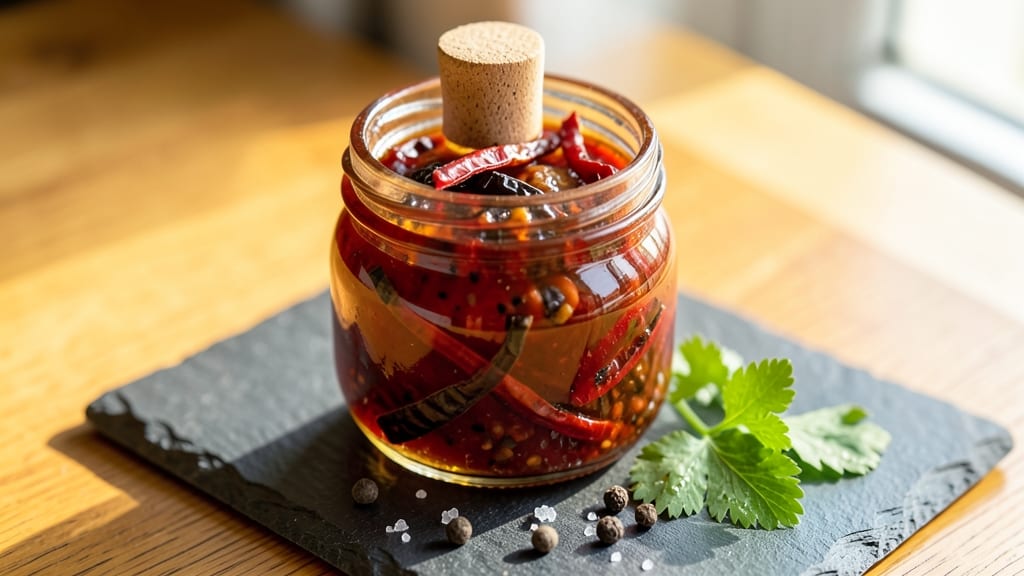
This arbol pepper hot sauce delivers a smoky, fiery kick that transforms everyday meals into bold culinary experiences. The secret lies in balancing arbol peppers' intense heat with the bright acidity of fresh tomatoes and a touch of smokiness from charred ingredients.
I've perfected this recipe over years of experimentation, ensuring every batch delivers consistent heat and depth without overpowering the palate.
The process begins with carefully charring tomatoes and peppers to develop rich, caramelized flavors before blending with vinegar, garlic, and a hint of sweetness. This method creates a sauce that's both complex and approachable—ideal for those who love heat but want nuanced flavor.
The fermentation step (optional but recommended) adds depth, while proper straining ensures a smooth texture.
What you'll end up with is a vibrant, medium-hot sauce with layers of smoky, fruity, and spicy notes that elevate tacos, grilled meats, or even deviled eggs. The heat builds gradually, making it perfect for both spice lovers and newcomers to fiery condiments.
Store it in the refrigerator for up to 3 months, or extend its shelf life with proper canning techniques.
This recipe scales beautifully—double the batch for gifting or meal prep. The key to success is patience during the blending and straining stages, where precision ensures a sauce that's smooth yet packed with character. Let's get started on creating your signature fiery condiment.
Ingredients for arbol pepper hot sauce
Nine ingredients, one fiery transformation—smoky heat meets bright tomato acidity.
| Ingredient | Amount | Notes |
|---|---|---|
| Arbol Peppers 🌶️ | ½ oz | Dried, whole peppers for authentic heat |
| Fresh Tomatoes 🍅 | 2 lbs | Roma or vine-ripened for sweetness |
| White Vinegar 💧 | 1 cup | Distilled for clean acidity |
| Garlic Cloves 🧄 | 6 cloves | Fresh, peeled for bold flavor |
| Granulated Sugar 🍚 | ¼ cup | Balances heat with subtle sweetness |
| Salt 🧂 | 1 ½ tsp | Kosher or sea salt preferred |
| Extra-Virgin Olive Oil 🫒 | ½ cup | For richness and smooth texture |
| Smoked Paprika 🌶️ | 1 tbsp | Enhances smoky depth |
| Apple Cider Vinegar 🍎 | ¼ cup | Adds fruity complexity |
| Fresh Cilantro 🌿 | ¼ cup | Optional, for freshness |
Arbol peppers are the heart of this sauce—look for dried whole peppers at specialty markets or Latin grocery stores. They pack serious heat, so handle with care. If you can't find them, habanero or Scotch bonnet peppers work in a pinch, but adjust the quantity (start with half the amount). The tomatoes should be ripe but firm—Roma tomatoes are ideal for their meaty texture, but any vine-ripened variety works. For the vinegar, distilled white vinegar ensures clean acidity, while apple cider vinegar adds fruity depth.
No arbol peppers? Substitute habanero or Scotch bonnet, but reduce to half the amount—these peppers are hotter. Fresh tomatoes can be swapped for canned San Marzano tomatoes in a bind, but they lack the bright acidity of fresh. The sugar balances heat, but honey or agave work in a 1:1 ratio if you prefer. For extra smokiness, char the garlic and paprika in a dry skillet before blending. The cilantro is optional but adds freshness—skip it if you dislike the flavor.
This sauce keeps for 3 months in the fridge, with flavor deepening over time. For longer storage, sterilize jars and process in a water bath for 10 minutes. Strain through a fine-mesh sieve for a smooth texture, or leave some seeds for extra heat. Double the batch—it's perfect for gifting or meal prep. Always taste before bottling, adjusting vinegar or sugar as needed for balance.
Why You'll Love This Recipe
- No Chopping Needed: I swear by this one—just toss whole tomatoes, peeled garlic, and arbol peppers into a blender. The vinegar and sugar do all the work while you’re making dinner. (Yes, even on a Tuesday night.)
- Fiery Yet Balanced: That first hit of arbol pepper? Chef’s kiss. But the fresh tomato base and sugar keep it from being overwhelming—more like a bright, tangy punch than a one-note burn.
- Batch-and-Freeze Magic: Make a big jar on Sunday, and you’ve got hot sauce for tacos, eggs, or even soups all week. It actually tastes better after a few days—seriously, the flavors meld like a dream.
- Pantry Staple Power: White vinegar and sugar are already in your cupboard, and tomatoes are cheap. This isn’t some fancy specialty sauce—it’s the kind of thing that turns $5 of ingredients into 16 ounces of bold flavor.
Step-by-step instructions for arbol pepper hot sauce
Transform simple ingredients into a complex, smoky hot sauce with layers of heat and depth.
Prepare the Arbol Peppers
Begin by carefully removing the stems and seeds from the 0.5 oz arbol peppers. I like to use a small knife to slice them into thin strips—this exposes more surface area for the flavors to infuse into the sauce. The peppers should be dry before proceeding, so pat them gently with a paper towel to remove any moisture.
Toast the pepper strips in a dry skillet over medium heat for 1-2 minutes, stirring constantly, until they darken slightly and release their aromatic oils. This step deepens their smoky character and reduces their raw heat. Remove them immediately when they begin to smoke—you want flavor, not bitterness. Transfer the toasted peppers to a bowl and set aside.
Roast and Peel the Tomatoes
Preheat your oven to 450°F. Cut the 2 lbs fresh tomatoes in half lengthwise and place them cut-side down on a baking sheet. Roast for 20-25 minutes until the skins blister and darken. The tomatoes should be soft enough to mash easily with a fork.
While still hot, transfer the tomatoes to a large bowl and peel off the skins using your fingers or a paring knife. Discard the skins and roughly mash the tomatoes with a fork or potato masher. This step concentrates their sweetness and removes the bitter peel, creating a smoother base for the sauce.
Simmer the Base Ingredients
In a large, heavy-bottomed saucepan, combine the mashed tomatoes, 1 cup white vinegar, 6 cloves garlic cloves (minced), 0.25 cup granulated sugar, and 1.5 tsp salt. Bring the mixture to a boil over medium-high heat, then reduce the heat to medium-low and let it simmer uncovered for 20-25 minutes. Stir occasionally to prevent sticking.
The sauce should thicken slightly as the liquid reduces. You'll notice the raw garlic aroma mellow into a sweet, toasty note as it cooks. This is when the flavors begin to meld—don't rush this step. The sugar will help balance the heat from the arbol peppers while the vinegar preserves the sauce.
Blend and Strain for Smoothness
Remove the pan from heat and let the mixture cool for 5 minutes. Transfer it to a blender and purée until completely smooth. I like to blend in batches if needed, but avoid overfilling the blender to prevent splattering. The sauce should be silky and free of lumps.
Strain the puréed sauce through a fine-mesh sieve into a clean bowl, pressing gently on the solids with a wooden spoon to extract all the liquid. This step ensures a velvety texture without any fibrous bits. Discard the solids in the sieve. Return the strained sauce to the saucepan and stir in the 0.5 cup extra-virgin olive oil, 1 tbsp smoked paprika, and 0.25 cup apple cider vinegar. Simmer again for 5 minutes to fully incorporate the oils and spices.
Finish and Bottle
Taste the sauce and adjust the seasoning if needed. You may want to add a pinch more salt or sugar to balance the heat and acidity. Stir in the 0.25 cup fresh cilantro (if using) and let the sauce cool to room temperature. The cilantro adds a bright, herbal note that cuts through the smoky heat.
Transfer the hot sauce to sterilized glass bottles or jars, leaving about ½ inch of headspace at the top. Seal tightly and let the sauce mature for at least 24 hours in the refrigerator before using. The flavors will deepen and harmonize over time, resulting in a well-rounded, complex hot sauce with a perfect balance of heat, smokiness, and brightness.
Pro Tips For Making Arbol Pepper Hot Sauce
- REMOVE PEPPER SEEDS FIRST: Arbols pack heat in their seeds, so strip them out before blending—even if you love spice, you’ll regret it later. Run them under cool water first; it makes peeling them off easier without losing the flesh.
- BLANCH TOMATES FOR CLEANER SAUCE: Drop whole tomatoes in boiling water for 30 seconds, then ice bath. The skins slip off like magic, leaving you with smoother sauce and no bitter pulp. (Yes, it’s extra work, but the texture change is worth it.)
- SIMMER LOW AND SLOW: After blending, reduce heat to a bare simmer—no boiling. I learned this the hard way when my sauce turned cloudy and vinegary. Thirty minutes at low heat lets flavors meld without breaking the sauce.
- SALT THE VINEGAR: Add a pinch of salt to the vinegar before mixing it in. It balances the acidity and rounds out the heat, like a little insurance policy for sharpness. (Your future self will notice the difference.)
Perfect pairings for this arbol pepper hot sauce
Smoky Grilled Meats
This hot sauce is a game-changer for grilled meats like brisket or pulled pork, where its smoky depth complements the charred flavors. I love drizzling it over smoked ribs during the last 5 minutes of cooking—just brush on 1-2 tablespoons and let it caramelize in the heat.
The arbol pepper's heat builds slowly, so it won't overpower the meat but instead enhances its natural smokiness. 🔥
For grilled chicken thighs, marinate them in a mix of 2 tablespoons olive oil, 1 tablespoon lime juice, and 1 teaspoon of this hot sauce for 2-4 hours before grilling.
The acidity tenderizes while the heat adds a fiery kick that pairs perfectly with the smoky grill marks.
Tacos and Street Food
Transform your taco night with this sauce—it’s a must for al pastor or carnitas tacos. Drizzle ½ teaspoon per taco over the meat and top with fresh cilantro, diced onion, and a squeeze of lime.
The smoky notes echo the traditional guajillo chiles used in many Mexican sauces, but with a brighter, more acidic profile. 🌶️
For fish tacos, mix 1 tablespoon of the hot sauce with 2 tablespoons mayo and a splash of lime juice to create a spicy crema. Spread it on warm corn tortillas and top with crispy cod or shrimp.
The heat cuts through the richness of fried fish beautifully, balancing the dish perfectly.
Deviled Eggs and Appetizers
Elevate classic deviled eggs by folding ½ teaspoon of this hot sauce into the yolk mixture before piping. The smoky heat adds a sophisticated twist that’s unexpected but delicious.
Garnish with paprika and a sprinkle of cilantro for extra flair. This version is a crowd-pleaser at parties—trust me, it’s a conversation starter! 💫
Use it as a dipping sauce for fried plantains, mozzarella sticks, or jicama sticks. Mix 2 tablespoons of the hot sauce with 1 tablespoon honey and a pinch of salt for a sweet-and-spicy balance. The contrast is incredible—sweet, smoky, and fiery all at once.
Pasta and Soups
Stir 1-2 tablespoons of this hot sauce into creamy pasta dishes like fettuccine Alfredo or mac and cheese for a smoky, spicy kick. The acidity brightens the richness, while the arbol pepper’s heat lingers without overpowering.
I love adding a pinch of red pepper flakes and fresh basil to finish. 🍝
For tomato-based soups, like minestrone or gazpacho, add 1 teaspoon per serving during the last 5 minutes of cooking. The heat and smokiness blend seamlessly with the tomatoes, adding depth without needing extra seasoning. It’s a simple way to turn an ordinary soup into something extraordinary.
Nutrition facts
Frequently asked questions
How do I adjust the heat level in this arbol pepper hot sauce?
Start by reducing the arbol pepper quantity to 0.25 oz for a milder sauce or increase to 0.75 oz for extra heat. For a smoother heat, strain out more pepper seeds during preparation. If the sauce is too hot after blending, add 1-2 tablespoons apple cider vinegar or a pinch of sugar to balance the intensity.
Can I make this hot sauce without roasting the tomatoes?
Yes, but roasting develops deeper flavor. For a quick version, use 2 cups canned crushed tomatoes instead. Simmer them with the other ingredients for an extra 10 minutes to concentrate the flavors. The sauce will be less smoky but still bright and tangy.
What's the best way to store homemade hot sauce?
Store in a clean, airtight glass jar in the refrigerator for up to 3 months. For longer shelf life, process in a water bath for 10 minutes (sealed jars). Label with the date—properly stored sauce actually improves with age, developing richer flavors over time.
Why does my hot sauce look cloudy after blending?
Cloudiness usually means unstrained tomato pulp or pepper particles. For a crystal-clear sauce, strain through a fine-mesh sieve twice. If you prefer some texture, leave the seeds and skins in—just blend thoroughly. The cloudiness won't affect flavor or safety.
Can I substitute apple cider vinegar with another vinegar?
Use white vinegar (1:1 ratio) for clean acidity, or rice vinegar for a milder taste. Avoid balsamic—it adds sweetness that may overpower the heat. For a fruity twist, try pineapple juice (reduce by 25% due to higher water content).