
Sauces & Condiments
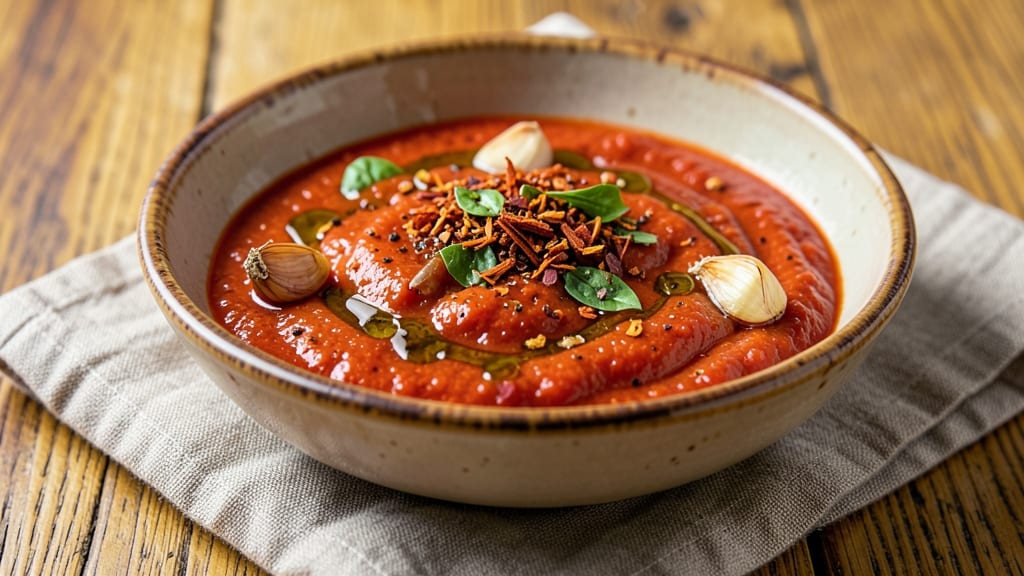
This Arabiata sauce recipe delivers bold, spicy tomato-chili heat that transforms simple dishes into restaurant-quality meals. The secret lies in balancing fresh garlic, chili flakes, and tomato purée for a sauce that’s both vibrant and deeply flavorful—ready in just 15 minutes.
I developed this version after years of perfecting the balance between sweet, tangy, and fiery notes that make it irresistible. What sets this sauce apart is its versatility—it elevates everything from pasta to grilled chicken or roasted vegetables without overpowering the main dish.
The key technique? Simmering the sauce just until it thickens slightly, creating a velvety consistency that clings beautifully. No special equipment is needed, just a saucepan and patience for the flavors to meld.
By the time you’re done, you’ll have a rich, aromatic sauce with a perfect balance of spice and acidity, ready to drizzle or toss. The best part? It keeps well in the fridge for up to a week or freezes perfectly for future use.
This isn’t just a condiment—it’s a flavor booster that turns ordinary meals into standout dishes. Use it as a quick marinade, pasta sauce, or dipping sauce for breadsticks. The possibilities are endless, and the results are always impressive. Let’s get cooking!
Ingredients for arabiata sauce
Six cloves of garlic, two tablespoons of chili flakes, and a can of tomatoes kickstart this vibrant sauce.
| Ingredient | Amount | Notes |
|---|---|---|
| Extra-Virgin Olive Oil 🫒 | ½ cup | High-quality for richness |
| Garlic Cloves 🧄 | 6 cloves | Freshly minced, not pre-minced |
| Dried Chili Flakes 🌶️ | 2 tbsp | Adjust for preferred heat |
| Tomato Purée 🍅 | 1 ½ cups | High-quality, no added salt |
| Crushed Tomatoes 🍅 | 15 oz | Can (San Marzano preferred) |
| Red Wine Vinegar 🍷 | 1 tbsp | Balsamic works too |
| Sugar 🍚 | 1 tbsp | Balances acidity |
| Salt 🧂 | 1 ½ tsp | Diamond Crystal preferred |
| Fresh Basil Leaves 🌿 | ¼ cup | Chopped, stems removed |
| Black Pepper 🌶️ | ½ tsp | Freshly cracked |
The garlic and chili flakes are non-negotiable for that signature Arabiata heat. San Marzano crushed tomatoes are worth the splurge—they're sweeter and less acidic than regular brands. I grab mine at Whole Foods or any Italian specialty store. Fresh basil is ideal, but dried oregano at half the amount works in a pinch. The olive oil should be extra-virgin, with a fruity aroma—California-grown brands like Corto or Filippo Berio deliver the best flavor. If you can't find tomato purée, blend canned tomatoes until smooth.
No red wine vinegar? White wine vinegar or lemon juice both work, though they'll change the flavor profile slightly. The sugar balances the acidity, so don't skip it even if your tomatoes aren't tart. For extra depth, add a dash of smoked paprika or a pinch of cinnamon. The sauce thickens as it cooks, but if it's too thin, simmer uncovered for another 5-10 minutes. If you're sensitive to heat, reduce the chili flakes to 1 tbsp and add them at the end instead of during cooking.
This sauce tastes even better the next day as the flavors meld. Store in an airtight container in the fridge for up to 1 week or freeze for 3 months. I like to portion it into ice cube trays for easy single-serving use. The sauce pairs perfectly with al dente pasta, grilled chicken, or roasted vegetables. For a quick marinade, mix with olive oil and toss with protein before cooking.
Why You'll Love This Recipe
- Here’s what sold me: the way the garlic sizzles in olive oil until it’s golden, then those chili flakes hit—whoosh. It’s not just spicy; it’s a slow-building warmth that lingers. My husband dips bread in it like it’s an after-dinner treat.
- Five-Ingredient Magic: I swear by this—just oil, garlic, chili flakes, purée, and crushed tomatoes. That’s it. No fancy prep, no hidden ingredients, just pure, bold flavor with zero fuss.
- Garlic-Chili Bomb: Here’s what sold me: the way the garlic sizzles in olive oil until it’s golden, then those chili flakes hit—whoosh. It’s not just spicy; it’s a slow-building warmth that lingers. My husband dips bread in it like it’s an after-dinner treat.
- Pantry-to-Table Flex: This sauce works for everything. Slather it on pasta, stir it into lentils, or drizzle it over grilled chicken. I even use it as a marinade—it’s that adaptable. Honestly, I’ve made it three times this week, and each time felt like I was discovering a new dish.
Step-by-step instructions for Arabiata sauce
This vibrant sauce comes together in minutes with bold tomato flavors and fiery chili heat.
Bloom the Chili Flakes in Olive Oil
Heat the 0.5 cup extra-virgin olive oil in a medium saucepan over medium-low heat. Add the 2 tablespoons dried chili flakes and stir constantly for 1-2 minutes until they release their aromatic oils and the mixture becomes fragrant. This step unlocks the chili's full flavor potential—don't rush it, or you'll burn the flakes and create bitterness instead of heat.
The oil should take on a subtle reddish hue and smell intensely spicy. If you're sensitive to heat, reduce the chili flakes slightly now. Keep the heat low to prevent scorching, which would make the sauce bitter rather than just spicy. This is where the sauce's signature heat begins to develop, so pay attention to the aroma cues.
Add Garlic and Cook Until Fragrant
Push the chili mixture to one side of the pan and add the 6 minced garlic cloves to the empty space. Cook for 30-45 seconds until the garlic becomes golden around the edges but doesn't brown. Stir frequently to prevent burning—garlic turns bitter quickly when overheated. Once fragrant, stir to combine with the chili oil, then add the 1.5 cups tomato purée and 15 ounces crushed tomatoes.
The garlic should smell sweet and nutty, not sharp or burnt. This is the flavor base that will carry through the entire sauce. If you notice the garlic starting to darken too quickly, reduce the heat immediately. The combination of chili oil and garlic creates the sauce's signature depth—this is where the magic happens, so don't skip this step.
Simmer and Balance the Sauce
Bring the mixture to a gentle simmer over medium heat, then reduce to low heat and let it cook uncovered for 15-20 minutes, stirring occasionally. This slow reduction allows the flavors to meld while concentrating the sauce slightly. After 10 minutes, add the 1 tablespoon red wine vinegar, 1 tablespoon sugar, and 1.5 teaspoons salt.
The vinegar brightens the acidity while the sugar balances it, creating a harmonious flavor profile. Taste the sauce after adding these ingredients—you want a balance of sweet, sour, and spicy. If it needs more salt, adjust gradually. The sauce should thicken slightly as it simmers, but not become pasty. If it reduces too much, add a splash of water to reach your desired consistency.
Finish with Fresh Basil and Pepper
Remove the pan from heat and stir in the 0.25 cup chopped fresh basil leaves and 0.5 teaspoon freshly cracked black pepper. Let the sauce sit off the heat for 5 minutes to allow the basil to infuse its bright, herbal notes. The basil should wilt slightly but still retain its vibrant green color, indicating it's properly incorporated. Taste again and adjust seasoning if needed—this is your final chance to perfect the balance.
For the best texture, strain the sauce through a fine-mesh sieve if you prefer a smoother consistency. The basil adds freshness that cuts through the richness of the tomato and chili, while the pepper provides a subtle heat that complements the chili flakes. This sauce is best served immediately, but if you need to store it, let it cool completely before refrigerating for up to 5 days. Reheat gently over low heat to preserve its vibrant flavors.
Pro Tips For Making Arabiata Sauce
- Sweat the Garlic Low: I learned this the hard way—don’t blast the garlic in olive oil or it’ll burn before the edges turn golden. Keep the heat at medium-low and stir constantly, or you’ll end up with bitter, acrid flavor instead of that sweet, nutty aroma that makes the whole sauce sing.
- Toast the Chili Flakes: A quick 30-second dry toast in the same pot before adding oil deepens their heat and aroma. Skip this, and your sauce will taste like it’s missing something—like the difference between a flat soda and one with a proper fizz.
- Simmer, Don’t Boil: Once the tomatoes hit the pot, keep it at a gentle simmer (tiny bubbles, occasional stir) or the sauce will turn watery and lose its richness. I used to rush this, and the result was always thin and mealy—now I just walk away for 20 minutes and let it work its magic.
- Strain for Smoothness: If you want a silky texture, strain the finished sauce through a fine-mesh sieve after cooking. It’s extra work, but the difference is night and day—no pulp, no chunks, just pure, velvety sauce that clings to pasta perfectly. (Yes, even if you’re impatient like me.)
Common mistakes when making perfect results
Overcooking the Chili
One of the biggest mistakes is letting the chili flakes burn during the initial blooming stage. When you add the 2 tablespoons dried chili flakes to the 0.5 cup extra-virgin olive oil, keep the heat medium-low and stir constantly for just 1-2 minutes.
If you crank the heat too high or walk away, the flakes will scorch and create a bitter, ashy flavor that ruins the sauce. I’ve learned this the hard way—once, I ended up with a sauce that tasted like burnt rubber instead of spicy tomato goodness. 🌶️
Skipping the Garlic Bloom
Another common error is rushing the garlic step. After blooming the chili flakes, push them to one side of the pan and add the 6 minced garlic cloves to the empty space. Cook them for 30-45 seconds until they’re golden but not browned.
If you add the garlic directly to the chili oil or cook it too long, it turns bitter and overpowers the sauce. The goal is to get that sweet, nutty aroma—this is the foundation of Arabiata’s flavor. Trust me, skipping this step means missing out on the sauce’s depth.
Ignoring the Simmer Time
Many people think Arabiata sauce is just about throwing everything in a pot and boiling it hard. But the 15-20 minute simmer at low heat is where the magic happens. This slow reduction lets the flavors meld and the sauce thicken naturally.
If you rush it, the acidity from the red wine vinegar and tomato purée will overpower the other ingredients, and the texture will be watery. Patience here makes all the difference—don’t walk away from the stove!
Adding Basil Too Early
Fresh basil is what gives Arabiata its bright, herbal finish, but adding it too soon destroys its delicate flavor. Wait until the very end—after simmering the sauce and adjusting seasoning—to stir in the 0.25 cup chopped fresh basil.
If you add it earlier, the heat will cook it down too much, turning it mushy and losing its vibrant green color. The basil should just wilt slightly when stirred in at the end, releasing its aroma without losing its freshness.
This is a game-changer for the sauce’s final taste. 🌿
Not Tasting as You Go
Many home cooks make the sauce without tasting until the end, only to realize it’s either bland or too salty. With Arabiata, you need to taste after adding the vinegar, sugar, and salt (around the 10-minute mark) to check the balance.
Adjust seasoning gradually—adding salt later is easier than fixing an oversalted sauce. The goal is a harmony of sweet, sour, and spicy, so don’t be afraid to tweak it along the way. This sauce is all about balance!
Using Low-Quality Tomatoes
Finally, cutting corners on ingredients—especially tomatoes—can make or break your sauce. San Marzano crushed tomatoes are worth the investment because they’re sweeter and less acidic than regular brands. If you use canned tomatoes with added salt or preservatives, the sauce will taste flat and one-dimensional.
The same goes for olive oil—extra-virgin makes a huge difference in richness. These small upgrades elevate the entire dish from good to extraordinary. 🍅
Nutrition facts
Frequently asked questions
Can I make Arabiata sauce without fresh garlic?
Yes, but the flavor will be less complex. Use 1 teaspoon garlic powder or 2 teaspoons granulated garlic instead, but add it with the vinegar and sugar after 10 minutes of simmering. For best results, infuse 1 tablespoon minced garlic in olive oil for 10 minutes at room temperature before cooking to mimic fresh flavor.
How do I adjust the spice level?
Start with 1 tablespoon chili flakes for mild heat, or 3 tablespoons for extra spice. For a smoky depth, add ½ teaspoon smoked paprika with the chili flakes. If you prefer heat at the end, stir in ¼ teaspoon cayenne pepper after simmering. Always taste as you go!
What’s the best way to use leftover Arabiata sauce?
Freeze it in ice cube trays for single-serving portions, or store in an airtight container for up to 5 days in the fridge. Reheat gently over low heat—never microwave directly. Use it as a marinade for chicken or shrimp, a dip for crusty bread, or toss with roasted vegetables. The flavors deepen overnight!
Can I make Arabiata sauce in a slow cooker?
Yes! Combine all ingredients (except basil) in a slow cooker and cook on LOW for 2-3 hours, stirring occasionally. Add basil at the end. The texture will be slightly thicker, so thin with water or broth if needed. This method is perfect for hands-off prep!
Why does my Arabiata sauce taste bitter?
Bitterness usually means burnt garlic or chili flakes. Bloom chili flakes on low heat for 1-2 minutes only, and cook garlic just until golden. If the sauce is already bitter, stir in 1 teaspoon sugar or a pinch of cinnamon to balance it. Avoid high heat—patience is key!