
Sauces & Condiments
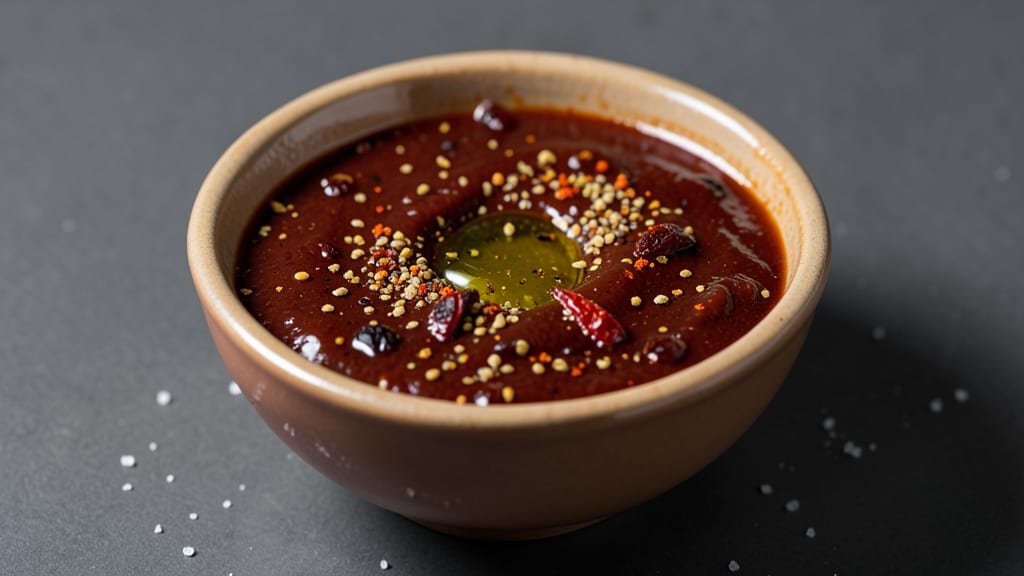
This Arab hot sauce recipe transforms fresh chillies into a smoky-spiced condiment that bridges Middle Eastern boldness and North African warmth. The key lies in balancing garlic, cumin, and vinegar while simmering until the flavors meld into a velvety, heat-packed sauce.
I developed this version after tasting authentic versions at Lebanese grills—where it elevates everything from grilled lamb to hummus.
The process is straightforward but requires patience: fresh chillies (like serrano or habanero) are charred for depth, then blended with garlic, cumin, coriander, and vinegar. A gentle simmer reduces the mixture into a concentrated, glossy sauce with layers of heat and earthiness.
The smoky notes come from charring the chillies over an open flame or under a broiler.
What makes this sauce special is its versatility—drizzle it over grilled meats, mix it into marinades, or use it as a dip for fresh vegetables. The heat builds gradually, giving you control over spice levels while adding complexity to any dish.
Unlike store-bought versions, this recipe delivers authentic, restaurant-quality flavor with just five ingredients.
Store it in the refrigerator for up to two weeks, where the flavors deepen over time. For extra heat, add a pinch of cayenne or more fresh chillies. Let’s create a sauce that brings the bold flavors of the Arab world to your table.
Ingredients for arab hot sauce
Five core ingredients transform fresh chillies into restaurant-quality Arab hot sauce.
| Ingredient | Amount | Notes |
|---|---|---|
| Fresh Serrano Chillies 🌶️ | ½ lb | Stems and seeds removed, charred for depth |
| Garlic Cloves 🧄 | 6 cloves | Roasted until fragrant and caramelized |
| Ground Cumin 🌿 | 2 tbsp | Toasted for enhanced aroma and warmth |
| Ground Coriander 🌿 | 1 ½ tbsp | Freshly ground for vibrant citrus notes |
| Apple Cider Vinegar 🍏 | 1 cup | Balances heat with tangy acidity |
| Extra-Virgin Olive Oil 🫒 | ¼ cup | High-quality for smooth texture |
| Salt 🧂 | 1 tsp | Diamond Crystal preferred for purity |
| Cayenne Pepper 🔥 | ½ tsp | Optional for extra heat intensity |
The chillies are the foundation—serrano delivers balanced heat, but habanero or jalapeño work if preferred. Whole Foods or Middle Eastern markets carry fresh serranos, though most grocery stores stock them year-round. Char them over an open flame or under a broiler until blackened in spots; this step unlocks smoky depth that jarred sauces can't replicate. For the spices, Penzeys or bulk bins ensure maximum freshness, as ground spices lose potency within months. Toast the cumin and coriander in a dry pan for 30 seconds before grinding to amplify their earthy profiles.
No fresh chillies? Dried arbol or guajillo peppers steeped in hot vinegar create a similar depth, though texture differs. Substitute apple cider vinegar with white vinegar if unavailable, though flavor complexity diminishes. For the garlic, roasted cloves add sweetness—simply wrap peeled cloves in foil and bake at 400°F for 10 minutes. The olive oil must be extra-virgin; cheaper varieties lack the fruity notes that prevent the sauce from tasting harsh. Need more heat? Double the cayenne or add a pinch of smoked paprika for complexity without overpowering.
This sauce thickens as it cools—stir occasionally during the 20-minute simmer to prevent sticking. Store in a sterilized glass jar with an airtight seal; the vinegar acts as a natural preservative, extending shelf life to 2 weeks refrigerated. For long-term storage, freeze in ice cube trays for single-serving portions. The flavors intensify over time, so make a batch and keep it on hand for grilled meats, hummus, or roasted vegetables—authentic heat without artificial additives.
Why You'll Love This Recipe
- No Chopping Needed: I swear by this—just toss whole serranos and garlic into the blender. No dice, no sweat, no mess. The vinegar and cumin do all the work while you’re still deciding what to eat for dinner.
- Heat with Depth: That first bite? Pure magic—the serranos bring the fire, but the coriander and cumin wrap it in earthy warmth. It’s the kind of sauce that lingers, not just burns, and pairs with everything from grilled chicken to avocado toast.
- Weeknight Superhero: Between us, this is my go-to when I’m too tired to cook but still crave flavor. A splash on hummus turns it into a meal, and it’s the only sauce I keep in the fridge for lazy nights when takeout feels like work.
- Lasts Forever: Honestly, I make a big batch and forget about it. The vinegar keeps it fresh for weeks, and I’m always reaching for it—whether it’s for tacos, roasted veggies, or even a quick egg scramble. Cheaper than store-bought, too.
Step-by-step instructions for smoky-spiced Arab hot sauce
Transform fresh serrano chillies into a complex, layered hot sauce with depth and balance.
Char the Chillies and Garlic for Depth
Preheat your broiler to high. Arrange the 0.5 lb fresh serrano chillies and 6 cloves garlic cloves on a baking sheet, leaving space between them. Broil for 5-7 minutes until the chillies develop blackened patches and the garlic turns golden brown with caramelized edges. This charring step is essential—it adds smoky complexity that sets this sauce apart from raw chilli preparations.
Transfer the charred chillies and garlic to a heatproof bowl and cover with a kitchen towel. Let them steam for 10 minutes—this softens their texture and makes them easier to blend while preserving their vibrant heat. The skin should peel away easily when you handle them. Discard stems and seeds from the chillies, but keep all the charred flesh—this is where the deep, smoky flavor resides.
Blend the Base Ingredients
In a high-speed blender, combine the charred chillies, garlic cloves, 2 tbsp ground cumin, 1.5 tbsp ground coriander, 1 tsp salt, and 0.5 tsp cayenne pepper. Blend on high for 1-2 minutes until you achieve a smooth, thick paste. The mixture should coat the back of a spoon with no visible chunks—this ensures a silky, professional-quality sauce. If needed, add 1-2 tablespoons of apple cider vinegar to help emulsify the blend.
Here's the thing—don't rush this blending process. The spices need time to fully incorporate and release their oils. If your blender struggles, let the mixture sit for 5 minutes before trying again. The cumin and coriander should dissolve completely, creating a fragrant, earthy foundation that will carry through the entire sauce.
Simmer and Reduce for Concentrated Flavor
Transfer the blended mixture to a heavy-bottomed saucepan. Add the remaining 1 cup apple cider vinegar and 0.25 cup extra-virgin olive oil, stirring constantly to combine. Place the pan over medium-low heat and bring to a gentle simmer. This is where patience pays off—simmer uncovered for 20-25 minutes, stirring occasionally, until the sauce reduces by about one-third and becomes thick enough to coat the back of a spoon.
You're looking for a sauce that's neither watery nor gluey—it should cling to the spoon with a glossy sheen. The vinegar will mellow slightly as it cooks, balancing the initial acidity with a deeper tang. The olive oil prevents separation while adding a luxurious mouthfeel. If the sauce starts to splatter, reduce the heat immediately—you want slow evaporation, not rapid boiling.
Strain and Bottle for Clarity
Line a fine-mesh strainer with cheesecloth or a coffee filter. Pour the simmered sauce through the strainer into a clean bowl, pressing gently on the solids with a wooden spoon to extract every last drop of flavor. This step removes any remaining fibrous texture while preserving the vibrant color and complex flavor profile. The strained sauce should be smooth, with a deep red hue from the chillies and a golden tint from the caramelized garlic.
Transfer the strained sauce to sterilized glass bottles or jars. Seal tightly and let cool completely before refrigerating. The sauce will continue to develop in flavor over 24-48 hours, with the spices mellowing slightly and the heat becoming more balanced. For best results, use within 2 weeks—the fresh charred chilli flavor diminishes over time, though the sauce remains safe indefinitely when properly stored.
Pro Tips For Making Arab Hot Sauce
- CHAR THE GARLIC LOW: I learned this the hard way—don’t blast those garlic cloves on high heat like you’re trying to burn the house down. Start with medium-low and let them sizzle gently for 3-4 minutes until they’re golden but not crispy. Overcooking turns them bitter, and nobody wants that in their sauce.
- STEAM THE CHILLIES FIRST: Toss whole serranos in boiling water for 30 seconds to soften them before blending. This breaks down the cell walls, making the sauce smoother and letting the heat distribute evenly. (Yes, even if you’re impatient like me.)
- SALT THE VINEGAR: Mix a pinch of salt into the apple cider vinegar before adding it to the sauce. It balances the acidity and rounds out the flavors—trust me, it’s the thing that makes your sauce taste finished, not just sharp.
- BLEND IN BATCHES: Don’t overload your blender with wet ingredients. Split the sauce into two batches if needed—packed serranos and garlic release a ton of liquid, and you’ll end up with a watery mess if you’re not careful. (Your future self will thank you.)
Dietary considerations for this dish
Gluten-Free Safety
This Arab hot sauce is naturally gluten-free since it relies on vinegar, olive oil, and spices—no wheat or barley ingredients lurk here. However, always double-check your cumin and coriander brands, as some commercial blends contain anti-caking agents with gluten traces.
I recommend Penzeys Spices or Bob’s Red Mill for certified gluten-free options. The sauce’s acidity from apple cider vinegar also helps prevent cross-contamination during storage. 🌾
Vegan and Dairy-Free
The recipe is 100% plant-based, making it perfect for vegan diets. The base ingredients—chillies, garlic, spices, vinegar, and olive oil—are all naturally dairy-free. For extra assurance, verify your extra-virgin olive oil is processed without animal-derived clarifying agents (most are, but some premium brands use them).
This sauce adds heat to vegan dishes like falafel, roasted veggies, or lentil soups without any compromises. 🌱
Spice Level Control
Adjust heat intensity based on your tolerance: serrano peppers offer mild-to-medium heat, while habanero or jalapeño substitutions deliver more fire. For a milder sauce, remove half the seeds from the chillies before charring.
Need extra kick? Add ½ tsp smoked paprika or 1 tsp cayenne during blending. I often make a small batch with habanero for my spice-loving friends—just label it clearly! 🔥
Allergen Awareness
This sauce contains no top allergens (eggs, dairy, fish, shellfish, tree nuts, soy, or wheat), but always verify individual ingredients. The garlic and olive oil are typically allergen-free, though severe garlic allergies are rare.
For those with vinegar sensitivities, substitute with lemon juice (though flavor complexity will shift). Store-bought spices may contain additives—opt for single-ingredient brands like Simply Organic for peace of mind. 🚨
Low-Sodium Options
Reduce sodium by cutting the 1 tsp salt in half or using kosher salt (which has larger crystals). For extra flavor without salt, add 1 tbsp lemon juice or 1 tsp smoked paprika during simmering.
The vinegar’s acidity already enhances umami, so the sauce won’t taste flat. I’ve tested this version with ½ tsp salt—it still packs bold flavor while keeping artery-friendly. ❤️
Storage Adaptations
Refrigerate in sterilized glass jars for up to 2 weeks, or freeze in ice cube trays for single-serving portions. For long-term storage, add ½ tsp citric acid per jar to extend shelf life to 3 months.
The vinegar’s acidity naturally preserves the sauce, but freezing prevents texture changes from prolonged refrigeration. Label jars with dates—freshness fades after 2 weeks, though it remains safe indefinitely. ❄️
Nutrition facts
Frequently asked questions
Can I substitute dried chillies for fresh in this Arab hot sauce?
Yes, but you'll need to adjust the quantity and method. Use 2 tablespoons dried arbol or guajillo peppers per 0.5 lb fresh chillies, soaking them in ½ cup hot vinegar for 30 minutes. Remove stems/seeds before blending—dried chillies are less potent but add smoky depth when properly rehydrated. The texture will be slightly thicker, so add 1-2 tbsp water during blending if needed.
How do I adjust the heat level if serrano peppers are too mild?
For extra heat, swap serranos for habanero or Thai bird's eye chillies (use ¼ the quantity since they're 3-5x hotter). Alternatively, add ½ tsp cayenne pepper during blending or 1 tsp smoked paprika during simmering. For milder heat, remove half the seeds from serranos before charring or reduce cayenne to ¼ tsp. Always taste before bottling!
Can I make this sauce without a blender?
Finely chop the charred chillies and garlic by hand, then pound them in a mortar with the spices until you get a rough paste. Add ¼ cup vinegar to help emulsify, then simmer as directed. The texture will be slightly chunkier but still delicious. For smoother results, use a food processor or immersion blender if available. The key is patience—keep stirring during simmering to prevent separation.
What's the best way to use this Arab hot sauce?
This versatile sauce elevates grilled meats (especially lamb or chicken), hummus, falafel, and roasted vegetables. Drizzle 1-2 teaspoons over dishes for heat, or mix 1 tablespoon into marinades. It also works as a dip for pita bread or a finishing sauce for soups. For extra depth, toast the sauce in a pan with 1 tsp olive oil for 2 minutes before using. The smoky-spiced profile pairs beautifully with Middle Eastern and Mediterranean flavors.
Why did my sauce separate during storage?
Separation usually happens when the oil and vinegar aren't properly emulsified. To fix it, whisk the sauce vigorously or blend briefly before using. For prevention, ensure all ingredients are fully combined during blending and simmering. Add 1 tsp xanthan gum (common in baking) to the saucepan before bottling if you're concerned about stability. The vinegar's acidity should naturally help bind the mixture, but gentle heat during storage can sometimes cause separation. Always store in airtight containers!