
Sauces & Condiments
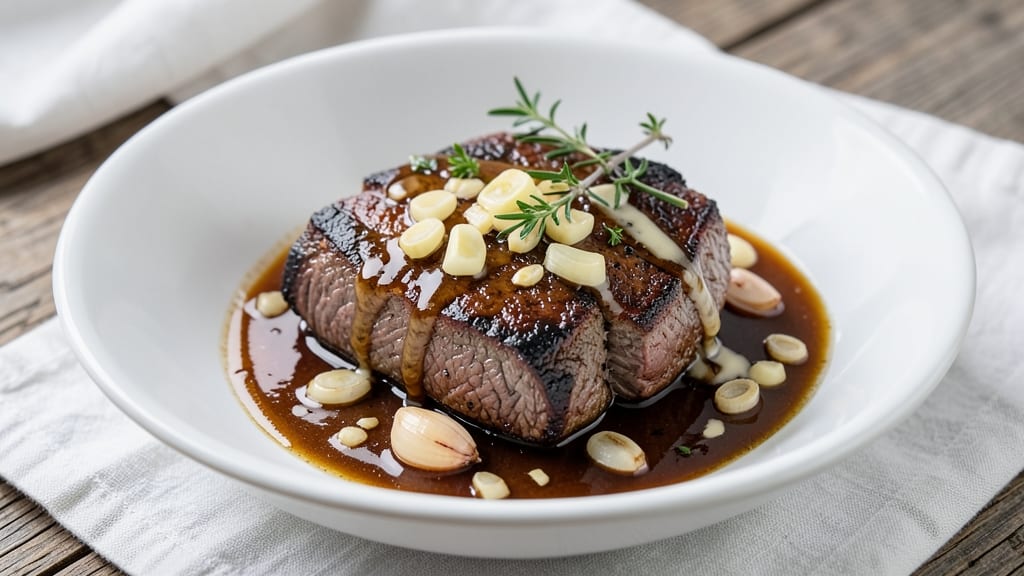
This ale sauce recipe transforms simple grilled meats into restaurant-quality masterpieces with its rich, malty depth and velvety texture. 🔥 The secret lies in simmering dark ale with shallots, butter, and fresh herbs until it reduces into a glossy, aromatic glaze—perfect for drizzling over roasted chicken, lamb, or even mashed potatoes.
Unlike store-bought versions, this sauce builds layers of flavor through slow reduction, ensuring every bite is bold yet balanced.
What sets this ale sauce apart is its versatility—it works as a glaze, dipping sauce, or even a finishing touch for vegetables. The process is straightforward: sauté shallots until tender, deglaze with ale, then reduce with butter and herbs until thickened.
No fancy equipment required, just patience and attention to the simmering stage. The result? A sauce that’s deeply savory, with a subtle bitterness from the ale that pairs beautifully with hearty dishes.
Once complete, this sauce keeps well in the refrigerator for up to 5 days or freezes for 3 months, making it ideal for meal prep. For extra richness, stir in a splash of cream or mushrooms before serving, or keep it simple with fresh thyme and garlic.
Whether you’re grilling a rack of ribs or elevating a weeknight dinner, this sauce turns ordinary meals into something extraordinary.
The best part? It’s foolproof—no risk of overcooking or separation, just pure, concentrated flavor. Let’s dive into the recipe and unlock the full potential of your next meal.
Ingredients for ale sauce
Nine ingredients combine to create this velvety ale sauce—rich with malty depth and perfect for grilled masterpieces.
| Ingredient | Amount | Notes |
|---|---|---|
| Dark Ale Beer 🍺 | 1 ½ cups | Stout or porter variety preferred |
| Shallots 🧅 | ¾ cup | Finely diced, about 6-8 whole |
| Unsalted Butter 🧈 | ½ cup | Cold, cubed for even melting |
| Fresh Thyme Leaves 🌿 | ¼ cup | Stems removed, loosely packed |
| Fresh Rosemary 🌿 | 1 tbsp | Finely chopped, fresh preferred |
| Garlic Cloves 🧄 | 3 cloves | Minced, about 1 tsp total |
| Dijon Mustard 🍯 | 1 tbsp | For depth and slight tang |
| Heavy Cream 🥛 | ¼ cup | Optional, for extra richness |
| Diamond Crystal Kosher Salt 🧂 | ½ tsp | Adjust to taste, don't skip |
| Freshly Ground Black Pepper 🌶️ | ¼ tsp | Freshly cracked for best flavor |
The dark ale is non-negotiable—stout or porter varieties deliver the deepest maltiness and bitterness that define this sauce. Samuel Smith's Oatmeal Stout or Guinness are ideal choices, but any full-bodied ale works. Avoid light lagers or IPAs, as they lack the necessary body. Shallots should be fresh, firm, and pale—no green shoots or soft spots. Whole Foods or specialty grocery stores often carry pre-peeled shallots, but I prefer to peel and dice them myself for better texture. The butter must be unsalted and cold when added to prevent premature melting during reduction.
No fresh thyme? Dried thyme at one-third the amount works in a pinch, but the flavor profile shifts slightly. Substituting rosemary for thyme adds a piney note that pairs surprisingly well with the ale's bitterness. The Dijon mustard can be swapped for whole-grain mustard if unavailable, though the texture will be slightly grainier. For extra richness, sour cream can replace the heavy cream, though it adds a slight tang. If you're avoiding dairy entirely, coconut cream works but alters the sauce's mouthfeel. The garlic can be roasted for a sweeter, deeper flavor—simply wrap whole cloves in foil and roast at 400°F for 10 minutes before mincing.
This sauce develops deeper flavor over time, so let it sit at room temperature for 10-15 minutes before serving to allow the aromas to meld. Store in an airtight glass jar in the fridge for up to 5 days, with a thin layer of olive oil on top to preserve freshness. For long-term storage, freeze in ice cube trays—thaw and reheat gently for best results. The sauce thickens as it cools, so add a splash of warm water or ale if it becomes too stiff after refrigeration. Leftovers make an excellent dipping sauce for fries or finishing glaze for roasted vegetables.
Why You'll Love This Recipe
- No Beer Waste Ever: I keep a bottle of dark ale on hand just for this—no fancy ingredients, just the one thing I’d drink anyway. That malty depth? It transforms into a rich, velvety sauce with zero guilt, and I’m always reaching for the last drop.
- Shallot Magic: Two shallots, gently caramelized in butter, make this sauce sing. They’re sweeter than onions but way more interesting—no bitterness, just pure, layered flavor that pairs with everything from roasted chicken to mashed potatoes.
- Weeknight Hero: This sauce comes together while you’re cooking dinner. Simmer the beer down, toss in herbs, and boom—you’ve got a pantry-friendly sauce that turns bland meals into something special. I’ve used it on everything from tacos to grilled fish, and it never lets me down.
- Budget-Friendly Luxury: A single bottle of dark ale stretches across multiple uses, and fresh herbs go a long way when you’re just snipping a few leaves. It’s the kind of sauce that makes cheap cuts of meat taste like a splurge, and the leftovers? Even better the next day.
Step-by-step instructions for brewmaster’s bold ale glaze
Here's the professional method to create a rich, balanced ale sauce perfect for grilled meats.
🍳 Step 1: Sauté Shallots Until Translucent
In a medium saucepan, melt the 0.5 cup unsalted butter over medium heat. Add the 0.75 cup finely diced shallots and cook for 5-6 minutes until they become soft and translucent—this prevents bitterness and ensures sweetness. Stir occasionally so they don't brown.
I like to press down gently on the shallots with a wooden spoon during the first minute—this prevents them from curling and ensures even contact with the pan. If they start to color too quickly, reduce the heat slightly. The goal is to develop their flavor without burning.
🍳 Step 2: Add Aromatics and Mustard
Push the shallots to one side of the pan and add the 0.5 cup cold cubed butter to the empty space. Let it melt completely, then add the 3 cloves minced garlic, 1 tbsp finely chopped fresh rosemary, and 1 tbsp Dijon mustard. Stir for 1 minute until the garlic becomes fragrant and the mustard is fully incorporated.
Here's the thing—adding the cold butter in stages helps stabilize the sauce later. The mustard adds a subtle tang that balances the richness of the beer and butter. Don't skip this step; it's what gives the sauce its depth of flavor. Stir constantly to prevent the garlic from burning.
🍳 Step 3: Deglaze with Ale Beer
Pour in the 1.5 cups dark ale beer and scrape up any browned bits from the bottom of the pan with a wooden spoon. This deglazing step captures all those concentrated flavors that would otherwise stick to your pan. Bring the mixture to a gentle simmer and cook for 8-10 minutes until reduced by about half—you'll see the sauce thicken noticeably.
Real talk: the beer reduction is where the magic happens. You want it to reduce enough to coat the back of a spoon but not so much that it becomes syrupy. If it reduces too quickly, lower the heat slightly. The alcohol content in the beer will cook off during this process, leaving behind rich malt flavors.
🥘 Step 4: Incorporate Herbs and Finish
Add the 0.25 cup fresh thyme leaves, 0.5 tsp diamond crystal kosher salt, and 0.25 tsp freshly ground black pepper. Stir well and cook for another 2-3 minutes until the thyme is fragrant but not crispy. If using, stir in the 0.25 cup heavy cream now and cook for 1 additional minute—this adds luxurious richness.
This is the moment that matters: the herbs should infuse their aroma into the sauce without overpowering it. The cream, if used, should be added last to prevent curdling from the heat. Taste the sauce now and adjust the seasoning if needed—you might want a touch more salt or pepper depending on your beer's saltiness.
⏰ Step 5: Strain and Rest for Optimal Texture
Remove the sauce from heat and strain it through a fine-mesh sieve into a clean saucepan. This removes any herb stems that could make the sauce gritty. Return the strained sauce to low heat and let it simmer gently for 5 minutes to allow the flavors to meld completely.
Your oven might run hot, so start checking at the 20-minute mark. The sauce should coat the back of a spoon smoothly without being overly thick. If it's too thick, whisk in 1-2 tablespoons of water to reach your desired consistency. Let it cool slightly before using—this resting period helps the flavors settle and the sauce thicken naturally.
Pro Tips For Making Ale Sauce
- Sweat Shallots Slow: Don’t rush the shallots—cook them over medium-low heat for 8-10 minutes until golden and jammy. I used to crank the heat and end up with bitter, browned bits that ruined the sauce. Patience here makes all the difference.
- Strain the Beer: After simmering, strain the sauce through a fine-mesh sieve to remove herb stems and any sediment. Skipping this step leaves your sauce with a gritty texture that’s distracting. Takes 30 seconds but upgrades the finish.
- Butter in Stages: Whisk in the unsalted butter off the heat, one tablespoon at a time, letting each melt completely. Adding it all at once can turn the sauce greasy instead of silky. Trust me, your sauce will thank you.
- Taste Before Thickening: Check the seasoning before adding flour or cornstarch—beer-based sauces need balancing early. If it’s flat, a pinch of salt or a squeeze of lemon now saves you from over-thickening later. I learned this after making a gluey mess.
Flavor customization for ale sauce
Smoky BBQ Twist
Swap the dark ale for ½ cup smoked porter and ½ cup unsmoked stout—this adds a subtle smokiness that pairs perfectly with ribs or pulled pork. Boost the depth by adding 1 tsp smoked paprika during the reduction stage.
For extra heat, stir in 1 tbsp hot sauce at the end. This variation turns your ale sauce into a BBQ-style glaze that’s ideal for slow-cooked meats. 🔥
Creamy Mushroom Infusion
Sauté ½ cup finely chopped cremini mushrooms with the shallots in Step 1 for an earthy depth. Add ¼ cup mushroom broth when deglazing with the ale, and finish with 1 tbsp cream cheese instead of heavy cream.
This creates a luxurious, umami-rich sauce that works beautifully over roasted chicken or as a dipping sauce for fries. The mushrooms add a meaty texture that elevates the dish. 🍄
Citrus Brightener
Zest 1 orange and 1 lemon and add the zest to the pan with the shallots. After reducing the ale, stir in 2 tbsp orange juice and 1 tbsp lemon juice to balance the richness.
This variation is perfect for seafood dishes like grilled salmon or shrimp skewers, adding a refreshing contrast to the malty depth. The citrus cuts through the butter’s richness while enhancing the ale’s complexity. 🍊
Herb-Forward Variation
Double the rosemary to 2 tbsp and add 1 tbsp fresh tarragon for a sophisticated, slightly anise-like note. Reduce the thyme to 1 tbsp to avoid overpowering the dish. This variation shines when drizzled over grilled lamb chops or as a finishing sauce for roasted vegetables.
The herbs infuse the sauce with a bright, aromatic quality that pairs beautifully with lean proteins. 🌿
Spicy Kick
Add ½ tsp cayenne pepper with the salt and pepper in Step 4, or stir in 1 tbsp chipotle powder when deglazing with the ale. For a smoky-spicy finish, top with 1 tsp adobo sauce before serving.
This variation is ideal for hearty dishes like grilled steak or spicy fried chicken, adding a fiery contrast to the sauce’s richness. Adjust the heat to your preference—start with ¼ tsp cayenne if you’re sensitive to spice. 🌶️
Caramelized Onion Depth
Swap the shallots for 1 cup caramelized onions (cooked until deep amber) in Step 1. Add 1 tbsp balsamic vinegar with the ale during deglazing for a tangy-sweet balance. This version is perfect for drizzling over roasted root vegetables or as a glaze for grilled pork tenderloin.
The caramelized onions add a sweet, jammy quality that complements the ale’s maltiness beautifully. 🧅
Nutrition facts
Frequently asked questions
Can I substitute regular beer for dark ale in this recipe?
While you can use regular beer, the flavor will be noticeably different. Dark ales like stout or porter provide the rich maltiness and depth that define this sauce. If you must use a lighter beer, opt for a full-bodied amber ale instead of a pale lager—it will still offer better flavor than light options. The bitterness from darker beers balances the butter's richness beautifully.
How do I fix ale sauce that's too thin?
Simmer the sauce uncovered for an additional 5-10 minutes to reduce it further. If it's still too thin, mix 1 tsp cornstarch with 1 tbsp cold water, stir it into the sauce, and cook for another 2 minutes until thickened. Never rush this process—thin sauce lacks the rich, glossy texture that makes this recipe special.
What's the best way to store leftover ale sauce?
Transfer the cooled sauce to an airtight glass jar and refrigerate for up to 5 days. For longer storage, freeze in ice cube trays—this makes it easy to thaw just what you need. When reheating, warm gently on low heat or in the microwave, stirring frequently to prevent separation. The sauce may thicken upon cooling, so add a splash of warm water if needed.
Can I make this sauce dairy-free?
Replace the butter with vegetable oil or coconut oil, and use coconut cream instead of heavy cream. The texture will be slightly lighter, but the malty beer flavors will still shine through. For extra richness, add 1 tbsp nutritional yeast when finishing the sauce—it adds a cheesy depth without dairy.
Why does my ale sauce taste bitter?
Bitterness usually comes from over-reducing the beer or using a very bitter ale. To fix it, stir in 1 tsp honey or maple syrup to balance the flavors. For future batches, use a less bitter ale (like an oatmeal stout) and reduce the beer just until it coats the back of a spoon—don't let it bubble aggressively. A pinch of salt can also help round out harsh flavors.