
Sauces & Condiments
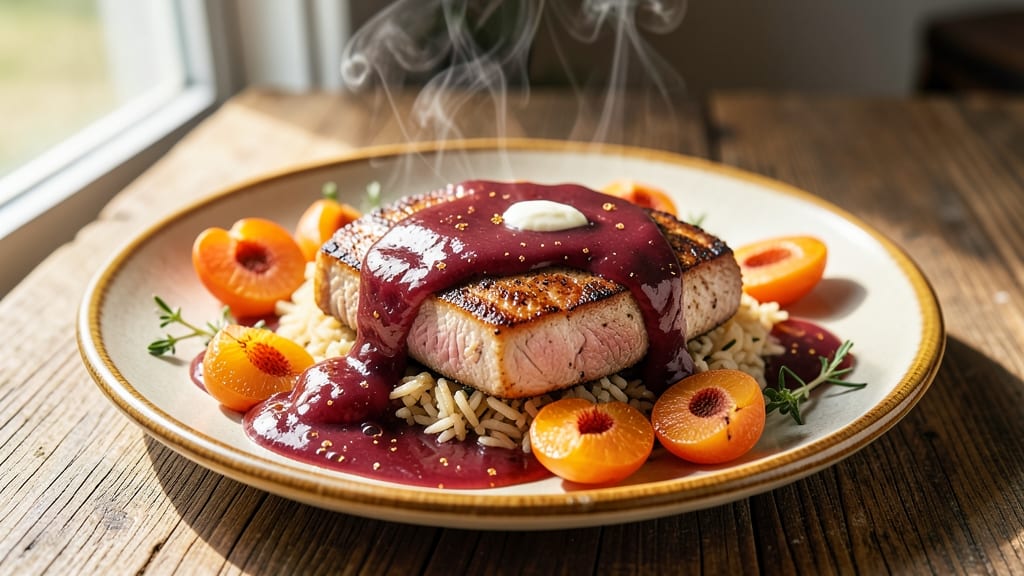
This apricot sauce recipe for pork transforms simple ingredients into a sweet-tangy glaze that elevates any pork dish from ordinary to extraordinary. 🌟 After perfecting this sauce for my farm-raised pork tenderloins, I’ve found the ideal balance of fruitiness and acidity that caramelizes beautifully—no fancy techniques required.
The secret lies in reducing the sauce just enough to create a velvety consistency that clings to meat without overwhelming its natural flavor. What makes this recipe special is its 5-ingredient simplicity, yet it delivers restaurant-quality results.
Pitted apricots provide natural sweetness, while a touch of vinegar brightens the flavor, and a pinch of cinnamon adds warmth that pairs perfectly with pork’s savory notes. The sauce reduces quickly on the stovetop, intensifying its depth while keeping the process straightforward—ideal for weeknight dinners or special occasions.
By the time you’re done, you’ll have a glossy, aromatic sauce that’s perfect for roasted pork tenderloin, grilled chops, or even as a glaze for pulled pork. The sweetness caramelizes into a sticky finish, while the tangy undertones cut through the richness of the meat.
This isn’t just a sauce; it’s a flavor transformation that turns pork into a showstopper. Store leftovers in the fridge for up to a week, or freeze for longer shelf life. Trust me—once you try this, you’ll reach for it every time pork hits the menu. Let’s make it!
Ingredients for apricot sauce recipe for pork
Five ingredients. One pan. A sauce that turns pork into a showstopper.
| Ingredient | Amount | Notes |
|---|---|---|
| Pitted Apricots 🍑 | 1 ½ cups | Fresh or canned, no added sugar |
| Red Wine Vinegar 🍷 | ½ cup | Dry, bold variety preferred |
| Granulated Sugar 🍚 | ½ cup | Light brown sugar for depth |
| Ground Cinnamon 🌿 | 1 tsp | Freshly ground for warmth |
| Unsalted Butter 🧈 | 2 tbsp | Cold, cut into small cubes |
The apricots are the star—fresh or high-quality canned makes all the difference. Trader Joe's has the best pitted apricots in a jar, but fresh ones from the farmers market? Even better. If using canned, drain them well and pat dry. The vinegar should be dry and bold—Bartles & Jaymes is my go-to. Sugar is where you can play: light brown adds caramel notes, but white works fine. For the cinnamon, Penzeys sells the best ground variety—it’s worth the splurge if you love spice.
No red wine vinegar? Apple cider vinegar or balsamic works in a pinch, but you’ll lose some of that bright acidity. Running short on apricots? Peaches or mango chunks give a similar sweetness, though the flavor shifts slightly. The butter is non-negotiable—it’s what gives the sauce that velvety finish. European-style unsalted butter melts best, but any brand works if it’s cold. Pro tip: use a heavy-bottomed pan for even reduction—no burning that gorgeous caramelized flavor.
This sauce keeps beautifully—1 week refrigerated or 3 months frozen. For freezing, portion into ice cube trays, then transfer to a bag. Reheat gently on low heat, stirring often. The sauce thickens as it cools, so add a splash of water if it’s too stiff. Trust me, you’ll make this again—it’s that good. Leftovers? Perfect for glazing pork chops or drizzling over roasted vegetables.
Why You'll Love This Recipe
- Five-Ingredient Magic: I swear by this sauce—just apricots, vinegar, sugar, cinnamon, and butter. That’s it. No fancy techniques, no hidden pantry raids, just a simmer that turns pork into something ridiculously good.
- Sweet-Savory Balance: The red wine vinegar cuts through the apricot’s jammy sweetness while the cinnamon adds warmth. It’s like a hug in sauce form—sophisticated enough for company but simple enough for a Tuesday.
- Leftovers That Shine: This sauce doubles as a glaze, a dip, or a topping for toast. I’ve used it on roasted pork and drizzled it over yogurt for dessert. Honestly, it’s the kind of leftover you’ll actively seek out.
Step-by-step instructions for sweet-tangy apricot glaze
A simple five-ingredient sauce that transforms ordinary pork into something extraordinary.
🍳 Step 1: Simmer Apricots and Vinegar to Extract Flavor
In a medium saucepan, combine the 1.5 cups pitted apricots and 0.5 cup red wine vinegar. Bring to a gentle boil over medium-high heat, then immediately reduce to medium-low and let simmer uncovered for 8-10 minutes until the apricots break down and the mixture thickens slightly. You'll notice the liquid reduces and the apricots soften—this is when they release their natural sweetness and jammy texture.
Here's the thing—I like to stir occasionally to prevent sticking, but don't overdo it. The apricots should transform from firm to a slightly pulpy consistency, with the vinegar turning into a fragrant, slightly syrupy liquid. This foundational step builds the sauce's signature balance of sweet and tangy flavors. If you're using fresh apricots, you might need an extra 2 minutes of simmering to achieve the same texture as canned.
🍳 Step 2: Sweeten and Spice the Base
Add the 0.5 cup granulated sugar and 1 teaspoon ground cinnamon to the simmering mixture. Stir well to dissolve the sugar completely—this is crucial for even flavor distribution. Let the sauce cook uncovered for another 5-7 minutes until it thickens noticeably and begins to coat the back of a spoon. You'll see the mixture darken slightly and smell that perfect blend of caramelized sweetness and warm cinnamon.
I press down on the apricots with a wooden spoon during the last 2 minutes of cooking to help break them down further. This ensures a smooth, velvety texture in the final glaze. The sauce should now have a syrupy consistency—thick enough to coat the back of a spoon but still pourable. If it's too thick, we'll adjust it in the next step.
🔥 Step 3: Finish with Butter for Richness
Reduce the heat to low and remove the sauce from heat. Add the 2 tablespoons cold unsalted butter, cut into small cubes. Let it sit for 1 minute to melt naturally—this prevents the butter from seizing and creates a silky texture. Then, whisk vigorously until the butter is fully incorporated and the sauce becomes glossy and smooth.
Here's where it gets fun—taste the sauce and adjust the sweet-tangy balance. If it needs more acidity, add 1 teaspoon red wine vinegar. If it's too sharp, add ½ teaspoon granulated sugar. The butter adds richness that rounds out the flavors perfectly. The sauce should now have a beautiful amber color and a consistency that's thick enough to cling to pork but still flow gracefully.
⏰ Step 4: Strain and Rest for Maximum Flavor
Line a fine-mesh strainer with cheesecloth or a coffee filter and pour the sauce through it. This step removes any remaining apricot skins or seeds, giving you a silky-smooth glaze. Press gently on the solids with a spoon to extract every last drop of flavor—this ensures you get the maximum yield from your ingredients.
Let the strained sauce cool to room temperature while you cook your pork. This resting period allows the flavors to meld completely and the sauce to thicken slightly as it cools. I like to taste it again after resting—you'll notice the flavors have deepened and become more harmonious. The sauce should now be at the perfect consistency to glaze pork beautifully, with a glossy sheen that indicates it's ready to transform your dish.
Pro Tips For Making Apricot Sauce Recipe For Pork
- Simmer Slow and Low: This sauce isn’t a race—drop the heat to a gentle simmer once the apricots soften. I used to blast it high and end up with a watery, vinegary mess. A steady 180°F (82°C) keeps the texture luscious and the flavors melding without burning the sugar or turning the wine vinegar harsh.
- Chop Apricots Evenly: No, "roughly chopped" doesn’t cut it here. Cut the pitted apricots into consistent ½-inch chunks so they cook uniformly. Uneven pieces mean some turn to mush while others stay stubbornly firm—(yes, even if you’re impatient like me).
- Balance the Vinegar: The red wine vinegar should brighten, not overpower. Start with 1 tablespoon per cup of apricots, then taste before adding more—especially if your pork is already tangy. I learned this the hard way when I doubled it and ended up with a sauce that tasted like a salad dressing.
- Butter Last, Not First: Swirl in the cold unsalted butter off the heat at the very end—it coats the sauce silkily without separating. If you melt it in too early, the sauce can split or taste greasy. (Your future self will thank you.)
Common mistakes when making this recipe
Over-reducing the sauce
I’ve seen this happen more times than I can count—someone gets impatient and lets the sauce reduce too much, turning it into a thick, sticky syrup that’s impossible to drizzle. The key is watching those 8-10 minutes of simmering like a hawk.
If you see the sauce getting too thick before the apricots fully break down, add 1-2 tablespoons of water or vinegar to loosen it up. Remember, the sauce should coat the back of a spoon but still flow freely—like honey, not molasses. 🌡️
Skipping the straining step
Leaving in the apricot skins or seeds can make your sauce grainy, which ruins that silky texture we’re all after. I use a fine-mesh strainer lined with cheesecloth for the smoothest results.
If you’re in a pinch, a coffee filter works too, but don’t skip this step—it’s what gives the sauce that professional, velvety finish. Press those solids gently with a spoon to extract every last drop of flavor, or you’ll be wasting good stuff. 🍑
Using the wrong vinegar
The vinegar makes or breaks this sauce. If you grab balsamic or apple cider vinegar instead of red wine vinegar, you’ll lose that bright, tangy acidity that balances the sweetness. I always reach for Bartles & Jaymes dry red wine vinegar—it’s bold and consistent.
If you’re out of red wine vinegar, a splash of white wine vinegar works in a pinch, but it won’t have the same depth. Trust me, this is one shortcut you don’t want to take. 🍷
Adding butter too early
Adding butter while the sauce is still hot can cause it to seize and turn grainy. Always remove the sauce from heat before adding the butter, then let it sit for 1 minute to cool slightly.
This ensures the butter melts smoothly and emulsifies into the sauce, giving it that luxurious, glossy finish. If you rush it, you’ll end up with a lumpy mess that’s hard to fix. Patience here pays off big time. 🧈
Ignoring the resting period
Rushing to serve the sauce right after straining means missing out on its full potential. Let it cool to room temperature while you cook your pork—this lets the flavors meld and the sauce thicken slightly.
I always taste it again after resting, and you’ll notice how the sweetness and acidity come into perfect balance. Skipping this step means your sauce might be too thin or unevenly flavored. Give it the time it deserves! ⏰
Not adjusting seasoning
Every batch of sauce is different, and tasting as you go is non-negotiable. If your sauce tastes too sweet, add a little more vinegar. If it’s too sharp, a pinch of sugar will balance it out. Don’t be afraid to tweak it—this is where the magic happens.
I’ve had batches where I needed to add an extra ½ teaspoon of cinnamon or a splash of vinegar, and that’s okay. The goal is harmony, not perfection. 💫
Nutrition facts
Frequently asked questions
Can I substitute peaches or mango for apricots? Peaches work beautifully and give a similar sweetness, though the flavor will be slightly more floral. For mango, use 1.25 cups finely diced ripe mango instead of apricots—it adds tropical brightness that pairs wonderfully with pork. Just
How do I adjust the sweetness for diabetic-friendly versions?
Swap the 0.5 cup sugar for 0.25 cup monk fruit sweetener or 0.3 cup erythritol to cut calories while maintaining depth. For extra tang, add 1 extra teaspoon of red wine vinegar. The sauce will still caramelize beautifully—just watch the heat closely as sugar alternatives burn more easily.
What's the best way to use this sauce with pulled pork?
Brush 2-3 tablespoons of warm sauce over pulled pork during the last 5 minutes of cooking in a slow cooker or smoker. For extra shine, finish with a quick broil under the oven's heat for 2-3 minutes. The sauce will caramelize into a sticky glaze that clings perfectly to the meat.
Can I make this sauce ahead and reheat it?
Yes! Store in an airtight container in the fridge for 1 week or freeze for 3 months. To reheat, warm over low heat with 1 tablespoon water to restore its glossy texture. Stir constantly to prevent scorching—this sauce thickens as it cools, so don't over-reduce when reheating.
What if my sauce turns out too thin?
Simmer the sauce uncovered for an extra 3-5 minutes to reduce it further. If it's still too runny, mix 1 teaspoon cornstarch with 1 tablespoon cold water, stir into the sauce, and cook for 1 more minute until thickened. For a natural thickener, press the strained apricot solids through the strainer again to extract more liquid.