
Sauces & Condiments
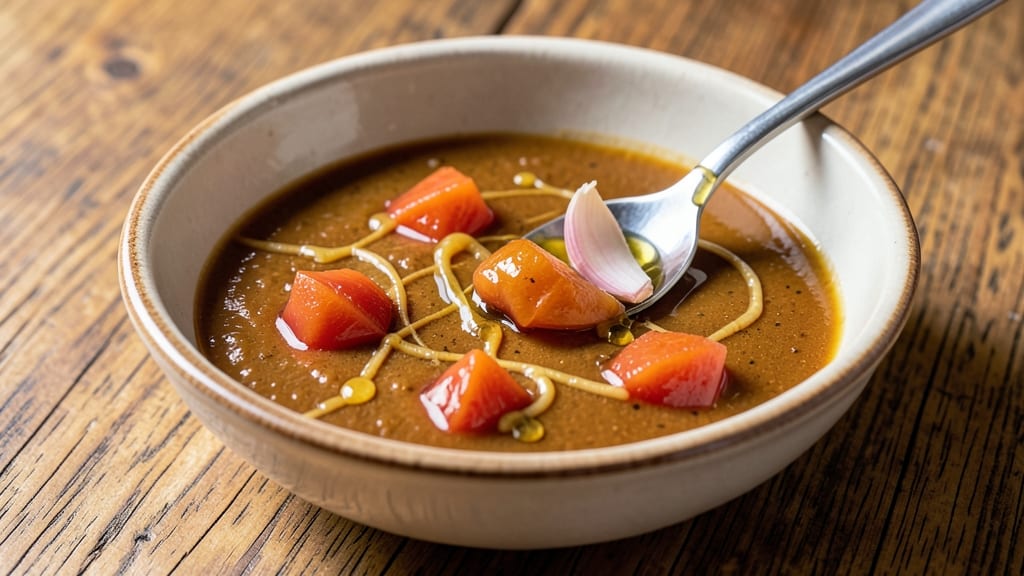
This apricot mustard sauce recipe transforms simple pantry staples into a versatile glaze that bridges sweet and tangy flavors with effortless elegance. The secret lies in balancing ripe apricot preserves with sharp Dijon mustard, creating a sauce that caramelizes beautifully when reduced—ideal for glazing roasted meats, drizzling over grilled vegetables, or elevating everyday sandwiches. I developed this recipe after years of searching for a sauce that could stand up to bold proteins while adding depth without overpowering them.
The process is straightforward yet transformative: simmering apricot preserves with mustard, vinegar, and a touch of honey until thickened creates a sauce that's rich enough for a main course but bright enough for a quick weeknight dinner.
The key is patience—letting the mixture reduce slowly on the stove allows the flavors to meld into a cohesive, velvety consistency that clings perfectly to any protein. This isn't just a condiment; it's a flavor multiplier that turns simple dishes into restaurant-worthy meals.
What makes this sauce truly special is its versatility. Use it as a glaze for chicken or pork, a marinade for tenderizing tough cuts, or a dipping sauce for fresh bread and cheese.
The balance of sweet and tangy ensures it works with both rich and delicate flavors, making it a pantry essential for any home cook. Once you taste the way it enhances grilled salmon or roasted carrots, you'll never reach for store-bought again.
Best of all, the sauce keeps well in the refrigerator for up to two weeks, so you can make a big batch and use it throughout the week. The ingredients are simple—just apricot preserves, mustard, vinegar, and honey—but the result is anything but ordinary. Let's get cooking!
Ingredients for apricot mustard sauce
Eight simple ingredients transform into a sauce that elevates everything from grilled meats to fresh bread.
| Ingredient | Amount | Notes |
|---|---|---|
| Apricot Preserves 🍑 | 1 ½ cups | High-quality, no added sugar preferred |
| Dijon Mustard 🌶️ | ½ cup | Sharp variety for best tang |
| Apple Cider Vinegar 🍏 | ¼ cup | For bright acidity balance |
| Honey 🍯 | ¼ cup | Wildflower preferred for depth |
| Extra-Virgin Olive Oil 🫒 | ¼ cup | For richness and silkiness |
| Fresh Garlic Cloves 🧄 | 3 cloves | Minced for aromatic foundation |
| Salt 🧂 | ½ tsp | Diamond Crystal preferred |
| Black Peppercorns 🌶️ | ¼ tsp | Freshly cracked for warmth |
| Fresh Thyme Leaves 🌿 | ¼ tsp | Or 1/4 tsp dried thyme |
The apricot preserves make or break this sauce—look for brands with minimal added sugar like Bonne Maman or local orchard preserves. Trader Joe's has a great organic option that works perfectly. Dijon mustard is non-negotiable; the sharpness cuts through the sweetness beautifully. Fresh garlic and thyme add layers of complexity that jarred seasonings can't match, but if you're in a pinch, dried thyme at one-third the amount will do. For the olive oil, avoid light or refined varieties—you want something fruity and robust that stands up to the other flavors. The honey should be wildflower or clover for that subtle floral note that complements the apricot.
No apricot preserves? Peach or plum jam works in a pinch, though the flavor will shift slightly. Short on Dijon? Whole-grain mustard with extra vinegar mimics the texture. The vinegar can be swapped for lemon juice if you prefer a citrusy twist, though apple cider adds that perfect autumnal touch. If you're avoiding honey, maple syrup or agave nectar work well—just reduce the sauce longer to balance the sweetness. The garlic can be roasted ahead of time for a mellow, sweet depth, but raw minced works just fine. For extra richness, stir in a tablespoon of vegan butter or tahini at the end, though the olive oil already provides plenty of body.
This sauce keeps beautifully—two weeks in the fridge sealed in a jar, or up to six months frozen in ice cube trays for perfect single-use portions. The flavors actually improve over time as everything melds together. For best results, let it come to room temperature before using—it'll be silky smooth. If it thickens too much, just whisk in a splash of warm water. I like to make a big batch and keep it on hand for everything from glazing pork chops to drizzling over roasted Brussels sprouts. The versatility is what makes it a pantry game-changer.
Why You'll Love This Recipe
- Here’s what sold me: the way the tangy Dijon mustard cuts through the jammy sweetness, while the apple cider vinegar keeps it bright. Drizzle it over grilled chicken or toss it with roasted veggies, and you’ve got this perfect, addictive contrast that’s neither too cloying nor too sharp.
- I’ll be real: this recipe won’t break the bank. You’re using things you likely already have—no specialty ingredients, no last-minute grocery runs. Plus, it keeps in the fridge for weeks, so you’re always covered. That’s my kind of reliable, budget-friendly win.
Step-by-step instructions for apricot mustard sauce
This sweet-tangy sauce comes together faster than you'd think—just five simple steps to balance fruit, spice, and richness.
Warm the Apricot Preserves
Place the 1.5 cups apricot preserves in a medium saucepan over medium-low heat. Let it warm gently for 3-4 minutes, stirring occasionally until it reaches 100°F—just warm enough to release its natural aromas without breaking down the fruit texture. You'll know it's ready when the preserves are smooth and slightly shimmering, with a subtle fruity scent filling the air.
This gentle warming step is crucial—it softens the preserves without cooking them into a jammy consistency. If you rush this, the sauce will lose its delicate balance of sweetness and tang. Keep the heat low to prevent the fruit from curdling or losing its vibrant color.
Build the Flavor Base
Reduce the heat to low and add the 0.5 cup Dijon mustard, 0.25 cup apple cider vinegar, and 0.25 cup honey. Stir constantly for 2-3 minutes until everything is fully incorporated and the mixture thickens slightly. You're looking for a smooth, velvety consistency with no lumps—this is where the tangy, sweet, and acidic elements begin to marry.
The Dijon mustard will add depth and complexity, while the vinegar brightens the sauce. The honey helps balance the acidity, creating that signature sweet-tangy profile. If the mixture seems too thick at this point, don't worry—it will emulsify beautifully in the next step.
Infuse with Aromatics
Add the 3 cloves minced fresh garlic, 0.25 tsp freshly cracked black peppercorns, and 0.25 tsp fresh thyme leaves to the saucepan. Stir for 1-2 minutes until the garlic is fragrant but not browned (you don't want it to burn—just aromatic). Then, whisk in the 0.25 cup extra-virgin olive oil in a slow, steady stream to create a silky emulsion.
The olive oil is what transforms this sauce from a simple glaze into something luxurious. The key here is patience—adding the oil too quickly will cause it to separate. Stirring slowly allows the oil to bind with the other ingredients, creating a glossy, velvety texture. If the sauce looks too thick after adding the oil, you can thin it slightly with 1-2 tablespoons warm water if needed.
Season and Simmer
Add the 0.5 tsp salt and taste the sauce. Adjust the seasoning as needed—you might want to add a touch more honey for sweetness or a splash more vinegar for tang. Once balanced, increase the heat to medium-low and let the sauce simmer gently for 5-7 minutes, stirring occasionally. The sauce should thicken slightly and coat the back of a spoon.
This simmering step is where all the flavors meld together. You're looking for a sauce that's smooth, glossy, and perfectly balanced—neither too thick nor too thin. If it starts to look too syrupy, you can thin it with a splash of warm water or apple cider vinegar to maintain that perfect consistency.
Finish and Use Immediately
Remove the sauce from heat and let it cool slightly for 2-3 minutes. Strain it through a fine-mesh sieve to remove any thyme stems or peppercorn bits if desired (this step is optional but gives a smoother texture). Taste again and adjust the seasoning one final time—this is your chance to perfect the balance of sweet, tangy, and savory.
This sauce is best used immediately, but it will keep in the refrigerator for up to 5 days in an airtight container. It's perfect for drizzling over grilled chicken, pork tenderloin, or even as a glaze for roasted vegetables. The contrast of sweet and tangy makes it incredibly versatile—trust your taste buds to guide the final adjustments.
Pro Tips For Making Apricot Mustard Sauce
- STIR CONSTANTLY ON LOW HEAT: I learned this the hard way—skipping the stir while warming apricot preserves on low heat turns your sauce into a sticky mess. Keep it moving with a wooden spoon until everything melts smoothly, or you’ll end up scraping burnt bits off the pan later.
- USE GRANULATED HONEY: Liquid honey makes the sauce too runny, especially if you’re adding it last. Grab the granulated kind instead—it dissolves cleanly and gives the sauce better body without thinning it out.
- SALT THE MUSTARD FIRST: Dijon mustard tastes bland until you salt it. Sprinkle a pinch right into the bowl before mixing, then taste—this balances the sharpness and sweetness better than adding salt later.
- WHISK IN OLIVE OIL LAST: Adding extra-virgin olive oil too early emulsifies the sauce into a gloopy sludge. Stir it in only after everything else is warm and smooth—it’ll coat the sauce evenly without breaking the texture.
Creative variations of this recipe
Spicy Kick
For a bold twist, add 1 tsp hot sauce (like Cholula or Tabasco) or ½ tsp cayenne pepper to the simmering sauce. This amplifies the heat while keeping the sweet-tangy balance intact.
I love this variation for grilling—it pairs perfectly with spicy pork ribs or chicken wings. Just stir it in during the final 2 minutes of simmering to preserve its fiery punch. 🌶️
Herb-Infused Variations
Swap the thyme for rosemary or fresh tarragon to create a completely different flavor profile. Rosemary adds an earthy depth that works beautifully with lamb chops, while tarragon brings a subtle anise note that complements fish or poultry.
Use 1 tsp fresh leaves (or ½ tsp dried) and remove stems before straining. For extra complexity, infuse the olive oil with ½ tsp dried herbs before adding it to the sauce.
Citrus Zest Twist
Brighten the sauce with 1 tbsp fresh lemon or orange zest and 1 tbsp juice during the final simmer. This variation works wonders with seafood dishes like grilled shrimp or salmon. The citrus zest adds a refreshing aroma, while the juice prevents the sauce from becoming too sweet.
I like to add it with the salt in the last 3 minutes of cooking to let the flavors meld. For a garnish, top with a sprinkle of zest before serving.
Smoky Depth
Add ½ tsp smoked paprika or 1 tsp liquid smoke to the sauce for a smoky dimension that pairs beautifully with grilled meats. This variation is inspired by Southern BBQ traditions and works exceptionally well with pulled pork sandwiches or smoked brisket.
Stir it in during the final 5 minutes of simmering to let the smoky notes infuse without overpowering the sweet-tangy base. 🔥
Creamy Upgrade
For a luxurious texture, stir in 2 tbsp Greek yogurt or 1 tbsp sour cream during the final 2 minutes of cooking. This creates a silky, creamy sauce perfect for drizzling over roasted vegetables or grilled chicken.
The dairy adds a subtle tang that complements the apricot and mustard beautifully. If you prefer a vegan option, use 2 tbsp coconut yogurt instead. For extra richness, whisk in 1 tbsp melted butter at the end.
Global Fusion Twist
Transform this sauce into a fusion masterpiece by adding 1 tsp soy sauce or 1 tsp hoisin sauce for an Asian-inspired twist. This works brilliantly with grilled pork skewers or stir-fried noodles.
The umami depth from the soy sauce elevates the sweet-tangy profile, creating a sauce that's both familiar and exciting. Stir it in during the final 3 minutes of simmering to let the flavors meld harmoniously. For a spicy kick, add ½ tsp sriracha as well.
Nutrition facts
Frequently asked questions
Can I substitute apricot preserves with something else?
Yes! Peach or plum jam works best as a substitute, though the flavor will shift slightly toward more floral or tart notes. For a fruitier profile, try mango chutney (reduce the honey slightly) or fig jam for deeper sweetness. Avoid overly watery jams—they won't thicken properly. If using fruit puree, simmer it longer to reduce moisture.
How do I adjust the sweetness or tanginess?
For more sweetness, add 1-2 teaspoons honey or 1 tablespoon maple syrup at the end. Need extra tang? Stir in 1-2 teaspoons apple cider vinegar or a splash of lemon juice. Always taste as you go—this sauce is all about balance! The mustard provides natural depth, so adjust the other components gradually.
Is this sauce vegan-friendly?
Mostly! Skip the honey and use agave nectar or maple syrup instead. For extra richness, replace the olive oil with avocado oil and add 2 tablespoons coconut yogurt at the end. The Dijon mustard is typically vegan, but always check the label. This version works perfectly with grilled tofu or veggie platters.
Can I make this sauce ahead of time?
This sauce keeps beautifully in an airtight container for 2 weeks refrigerated or 6 months frozen. For freezing, portion into ice cube trays—thaw and reheat gently before using. The flavors actually deepen over time, making it a perfect make-ahead sauce. Just give it a quick stir and taste before serving to refresh the balance.
What's the best way to use this sauce?
This versatile sauce shines as a glaze for meats (especially pork or chicken), a marinade (combine with olive oil), or a dipping sauce for fresh bread. Try brushing it on grilled salmon or drizzling over roasted Brussels sprouts. For extra shine, reduce it slightly before using—just simmer uncovered for 5 minutes until glossy.