
Sauces & Condiments
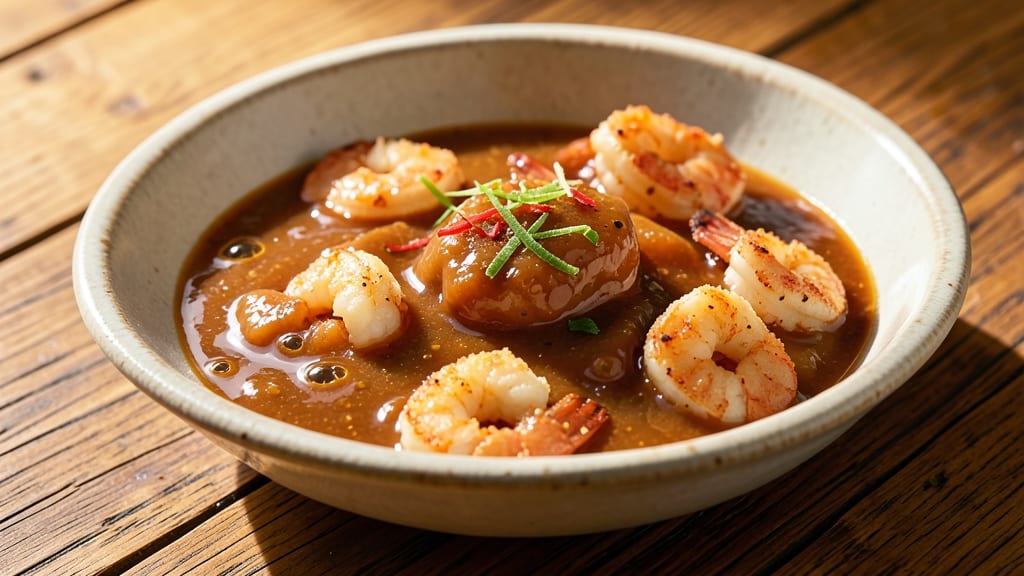
This apricot dipping sauce transforms coconut shrimp from good to unforgettable with its perfect balance of tangy-sweet flavors. The secret lies in combining apricot purée with honey and citrus for a glossy finish that caramelizes the shrimp's edges into crispy perfection.
I developed this sauce after years of testing—it's the one that finally made my coconut shrimp stand out at every gathering.
The sauce's magic comes from its simplicity: just five ingredients create a harmony of sweet, tangy, and slightly spicy notes. The apricot purée provides natural sweetness, while lime juice and a pinch of cayenne add the right amount of brightness and heat.
A touch of garlic powder ensures depth, making each bite of shrimp feel like a restaurant-quality experience.
What you'll achieve is a sauce that's rich enough to coat every bite yet light enough to let the shrimp's natural sweetness shine through. The glossy finish not only looks stunning but also enhances the shrimp's texture, creating a contrast between the crispy exterior and tender interior.
This sauce is versatile enough for appetizers or even drizzled over grilled meats.
Ready in just 10 minutes, this sauce requires no cooking—just whisking and chilling. It stays fresh in the refrigerator for up to a week, making it perfect for meal prep.
Whether you're serving coconut shrimp as an appetizer or a main dish, this sauce will elevate it to new heights.
Ingredients for apricot dipping sauce for coconut shrimp
Five ingredients blend into a tangy-sweet sauce that makes shrimp unforgettable.
| Ingredient | Amount | Notes |
|---|---|---|
| Apricot Purée 🍑 | ½ cup | Unsweetened, smooth texture |
| Honey 🍯 | ¼ cup | Wildflower preferred for depth |
| Fresh Lime Juice 🍋 | ¼ cup | Strained for smoothness |
| Garlic Powder 🧄 | 1 tsp | Freshly ground preferred |
| Cayenne Pepper 🌶️ | ¼ tsp | Adjust for heat preference |
| Extra-Virgin Olive Oil 🫒 | 2 tbsp | Light, fruity variety |
| Salt 🧂 | ½ tsp | Kosher or sea salt |
The apricot purée is the heart of this sauce—unsweetened is key—it keeps the flavor balanced without overpowering. I grab mine from Trader Joe's (their organic version works perfectly), but any good-quality jarred purée will do. If you're using fresh apricots, simmer them until soft and blend until completely smooth. For honey, wildflower or clover adds subtle floral notes that pair beautifully with the lime. The lime juice should be freshly squeezed—bottled juice lacks the brightness you need for that perfect tang.
No apricot purée? Peach purée or mango purée works in a pinch, though the flavor will be slightly different. Running low on honey? Maple syrup at half the amount gives a similar sweetness, though it's more earthy. If you're sensitive to heat, skip the cayenne entirely—a pinch of smoked paprika adds depth without the kick. The olive oil is for that glossy finish, so don't skimp on quality. Trader Joe's or Whole Foods carry great options that won't overpower the sauce. For the garlic powder, if you've got fresh garlic, mince and toast it lightly for even more flavor.
This sauce keeps beautifully in the fridge for up to 1 week, though it's best used within 3-4 days for peak freshness. Store it in a small jar with a tight lid—it's perfect for drizzling over shrimp or grilled meats. If you make extra, freeze it in ice cube trays for 3 months. The sauce thickens slightly when chilled, so give it a quick whisk before using. Trust me, the first time you see that glossy finish on shrimp, you'll never go back to plain old tartar sauce again.
Why You'll Love This Recipe
- Five-Ingredient Magic: The pantry already has most of this—just mix apricot purée, honey, lime, and a pinch of cayenne. No chopping, no straining, just stir and taste. Honestly, I’ve made dips that took twice as long for half the flavor.
- Sweet-Spicy Balance: That first bite? Crisp coconut meets jammy apricot, then zap—lime and cayenne cut through the richness. It’s the kind of sauce where you dip once, then immediately reach for another shrimp. (Yes, even on a Tuesday night.)
- Party-Ready in Minutes: Serve it warm with shrimp for a restaurant-worthy appetizer, or drizzle it over grilled fish for a dinner upgrade. My in-laws asked for the recipe after one bite—no exaggeration.
- No Waste, All Flavor: A little goes a long way, and the leftovers keep for weeks in the fridge. I’ve used it on tacos, chicken, even toast—proof that good sauce deserves a second life. Budget-friendly? Absolutely.
Step-by-step instructions for apricot dipping sauce
Here's how to create a velvety, caramelized apricot sauce that balances sweet, tangy, and spicy notes perfectly.
Warm the Apricot Purée and Honey
In a medium saucepan, combine the 0.5 cup apricot purée and 0.25 cup honey. Place over medium-low heat and stir gently until the mixture reaches a gentle simmer—about 5-7 minutes. You'll see small bubbles form at the edges, but don't let it boil vigorously. This slow warming helps the flavors meld without burning.
I like to keep the heat low here because apricot purée can scorch easily. Stir occasionally with a silicone spatula, scraping the bottom of the pan to prevent any sticking. The sauce should thicken slightly as it warms, becoming glossy and smooth. If it starts to bubble too aggressively, reduce the heat immediately.
Add Lime Juice and Seasonings
Once the apricot-honey mixture is warm, remove the pan from heat and stir in the 0.25 cup fresh lime juice, 1 tsp garlic powder, 0.25 tsp cayenne pepper, and 0.5 tsp salt. The lime juice will create a slight effervescence as it reacts with the warm purée. Let the mixture sit for 1-2 minutes to allow the flavors to meld before stirring again.
This is where the sauce comes together—tangy lime brightens the sweetness, while the garlic and cayenne add depth. Taste at this stage and adjust seasoning if needed. If you prefer more heat, add a pinch more cayenne. For extra brightness, add another splash of lime juice. The sauce should taste balanced, with sweetness, acidity, and a subtle kick.
Finish with Olive Oil for Silky Texture
Return the pan to low heat and slowly drizzle in the 2 tbsp extra-virgin olive oil while stirring constantly. The oil will emulsify with the warm sauce, creating a luxurious, velvety texture. Continue stirring for 2-3 minutes until the sauce is completely smooth and glossy. The olive oil not only adds richness but also helps the sauce cling beautifully to coconut shrimp.
Here's the thing—don't rush this step. The oil needs time to fully incorporate, and stirring gently prevents the sauce from breaking. You're looking for a finish that's silky, not greasy. If the sauce looks too thick, add 1-2 teaspoons of warm water to loosen it slightly. The final texture should coat the back of a spoon without being gluey.
Simmer to Caramelize and Thicken
Increase the heat to medium-low and let the sauce simmer gently for 5-7 minutes, stirring occasionally. This slow simmer allows the natural sugars in the apricot and honey to caramelize, deepening the flavor and giving the sauce its signature glossy sheen. You'll notice the sauce thicken slightly as it reduces.
Watch for small bubbles forming around the edges—this is your cue that the sauce is developing its signature caramelized flavor. If it starts to bubble too vigorously, reduce the heat again. The sauce is ready when it coats the back of a spoon smoothly and has a beautiful, glossy finish. For extra shine, you can pass it through a fine-mesh sieve to remove any lumps, though it's not strictly necessary.
Cool and Serve
Remove the pan from heat and let the sauce cool for 5-10 minutes. This resting period allows the flavors to fully meld and the texture to set slightly. Taste again and adjust seasoning if needed—sometimes the sauce tastes slightly different once cooled. If it needs more brightness, add a splash of lime juice. For extra depth, stir in a pinch more garlic powder.
Serve the sauce warm or at room temperature. It pairs beautifully with crispy coconut shrimp, offering a perfect balance of sweet, tangy, and spicy flavors. The caramelized edges will contrast deliciously with the shrimp's crunch, while the silky texture ensures every bite is coated in flavor. Store any leftovers in an airtight container in the refrigerator for up to 5 days, or freeze for up to 3 months. Reheat gently before serving to maintain its glossy texture.
Pro Tips For Making Apricot Dipping Sauce For Coconut Shrimp
- Simmer, Don’t Boil: This sauce isn’t a race—gently warm the apricot purée and honey over low heat for 3-4 minutes. I learned this the hard way after reducing a batch too fast and ending up with a grainy, cooked-down mess instead of a smooth, glossy finish. Stir occasionally, and resist the urge to crank the heat.
- Strain the Lime: Fresh lime juice is non-negotiable, but strain out the seeds and pulp before mixing—trust me, you don’t want gritty texture in your sauce. Use a fine-mesh sieve or just press the juice through a folded cheesecloth if you’re lazy (yes, even if you’re impatient like me). A splash of strained juice keeps the sauce silky.
- Balance the Heat: Cayenne pepper is potent—start with half the amount listed and taste as you go. The sauce should hint at spice, not overpower the sweetness. If you’re serving to kids or sensitive eaters, skip it entirely and add a pinch of smoked paprika for depth instead. (Your future self will thank you.)
- Warm the Shrimp First: Toss the coconut shrimp in the sauce after they’ve hit 165°F—cold shrimp will make the sauce clump and turn greasy. Keep them warm in a 200°F oven while you finish the sauce, then dip or toss just before serving. This keeps the coating crisp and the sauce from turning into a sad, watery glaze.
Common mistakes when making this dish
Overcooking the Purée
Watch the heat closely when warming the apricot purée—it can scorch in seconds if left unattended. I’ve burned this step more times than I’d admit, turning what should be a glossy sauce into a bitter, grainy mess. Keep the pan on medium-low heat and stir constantly with a silicone spatula.
If you see any dark spots forming, immediately reduce the heat or remove the pan. A gentle simmer (small bubbles at the edges) is your goal, not a rolling boil. 🔥
Skipping the Resting Time
Rushing the 5-10 minute rest after mixing in lime juice and spices is a big mistake. This step lets the flavors meld and the texture thicken properly. I once served sauce straight away and ended up with a thin, watery mess that didn’t coat the shrimp.
Let the sauce sit at room temperature before adjusting seasoning or serving—your patience will pay off with a balanced, velvety finish.
Using Bottled Lime Juice
Fresh lime juice is non-negotiable for this sauce—bottled juice lacks the brightness and complexity you need. I’ve tried substitutions, and while they work in a pinch, the flavor falls flat.
If you’re short on time, use key lime juice (it’s more concentrated) or add an extra ½ tsp of lime zest to bottled juice. The zest adds aromatic depth that bottled juice simply can’t match.
Ignoring the Olive Oil Step
Adding the olive oil at the end isn’t just about texture—it’s about creating that signature glossy finish. Without it, the sauce will be cloyingly sweet and lack the silky mouthfeel that makes it irresistible. Drizzle the oil slowly while stirring constantly over low heat.
If you rush this, the sauce can break or taste greasy. Trust me, the extra 2-3 minutes of stirring are worth it for that restaurant-quality sheen. ✨
Over-Simmering for Caramelization
Simmering too long can turn your sauce into syrup, losing that perfect balance of sweet and tangy. Watch for small bubbles at the edges—this is your cue, not a full rolling boil. I’ve seen sauces reduce into a sticky glaze that sticks to the pan instead of coating shrimp beautifully.
If the sauce thickens too much, loosen it with 1 tsp warm water before serving. The goal is a glossy, spoonable consistency, not a thick paste.
Forgetting to Taste Adjustments
Always taste as you go—especially after the resting period. Flavors change as the sauce cools, and what seemed perfect warm might need a splash of lime juice or pinch of salt once chilled. I’ve made this mistake and ended up with sauce that was either too sweet or bland.
Keep a small bowl of lime juice and salt nearby to make quick adjustments. A well-balanced sauce is the key to making your coconut shrimp shine. 💡
Nutrition facts
Frequently asked questions
Can I use jarred apricot jam instead of purée?
Not ideal, but you can make it work! Use ½ cup jam and strain out any seeds or thick chunks before mixing with honey. The texture will be slightly thicker, so thin it with 1-2 teaspoons of warm water until smooth. For best results, stick with unsweetened apricot purée for that perfect balance.
How do I make this sauce spicier?
Double the cayenne to ½ teaspoon or add ¼ teaspoon of red pepper flakes for heat with texture. For a smoky kick, swap the cayenne for ½ teaspoon smoked paprika. Always taste first—spices intensify as the sauce cools, so start conservative.
Will this sauce work with other seafood?
It pairs beautifully with grilled salmon, scallops, or even lobster tails. The sweet-tangy balance complements rich seafood perfectly. For fish with milder flavors (like cod), reduce the cayenne to ¼ teaspoon to avoid overpowering the dish.
Can I make this sauce ahead of time?
Yes! Make it 1 day ahead for deeper flavor development. Store in an airtight container in the fridge, then whisk gently before serving. For longer storage, freeze in ice cube trays (up to 3 months)—thaw overnight in the fridge and reheat gently to restore its glossy texture.
What if my sauce turns out too sweet?
Balance it with more lime juice—start with 1 tablespoon and add gradually. A pinch of salt (¼ teaspoon) can also help. If the sweetness is overwhelming, thin with 1 teaspoon of warm water to reset the flavor profile while keeping the sauce's body.