
Sauces & Condiments
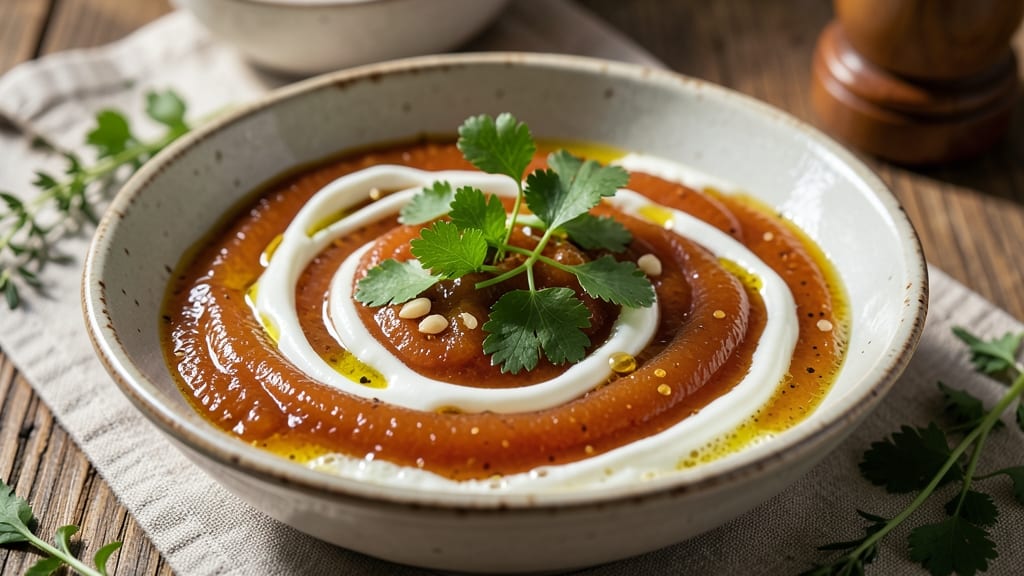
This apricot and coriander sauce recipe transforms ordinary grilled dishes into vibrant, flavor-packed meals with just a few simple ingredients. The perfect balance of sweet, tart apricots and fresh coriander creates a bright, herbal sauce that pairs beautifully with everything from grilled chicken to roasted vegetables.
What makes this sauce truly special is how effortlessly it elevates any dish—no complicated techniques required.
The foundation of this sauce lies in its fresh ingredients: ripe apricots (fresh or frozen work equally well) blended with bright coriander, garlic, and a touch of lemon juice for acidity.
A hint of cumin and chili powder adds warmth, while a splash of yogurt or cream creates that signature silky texture. The result is a sauce that’s both refreshing and rich, with layers of flavor that develop even more as it sits.
What you’ll end up with is a versatile condiment that can be drizzled over grilled meats, stirred into yogurt for a dip, or even spooned over desserts for a sweet-tart contrast. It keeps well in the refrigerator for up to a week, making it perfect for meal prep.
The sauce’s natural sweetness and herbal notes make it a standout addition to any table.
Whether you’re serving it as a glaze for lamb chops or a dip for pita bread, this apricot and coriander sauce is a game-changer for bringing bold, fresh flavors to your dishes. Ready to make it? Here’s everything you need to get started.
Ingredients for apricot and coriander sauce
Fresh apricots and coriander make this sauce shine—simple but packed with bright flavors.
| Ingredient | Amount | Notes |
|---|---|---|
| Fresh Apricots 🍑 | 1 ½ cups | Pitted, fresh or frozen |
| Fresh Coriander Leaves 🌿 | 1 cup | Stems removed, loosely packed |
| Garlic Cloves 🧄 | 3 cloves | Peeled, roughly chopped |
| Plain Yogurt 🥛 | ½ cup | Full-fat for creaminess |
| Extra-Virgin Olive Oil 🫒 | ½ cup | High-quality, fruity |
| Lemon Juice 🍋 | 2 tbsp | Freshly squeezed |
| Ground Cumin 🌿 | 1 tsp | Toasted for depth |
| Chili Powder 🌶️ | ½ tsp | Adjust for heat |
| Salt 🧂 | ½ tsp | Kosher or sea salt |
| Honey 🍯 | 1 tbsp | Optional, for balance |
The apricots are the star here. Fresh is ideal, but frozen works too—just thaw them first. Trader Joe's often has the best ripe ones, or grab a small bag of frozen if you're in a rush. Coriander leaves should be bright green, not wilted. If you're using stems, give them a quick rinse. The yogurt? Full-fat is worth it—it adds that creamy texture that makes this sauce irresistible. Skip it if you're vegan, but the sauce still works beautifully with coconut yogurt instead.
No fresh apricots? Dried apricots soaked in warm water work in a pinch (drain well). Short on coriander? Fresh parsley or cilantro can substitute, though the flavor will shift slightly. The honey is optional, but if you're using it, local raw honey adds a deeper flavor. No olive oil? Avocado oil or neutral oil keeps the same neutral base. And if you're sensitive to heat, cut the chili powder to a quarter teaspoon—it's still delicious.
This sauce keeps for 5-7 days in the fridge, sealed tight. The flavors actually get better as it sits, so make extra. Store it in a glass jar—plastic can absorb flavors. If you're prepping for a crowd, double the batch. It reheats beautifully, though I prefer it cold or at room temperature. Perfect for drizzling, dipping, or even mixing into dressings.
Why You'll Love This Recipe
- No Blender Needed: I swear by this—just chop the apricots by hand (or buy them pitted and halved for even less work) and pulse the coriander in batches if you're nervous. That yogurt and olive oil blend? Stir it with a spoon. Honestly, the sauce comes together faster than I can say "dinner’s almost ready."
- Sweet-Savory Magic: The moment you toss those charred garlic cloves into the yogurt, then fold in the bright coriander and juicy apricots? It’s like a flavor explosion in your mouth. The yogurt cools the heat, the apricots bring natural sweetness, and the coriander leaves that zing—it’s the kind of sauce that makes you lick the bowl.
- Dresses Up Everything: Slather it on grilled chicken, drizzle it over roasted potatoes, or spoon it into wraps—this sauce turns ordinary meals into something special. I’ve even used it as a dip for naan when friends drop by unexpectedly. (Yes, even on a Tuesday night.)
- Leftovers That Last: Make a double batch and store it in the fridge for up to five days. The flavors actually deepen overnight, and it’s perfect for quick lunches or last-minute dinner fixes. Plus, the ingredients are cheap—apricots in season, a bunch of coriander, and a tub of yogurt. Budget-friendly? Absolutely.
Step-by-step instructions for apricot and coriander sauce
Here's how to blend sweet apricots with zesty coriander for a vibrant sauce that elevates grilled meats.
Prepare the Apricot Base
Start by pitting the 1.5 cups of fresh apricots if using fresh fruit—this removes the large pit that can make the sauce bitter. If using frozen apricots, no need to thaw them first. Chop the apricots into small, even pieces about the size of a dime. This ensures they cook evenly and blend smoothly into the sauce.
Place the chopped apricots in a medium saucepan over medium heat. Add the 2 tablespoons of lemon juice and 1 tablespoon of honey (if using). Stir occasionally as they cook for 5-7 minutes until they soften and begin to break down. You'll know they're ready when they release their juices and form a slightly thickened purée—this is the foundation of your sauce.
Build the Herbal Flavor Profile
While the apricots cook, finely chop the 1 cup of fresh coriander leaves (stems removed) and mince the 3 cloves of garlic. Add these to the saucepan along with the 1 teaspoon of ground cumin, ½ teaspoon of chili powder, and ½ teaspoon of salt. Stir everything together and let it simmer for 2-3 minutes until the garlic becomes fragrant and the spices bloom.
This is where the magic happens—the coriander adds a fresh, citrusy note that balances the sweetness of the apricots, while the cumin and chili powder bring warmth and depth. Don't rush this step; let the spices meld with the apricot mixture for a cohesive flavor.
Blend to a Silky Texture
Remove the saucepan from heat and let the mixture cool slightly for 2-3 minutes. This prevents splattering when you blend. Using an immersion blender, blend the mixture until smooth. If you don't have an immersion blender, transfer the sauce to a regular blender and blend until completely smooth—you want no visible chunks of apricot or coriander.
For an ultra-smooth texture, strain the blended sauce through a fine-mesh sieve to remove any remaining bits. This step is optional but ensures a velvety finish that coats grilled dishes perfectly. Taste and adjust seasoning if needed—you might want to add a pinch more salt or a splash of lemon juice for brightness.
Finish with Creamy Richness
Return the blended sauce to the saucepan and stir in the ½ cup of plain yogurt and ½ cup of extra-virgin olive oil. Heat the mixture over low heat for 1-2 minutes, stirring constantly, until everything is well combined and the sauce reaches a warm, creamy consistency. The olive oil adds a luxurious mouthfeel, while the yogurt deepens the sauce's richness.
This final step is crucial—it transforms the sauce from a bright purée into a luscious, coating sauce perfect for drizzling over grilled chicken, lamb, or even roasted vegetables. Let it cool slightly before serving, as the flavors will continue to meld and deepen as it sits.
Pro Tips For Making Apricot And Coriander Sauce
- Blister Apricots First: Toss halved apricots in a dry skillet over medium-high heat for 2-3 minutes until their edges darken slightly—this concentrates their sweetness and prevents a watery sauce later. I used to skip this, and the sauce always ended up thin and bland.
- Pulse Garlic Lightly: Use your knife to smash 2-3 garlic cloves into a rough paste (not a fine purée) before adding them to the yogurt—this keeps the texture bright and prevents a muddy finish. A food processor will turn it into garlic glue.
- Drain Coriander Twice: Rinse the coriander leaves in cold water, then spin them dry in a salad spinner (or wrap in a towel and squeeze hard) before blending—wet leaves dilute the sauce and make it separate. This is the thing that actually changes the outcome.
- Whisk Yogurt Cold: Chill the yogurt for 10 minutes before blending it with the apricot mixture, then whisk it in last—this keeps the sauce from curdling when you add the hot apricot purée. I learned this the hard way after making a lumpy batch.
Troubleshooting this dish
Sauce Too Thin?
If your sauce feels too watery after blending, simmer it uncovered over low heat for 5-7 minutes to reduce the liquid. Stir occasionally to prevent sticking. For an instant fix, whisk in 1 teaspoon of cornstarch mixed with 1 tablespoon of cold water—simmer for 1-2 minutes until thickened. 🔥
Sauce Too Thick?
Thick sauce? Thin it with 1-2 tablespoons of warm water or yogurt (if you have extra). For a smoother texture, whisk vigorously or blend briefly with an immersion blender. If using dried apricots, soak them longer next time—they absorb more liquid.
Fruity Bitterness?
Overcooked apricots can turn bitter. To fix, balance with extra lemon juice (start with ½ teaspoon) or honey (add ½ teaspoon). For prevention, cook apricots over medium-low heat and remove from heat as soon as they soften—5-7 minutes max. 🍋
Herbal Flavor Weak?
If the coriander taste is muted, add 1 extra tablespoon of fresh leaves (chopped) and let it steep for 5 minutes off heat before blending. For deeper flavor, toast the cumin seeds (instead of ground) in a dry pan for 30 seconds before grinding—this adds nutty warmth.
Separation Issues?
If the sauce separates (oil/yogurt rising), whisk vigorously or blend briefly. For prevention, chill the sauce for 30 minutes before blending—this helps emulsify the ingredients. Store in a glass jar (not plastic) to avoid further separation.
Nutrition facts
Frequently asked questions
Can I use dried apricots instead of fresh?
Yes, but you'll need to soak them first! Use ½ cup dried apricots soaked in ½ cup warm water for 20 minutes before draining. This mimics the moisture of fresh fruit. For extra richness, add 1 teaspoon of apricot jam to compensate for lost natural sweetness.
What's the best way to store leftovers?
Transfer to an airtight glass jar and refrigerate for up to 7 days. The flavors actually improve as it sits! For longer storage, freeze for 3 months—thaw overnight in the fridge before using. Always keep the yogurt component separate if freezing to prevent separation.
How can I make this sauce vegan?
Swap the yogurt for ½ cup coconut yogurt or cashew cream (blend soaked cashews with water). Use olive oil instead of dairy-based oils. The texture stays creamy, though slightly lighter. Add 1 teaspoon of maple syrup if the sauce tastes too tart.
What are the best dishes to pair with this sauce?
This sauce shines with grilled meats (lamb, chicken, or pork), but also works beautifully with roasted vegetables or as a dip for warm naan/pita. Try drizzling over couscous salads or using it as a marinade base. The sweet-tart balance cuts through rich flavors perfectly!
Can I make this sauce ahead of time?
Make it 1-2 days ahead for deeper flavor development. Store in the fridge and stir well before serving. For best results, let it sit at room temperature for 30 minutes before using—this helps the ingredients meld together. The sauce actually tastes better the next day!