
Sauces & Condiments
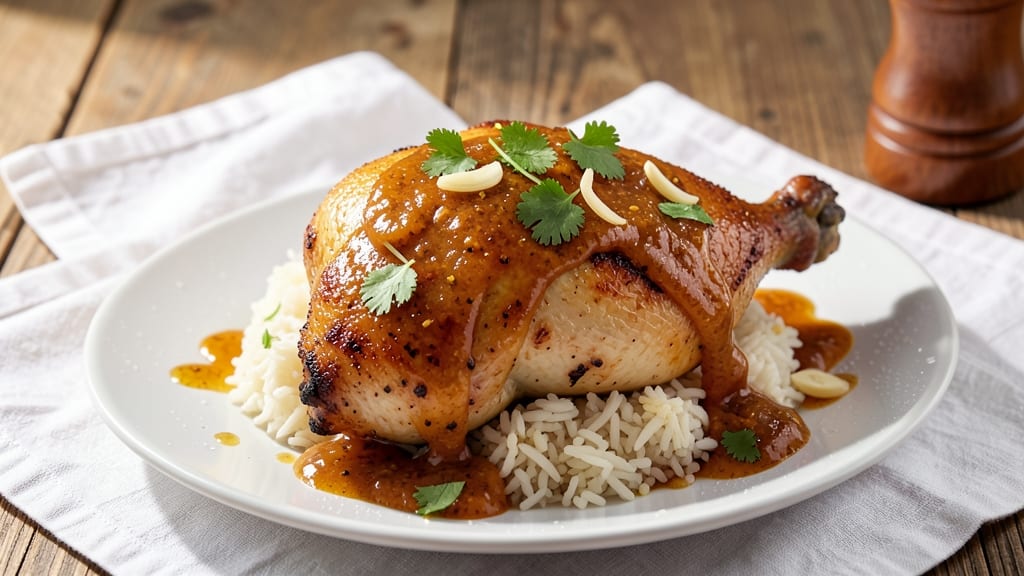
This apricot chicken sauce transforms ordinary grilled or baked chicken into something extraordinary with its perfect balance of sweet, tangy, and savory flavors. 🌟 The secret lies in simmering apricot preserves with aromatic spices, creating a glossy glaze that caramelizes beautifully while cooking.
The sauce begins with a simple base of apricot preserves, honey, and vinegar, which creates the signature sweet-tart profile. Aromatics like garlic, ginger, and soy sauce add depth, while a touch of cornstarch ensures the perfect consistency—thick enough to cling to chicken but still silky smooth.
This recipe delivers restaurant-quality results without requiring advanced techniques.
What makes this sauce truly special is its versatility. It works equally well as a glaze for grilled chicken breasts, a drizzle over roasted chicken thighs, or even a dipping sauce for spring rolls.
The flavors develop as it simmers, intensifying into a rich, sticky glaze that enhances the natural taste of the chicken.
Once you try this sauce, you'll never go back to store-bought versions. It stores well in the refrigerator for up to 2 weeks, making it perfect for meal prep or gifting. Let's create this flavorful glaze that will elevate your chicken dishes to new heights.
Ingredients for apricot chicken sauce
Sweet, tangy, and savory—this sauce transforms chicken into a restaurant-worthy masterpiece.
| Ingredient | Amount | Notes |
|---|---|---|
| Apricot Preserves 🍑 | ¾ cup | High-quality, no added sugar preferred |
| Honey 🍯 | ½ cup | Wildflower or clover variety |
| Rice Vinegar 🍶 | ¼ cup | White or seasoned |
| Garlic Cloves 🧄 | 4 cloves | Minced finely for depth |
| Fresh Ginger 🌿 | 1 tbsp | Grated finely, aromatic |
| Soy Sauce 🍶 | 2 tbsp | Light or dark preferred |
| Cornstarch 🌾 | 1 tbsp | For perfect silky consistency |
| Extra-Virgin Olive Oil 🫒 | 1 tbsp | For glossy finish |
| Salt 🧂 | ½ tsp | Fine sea salt |
| Ground Black Pepper 🌶️ | ¼ tsp | Freshly cracked |
The apricot preserves are the star here. Trader Joe's and Whole Foods carry the best no-sugar-added varieties—look for vibrant color and smooth texture. Honey should be liquid at room temperature; if yours is crystallized, warm it gently in the microwave. Fresh ginger is ideal, but powdered works in a pinch (use half the amount). The soy sauce adds that umami punch—Kikkoman or Lee Kum Kee are my go-tos, but any good-quality brand does the trick. For the garlic, I always use fresh—it makes a huge difference in flavor depth.
No apricot preserves? Mango chutney or plum jam works in a pinch, though the flavor will shift slightly. Substituting honey? Maple syrup or agave works, but reduce by 10% since they're less sweet. Vinegar missing? Apple cider vinegar is a great swap. The cornstarch is crucial for that perfect glaze consistency—don't skip it. For extra richness, add a dash of sesame oil at the end. The olive oil not only adds gloss but also helps balance the sweetness, so don't skimp on quality here.
This sauce keeps beautifully in an airtight container in the fridge for up to 2 weeks. For longer storage, freeze portions in ice cube trays—just thaw and warm gently before using. The flavor actually improves after a day or two as the ingredients meld together. I like to make a big batch and drizzle it over everything—chicken, tofu, even roasted veggies. It reheats perfectly, so double up if you're planning ahead.
Why You'll Love This Recipe
- Pantry Magic: I swear by this sauce when I forget to grocery shop—just open the apricot preserves jar, toss in honey and vinegar, and simmer. That’s it. No last-minute ingredient hunts, no stress.
- Sweet-Savory Balance: The apricot jam gives it a jammy richness, but the ginger and garlic cut through with a bright, zesty kick. Honestly, it’s the kind of sauce that makes you go back for seconds without even trying.
- Weeknight to Dinner Party: Slather it on grilled chicken for a quick weeknight meal, or drizzle it over roasted veggies for a fancy-looking dish. My in-laws think I slaved over it—between us, it took 15 minutes.
- Leftovers That Shine: This sauce actually improves after sitting overnight. I make a double batch, store half, and use it for stir-fries or sandwiches later. Budget-friendly? Absolutely. Versatile? Even more so.
Step-by-step instructions for apricot chicken sauce
This honey-tinged glaze transforms simple chicken into something extraordinary—sweet, tangy, and perfectly balanced.
🍳 Step 1: Sauté Aromatics Until Fragrant
Heat the 1 tablespoon extra-virgin olive oil in a medium saucepan over medium heat. Add the 4 minced garlic cloves and 1 tablespoon finely grated fresh ginger, stirring constantly for 1-2 minutes until the garlic turns golden and fragrant. Here's the thing—don't let it brown or it'll turn bitter. You'll know it's ready when your kitchen smells like a sweet, spicy paradise.
Next, pour in the 2 tablespoons soy sauce and let it simmer for 30 seconds until it just starts to bubble. This step builds the umami foundation that makes the sauce sing. If you're using dark soy sauce, you'll get even deeper color and flavor, but light works perfectly too.
🍳 Step 2: Combine Wet Ingredients
Reduce the heat to low and carefully stir in the 0.5 cup honey and 0.25 cup rice vinegar. Watch as the mixture starts to bubble gently—this is where the magic happens. Let it simmer for 3-4 minutes, stirring occasionally, until the sauce begins to thicken slightly. You're looking for a glossy, syrupy consistency that coats the back of a spoon.
Here's where it gets fun—add the 0.75 cup apricot preserves and stir until fully incorporated. The preserves will add that beautiful fruitiness that balances the tangy vinegar and rich honey. If your preserves are chunky, give them a quick stir with a fork first to help them dissolve smoothly into the sauce.
🥘 Step 3: Thicken and Season
In a small bowl, whisk together the 1 tablespoon cornstarch with 2 tablespoons water to create a smooth slurry. Slowly pour this into the sauce while stirring constantly over medium-low heat. Keep stirring for 2-3 minutes until the sauce thickens to a glossy, coatable consistency. You want it to be thick enough to cling to chicken but still flow nicely when drizzled.
Season with 0.5 teaspoon salt and 0.25 teaspoon ground black pepper, then taste. You might want to add a touch more honey if it's too tangy, or a splash more rice vinegar if it's too sweet. The sauce should be perfectly balanced—sweet, tangy, and slightly salty with a hint of spice from the ginger.
⏰ Step 4: Simmer and Finish
Return the sauce to a gentle simmer and let it cook for 5-7 minutes until it reaches your desired consistency. It should be thick enough to coat the back of a spoon but still pourable. If it's too thick, whisk in 1 teaspoon water at a time until it reaches the perfect texture. The sauce should have a beautiful glossy sheen and a rich, aromatic scent.
Remove from heat and let it cool slightly before using. This resting period allows the flavors to meld together perfectly. The sauce will thicken even more as it cools, so don't worry if it looks a bit runny while still hot. You're now ready to drizzle this incredible glaze over your grilled or baked chicken for a restaurant-quality finish!
Pro Tips For Making Apricot Chicken Sauce
- Simmer Slow and Low: I used to rush this sauce, thinking more heat meant faster flavor—but that just burns the apricot preserves and makes the sauce bitter. Once it’s boiling, drop to a gentle simmer and let it melt together for at least 10 minutes. That’s when the garlic and ginger really soften and release their magic.
- Peel That Ginger: Fresh ginger is non-negotiable here, but skipping the peel is a mistake. The outer skin stays tough and turns the sauce gritty. Use a spoon to scrape off the thin brown layer, then grate or mince finely—no need for perfect uniformity, just consistency.
- Balance the Vinegar: Rice vinegar adds brightness, but add it in stages. Start with half the amount, taste, then adjust—too much and the sauce turns sharp. If you’re unsure, mix it with a splash of honey first to temper the acidity before combining with the rest.
- Strain for Smoothness: Apricot preserves can be chunky, and if you’re serving this over rice or noodles, you’ll want a silky finish. After simmering, strain the sauce through a fine-mesh sieve to catch any bits of garlic, ginger, or fruit. (Yes, it’s extra work, but the result is worth it.)
Health benefits of this recipe
Balanced Blood Sugar
This sauce offers a smarter sweet option compared to traditional glazes made with refined sugar. The combination of honey (with its low glycemic index) and apricot preserves (rich in fiber) creates a sauce that helps stabilize blood sugar levels better than pure sugar-based glazes.
The vinegar and soy sauce add acidity that slows glucose absorption, making this an excellent choice for those monitoring blood sugar. 🌱
Rich in Antioxidants
The apricot preserves contribute vitamin C and vitamin A, both powerful antioxidants that combat oxidative stress in your body. A ½ cup serving of this sauce provides about 15% of your daily vitamin C needs, supporting immune function and collagen production.
The ginger in the sauce adds gingerol, a compound with anti-inflammatory benefits that may help reduce muscle soreness after workouts.
Heart-Healthy Fats
While primarily a sweet sauce, the extra-virgin olive oil used in this recipe provides monounsaturated fats that support heart health. These healthy fats help lower LDL cholesterol levels while maintaining HDL levels.
The soy sauce contributes plant-based protein and isoflavones, compounds that have been linked to improved cardiovascular function when consumed regularly.
Digestive Benefits
The ginger in this sauce is particularly beneficial for digestion, helping to soothe stomach discomfort and reduce bloating. Fresh ginger contains shogaol, a compound that stimulates digestive enzymes.
The fiber from apricot preserves also promotes healthy gut bacteria, supporting overall digestive wellness. I've noticed this sauce helps me digest heavier meals like roasted chicken more comfortably.
Low-Calorie Sweetener
Compared to traditional barbecue sauces or sugar-heavy glazes, this apricot chicken sauce is surprisingly lower in calories. A ¼ cup serving contains about 80-90 calories, making it a guilt-free way to add sweetness to your meals.
The natural sweetness from apricots means you can reduce added sugar while still achieving that perfect balance of flavors. It's a great option for those watching their calorie intake without sacrificing taste.
Versatile Nutrition
This sauce works as a healthy topping for more than just chicken. When drizzled over grilled vegetables or used as a marinade, it becomes a vehicle for delivering nutrients to otherwise plain dishes.
The combination of vitamins, minerals, and healthy fats makes it a nutritious addition to any meal. Plus, the natural sweetness means you can reduce the need for additional sugary condiments when serving.
Nutrition facts
Frequently asked questions
Can I use this sauce on other proteins besides chicken?
This glaze works beautifully on tofu, pork tenderloin, or even grilled shrimp. The sweet-tart balance complements seafood perfectly, while the soy sauce adds umami depth to plant-based proteins. For tofu, marinate it for 20 minutes before grilling to help the sauce penetrate.
How do I adjust the sweetness if I prefer it less sugary?
Start by reducing the honey to ¼ cup and using ½ cup apricot preserves instead. For extra tang, add 1 extra tablespoon of rice vinegar. Taste as you go—you can always add more vinegar later, but you can't remove excess sweetness once it's in. The sauce should still have a subtle sweetness to balance the savory notes.
Can I make this sauce without cornstarch?
Yes, but the texture will be thinner. Replace the cornstarch with 1 tablespoon arrowroot powder (same ratio) or 1 teaspoon xanthan gum for a thicker consistency. For a no-thickener version, simmer the sauce uncovered for 10-15 extra minutes to reduce it naturally—just stir frequently to prevent burning. The flavor will be equally delicious!
What's the best way to store leftover sauce?
Transfer to an airtight container and refrigerate for up to 2 weeks. For longer storage, freeze in ice cube trays—just thaw and warm gently before using. The sauce actually tastes better after a day or two as flavors meld! To reheat, warm in a saucepan over low heat with 1 teaspoon water to restore glossiness.
Why did my sauce turn out too thick?
This usually happens if you simmered too long or used too much cornstarch. Thin with 1 teaspoon water at a time while stirring constantly. If it's still too thick, add ½ teaspoon lemon juice—the acidity helps break down the starch. For next time, reduce simmering time to 5 minutes and taste before adding all the cornstarch.