
Sauces & Condiments
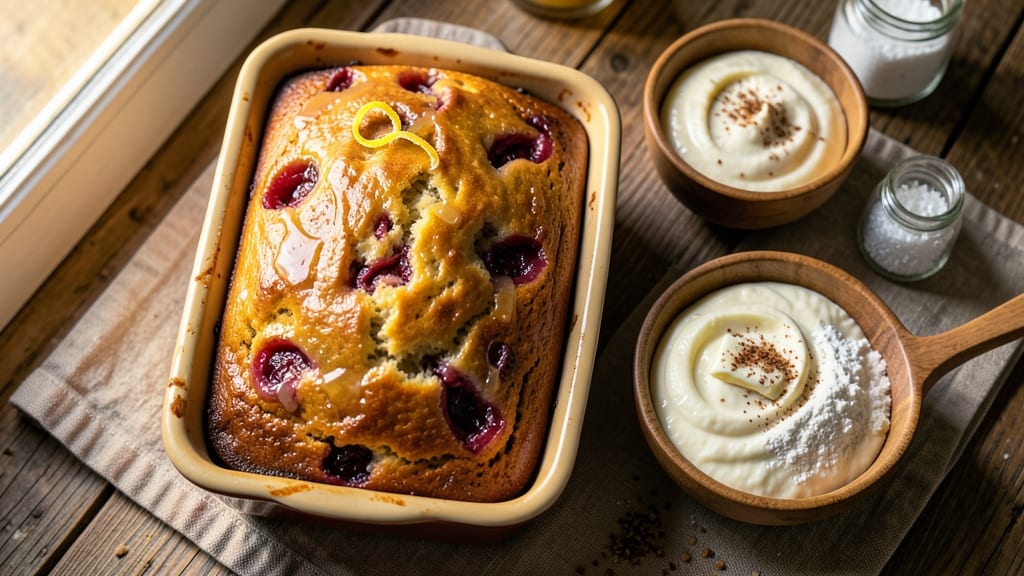
This applesauce loaf bread recipe delivers the perfect balance of tender crumb and golden crust, with just enough sweetness to satisfy any craving. The secret lies in replacing half the butter with unsweetened applesauce, which keeps the bread impossibly moist without making it dense. I've baked this loaf dozens of times—it's become a staple for breakfast, snacks, and even dessert—because it never disappoints.
The dough comes together with simple pantry staples: flour, yeast, sugar, and eggs, plus that magical applesauce substitution that transforms ordinary bread into something extraordinary. Kneading develops the gluten for structure while keeping the texture tender, and proofing at room temperature ensures a light, airy crumb.
The real magic happens in the oven, where the crust develops that perfect crispy contrast to the soft interior.
What you'll end up with is a loaf that's sweet enough to eat straight from the oven but not cloying, with a crust so golden it looks like it belongs in a bakery display case.
The applesauce infuses subtle fruit notes throughout, making each slice taste like a warm hug. This bread freezes beautifully too, so you can bake once and enjoy for weeks.
Serve warm with butter, jam, or even as a side to savory dishes—it's that versatile. The recipe scales perfectly for gifts or gatherings, and the dough can be shaped into rolls if you prefer. Let's get started on creating your perfect loaf.
Ingredients for applesauce loaf bread
Simple pantry staples meet magical applesauce for the perfect loaf—crusty outside, tender inside.
| Ingredient | Amount | Notes |
|---|---|---|
| All-Purpose Flour 🌾 | 4 cups | Spooned and leveled for accuracy |
| Unsweetened Applesauce 🍎 | ½ cup | No sugar added, unsweetened |
| Unsalted Butter 🧈 | ¼ cup | Cold, cubed for easier mixing |
| Granulated Sugar 🍚 | ¼ cup | White or light brown |
| Active Dry Yeast 🍞 | 2 ¼ tsp | Freshly measured, not expired |
| Large Eggs 🥚 | 1 whole | Room temperature preferred |
| Milk 🥛 | ½ cup | Warm, not hot |
| Salt 🧂 | 1 tsp | Diamond Crystal preferred |
| Vanilla Extract 🌸 | 1 tsp | Pure vanilla for best flavor |
| Cinnamon 🌿 | ½ tsp | Ground, not cassia |
| Egg Wash 🥚 | 1 whole | 1 egg beaten with 1 tbsp milk |
| Coarse Sugar 🍚 | 2 tbsp | For sprinkling on top |
The applesauce is your secret weapon. Store-bought unsweetened works, but homemade has more depth. Trader Joe's and Whole Foods carry great options, or make your own by simmering peeled apples with a splash of water. The butter? Cold cubes mix better than melted—trust me, it’s worth the extra minute to chill it. For the flour, King Arthur or Gold Medal are my go-tos, but any all-purpose will do. And that yeast? Check the expiration date—old yeast won’t rise right.
No vanilla extract? Almond extract at half the amount works, but it’ll taste different. Running low on milk? Warm water plus 1 tsp sugar mimics the warmth. Swapping sugar? Light brown sugar adds moisture, but white keeps it classic. The cinnamon is optional but adds that cozy spice—Penzeys has the best ground cinnamon if you want to splurge. And if you’re feeling fancy, toss in a pinch of nutmeg with the cinnamon. The egg wash? Don’t skip it—it’s what gives that bakery-style shine.
This dough is forgiving—proof it until it’s just about doubled, not tripled. Over-proofing kills the texture. For the crust, bake at 375°F until golden (about 30-35 minutes), but check at 25 minutes—ovens vary. Cool on a wire rack, not on a plate (or it’ll get soggy). Leftovers? 3 days in the fridge, 3 months frozen. Wrap tightly in foil or plastic—it’s that good.
Why You'll Love This Recipe
- No Yeast Stress: I swear by this trick—just toss the dough in the fridge overnight. The applesauce keeps it moist while the yeast does its thing, and morning-of baking means zero last-minute rushing. (Yes, even on a Tuesday night.)
- Sweet Without Sugar: That unsweetened applesauce does all the work—moisture and natural sweetness—so I can cut the sugar by half. The result? A loaf that’s lightly sweet but never cloying, with that perfect pull-apart crumb.
- Breakfast to Brunch: Honestly, this loaf disappears faster than I can say "toast it." Warm slices with butter for a quick breakfast, or tear it into a French toast casserole—no one will guess it started as a simple loaf.
- Pantry Magic: Between us, I’ve made this with whatever applesauce was on sale, and it never fails. The butter and sugar keep costs low, and a single batch feeds my family for days. Leftovers? Toss them in a pan for French toast—no waste.
Step-by-step instructions for applesauce loaf bread
Here's how to make this moist, cinnamon-scented loaf that's perfect for breakfast or dessert.
Activate the Yeast and Mix Wet Ingredients
In a small bowl, combine the 0.5 cup warm milk (about 110°F) with the 2.25 teaspoons active dry yeast and let it sit for 5-10 minutes until it becomes frothy. This tells you the yeast is alive and ready to work. If it doesn't bubble, start over with fresh yeast.
In a large mixing bowl, whisk together the 0.5 cup unsweetened applesauce, 0.25 cup granulated sugar, 1 teaspoon vanilla extract, and 0.5 teaspoon cinnamon. Add the frothy yeast mixture and mix until combined. The applesauce will give your bread that signature moist texture while keeping it lightly sweet.
Combine Dry Ingredients and Form the Dough
Add the 4 cups all-purpose flour and 1 teaspoon salt to the wet mixture. Stir gently with a wooden spoon until a shaggy dough forms. Then, cut in the 0.25 cup cold cubed unsalted butter using a pastry cutter or your fingers until the mixture resembles coarse crumbs with some butter pieces still visible.
Gradually add the 1 whole large egg while mixing until the dough comes together. If it's too sticky, add 1 tablespoon flour at a time until it forms a smooth, elastic dough that doesn't stick to your hands. Knead the dough on a lightly floured surface for 5-7 minutes until it's smooth and slightly tacky.
First Rise and Shape the Loaf
Place the dough in a lightly greased bowl, cover it with a damp kitchen towel, and let it rise in a warm place for 1-1.5 hours, or until it has doubled in size. You'll know it's ready when you poke it gently and it springs back slowly. This first rise develops the gluten and creates that light, airy texture.
Once risen, punch down the dough to release the air, then shape it into a loaf by rolling it into a log. Place it seam-side down in a greased 9x5-inch loaf pan. Cover it again and let it rise for another 30-45 minutes until it's just about to overflow the pan. This second rise ensures your bread will have that perfect height and texture.
Bake to Golden Perfection
Preheat your oven to 350°F. Brush the top of the loaf with the 1 whole egg wash (1 egg beaten with 1 tablespoon milk) and sprinkle evenly with the 2 tablespoons coarse sugar. This creates that beautiful caramelized crust we all love. Bake for 45-50 minutes until the top is deep golden brown and the internal temperature reaches 190°F.
Here's the thing—don't open the oven during baking. The steam is crucial for that tender crumb. When you tap the top and it sounds hollow, it's done. Let the bread cool in the pan for 10 minutes before transferring it to a wire rack. This resting period prevents it from falling apart when you slice it.
Slice and Serve Warm
Once cooled slightly, slice the loaf into thick pieces. The bread should be tender and moist inside with a slightly crisp crust. Serve it warm with butter or jam for a comforting treat. If you have leftovers, store them in an airtight container at room temperature for up to 3 days, or freeze slices for up to 3 months.
Real talk: This loaf is so good, you might find yourself making it regularly. The applesauce keeps it moist without being overly sweet, and the cinnamon gives it that cozy, spiced flavor. Trust me, your kitchen will smell amazing while it bakes!
Pro Tips For Making Applesauce Loaf Bread
- Use Warm Applesauce: Mixing cold applesauce straight from the fridge into your dough makes it sluggish—your yeast will fight you the whole time. Heat the applesauce in the microwave for 20-30 seconds until it’s just warm to the touch (like bathwater), then let it cool slightly before adding it to the flour. This gets the yeast party started without overcooking it.
- Weigh Your Flour: Scooping flour from the bag into your measuring cup packs it too tightly, and that’s a recipe for a dense, brick-like loaf. Use a kitchen scale instead—this recipe works best with 450 grams of all-purpose flour. (Yes, even if your measuring cup says "1 cup.") The difference in texture is night and day.
- Don’t Overmix: Once you add the yeast and flour, stop stirring after 30 seconds. Overworking the dough develops too much gluten, and that’s how you end up with a tough, chewy loaf instead of the soft, tender crumb you’re after. Just mix until the ingredients look combined, then let the yeast do its magic.
- Grease the Pan Properly: A lightly oiled pan won’t cut it—this bread sticks like glue if you’re not careful. Use 1 tablespoon of softened butter (not melted) to coat the pan, then sprinkle in a handful of breadcrumbs or crushed cornflakes. Tap out the excess, and the loaf will slide out cleanly. (Trust me, you’ll curse yourself if you skip this.)
Regional styles of this dish
Classic Southern Style
The most beloved regional variation hails from the American South, where applesauce loaves became a breakfast staple during the Great Depression. I remember my grandmother's version—she used 1 cup applesauce instead of half, making it even sweeter, and added ½ tsp nutmeg alongside the cinnamon.
The crust was brushed with melted butter after baking for extra richness. Serve warm with peanut butter or grape jelly for that quintessential Southern combo. 🌶️
German Apfelbrot Twist
German bakers take this loaf to heart with their Apfelbrot, where applesauce is replaced with grated apples mixed with flour. I've adapted this by using ½ cup grated tart apple (like Granny Smith) plus ½ cup applesauce for moisture.
The dough gets a 1 tsp cardamom addition, and the loaf is shaped into a round before baking. Perfect with butter and marmalade—or even savory smoked sausage for breakfast. 🥧
Swedish Cardamom Loaf
In Sweden, this becomes Kardemummabullar, where applesauce loaf gets a Nordic makeover. Swap the cinnamon for 1½ tsp ground cardamom and add 1 tbsp sour cream to the dough for tenderness.
The loaf is often baked in a pullman pan and sliced thick. Serve with lingonberry jam or Swedish cream cheese—trust me, the cardamom aroma is pure coziness. ❄️
Modern Gluten-Free Adaptation
For those avoiding gluten, I've tested a version using King Arthur gluten-free flour blend and ½ cup almond flour to replace 1 cup all-purpose flour. The applesauce stays the same, but add 1 extra egg for structure.
Bake at 325°F for 55-60 minutes—the lower temp prevents burning. The texture is denser but still moist, and it pairs perfectly with almond butter. 💪
Herbed European Variation
In parts of Eastern Europe, applesauce loaves incorporate fresh herbs for complexity. Try adding 1 tbsp finely chopped rosemary or 1 tsp dried thyme to the dough. The crust gets a sprinkle of coarse sea salt before baking.
This savory-sweet loaf is amazing with aged cheddar or prosciutto—perfect for charcuterie boards. The herbs cut through the sweetness beautifully. 🌿
Nutrition facts
Frequently asked questions
Can I substitute applesauce with other fruits?
Yes! You can replace applesauce with ½ cup mashed banana or ½ cup pumpkin puree for a similar moist texture. For banana, add ½ tsp lemon juice to prevent browning. Pumpkin works well but has a slightly different flavor profile—add ¼ tsp pumpkin pie spice to enhance the taste. Avoid overly watery fruits like peaches.
Why did my bread turn out dense instead of light?
Dense bread usually means the yeast didn't activate properly or the dough wasn't kneaded enough. First, check your yeast—it should bubble within 5-10 minutes in warm milk. If not, use fresh yeast. Also, ensure you kneaded for 5-7 minutes to develop gluten properly. Over-proofing (letting it rise too long) can also cause density—look for just about doubled size, not tripled.
How do I make this recipe gluten-free?
Use a 1:1 gluten-free flour blend (like King Arthur) and replace 1 cup all-purpose flour with ½ cup almond flour for better texture. Add 1 extra egg for structure and bake at 325°F instead of 350°F to prevent burning. The loaf will be slightly denser but still moist and delicious.
Can I make this bread without a loaf pan?
Shape the dough into a round or oval and place it on a parchment-lined baking sheet. For extra flavor, brush with melted butter before baking. The crust will be slightly different, but the texture inside will remain tender. If you want a rustic look, score the top with a knife before baking to control expansion.
How long can I keep this bread fresh?
Store wrapped in an airtight container at room temperature for 3-4 days. For longer storage, freeze slices for up to 3 months. To reheat, wrap frozen slices in a damp paper towel and warm in the oven at 300°F for 5-7 minutes until toasty. Avoid the microwave—it makes the bread gummy.