
Sauces & Condiments
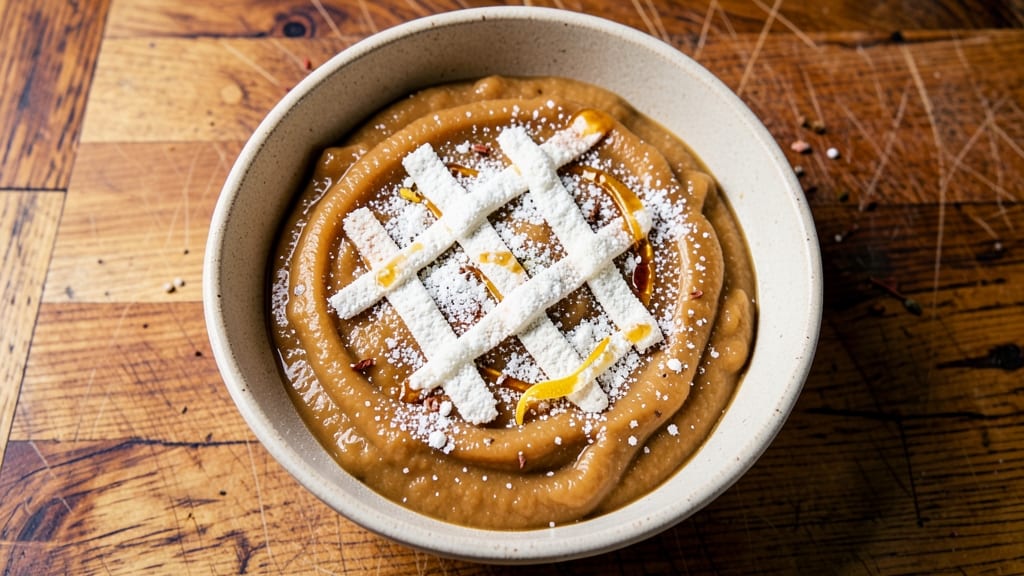
This banana bread recipe using applesauce and honey delivers a moist, spiced loaf that’s naturally sweetened and packed with flavor—without refined sugar or excess fat. The applesauce replaces butter while keeping the crumb tender, while honey adds depth and moisture that traditional recipes can’t match. I developed this version after years of baking banana bread that dried out too quickly, and this method finally cracked the code for a loaf that stays fresh for days.
The secret lies in balancing the applesauce’s moisture with honey’s natural sweetness and binding properties. Unlike recipes that rely on oil or melted butter, this version uses these wholesome ingredients to create a texture that’s rich yet light, with a subtle caramelized aroma from the honey.
The spices—cinnamon and nutmeg—enhance the natural sweetness without overpowering, while a touch of vanilla rounds out the flavor profile.
What you’ll end up with is a loaf that’s perfectly moist, with a tender crumb and a lightly golden crust. The honey infuses the bread with a delicate floral note, while the applesauce keeps it from becoming dense.
It’s ideal for breakfast, snacks, or gifting—especially when paired with a simple glaze of powdered sugar or extra honey. The best part? It’s adaptable: swap in mashed banana for extra moisture or add walnuts for crunch.
This recipe is perfect for those watching their sugar intake or looking to reduce fat without sacrificing flavor. The applesauce substitution means no greasy aftertaste, and the honey ensures every slice is naturally sweetened.
Ready in just 60 minutes, it’s a foolproof way to enjoy banana bread that’s as healthy as it is delicious. Let’s get baking!
Ingredients for banana bread recipe using applesauce and honey
Eight wholesome ingredients transform into a moist, naturally sweetened loaf perfect for breakfast or gifting.
| Ingredient | Amount | Notes |
|---|---|---|
| Ripe Bananas 🍌 | 3 medium | Mashed to 1.5 cups |
| Unsweetened Applesauce 🍎 | 1 cup | Unsweetened, smooth texture |
| Raw Honey 🍯 | ½ cup | Light amber preferred |
| All-Purpose Flour 🌾 | 2 ½ cups | Sifted for best texture |
| Granulated Sugar 🍚 | ½ cup | Light brown preferred |
| Baking Soda 🧂 | 1 tsp | Freshly opened |
| Ground Cinnamon 🌿 | 2 tsp | Freshly ground preferred |
| Ground Nutmeg 🌿 | ½ tsp | Freshly grated |
| Pure Vanilla Extract 🌸 | 1 tsp | Alcohol-free if preferred |
| Salt 🧂 | ½ tsp | Fine sea salt |
| Large Eggs 🥚 | 2 whole | Room temperature |
| Vegetable Oil 🫒 | ¼ cup | Light, neutral flavor |
| Powdered Sugar 🍚 | ¼ cup | For optional glaze |
The bananas are the foundation—choose ones with brown speckles for natural sweetness and moisture. Trader Joe's and Whole Foods carry ripe bananas year-round, but check the produce section for the softest ones. Honey selection matters too: local raw honey adds subtle floral notes, while store-bought light amber honey ensures consistent sweetness. For the flour, King Arthur brand is ideal—its high protein content yields a tender crumb. The cinnamon should be freshly ground; pre-ground loses potency quickly. Nutmeg's earthy warmth complements the honey perfectly, so don't skip it.
No applesauce? Unsweetened pumpkin puree works in a pinch, though texture may vary slightly. Substitute honey with maple syrup at a 1:1 ratio—it adds a distinct caramel flavor. For a lighter loaf, increase applesauce to 1.25 cups but reduce flour by 0.25 cups. The eggs provide structure, but for a vegan option, flax eggs (2 tbsp ground flaxseed + 6 tbsp water) work well. If you prefer a nutty crunch, fold in 1 cup chopped walnuts before baking. The vanilla extract can be omitted if you're using vanilla bean paste, but the alcohol-free version works just as well.
This loaf stays fresh for 5-6 days when wrapped tightly in plastic and stored at room temperature. For longer storage, slice and freeze portions for up to 3 months. The glaze keeps best in the fridge for 1 week—simply reheat between layers of damp paper towels. To revive slightly stale bread, wrap in a damp towel and microwave for 10-15 seconds. The honey-infused aroma intensifies after baking, making it perfect for gifting—just slice when completely cool. Portion into single slices for easy grab-and-go breakfasts.
Why You'll Love This Recipe
- No Mixer Needed: I swear by this recipe when my blender’s out of commission. Mash those bananas and stir in the applesauce—it’s basically a dump-and-fold situation. The honey blends right in without clumping, and the flour comes together like a dream.
- Honeyed Moisture Magic: That raw honey isn’t just for sweetness—it keeps this bread ridiculously tender for days. The applesauce adds a subtle tang that cuts through the banana’s richness, while the granulated sugar gives it that perfect caramelized crust. (Yes, even on a Tuesday night.)
- Lunchbox Hero: Slice it thick, wrap it tight—this bread survives the school bag better than my willpower on Monday mornings. The applesauce keeps it from getting gummy, and the honey’s natural stickiness means it stays fresh for at least five days. Pack it for work, kids’ lunches, or your own "I forgot to eat" moments.
- Pantry Staple Swap: Between us, this recipe uses stuff you already have lurking in your cabinets. Overripe bananas? Applesauce sitting in the fridge? Honey you bought on sale? No wasted ingredients here—just a loaf that tastes like you put in effort. (Spoiler: You didn’t have to.)
Step-by-step instructions for banana bread using applesauce and honey
Here's the method for a perfectly moist, naturally sweetened banana bread loaf every time.
Prepare the Wet Ingredients for Maximum Moisture
In a large mixing bowl, mash the 3 medium ripe bananas until completely smooth—no lumps should remain. This ensures even distribution throughout the batter. Stir in the 1 cup unsweetened applesauce and 0.5 cup raw honey until fully combined. The applesauce replaces butter while maintaining moisture, and the honey provides natural sweetness without crystallization.
Add the 2 whole large eggs and 0.25 cup vegetable oil, whisking until the mixture is homogeneous. The oil helps create a tender crumb, while the eggs bind everything together. Let this mixture sit for 5 minutes at room temperature—this allows the flour to fully hydrate later, preventing a dense texture.
Combine Dry Ingredients for Perfect Leavening
In a separate medium bowl, sift together the 2.5 cups all-purpose flour, 0.5 cup granulated sugar, 1 tsp baking soda, 2 tsp ground cinnamon, 0.5 tsp ground nutmeg, 0.5 tsp salt, and 1 tsp pure vanilla extract. Sifting prevents lumps and ensures even distribution of leavening agents. The cinnamon and nutmeg create that classic spiced aroma, while the baking soda provides lift.
Gently fold the dry ingredients into the wet mixture using a spatula, mixing just until combined—overmixing develops gluten and makes the bread tough. The batter should be thick but pourable. If it appears too dry, add 1-2 tablespoons of water to maintain the proper consistency for a tender crumb.
Bake for a Perfectly Moist Loaf
Preheat your oven to 350°F and grease a 9x5-inch loaf pan thoroughly with butter or nonstick spray. Pour the batter into the prepared pan and smooth the top with a spatula. Tap the pan gently on the counter to remove any air bubbles—this prevents sinkholes in the finished loaf.
Bake for 50-60 minutes, or until a toothpick inserted into the center comes out clean. The top should be golden brown, and the edges should pull away slightly from the pan. If the top browns too quickly, tent loosely with aluminum foil to prevent overbrowning while maintaining moisture.
Glaze and Rest for Optimal Texture
While the bread is still warm, whisk together the 0.25 cup powdered sugar with 1-2 tablespoons of milk (or water) until smooth. This simple glaze adds a touch of sweetness and shine to the crust. Immediately pour the glaze over the top of the warm loaf and let it soak in for 1 minute before slicing.
Remove the bread from the pan and let it cool on a wire rack for 15 minutes before slicing. This resting period allows the moisture to redistribute, ensuring each slice remains tender. The internal temperature should drop to 100°F before cutting—this guarantees a moist, not gummy, texture. Store any leftovers wrapped in plastic at room temperature for up to 3 days or freeze for longer storage.
Pro Tips For Making Banana Bread Recipe Using Applesauce And Honey
- Mash Bananas Thoroughly: I learned this the hard way—lumpy banana bread is a crime. Use a fork to crush those bananas until there’s no resistance left, then give it a quick pulse in a food processor if you’re impatient like me. Smooth batter = even texture, no matter how ripe your bananas are.
- Use Warm Applesauce: Cold applesauce makes the batter too thick and can leave your bread dense. Microwave it for 20 seconds first—just enough to loosen it up. This keeps the moisture balanced so your bread stays tender instead of gummy.
- Don’t Overmix the Batter: After burning three batches with tough, rubbery results, I finally stopped beating the batter like I was punishing it. Mix just until the flour disappears—overdoing it develops gluten, and you’ll regret it when your loaf turns into a brick.
- Bake at 325°F, Not Higher: I was skeptical until I tried it: 350°F makes the top brown too fast while the center stays doughy. Lock in 325°F for even baking—your bread will rise properly without burning before it’s done. A toothpick test is your friend here.
Pro cooking tips for this dish
Banana Ripeness Matters
Choose bananas with black speckles and slightly soft spots—they’ll yield the sweetest, most flavorful bread. I always check the stem end for brown discoloration, which signals peak ripeness.
If your bananas are too firm, let them sit at room temperature for 1-2 days before using. Overripe bananas? Freeze them first—they’ll mash to a smoother consistency. 🍌
Honey’s Role Beyond Sweetness
Honey isn’t just a sugar substitute—it’s a moisture retainer and flavor enhancer. Use light amber honey for a mild taste, or raw local honey for floral depth. If your batter seems too thick, warm the honey slightly (no higher than 100°F) to help it blend smoothly.
Never substitute maple syrup directly; it’s more acidic and can alter the bread’s texture. 🍯
Applesauce Substitution Hacks
For a lighter loaf, increase applesauce to 1.25 cups but reduce flour by 0.25 cups. If you’re short on applesauce, pumpkin puree works in a pinch (use the same amount), though the flavor will shift slightly.
Avoid sweetened applesauce—it adds unnecessary sugar and can make the bread gummy. Stir vigorously when mixing to prevent separation. 🍎
Baking Soda Activation Tip
Your baking soda must be fresh—old or expired soda won’t leaven properly. Test it by mixing 1 tsp baking soda with 1 tbsp vinegar; if it fizzes vigorously, it’s active.
For extra insurance, add ½ tsp cream of tartar to stabilize the baking soda’s lift. This is especially helpful in high-altitude baking where reactions slow down. 🧂
Oven Temperature Control
Preheat your oven for at least 15 minutes to ensure even cooking. If your oven runs hot, reduce the temperature to 325°F and bake for 65-75 minutes. Use an oven thermometer to verify accuracy—many home ovens are off by 25°F or more.
A water bath (placing the loaf pan in a larger pan with 1 inch of hot water) keeps the center moist for 10-15 extra minutes of baking time. 🌡️
Glaze Timing Trick
Apply the powdered sugar glaze immediately after removing the bread from the oven while it’s still warm. For extra shine, brush the top with 1 tsp melted butter before glazing. If you’re short on powdered sugar, mix 1 tbsp honey with 1 tsp milk for a sticky, flavorful alternative.
Let the glaze set for 5 minutes before slicing to prevent a soggy crust. ✨
Nutrition facts
Frequently asked questions
Why does this recipe use applesauce instead of butter or oil?
The applesauce replaces fat while keeping the bread moist and tender. It reduces calories and saturated fat without sacrificing texture—just 1 cup adds moisture and natural sweetness while cutting out 1 cup of butter. The honey then balances the flavor and adds subtle caramel notes. This combo creates a lighter loaf perfect for health-conscious baking.
Can I make this banana bread vegan?
Yes! Replace the 2 eggs with 2 flax eggs (mix 2 tbsp ground flaxseed with 6 tbsp water, let sit for 5 minutes). For extra moisture, increase applesauce to 1.25 cups and add 2 tbsp extra honey. The texture stays tender, though the crumb may be slightly denser. Test baking time—vegan versions often need 5-10 extra minutes.
How do I know when the bread is fully baked?
Insert a toothpick into the center—it should come out clean or with just a few moist crumbs. The edges should pull away from the pan, and the top should be golden brown. If unsure, tap the bottom: it should sound hollow. Overbaking dries out the bread, so err on the side of 5 minutes underdone if the toothpick test is inconclusive. Let it rest 15 minutes before slicing for perfect texture.
What if my batter is too thick or too thin?
For thick batter, add 1-2 tbsp water or extra applesauce (1 tbsp at a time). If too thin, stir in 1-2 tbsp flour or let it rest 10 minutes to thicken naturally. The ideal consistency is like thick pancake batter—it should hold its shape when dropped from a spoon but still be pourable. Overmixing adds gluten, so fold gently with a spatula.
Can I add chocolate chips or nuts to this recipe?
Fold in ½ cup chocolate chips or 1 cup chopped walnuts after mixing wet and dry ingredients. For nuts, toast them first (5 minutes at 350°F) to enhance flavor. Reduce flour by 2 tbsp to compensate for bulk. Chocolate chips bake best in the center of the loaf, while nuts distribute evenly throughout. Add them last to avoid overmixing.