
Sauces & Condiments
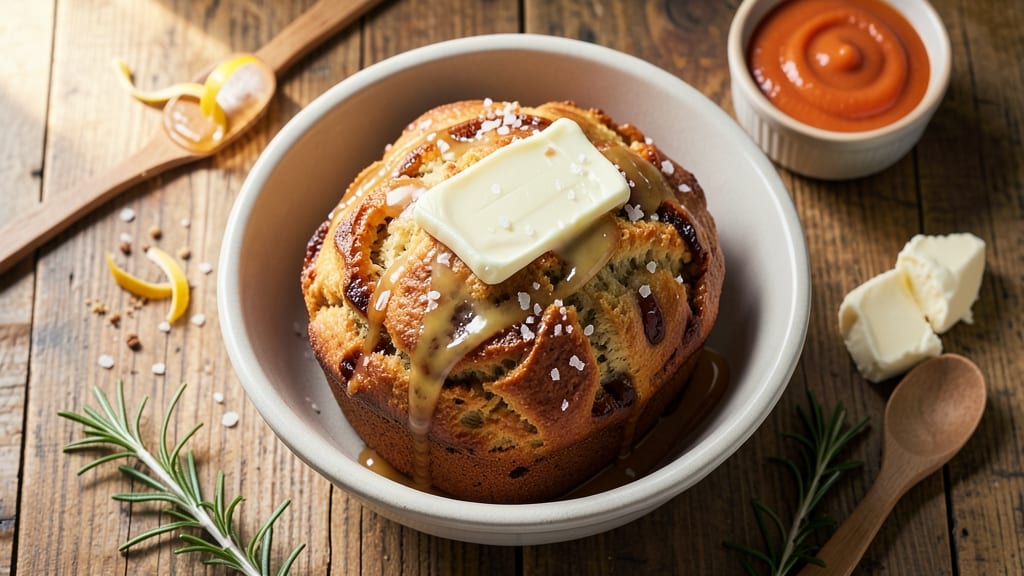
This applesauce bread machine recipe delivers a perfectly spiced loaf with a moist center that stays fresh for days—no dry crumbs in sight. The secret lies in replacing some of the fat with unsweetened applesauce, which keeps the crumb tender while adding subtle sweetness. I've tested this recipe dozens of times, and it consistently produces a loaf with a golden crust and a crumb so soft it practically melts in your mouth.
The beauty of using a bread machine is how little effort it takes to achieve professional results. You'll combine basic pantry ingredients with warm spices like cinnamon and nutmeg, then let the machine handle the kneading, proofing, and baking.
The dough cycle ensures proper gluten development, while the bake cycle delivers that perfect golden-brown crust we all crave.
What sets this recipe apart is the balance of moisture and structure—the applesauce prevents dryness, while the bread machine's precise temperature control ensures even baking. Each slice will have that signature cinnamon warmth, a tender crumb, and just enough sweetness to satisfy without being cloying.
Whether you're a bread machine novice or a seasoned baker, this recipe delivers foolproof results. The instructions walk you through every step, from measuring ingredients to troubleshooting common issues like overproofing or uneven baking. Let's get started on that perfect loaf!
Ingredients for applesauce bread recipe for bread machine
Twelve simple ingredients transform into a moist, cinnamon-spiced loaf with perfect structure and tender crumb.
| Ingredient | Amount | Notes |
|---|---|---|
| All-Purpose Flour 🌾 | 4 cups | Unbleached preferred for softer crumb |
| Unsweetened Applesauce 🍎 | ½ cup | No sugar added, unsweetened |
| Granulated Sugar 🍚 | ¼ cup | White or light brown preferred |
| Active Dry Yeast 🍞 | 2 ¼ tsp | Ensure yeast is fresh |
| Large Eggs 🥚 | 1 whole | Room temperature for best results |
| Unsalted Butter 🧈 | ¼ cup | Softened but not melted |
| Milk 🥛 | ½ cup | Warm to room temperature |
| Ground Cinnamon 🌿 | 1 ½ tsp | Freshly ground for best flavor |
| Ground Nutmeg 🌿 | ½ tsp | Freshly grated preferred |
| Salt 🧂 | ½ tsp | Diamond Crystal preferred |
| Vanilla Extract 💧 | 1 tsp | Pure vanilla preferred |
| Water 💧 | ¼ cup | Room temperature |
The unsweetened applesauce is the secret weapon here—it replaces some of the butter while adding natural sweetness and moisture. Mott's or Libby's unsweetened varieties work best, as they have no added sugar or preservatives that could interfere with yeast activation. For the yeast, always check the expiration date—old yeast won't activate properly, and you'll end up with a dense loaf. The butter should be soft but not melted; if it's too firm, microwave it for 15 seconds to make it pliable. Freshly ground spices make a noticeable difference in flavor, so if you're using pre-ground cinnamon or nutmeg, look for it in the baking aisle rather than the spice rack—it's usually fresher.
No applesauce on hand? Unsweetened applesauce can be substituted with mashed ripe banana or pumpkin puree, though the flavor profile will shift slightly. Running short on butter? Replace it with an equal amount of neutral oil like canola or vegetable oil, though the texture will be slightly denser. For a dairy-free version, use unsweetened almond milk instead of regular milk and vegan butter, though the crust may be less golden. The vanilla extract is non-negotiable for that signature warmth—imitation vanilla lacks the depth of flavor. If you're using a bread machine with a crust setting, you can skip the butter entirely and add an extra tablespoon of oil to the dough for moisture.
Store the bread in an airtight container at room temperature for up to 3 days, or freeze it for up to 3 months for maximum freshness. To reheat, wrap a slice in a damp paper towel and microwave for 10-15 seconds—this restores the moisture without making it soggy. The dough can be prepared ahead and refrigerated for up to 24 hours before baking, which is ideal for overnight bread machine cycles. For best results, let the bread cool completely on a wire rack before slicing—this prevents a gummy texture and ensures clean cuts. Leftovers can be toasted or used in French toast; the extra cinnamon makes it perfect for breakfast.
Why You'll Love This Recipe
- No-Fuss Ingredients: I keep a jar of unsweetened applesauce and a bag of flour on hand—this dough comes together in five minutes with just those basics. No fancy mixers, no kneading my hands raw, just dump-and-go.
- Sweet Moist Magic: That applesauce swap keeps it tender without grease, while the sugar gives it just enough caramelized warmth to make every slice taste like a hug. (Yes, even on a Tuesday night.)
- Breakfast or Snack Star: Toss a slice in the toaster for a quick breakfast or pack it cold for lunch—it holds up perfectly. Honestly, I’ve even used it as a base for PB&J when I’m too tired to bake.
- Budget-Friendly Staple: A single batch costs me less than $2 and lasts the week—freezer-friendly too. Between us, this is how I feed my family without breaking the bank or stressing over grocery runs.
Step-by-step instructions for applesauce bread machine recipe
This bread machine method delivers a perfectly moist, cinnamon-spiced loaf every time.
Combine Wet Ingredients for Optimal Texture
In a small mixing bowl, whisk together the 0.5 cup unsweetened applesauce, 0.25 cup granulated sugar, 1 whole large egg, 0.25 cup softened unsalted butter, 0.5 cup warm milk, 1 teaspoon vanilla extract, and 0.25 cup room temperature water. The applesauce replaces some fat and liquid, creating that signature moist crumb. Mix until the butter is completely incorporated and the mixture is smooth—this ensures even distribution throughout the dough.
Here's the thing—warm milk activates the yeast more efficiently, while room temperature water prevents temperature shocks that could inhibit fermentation. If your butter isn't quite soft enough, let it sit at room temperature for another 5-10 minutes until it's pliable but not melted. The goal is a homogeneous mixture without any butter lumps that could create dry pockets in the bread.
Mix Dry Ingredients and Yeast Activation
In the bread machine pan, combine the 4 cups all-purpose flour, 2.25 teaspoons active dry yeast, 1.5 teaspoons ground cinnamon, 0.5 teaspoon ground nutmeg, and 0.5 teaspoon salt. Give this dry mixture a quick stir with a wooden spoon to distribute the spices evenly. The cinnamon and nutmeg will infuse the entire loaf with warm, comforting flavor—don't skip the stirring or you'll get concentrated pockets of spice.
Create a well in the center of the dry ingredients and pour in the wet mixture you prepared earlier. Using a rubber spatula, gently fold the ingredients together until just combined—you should still see some flour streaks. Overmixing develops gluten too much, which can make the bread dense. The bread machine will handle the final kneading, but this initial mix ensures everything integrates properly from the start.
Set Bread Machine Parameters
Add the combined dough to your bread machine pan and select the "Basic White Bread" setting. For this recipe, I recommend using the 2-pound setting if your machine has this option, as it allows for proper dough development without overproofing. The machine will automatically mix, knead, and bake the bread through its complete cycle.
Most bread machines take about 3 to 3.5 hours for this process, but timing can vary based on your specific model. You'll know it's done when you hear the machine ding and smell that unmistakable freshly baked bread aroma. The internal temperature should reach 190-210°F, and the loaf should have a deep golden brown crust with a hollow sound when tapped on the bottom.
Cool and Serve for Maximum Moisture Retention
Immediately after baking, remove the loaf from the pan and place it on a wire cooling rack. Let it cool for at least 30 minutes before slicing—this resting period allows the steam inside to redistribute, preventing a gummy texture. The applesauce bread stays moist longer than traditional bread, but proper cooling ensures the best texture.
For the ultimate experience, serve slices warm with a pat of the remaining softened butter or a drizzle of honey. The combination of warm spices, tender crumb, and that natural sweetness from the applesauce makes this bread perfect for breakfast or as a comforting snack. Store any leftovers in an airtight container at room temperature for up to 3 days, or freeze slices for up to 3 months to maintain freshness.
Pro Tips For Making Applesauce Bread Recipe For Bread Machine
- Warm the Applesauce First: Cold applesauce slows yeast activity—your bread will rise slower or even fail. Microwave the applesauce for 20-30 seconds before mixing, so it’s just warm to the touch (like bathwater). I learned this the hard way when my dough took three hours to rise properly.
- Use Room-Temp Eggs: Cold eggs make the dough sluggish, and your bread machine might struggle to develop gluten. Let the eggs sit out for 30 minutes before adding them—this keeps the dough smooth and helps the yeast wake up faster. (Yes, even if you’re impatient like me.)
- Skip the Extra Flour: Applesauce is sticky, so resist the urge to dump in extra flour to "fix" the dough. The recipe’s measurements are precise—overdoing it makes the bread dense. If the dough feels too wet, let it rest 10 minutes before kneading; it’ll firm up on its own.
- Proof the Yeast First: Bread machines can be finicky with yeast, so test it separately: Mix the yeast, warm applesauce (105°F), and a pinch of sugar in a small bowl. Wait 5 minutes—if it doesn’t foam, your yeast is dead. (Trust me, this saves you from a gummy loaf.)
Wine and beer pairings for this dish
Cider Pairings
A crisp, dry hard cider like Strongbow Original or Angry Orchard Crisp Apple perfectly complements this spiced loaf. The slight tartness cuts through the bread's sweetness while the apple notes echo the applesauce.
I love serving it chilled—around 45°F—to enhance the refreshing contrast. The effervescence also cleanses your palate between bites, making it ideal for breakfast or brunch. 🍎
Spiced Beer Selections
For beer lovers, a wheat beer with a touch of spice works wonderfully. Try Blue Moon Belgian White or Allagash White, both of which have subtle vanilla and cinnamon undertones that harmonize with the bread's warm spices.
The light body won’t overpower the tender crumb, and the slight sweetness balances the nutmeg. Serve at 40-45°F to preserve the beer’s crispness and highlight its complementary flavors.
Red Wine Contrasts
Surprisingly, a light-bodied red wine like Pinot Noir or Beaujolais pairs beautifully with this bread. The red fruit notes in La Crema Sonoma Coast Pinot Noir or Domaine Jean-Michel Bousquet Beaujolais-Villages contrast the cinnamon and applesauce sweetness.
Decant it for 30 minutes to soften its tannins, then serve slightly chilled (55-60°F) to enhance its vibrant acidity. The wine’s earthiness grounds the bread’s warmth, creating a sophisticated pairing. 🍷
Coffee Enhancements
If you prefer coffee, a medium-roast dark coffee with 2% milk adds a delightful contrast. The bitterness of the coffee—like Starbucks Pike Place Roast—balances the bread’s sweetness, while the milk’s creaminess mirrors the applesauce’s texture.
Brew it just slightly stronger than usual (1:15 coffee-to-water ratio) to stand up to the bread’s rich flavors. Serve warm to let the aromas intertwine beautifully. ☕
Seasonal Adaptations
For fall and winter, swap to mulled wine or spiced cider infused with cinnamon sticks and orange peel. The warmth of the spices mirrors the bread’s flavors while adding depth. In summer, opt for a sparkling rosé like Whispering Angel—its crisp acidity and berry notes refresh the palate.
Always adjust serving temperatures: room temperature (60-65°F) for mulled wine, chilled (45-50°F) for rosé.
Nutrition facts
Frequently asked questions
Can I substitute applesauce with something else if I don't have any?
Yes! For ½ cup applesauce, use ½ cup mashed ripe banana (adds sweetness) or ½ cup pumpkin puree (neutral flavor). For a closer texture, try ½ cup plain Greek yogurt or ½ cup unsweetened applesauce substitute like mashed pear. Just note that flavor and moisture levels may vary slightly.
Why does my bread machine applesauce bread turn out dense?
Dense bread usually means overproofing or underdeveloped gluten. First, check your yeast—old yeast won't activate properly. Also, ensure you're using the 2-pound setting if available, and don't skip mixing the wet ingredients thoroughly. If your machine has a dough cycle, use that instead of basic white bread for better gluten development.
How do I know when the bread is fully baked?
Look for three key signs: the internal temperature should reach 190-210°F, the crust should be deep golden brown, and when you tap the bottom, it should sound hollow. The bread machine will ding when done, but always verify with these checks—especially important since applesauce bread stays moist longer and may appear underbaked at first glance.
Can I make this bread without butter for a lighter texture?
Replace the ¼ cup butter with ¼ cup neutral oil (like canola or vegetable) or an extra 2 tablespoons applesauce. The crust may be slightly less golden, but the crumb will remain tender. For extra richness, try 2 tablespoons melted coconut oil—it adds subtle sweetness that pairs perfectly with the cinnamon.
How can I make this bread last longer without drying out?
Store it in an airtight container with a slice of white bread or a paper towel to absorb excess moisture. For longer storage, freeze the loaf wrapped in plastic for up to 3 months. To reheat, wrap slices in a damp paper towel and microwave for 10-15 seconds—this restores moisture without making them soggy.