
Sauces & Condiments
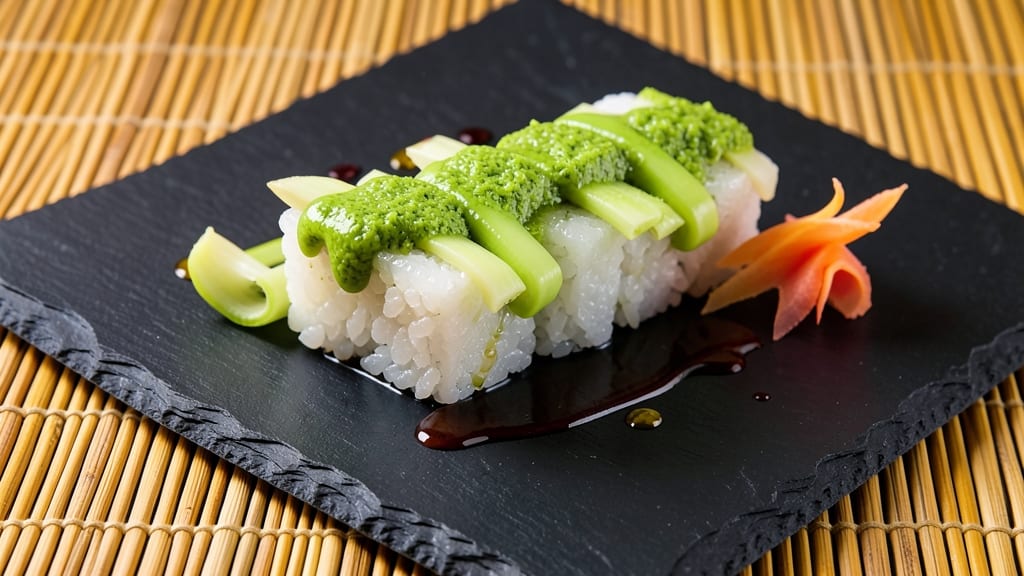
This Bamboo Sushi Green Machine sauce transforms ordinary sushi into a vibrant, tangy masterpiece with just five simple ingredients and 10 minutes of prep. 💚 The secret lies in balancing wasabi’s signature kick with umami-rich soy sauce and sweet mirin, creating a condiment that enhances every bite of your favorite rolls.
Unlike store-bought versions, this sauce delivers a brighter, fresher flavor that pairs perfectly with both raw fish and vegetarian sushi.
What sets this recipe apart is its versatility—use it as a dipping sauce, a glaze for sushi rolls, or even a marinade for quick-pickled vegetables.
The sauce’s vibrant green hue comes from fresh wasabi, which also adds a subtle heat that lingers just enough to elevate the experience without overpowering. For best results, let the sauce sit for 30 minutes before serving to allow flavors to meld completely.
The foolproof method ensures restaurant-quality results at home, with no complicated techniques required. You’ll need just a small bowl, a whisk, and a taste of patience to achieve a sauce that’s smooth, glossy, and packed with authentic Japanese flavors.
Whether you’re hosting a sushi night or simply elevating your takeout, this condiment turns any meal into a gourmet experience.
Store any leftovers in an airtight container in the refrigerator for up to 5 days, or freeze for longer shelf life. The sauce’s freshness peaks within the first 24 hours, making it ideal for same-day use. Ready to elevate your sushi game? Let’s get started.
Ingredients for bamboo sushi green machine sauce
Five ingredients transform simple sushi into vibrant, restaurant-quality bites.
| Ingredient | Amount | Notes |
|---|---|---|
| Fresh Wasabi Root 🌿 | 1 tbsp | Freshly grated for vibrant green color |
| Japanese Soy Sauce 🥢 | ¼ cup | Kikkoman preferred for authentic flavor |
| Mirin 🍶 | 2 tbsp | Sweet cooking wine for balance |
| Rice Vinegar 🍚 | 1 ½ tbsp | Seasoned preferred for depth |
| Sesame Oil 🌰 | 1 tsp | Toasted for nutty aroma |
| Water 💧 | 1 tbsp | For thinning consistency |
| Diamond Crystal Kosher Salt 🧂 | ¼ tsp | Adjusts seasoning to taste |
| Fresh Ginger 🧅 | ½ tsp | Finely grated for subtle heat |
The wasabi root is non-negotiable for that signature green color and signature kick. Japanese specialty stores often carry fresh wasabi, but Asian markets usually stock it too—look for the root form, not powder. If you can't find fresh, high-quality wasabi paste works in a pinch, but it lacks that vibrant hue. The ginger adds depth without overpowering, so peel and grate it fresh—pre-grated loses its punch. For the soy sauce, Kikkoman is my go-to, but any good Japanese brand works. The mirin should be sweet but not overly so—Hirata or Sapporo are reliable choices.
No fresh wasabi? Wasabi powder mixed with a splash of water mimics the color, though the heat fades faster. Running out of mirin? Substitute equal parts honey and water, but the sauce will taste slightly sweeter. The rice vinegar can be swapped for apple cider vinegar in a pinch, though it lacks the delicate umami. Sesame oil is key for that nutty aroma—toast it briefly in a dry pan to deepen the flavor. If the sauce turns out too thick, add a bit more water; too thin? A quick whisk with a pinch of cornstarch slurry fixes it instantly.
This sauce peaks after 30 minutes of resting, so plan ahead. Store leftovers in a small glass jar with a tight seal—they keep for 5 days in the fridge. For longer storage, freeze in ice cube trays and transfer to a bag—thaw overnight in the fridge. The sauce's freshness fades after 24 hours, so make it fresh for the best experience. A little goes a long way—start with 1 teaspoon per serving and adjust to taste.
Why You'll Love This Recipe
- No Grate, No Stress: I’ll admit, fresh wasabi root intimidates me too—until I realized grating it for this sauce is the only hard part, and it takes two minutes. The rest? Just a quick whisk of soy, mirin, and vinegar while the rice vinegar brightens everything. Honestly, it’s the kind of recipe where the effort feels like a myth.
- Umami Bomb: That first bite? The wasabi’s sharp kick meets the sweetness of mirin, then the nutty sesame oil ties it all together—like a flavor party where everyone’s invited. It’s not just dipping sauce; it’s the reason your sushi (or even grilled fish) tastes like it came from a Tokyo izakaya.
- Weeknight Hero: I make this when I’m too tired for fancy prep but still crave restaurant-level flavor. Slather it on tempura, drizzle it over ramen, or toss it with quick-pickled veggies. Between us, it’s my go-to when I’m feeding a crowd or just myself after a long day.
- Lasts All Week: A little goes a long way—this sauce keeps in the fridge for easily five days, and the flavors only deepen. I’ll be real: I’ve made a batch on Sunday and stretched it through Thursday lunches without breaking a sweat. Plus, the ingredients are cheap enough that I’m not stressing over grocery bills.
Step-by-step instructions for bamboo sushi green machine sauce
Here's how to blend this vibrant, tangy sauce in minutes—perfect for fresh sushi.
👨🍳 Step 1: Grate the Fresh Ingredients
Start by grating the 1 tablespoon fresh wasabi root using a fine grater or microplane. You want a bright green paste—this is your flavor foundation. Set it aside immediately, as wasabi loses potency quickly when exposed to air. Next, grate the ½ teaspoon fresh ginger using the same tool. The ginger should be finely textured, not chunky, to distribute evenly throughout the sauce.
I like to use a microplane for both because it creates such a fine texture that blends seamlessly. If you don't have one, a sharp grater works, but press firmly to get those tiny particles. The wasabi will be vibrant green, while the ginger adds subtle heat and aroma. Keep these separate for now—they'll combine in the next step.
🍳 Step 2: Whisk the Base Components
In a small bowl, combine the ¼ cup Japanese soy sauce, 2 tablespoons mirin, and 1½ tablespoons rice vinegar. Whisk vigorously for about 30 seconds until fully blended. This mixture forms the tangy, umami backbone of your sauce. The mirin adds sweetness that balances the acidity from the rice vinegar, while the soy sauce provides that classic umami depth.
Taste the mixture now—it should be pleasantly salty with a touch of sweetness. If you're using Kikkoman soy sauce as recommended, you'll notice that rich, slightly fermented flavor that's perfect for sushi. This is the moment where you can adjust seasoning if needed, though the other ingredients will round it out perfectly in the next steps.
🥘 Step 3: Incorporate the Grated Ingredients
Add the grated wasabi and ginger to the soy mixture. Stir gently to combine, being careful not to overmix—you want those wasabi particles to remain visible for that signature green machine look. Next, drizzle in the 1 teaspoon sesame oil and 1 tablespoon water. The sesame oil adds nutty aroma, while the water helps thin the sauce to a perfect dipping consistency.
At this point, your sauce should have a vibrant green color with visible wasabi flecks. The texture should be smooth but still slightly textured from the grated ingredients. If it's too thick, add a tiny splash more water—just enough to reach a pourable consistency. The salt will come last, so don't worry if it needs a little more seasoning at this stage.
⏰ Step 4: Season and Rest for Flavor Development
Add the ¼ teaspoon Diamond Crystal kosher salt and stir one final time. Taste the sauce now—it should be tangy, slightly sweet, with a sharp wasabi kick and subtle ginger heat. The salt should enhance all the flavors without overpowering them. If you want more wasabi intensity, add a tiny pinch more (but be careful—wasabi is potent!).
Let the sauce sit at room temperature for 5-10 minutes before serving. This resting period allows all the flavors to meld together beautifully. The wasabi will mellow slightly, the ginger will soften its edge, and the sweetness of the mirin will truly shine. Serve immediately with fresh sushi—this sauce is best enjoyed while vibrant and fresh.
Pro Tips For Making Bamboo Sushi Green Machine Sauce
- GRATE WASABI FRESH: Fresh wasabi loses its kick fast—grate it right before mixing, not more than 30 seconds ahead. I used to prep it early, and by the time I finished the sauce, it tasted like mild horseradish. Keep the grater damp to avoid clogging, and use a fine side for a smooth texture.
- DILUTE MIRIN FIRST: Add mirin to the warm vinegar before mixing in soy—this prevents clumping and lets the sweetness bloom. I learned this the hard way after seeing my sauce turn grainy. A splash of cold water (1 tsp) also helps if your mirin’s too thick.
- SALT THE SOY SAUCE: Taste your soy sauce before mixing—it’s often saltier than you think. Add a pinch of flaky salt (or a few drops of water) to balance the flavor. I skipped this once and ended up with a sauce that tasted harsh, even with all the other ingredients.
- FINISH WITH SESAME OIL: Drizzle sesame oil last, right before serving, or it’ll cook off and lose its nutty aroma. A quick swirl with a fork right after mixing keeps it fresh. (Yes, it’s a pain to re-measure, but the difference is noticeable.)
Dietary considerations for this bamboo sushi green machine sauce
Gluten-Free Adaptations
This sauce is naturally gluten-free as long as you use a certified gluten-free soy sauce like San-J Tamari or Kikkoman Gluten-Free Soy Sauce. Regular Japanese soy sauce typically contains wheat, so always check the label.
The rest of the ingredients—mirin, rice vinegar, and sesame oil—are inherently gluten-free, making this an easy adaptation for those avoiding gluten. 💚
Low-Sodium Options
If you're watching your sodium intake, reduce the ¼ teaspoon kosher salt to just ⅛ teaspoon or omit it entirely. The soy sauce already provides plenty of umami, and the mirin adds natural sweetness.
For extra depth, add a pinch of white miso paste (about ½ teaspoon)—it enhances flavor without extra salt. Always taste as you go!
Vegan-Friendly
This sauce is 100% vegan-friendly—no animal products are used in any of the ingredients. The wasabi, soy sauce, mirin, rice vinegar, sesame oil, and ginger are all plant-based.
Just ensure your soy sauce is vegan-certified (most are, but some brands use fish-based additives in their processing). It’s a fantastic condiment for vegan sushi rolls or plant-based dishes.
Allergy Considerations
For those with sesame allergies, simply omit the 1 teaspoon sesame oil—the sauce will still be flavorful, though slightly less nutty. If you're avoiding ginger, skip the ½ teaspoon grated ginger and add an extra ½ teaspoon of rice vinegar for brightness.
Always double-check ingredient labels, especially for soy sauce and mirin, which may contain traces of allergens.
Nut-Free Version
Sesame oil is the only nut-related ingredient here, so removing it makes this sauce nut-free. To compensate for the lost aroma, add ½ teaspoon of toasted sesame seeds (if tolerated) or a pinch of ground coriander for a fresh, earthy note.
The sauce will still shine—it’s all about balancing the flavors!
Storage for Dietary Needs
For gluten-free or vegan storage, keep the sauce in an airtight glass container in the fridge for up to 5 days. If you’ve omitted sesame oil, the texture may separate slightly—just stir before use.
For low-sodium versions, the sauce will last just as long, but the flavor may mellow faster. Freezing isn’t recommended for dietary adaptations, as textures can change unpredictably.
Nutrition facts
Frequently asked questions
Why does this sauce need to rest before serving?
The 5-10 minute rest lets the wasabi mellow slightly and allows all flavors to meld beautifully. This prevents an overwhelming initial heat while letting the sweet mirin and umami soy sauce truly shine. The sauce will taste more balanced and cohesive after resting.
Can I make this sauce ahead of time?
Yes, but freshness peaks within 24 hours. Store in an airtight container in the fridge for up to 5 days, though the wasabi's heat and vibrant color fade over time. For best results, make it fresh for maximum flavor impact.
What if my sauce turns out too spicy?
Add ½ teaspoon extra mirin or 1 teaspoon rice vinegar to balance the heat. The sweetness and acidity will mellow the wasabi's intensity. If needed, a tiny pinch of sugar can also help smooth out the sharpness.
Is this sauce suitable for non-sushi dishes?
It works wonderfully as a marinade for grilled shrimp or tofu, a dipping sauce for spring rolls, or even a glaze for stir-fried vegetables. The wasabi-ginger combo adds exciting depth to any dish beyond sushi.
Can I substitute wasabi powder for fresh?
Yes, but with limitations. Use ½ teaspoon wasabi powder mixed with 1 teaspoon water to mimic fresh wasabi's texture and color. The heat fades faster, and the vibrant green hue won't be as intense, but it works in a pinch for the flavor profile.