
Sauces & Condiments
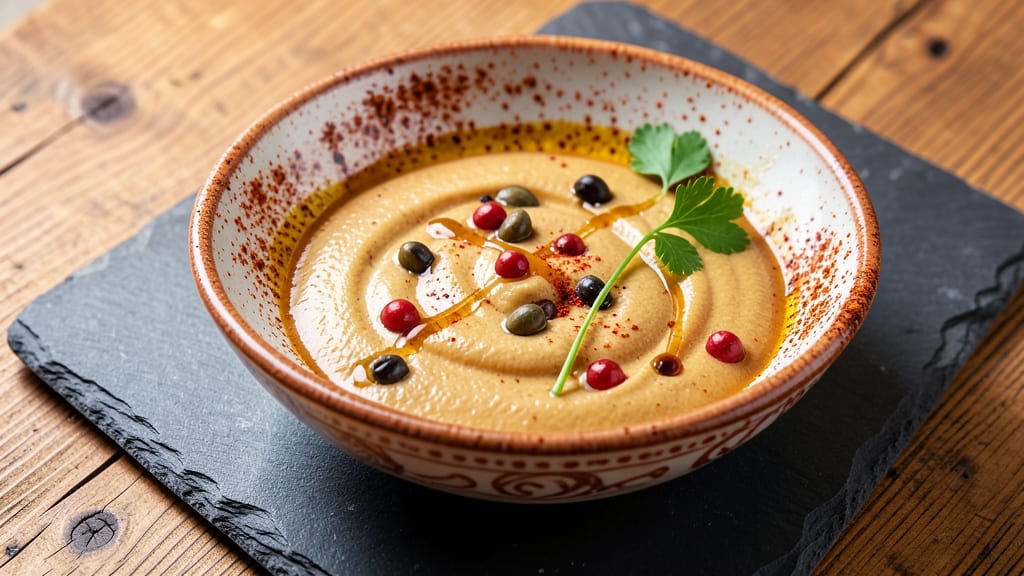
Antoine's remoulade sauce transforms ordinary seafood into a Cajun-inspired masterpiece with its signature tangy, herby, and slightly spicy profile. 🔥 This classic Louisiana sauce balances creamy mayonnaise with briny capers, sharp mustard, and a medley of fresh herbs, creating a versatile condiment that elevates grilled shrimp, lobster, or even fried chicken.
The key lies in the careful balance of acidity and richness—too much of either, and you lose that perfect harmony.
What sets this remoulade apart is its bold Cajun foundation, where cayenne and smoked paprika infuse depth without overpowering the fresh herbs like parsley and chives. The sauce thickens slightly as it sits, allowing flavors to meld into a cohesive, velvety texture that clings beautifully to protein.
Unlike store-bought versions, this recipe delivers authentic Louisiana flavor with minimal effort—just whisk, taste, and adjust.
Perfect for seafood lovers, this sauce doubles as a dipping companion or a bold finishing touch for grilled dishes. The capers add a briny punch, while the mustard and vinegar cut through the richness, creating a sauce that's both complex and approachable.
Once you master this recipe, you'll never reach for bottled remoulade again.
Store it in an airtight container for up to 5 days in the refrigerator, where the flavors continue to develop. The sauce thickens slightly over time, so a quick whisk before serving ensures that signature creamy consistency.
Whether you're serving up shrimp po'boys or grilled lobster tails, this remoulade will be the star of the meal.
Ingredients for antoine's remoulade sauce
Nine bold ingredients for a sauce that steals the show every time.
| Ingredient | Amount | Notes |
|---|---|---|
| Mayonnaise 🥫 | ¾ cup | High-quality, full-fat preferred |
| Capers 🫒 | ¼ cup | Chopped, packed in brine |
| Dijon Mustard 🧂 | 2 tbsp | High-quality, sharp flavor |
| White Wine Vinegar 🍷 | 2 tbsp | Dry, crisp variety |
| Smoked Paprika 🌶️ | 1 tbsp | For authentic Cajun depth |
| Cayenne Pepper 🔥 | ½ tsp | Adjust for heat preference |
| Fresh Parsley 🌿 | ¼ cup | Finely chopped, stems removed |
| Fresh Chives 🌱 | 2 tbsp | Finely chopped, for bright flavor |
| Garlic Cloves 🧄 | 2 cloves | Minced, fresh preferred |
| Lemon Juice 🍋 | 1 tbsp | Freshly squeezed |
| Salt 🧂 | ½ tsp | Kosher or sea salt |
| Black Pepper 🌶️ | ¼ tsp | Freshly ground preferred |
The mayonnaise is the base, so grab the full-fat, high-quality kind—none of that low-fat nonsense. Hellmann's or Best Foods work perfectly, but if you're feeling fancy, duck fat mayo takes it to the next level. Capers? Trader Joe's or Whole Foods have the best brine-packed ones—avoid the oil-packed kind, they're too mild. Smoked paprika is non-negotiable for that authentic Cajun kick. Penzeys or Goya brands are my go-tos, but any good smoked paprika will do. Fresh herbs make all the difference here—parsley and chives should be bright green, not wilted or yellowing. If you're short on time, dried herbs work in a pinch (use half the amount), but fresh is definitely worth the effort.
No capers? Chopped green olives or a pinch of salt can mimic that briny punch, though nothing beats the real deal. Short on parsley? Cilantro or basil work in a pinch, but you'll lose that classic remoulade brightness. The mayo-to-mustard ratio is key—too much mustard and it gets bitter, too little and you lose that tang. Dijon mustard is essential—regular yellow mustard just won't cut it. For extra heat, add a dash of hot sauce or more cayenne. If the sauce seems too thick, a splash of water or more vinegar thins it out beautifully. And if you're serving seafood, trust me—this sauce is worth the extra minute of whisking.
This sauce tastes even better the next day as the flavors meld. Store it in an airtight container in the fridge for up to 5 days, giving it a quick whisk before serving to restore that creamy texture. For longer storage, freeze it in ice cube trays—just thaw and whisk before using. The capers and herbs keep well, but if they start to wilt, toss them and make a fresh batch. Portion it into small jars if you're making it ahead for parties—no one wants to deal with a giant bowl of sauce that gets forgotten. And if you make extra? It's perfect on deviled eggs, sandwiches, or even as a dip for fries.
Why You'll Love This Recipe
- Five-Ingredient Magic: This sauce is my pantry shortcut—just mayo, capers, mustard, vinegar, and smoked paprika. No fancy techniques, no last-minute grocery runs. Honestly, I keep a jar of capers just for this.
- Tangy-Smoky Kick: That briny caper punch with the smoky paprika? It’s the kind of flavor that makes you pause mid-bite. The Dijon mustard ties it all together—sharp enough to cut through rich dishes but balanced so it doesn’t overpower.
- Weeknight to Party: Slather it on grilled shrimp for a fancy dinner or toss it with roasted potatoes for a casual lunch. Between us, I’ve even drizzled it over a charcuterie board when I needed something impressive with zero effort.
- Make-Ahead MVP: Double the batch—it keeps for days in the fridge, and the taste only gets better. I’ll be real: this is my go-to for meal prep because it turns boring leftovers into something that actually tastes intentional.
Step-by-step instructions for antoine's remoulade sauce
This bold Cajun-herb sauce comes together in minutes with just a few simple steps.
👨🍳 Step 1: Drain and Chop the Capers
Start by draining the 0.25 cup capers in a fine-mesh strainer, pressing gently with a spoon to remove excess brine. Transfer them to a small bowl and chop them finely with a chef's knife—you want tiny, evenly sized pieces that will distribute evenly through the sauce. I like to press down firmly with the blade to get uniform texture.
Set the chopped capers aside. Real talk: if you skip this chopping step, you'll get caper chunks in your sauce that might not be everyone's preference. The key here is consistency—tiny, uniform pieces blend seamlessly into the creamy base.
🍳 Step 2: Mix the Base Ingredients
In a medium bowl, combine the 0.75 cup mayonnaise, 2 tbsp Dijon mustard, and 2 tbsp white wine vinegar. Use a silicone spatula to mix until smooth and fully incorporated. The mixture should look creamy and homogeneous with no streaks of mustard remaining.
Here's where it gets fun—taste the base mixture now. It should have a tangy, slightly sharp flavor from the vinegar and mustard. If it needs more acidity, add a splash more vinegar (up to 1 tsp). This step ensures your final sauce has the perfect balance before adding the spices and herbs.
🥘 Step 3: Add the Cajun Spices and Aromatics
Add the chopped capers, 1 tbsp smoked paprika, 0.5 tsp cayenne pepper, 2 cloves minced garlic, 1 tbsp lemon juice, 0.5 tsp salt, and 0.25 tsp black pepper to the bowl. Stir vigorously to combine all ingredients thoroughly. You'll notice the mixture darken slightly as the spices meld with the creamy base.
This is the moment that matters: the spices should be evenly distributed. I press the back of the spatula against the bowl's bottom to scrape up any settled spices. The sauce should smell vibrant—bright from the lemon and garlic, with deep Cajun warmth from the smoked paprika and cayenne. If it's too spicy, reduce the cayenne next time to 0.25 tsp.
👨🍳 Step 4: Fold in the Fresh Herbs
Gently fold in the 0.25 cup finely chopped fresh parsley and 2 tbsp finely chopped fresh chives using a gentle folding motion. This preserves the herbs' bright color and fresh flavor rather than crushing them. The sauce should now have a beautiful green flecking throughout.
Here's the thing—don't overmix at this stage. You want the herbs to be visible as little bursts of freshness in the creamy sauce. Taste again and adjust seasoning if needed. The sauce should be tangy, slightly spicy, and herby with a creamy texture that coats the back of your spoon.
⏰ Step 5: Rest and Serve
Transfer the sauce to an airtight container and let it rest at room temperature for 15-20 minutes. This resting period allows all the flavors to meld together perfectly. The sauce will thicken slightly as it sits, which is exactly what you want for that ideal consistency.
Serve the remoulade immediately for seafood dishes like shrimp or blackened fish, or refrigerate for up to 3 days for later use. The sauce pairs beautifully with grilled shrimp, fried oysters, or even as a dip for crispy fries. Don't be afraid to experiment—this versatile sauce elevates any seafood or fried dish!
Pro Tips For Making Antoine'S Remoulade Sauce
- CHOP CAPERS FINE: Grab those capers straight from the jar and give them a quick pulse in the food processor—no need to strain the brine. That salty liquid actually balances the acidity later, so resist the urge to drain it unless you want a sharper, drier sauce.
- WHISK, DON’T STIR: When folding in the Dijon and vinegar, use a fork or whisk to cut through the mayo instead of just stirring. The emulsion breaks easily here, and once it separates, it’s a pain to fix—especially if you’re adding it to something warm like fried shrimp.
- SALT THE MAYO FIRST: Taste the mayo before adding anything else and season it aggressively with salt—this is the base, after all. I learned this the hard way: if you wait until the end, the capers and vinegar will throw off the balance, and you’ll end up playing flavor catch-up.
- SMOKED PAPRIKA LAST: Sprinkle the smoked paprika over the finished sauce just before serving—it’s not just for color. Adding it early dulls the smoky depth, and you’ll miss that bright, almost charred kick that makes this sauce stand out. (Yes, even if you’re impatient like me.)
Flavor customization for these flavors
Spice Level Control
Adjust the heat to your preference by tweaking the cayenne pepper. For a mild version, reduce to ¼ tsp—this still delivers Cajun warmth without the kick. If you love spice, add ½ tsp hot sauce (like Crystal or Tabasco) after folding in the herbs.
I find 0.5 tsp cayenne gives that perfect balance for seafood lovers who want heat without overpowering the delicate flavors. 🌶️
Herb Variations
Swap out parsley and chives for other fresh herbs based on what you have. Try ½ cup finely chopped dill for a lighter, more Mediterranean twist—it pairs beautifully with grilled salmon.
For a smoky depth, add 1 tbsp chopped fresh thyme alongside the parsley. Just remember: fresh herbs are key—dried versions won't give the same vibrant punch.
Acidity Adjustments
The white wine vinegar and lemon juice create the sauce's signature tang. If your remoulade tastes too sharp, add 1 tsp honey or maple syrup to balance it. For extra brightness, increase the lemon juice to 2 tbsp—this works especially well with citrusy seafood like shrimp.
I usually stick to the 1 tbsp lemon juice in the recipe, but don't hesitate to tweak it based on your taste.
Smoky Depth Boost
For a deeper Cajun profile, add ½ tsp liquid smoke (like Elmer's) when mixing the base ingredients. This enhances the smoked paprika's flavor without altering the texture. Another trick: toast the smoked paprika in a dry pan over low heat for 30 seconds before adding it to the sauce.
This intensifies its aroma and gives the remoulade a more complex, toasty note. 🔥
Creamy Texture Options
Need a lighter version? Replace ¼ cup of the mayonnaise with ¼ cup plain Greek yogurt for a tangier, slightly thicker texture. For extra richness, stir in 1 tbsp crème fraîche after folding in the herbs.
If the sauce separates when refrigerated, whisk in 1 tsp cold water to restore its creamy consistency. The key is always to whisk gently—never forcefully—to maintain that velvety texture.
Flavor Layering
Take your remoulade to the next level by adding unexpected layers. Stir in 1 tsp finely chopped cornichons for a tangy crunch, or fold in 1 tbsp finely chopped red onion for a subtle sweetness.
For a sweet-and-spicy twist, add ½ tsp finely grated carrot (it sounds odd, but it works!). These additions add complexity without overpowering the sauce's signature Cajun-herb profile. ✨
Nutrition facts
Frequently asked questions
What makes this remoulade different from regular tartar sauce?
This remoulade packs a Cajun-inspired punch with smoked paprika and cayenne, plus briny capers that tartar sauce lacks. While tartar sauce relies on pickles and relish, this version features fresh herbs (parsley and chives) and white wine vinegar for a brighter, more complex flavor profile. The mayo-to-mustard ratio also creates a smoother, more velvety texture perfect for seafood.
Can I make this sauce without capers?
If you're caper-free, try ½ cup finely chopped green olives (pitted and drained) or even 1 tsp extra salt plus 1 tsp lemon zest to mimic the briny, tangy depth. For a different twist, add 1 tbsp finely chopped cornichons—they'll give you that same sharp, salty punch without the caper texture.
How do I adjust the spice level for kids or sensitive palates?
For milder heat, reduce the cayenne to ¼ tsp or omit it entirely. If you still want Cajun flavor without the kick, add ½ tsp sweet paprika instead—it'll give that smoky depth without the heat. Always taste as you go! For extra safety, serve the sauce on the side so everyone can control their own spice level.
Can I use this sauce on non-seafood dishes?
This remoulade shines on fried chicken, burgers, or even as a dip for crispy fries. The capers and herbs add unexpected depth to grilled meats, while the creamy texture makes it perfect for dipping. Just reduce the cayenne to ¼ tsp for meat dishes to avoid overpowering the protein's natural flavor.
Why does my remoulade get watery when refrigerated?
This happens when the mayo separates due to temperature changes. Fix it by whisking in 1 tsp cold water or lemon juice to restore the emulsion. For prevention, store the sauce in a shallow container (not deep) so it cools evenly. If it still separates, stir in ½ tsp Dijon mustard—it acts as a natural emulsifier!