
Sauces & Condiments
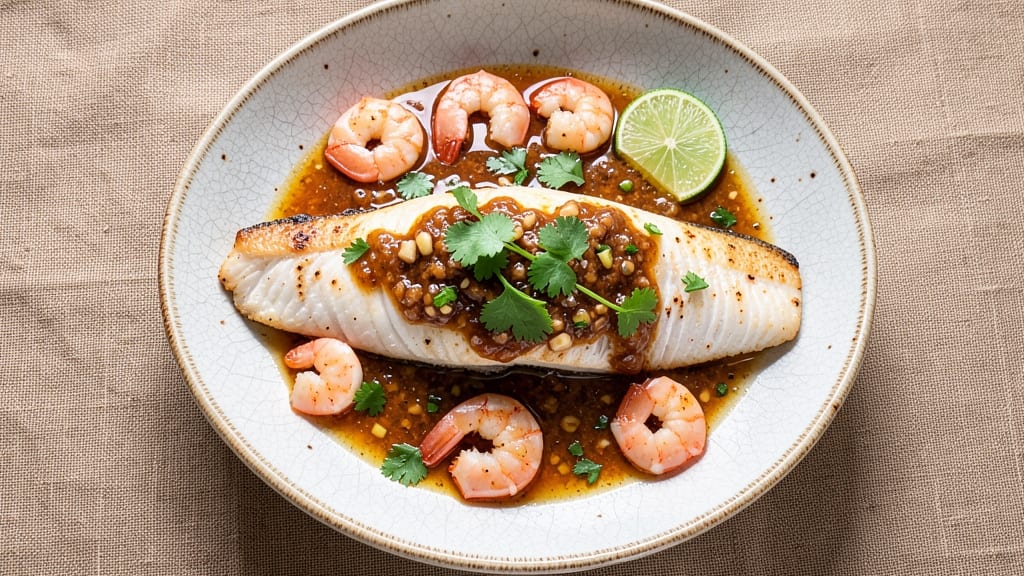
This baked fish with shrimp sauce recipe transforms simple white fish into a restaurant-worthy dish with just one pan and a silky, umami-rich glaze.
The secret lies in the sauce—a velvety blend of shrimp paste, coconut milk, and aromatic spices—that caramelizes beautifully during baking, creating a glossy finish that clings to every flake of fish.
I developed this recipe after realizing how underrated shrimp sauce can be for baked proteins, and the results speak for themselves: tender, flavorful fish with a sauce so rich it feels indulgent yet balanced.
What sets this recipe apart is its simplicity combined with depth. You’ll start with firm white fish like cod or tilapia, which holds up perfectly to the 375°F heat without falling apart.
The shrimp sauce, made from just a handful of pantry staples, builds layers of flavor through slow reduction—no fancy techniques required. The key is letting the sauce simmer until it thickens slightly, ensuring it coats the fish evenly and develops that irresistible caramelized crust.
By the time you pull this dish from the oven, you’ll have perfectly baked fish with a sauce that’s silky yet bold, thanks to the shrimp paste’s natural umami and the coconut milk’s creaminess.
The aroma alone will have everyone gathered around the table, and the first bite delivers that perfect harmony of tender fish and savory glaze. This is the kind of recipe that makes weeknight dinners feel special without requiring hours in the kitchen.
Pair it with steamed jasmine rice to soak up every last drop of sauce, or serve over a bed of greens for a lighter option.
The versatility of the shrimp sauce also means you can adapt it for other proteins—think shrimp or chicken—making this a go-to recipe for quick yet impressive meals. Let’s get to work!
Ingredients for baked fish with shrimp sauce
Pantry staples meet restaurant-quality flavor in this one-pan wonder.
| Ingredient | Amount | Notes |
|---|---|---|
| White Fish Fillets 🐟 | 1 ½ lb | Cod or tilapia preferred |
| Shrimp Paste 🦐 | 2 tbsp | Kek Prak brand recommended |
| Coconut Milk 🥥 | 1 cup | Full-fat for creaminess |
| Fish Sauce 🍶 | 1 tbsp | Red Boat preferred |
| Garlic Cloves 🧄 | 4 cloves | Minced for sauce |
| Fresh Ginger 🌿 | 1 tbsp | Grated, fresh preferred |
| Lime Juice 🍋 | 1 tbsp | Freshly squeezed |
| Brown Sugar 🍬 | 1 tbsp | Light or dark |
| Olive Oil 🫒 | 1 tbsp | For greasing pan |
| Thai Basil Leaves 🌿 | ¼ cup | Chopped for garnish |
| Salt 🧂 | 1 tsp | Kosher or sea salt |
| Black Pepper 🌶️ | ½ tsp | Freshly ground |
| Jasmine Rice 🍚 | 1 ½ cups | Uncooked, for serving |
The shrimp paste is non-negotiable here—Kek Prak from Asian markets delivers that authentic umami punch. If you can't find it, Red Boat fish sauce at half the amount works in a pinch, but the texture won't be identical. For coconut milk, full-fat canned versions like Thai Kitchen give the richest sauce, while light versions work if you're watching calories. The fish should be firm and evenly sized—tilapia or cod hold up best to baking. I always buy frozen fish fillets at Trader Joe's for convenience, then thaw overnight in the fridge.
No shrimp paste? Double the fish sauce and add 1 tsp soy sauce for depth. Fresh ginger is ideal, but substitute 0.5 tsp ground ginger if needed—just know it won't have the same zing. The Thai basil adds that signature aroma, but regular basil works in a bind. For extra heat, add a pinch of red pepper flakes with the spices. The brown sugar caramelizes beautifully during baking, so don't skip it—it's what gives that glossy finish. If you're using pre-seasoned fish, cut back on the salt in the sauce by half.
Prep the sauce first and let it sit for 10 minutes before baking—the flavors meld better. The fish cooks in 15-20 minutes at 375°F, but check at 12 minutes to avoid overcooking. Leftovers keep for 3 days in the fridge, though I've never had any last that long. The sauce reheats beautifully—just add a splash of water or coconut milk to loosen it. For meal prep, bake an extra fillet and store separately to reheat quickly.
Why You'll Love This Recipe
- One-Pan Magic: I swear by this for lazy nights—just toss the fish and shrimp paste on a sheet pan, pour in the coconut milk, and let the oven do the work. No chopping, no frying, no stress. The shrimp paste adds that deep, savory punch while you’re still deciding what to watch on TV.
- Umami Bomb: That shrimp paste? It’s the secret weapon—earthy, funky, and so good when caramelized slightly. Mix it with fish sauce and garlic, and suddenly you’ve got a sauce that’s rich, salty, and just a little bit addictive. The coconut milk balances it out like a perfect hug for your taste buds.
- Weeknight to Dinner Party: This dish works whether I’m feeding myself after a long day or hosting friends for a casual meal. The flavors are bold enough to impress but simple enough that no one will guess it took me less than 30 minutes. Serve it with rice or crusty bread, and suddenly you’re the hero of the hour.
- Leftovers That Don’t Suck: Honestly, I often make extra because the second day is just as good—maybe even better. The fish stays tender, the sauce thickens slightly, and reheating it in the microwave or oven keeps it from drying out. Plus, it’s cheap to stretch a few servings, especially when fish is on sale. Win-win.
Step-by-step instructions for baked fish with shrimp sauce
Here's the method for creating a restaurant-quality dish with minimal cleanup.
Prepare the Shrimp Sauce Base
In a small bowl, combine the 2 tablespoons shrimp paste with 1 cup coconut milk, 1 tablespoon fish sauce, 1 tablespoon brown sugar, and 1 tablespoon lime juice. Whisk until the shrimp paste is completely dissolved and the mixture is smooth. This creates the flavor foundation for your sauce.
Next, add the 4 cloves minced garlic and 1 tablespoon grated fresh ginger to the sauce mixture. Stir well to incorporate these aromatics. The sauce should have a rich, slightly pungent aroma with sweet and savory notes. This mixture will develop deeper flavor as it simmers, so don't be concerned if it doesn't smell fully cooked yet.
Season and Prepare the Fish
Preheat your oven to 375°F. While the oven heats, pat the 1.5 lb white fish fillets completely dry with paper towels. This step is crucial for achieving crispy skin. Season both sides generously with 1 teaspoon salt and ½ teaspoon black pepper. The fish should be evenly coated with seasoning.
Place the seasoned fish fillets on a parchment-lined baking sheet. Lightly brush each fillet with 1 tablespoon olive oil to help create a golden crust. Arrange the fillets in a single layer, leaving about ½ inch of space between each piece for even cooking.
Create the Sauce and Bake the Fish
Pour the prepared shrimp sauce over the fish fillets, spreading it evenly to coat all surfaces. The sauce should pool slightly around the edges of the baking sheet. Transfer the baking sheet to the preheated oven and bake for 12-15 minutes. You'll know the fish is done when it flakes easily with a fork and the internal temperature reaches 145°F at its thickest point.
During the last 2 minutes of baking, watch the fish closely. The sauce should begin to bubble and caramelize slightly, creating a glossy finish. If the sauce appears too thick before the fish is fully cooked, you can carefully remove the baking sheet from the oven and stir the sauce to distribute it more evenly.
Garnish and Serve
Remove the fish from the oven and let it rest for 3-5 minutes before serving. This resting period allows the juices to redistribute throughout the fish, ensuring each bite is moist and flavorful. While the fish rests, use a fork to gently fluff the sauce around the fillets, creating an appealing presentation.
Sprinkle the ¼ cup chopped Thai basil leaves evenly over the fish and sauce. The basil adds a fresh, aromatic contrast to the rich, umami flavors of the shrimp sauce. Serve the fish immediately with 1.5 cups cooked jasmine rice on the side to soak up the delicious sauce. The combination of tender fish, silky sauce, and fragrant rice creates a complete, satisfying meal.
Pro Tips For Making Baked Fish With Shrimp Sauce
- Bloom the Shrimp Paste: Toss the shrimp paste into the hot oil first and let it sizzle for 30 seconds—this releases its depth of flavor before the garlic even hits the pan. I used to skip this, and the sauce always tasted flat until I realized it needed that initial burst to wake up.
- Salt the Fish First: Season the fillets with fish sauce and a pinch of salt 15 minutes before baking. The acid in the fish sauce starts breaking down the proteins, so they don’t curl or fall apart when they hit the oven. Trust me, your fish will hold together better than if you salt it last-minute.
- Simmer, Don’t Boil: Reduce the coconut milk sauce over medium-low heat until it’s just thick enough to coat the back of a spoon—about 10 minutes. If you rush it, the sauce will split or turn grainy, and no one wants a watery, lumpy mess when they’re this close to dinner.
- Garlic Timing Matters: Add the minced garlic to the shrimp paste after it’s bloomed, but before the coconut milk goes in. Cook it just until fragrant—about 30 seconds—so it doesn’t burn and turn bitter. Overcooked garlic ruins everything, and you’ll know it the second it hits your tongue.
Creative variations of this dish
Thai-Inspired Twist
Transform this dish into a Thai-inspired masterpiece by adding 1 tbsp fish sauce and 1 tsp palm sugar to the shrimp sauce. Stir in 1 stalk lemongrass (bruised and chopped) and 1 kaffir lime leaf (torn) while simmering.
Serve with steamed jasmine rice and a side of quick-pickled cucumbers—the tangy contrast is incredible. 🌿
Creamy Garlic Version
For a richer, Western-inspired sauce, replace the coconut milk with ½ cup heavy cream and ½ cup coconut milk. Add 2 extra minced garlic cloves and a pinch of cayenne pepper for depth.
This version pairs perfectly with roasted baby potatoes and a crisp arugula salad. The sauce becomes velvety and clings beautifully to the fish.
Spicy Sriracha Glaze
Kick up the heat by mixing 1 tbsp sriracha into the shrimp sauce before baking. For extra smokiness, add ½ tsp smoked paprika. Garnish with sliced scallions and sesame seeds after baking.
Serve with cucumber ribbons and steamed rice to balance the spice. This version is a crowd-pleaser for those who love bold flavors! 🌶️
Lemon-Herb Variation
Brighten the dish with a zesty lemon-herb twist. Add 2 tbsp fresh lemon zest and 1 tbsp chopped dill to the sauce. Top the baked fish with lemon slices and a sprinkle of fresh dill before serving.
This lighter version works beautifully with roasted asparagus and crusty bread for dipping. The citrus cuts through the richness perfectly.
Coconut Curry Fusion
Elevate the sauce into a curry-inspired glaze by adding 1 tsp curry powder and ½ tsp turmeric to the shrimp paste mixture. Stir in 1 cup coconut milk and simmer until thickened.
Serve over basmati rice with sautéed bell peppers and cilantro. The warm spices add a whole new dimension to the dish! 🥥
Smoky Chipotle Glaze
For a smoky depth, blend 1 tbsp chipotle in adobo sauce into the shrimp sauce. Add ½ tsp ground cumin and a pinch of smoked salt for extra complexity.
Garnish with crumbled cotija cheese and cilantro. This version pairs wonderfully with charred corn and avocado slices for a smoky, tangy finish. 🔥
Nutrition facts
Frequently asked questions
Can I substitute shrimp paste in this recipe?
Yes, but the flavor will change slightly. Replace the 2 tablespoons shrimp paste with 2 tablespoons fish sauce plus 1 teaspoon soy sauce for a similar umami depth. For a closer match, try 1 tablespoon shrimp paste + 1 tablespoon fish sauce. The texture won't be identical, but it'll still taste delicious.
What's the best fish to use for this recipe?
Firm white fish work best—cod, tilapia, or mahi-mahi hold up perfectly to baking without falling apart. Avoid delicate fish like flounder or sole, which can get mushy. For extra flavor, try snapper or sea bass. Just ensure the fillets are 1-inch thick for even cooking.
How do I prevent the sauce from burning before the fish is cooked?
Start baking at 375°F and check the fish at 12 minutes. If the sauce thickens too fast, remove the pan from the oven and stir gently to redistribute. For extra insurance, bake the fish first for 8-10 minutes without sauce, then add the sauce and finish baking. The sauce should caramelize beautifully by the end.
Can I make this recipe ahead of time?
Prepare the sauce and marinate the fish up to 24 hours ahead, storing both separately in the fridge. Assemble the dish and bake when ready—it reheats beautifully. For leftovers, store the baked fish and sauce together for 3 days or freeze for 2 months. Reheat gently in the oven to maintain texture.
What sides pair best with this dish?
Jasmine rice soaks up the sauce perfectly, but also try steamed greens (bok choy or spinach), roasted sweet potatoes, or crispy garlic noodles. For a lighter option, serve with cucumber salad or mandarin oranges to cut through the richness. The contrast of textures makes every bite exciting!