
Sauces & Condiments
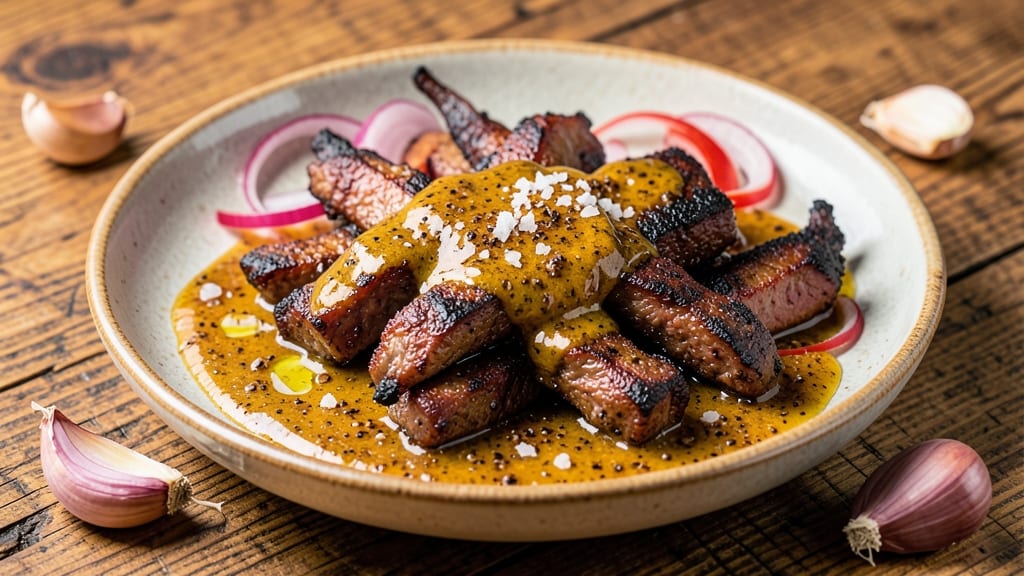
This anticuchera sauce recipe delivers the smoky, spicy depth of Peruvian street food in just 15 minutes—no shortcuts, just authentic flavor. The secret lies in ají amarillo, a vibrant yellow chili that brings both heat and fruity sweetness, balanced by garlic, vinegar, and earthy cumin.
I developed this version after years of perfecting the sauce for grilled meats, and it's now my go-to for adding that signature Peruvian kick.
The process is straightforward: sauté aromatics until fragrant, then blend everything into a smooth, vibrant sauce that clings beautifully to meat. What makes this sauce special is its versatility—it works as a marinade, dipping sauce, or finishing glaze.
The smoky notes from the ají amarillo and cumin create layers of complexity that elevate even simple grilled proteins, while the vinegar adds brightness that cuts through richness.
By the end, you'll have a bold, aromatic sauce with a perfect balance of heat and acidity, ready to transform your dishes. The sauce keeps well in the refrigerator for up to a week, making it ideal for meal prep.
Whether you're cooking for a crowd or just want to add authentic Peruvian flavor to your meals, this recipe delivers restaurant-quality results at home.
Use it on grilled meats, as a marinade, or even drizzled over roasted vegetables for an unexpected twist. The key is letting the flavors meld during cooking—don't rush it. Let's make this sauce!
Ingredients for anticuchera sauce
Nine essential ingredients transform into a vibrant sauce bursting with Peruvian street food soul.
| Ingredient | Amount | Notes |
|---|---|---|
| Aji Amarillo Paste 🌶️ | 2 tbsp | High-quality, authentic Peruvian paste |
| Garlic Cloves 🧄 | 6 cloves | Freshly peeled, slightly crushed |
| White Vinegar 💧 | ¼ cup | White or apple cider vinegar |
| Ground Cumin 🌿 | 1 tsp | Freshly toasted for depth |
| Smoked Paprika 🌶️ | 1 tsp | For authentic smoky flavor |
| Olive Oil 🫒 | ¼ cup | Extra-virgin, fruity variety |
| Red Wine 🍷 | ¼ cup | Dry, bold red like Malbec |
| Salt 🧂 | ½ tsp | Diamond Crystal kosher salt |
| Black Pepper 🌶️ | ¼ tsp | Freshly cracked black pepper |
| Fresh Cilantro 🌿 | ¼ cup | Chopped, for fresh brightness |
The ají amarillo paste is non-negotiable here—Peruvian markets or specialty Latin stores carry the best. If you can't find authentic paste, aji amarillo powder works at double the amount. Toast your cumin seeds in a dry pan for 30 seconds before grinding to unlock deeper flavor. For vinegar, white is traditional but apple cider adds subtle sweetness. The garlic should be fresh, not pre-minced—smell it first; it should be pungent and vibrant. I always grab Malbec from Trader Joe's for the red wine—it's affordable and bold enough to stand up to the heat.
No ají amarillo? Mix 1 tsp smoked paprika with 1/2 tsp cayenne for a close approximation, though it won't have that fruity depth. Running low on cilantro? Fresh parsley works in a pinch, though it lacks the citrusy kick. The olive oil matters—use something you'd drizzle on bread, not the cheap stuff. For a vegetarian version, swap the red wine for extra vegetable broth with a splash of balsamic. The sauce thickens as it cools, so if it's too thin after blending, simmer uncovered for 2-3 minutes to reduce. Trust me on this—don't skip the smoked paprika, even if you're not a smoky flavor fan.
This sauce keeps beautifully in the fridge for up to 1 week, with flavors deepening over time. For longer storage, freeze in ice cube trays—perfect for single-use portions. The red wine adds alcohol content, so it's safe to freeze without worrying about spoilage. When reheating, warm gently on the stove or microwave for 20 seconds. I always make double batches—one for immediate use and one to freeze. The sauce pairs perfectly with grilled meats, but don't be afraid to drizzle it over roasted potatoes or even avocado toast for a bold twist.
Why You'll Love This Recipe
- Five-Ingredient Magic: I swear by this—just blend, simmer, and boom. No peeling endless garlic cloves or hunting for obscure spices. That aji amarillo paste does all the heavy lifting while I chop onions in record time.
- Smoky-Sweet Obsession: The cumin and smoked paprika give it this dangerously addictive depth—bright from the vinegar, warm from the garlic, and that yellow pepper heat lingers like a good memory. (Yes, even on a Tuesday night.)
- Sauce for Everything: Slather it on grilled meats, toss it with roasted potatoes, or drizzle it over eggs. My kids ask for it on tacos, and my partner sneaks it into his rice bowls. It’s the kind of sauce that makes you a hero at any meal.
- Leftovers That Lie: Between us, this sauce improves overnight. The flavors meld into something richer, and I’ve got a jar in my fridge right now that’s been feeding us for a week. Freezer-friendly too—just thaw and reheat. No waste, all flavor.
Step-by-step instructions for authentic anticuchera sauce
This smoky, vibrant sauce comes together faster than you'd expect—just 15 minutes of focused work.
Bloom the Aromatics in Olive Oil
Heat the 0.25 cup olive oil in a medium saucepan over medium-low heat. Add the 6 cloves garlic cloves and 1 tsp ground cumin, stirring constantly for 1-2 minutes until the garlic becomes fragrant but doesn't brown. The cumin will release its earthy aroma—this is where the sauce builds its depth.
Watch the heat carefully here. If the garlic starts to sizzle or turn golden, you'll burn it before the oil heats properly. You want to see the garlic soften slightly and smell its sweet, pungent aroma without any bitterness. This step is the flavor foundation, so don't rush it.
Add Spices and Vinegar for Balance
Increase the heat to medium and add the 1 tsp smoked paprika and 0.25 cup white vinegar. Stir vigorously for 1 minute as the vinegar sizzles and the paprika dissolves completely. The mixture will bubble gently—this is normal and helps distribute the flavors evenly.
Here's where the sauce starts to come together. The vinegar cuts through the richness of the olive oil while the smoked paprika adds that signature Peruvian depth. If you taste it now, you'll notice a bright, slightly acidic base with warm cumin notes. This is your checkpoint before adding the aji amarillo.
Incorporate Aji Amarillo for Heat
Reduce the heat to low and slowly whisk in the 2 tbsp aji amarillo paste. Start with just 1 tablespoon, whisking continuously for 30 seconds to ensure it dissolves completely before adding the remaining tablespoon. The paste will thicken the sauce slightly and introduce that signature Peruvian heat.
I like to add it gradually to control the heat level. If you add it all at once, you might end up with a sauce that's too intense. You'll see the sauce turn a beautiful golden-orange color as the aji amarillo integrates. The heat should be noticeable but not overwhelming—think warm, fruity spice rather than searing chili.
Simmer and Reduce with Wine
Pour in the 0.25 cup red wine and bring the mixture to a gentle simmer over medium heat. Let it reduce by half, which should take about 4-5 minutes. Stir occasionally to prevent sticking, and you'll notice the sauce thickening as the alcohol evaporates.
This reduction step concentrates the flavors and balances the acidity from the vinegar. You'll see the sauce transform from a thin liquid to a glossy, syrupy consistency. The aroma will intensify—smoky, slightly sweet, with a hint of garlic and cumin. If it reduces too quickly, lower the heat slightly to maintain control.
Finish with Seasonings and Freshness
Remove the sauce from heat and stir in the 0.5 tsp salt, 0.25 tsp black pepper, and 0.25 cup fresh cilantro. Let it sit for 2-3 minutes to allow the cilantro to infuse its bright, citrusy notes. The cilantro should be chopped finely to distribute evenly without overpowering the sauce.
Taste and adjust the seasoning if needed. You might want to add a splash more vinegar if it's too rich, or a pinch more salt if the flavors need balance. The sauce should be vibrant, slightly tangy, with a warm, smoky background and a gentle kick of heat. Serve immediately over your anticuchos or use as a marinade for grilled meats.
Pro Tips For Making Anticuchera Sauce
- TOAST YOUR SPICES: I learned this the hard way—adding ground cumin and smoked paprika straight from the jar means you’re just stirring in dust. Lightly toast them in a dry pan for 30 seconds until fragrant, then cool before mixing. The extra effort makes the sauce smell like a Peruvian street stall should.
- LOW AND SLOW WITH GARLIC: Chop your garlic cloves into thin slivers, not minced—you want visible texture, not mush. Sauté them in oil on low heat until golden, not browned. I used to rush this, and the sauce would taste bitter. Patience here keeps the flavor bright and balanced.
- VINEGAR FIRST, THEN PASTE: Add white vinegar to the pan before the aji amarillo paste—this prevents the paste from burning instantly. The vinegar creates a quick acid barrier, letting you cook the paste gently until it’s fully incorporated. Skip this step, and you’ll end up with a charred, bitter mess.
- STRAIN IF YOU’RE PICKY: The aji amarillo paste can leave tiny seeds or bits that make the sauce gritty. If you’re serving it with delicate proteins (like chicken anticuchos), strain it through a fine-mesh sieve after cooking. I only do this for special occasions, but it’s worth it when you’re aiming for silky smoothness.
Serving suggestions for this dish
Grilled Meat Pairings
This sauce transforms grilled beef anticuchos into a flavor explosion—drizzle generously over the skewers before serving. I like to marinate the meat in ½ cup sauce for 30 minutes before grilling for extra depth.
For chicken or pork skewers, brush with sauce during the last 5 minutes of cooking to prevent burning. The smoky, tangy notes complement the charred meat beautifully. 🔥
Dipping Sauce Magic
Serve this sauce in a small bowl alongside your skewers for dipping—it’s a crowd-pleaser at parties. The balance of heat and acidity cuts through rich meats like ribeye steak or pulled pork.
I also love pairing it with crispy empanadas or yuca fries for a Peruvian-inspired appetizer spread. The sauce’s vibrant color makes it visually striking too!
Vegetarian Twists
Don’t limit this sauce to meat! Drizzle it over grilled portobello mushrooms or roasted sweet potatoes> for a vegetarian-friendly option. It also elevates black beans> or quinoa bowls> with its bold flavors.
For extra richness, mix 1 tbsp sauce> into mashed avocado or spread it on toasted sourdough> with crumbled feta cheese>. The possibilities are endless!
Breakfast Boost
Start your day with a Peruvian-inspired breakfast by mixing 2 tbsp sauce> into scrambled eggs or a huevos rancheros> sauce. Stir it into refried beans> or dollop it on top of tortilla chips> with a fried egg.
The smoky, spicy kick wakes up your taste buds—perfect for brunch with friends. Pro tip: Add a dash of sauce to guacamole> for a fusion twist!
Storage & Reuse
Store leftovers in an airtight container> in the fridge for up to 1 week>, or freeze in ice cube trays> for single-use portions. Reheat gently on the stove or microwave for 20 seconds>.
Use the sauce as a marinade for grilled shrimp> or toss it with cold noodles> for a quick salad dressing. The versatility makes it a pantry staple—once you try it, you’ll want to keep a jar on hand. ✨
Nutrition facts
Frequently asked questions
Can I substitute ají amarillo paste if I can't find it?
Yes, you can use aji amarillo powder at double the amount (4 tbsp instead of 2 tbsp), but the flavor won't be identical. For a closer approximation, mix 1 tsp smoked paprika with ½ tsp cayenne pepper—this adds heat and smokiness, though it lacks the fruity depth of authentic ají amarillo.
How spicy is this sauce, and can I adjust the heat?
The sauce has a moderate heat from ají amarillo, similar to a mild jalapeño. For less heat, reduce the ají amarillo to 1 tbsp or add 1 tsp honey to balance. For extra kick, increase to 3 tbsp ají amarillo or add ½ tsp red pepper flakes. Always taste as you go!
Can I make this sauce without wine?
Replace the ¼ cup red wine with ¼ cup beef broth or apple cider vinegar for a vegetarian version. For depth, add 1 tsp soy sauce (or tamari for gluten-free) to mimic the wine's umami. The sauce will still be vibrant and flavorful—just slightly less complex.
Why does my sauce look thin after blending?
The sauce thickens as it cools—don't worry if it seems runny right after blending. Simmer uncovered for 2-3 minutes to reduce it slightly, or chill for 30 minutes to let it set. If it's still too thin, stir in 1 tsp cornstarch mixed with 1 tbsp water and heat gently until thickened.
How long can I store this sauce, and does it freeze well?
Store in an airtight container in the fridge for up to 1 week, or freeze in ice cube trays for single-use portions. Thaw overnight in the fridge—never microwave directly from frozen. The flavors actually improve over time, so it's perfect for meal prep!