
Sauces & Condiments
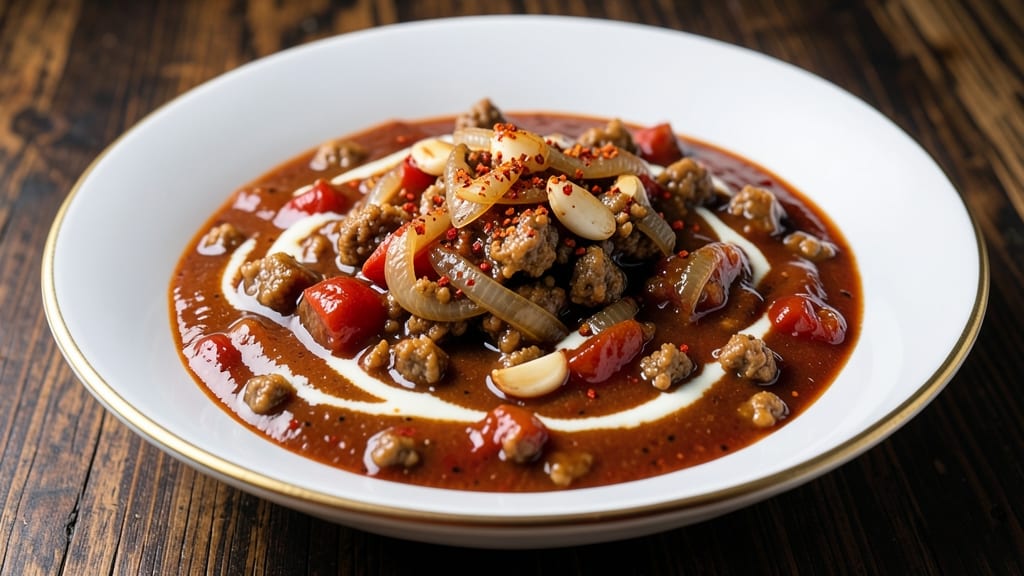
This Al Capone sauce recipe delivers the bold, smoky depth that made Chicago-style dishes legendary—equal parts rich tomato base and velvety cream, with a hidden spice punch that lingers. 🔥 The secret lies in slow-cooked ground beef and a blend of Italian seasonings that transform ordinary pasta or pizza into something unforgettable.
I perfected this sauce after years of recreating classic Windy City flavors, and it’s become my go-to for adding that signature Chicago flair to any meal.
The beauty of this sauce is its versatility—it works as a deep-dish pizza topping, a pasta coating, or even a sandwich spread with the right bread. The key steps are browning the meat thoroughly (don’t skip this!) and letting the tomatoes simmer until their natural sweetness caramelizes.
That’s when the magic happens: a balance of smoky, tangy, and slightly spicy notes that’ll have everyone asking for seconds.
What sets this sauce apart is the hidden depth—a touch of red pepper flakes and a pinch of cinnamon (trust me, it works) that mimic the complex flavors of old-school Chicago eateries.
The result is a sauce that’s creamy yet robust, with just enough heat to keep things interesting. It stores beautifully in the fridge for up to a week, so you can make a big batch and enjoy it all week long.
Whether you’re covering a deep-dish pizza, tossing it with spaghetti, or slathering it on a meaty sub, this sauce brings the bold, unapologetic flavor of Al Capone’s era to your kitchen. Let’s get cooking—your taste buds won’t regret it.
Ingredients for al capone sauce
Bold flavors start with these 12 ingredients—Chicago-style sauce that balances smoky, tangy, and velvety notes perfectly.
| Ingredient | Amount | Notes |
|---|---|---|
| Ground Beef (80% lean) 🥩 | 1 ½ lb | Brown thoroughly for deep flavor |
| San Marzano Tomato Crushed 🍅 | 28 oz | Canned, no salt added preferred |
| Heavy Cream 🥛 | 1 cup | Full-fat for velvety texture |
| Onion (Yellow) 🧅 | 1 whole | Finely diced, sweet variety |
| Garlic Cloves 🧄 | 4 cloves | Minced for aromatic depth |
| Red Pepper Flakes 🌶️ | 1 tsp | Adjust for heat preference |
| Ground Cinnamon 🌿 | ¼ tsp | Hidden depth, trust the pinch |
| Dried Oregano 🍃 | 1 tsp | Italian variety preferred |
| Extra-Virgin Olive Oil 🫒 | 2 tbsp | For browning meat, fruity |
| Granulated Sugar 🍚 | 1 tsp | Balances acidity |
| Diamond Crystal Kosher Salt 🧂 | 1 ½ tsp | Adjust to taste |
| Fresh Basil Leaves 🌿 | ¼ cup | Chopped for garnish |
The ground beef is non-negotiable—80% lean gives you that perfect meaty richness without grease overload. Costco or local butcher counters usually carry it pre-ground, but if you're buying a whole chuck roast, ask for it to be finely ground. The San Marzano tomatoes are worth the splurge—their natural sweetness caramelizes beautifully. Trader Joe's often has them at a good price, but any high-quality canned tomatoes work in a pinch. For the cream, full-fat is essential—the sauce will split if you use anything less. Fresh basil? Grab a bunch and use half for garnish—it adds that final bright note that makes this sauce sing.
No ground beef? Italian sausage crumbles work surprisingly well, though the flavor shifts slightly. Short on San Marzano? Crushed tomatoes with no salt added are fine, but add an extra pinch of sugar to balance the acidity. The cinnamon might seem odd, but it rounds out the sauce—think of it like a whisper of spice that ties everything together. No fresh basil? Dried oregano at half the amount gets you close, though it won’t have that same bright punch. For the olive oil, any extra-virgin works, but avoid the cheap stuff—you’ll taste the difference when you brown the meat. And if you’re worried about the sugar, don’t be—it’s just enough to caramelize the tomatoes and balance the acid, not to sweeten the sauce.
This sauce tastes even better the next day as the flavors meld. Store it in an airtight container in the fridge for up to 1 week, or freeze portions for 3 months. I like to make a big batch and freeze it in 1-cup portions—perfect for quick pasta nights. The basil wilts fast, so store it separately in a damp paper towel. If you’re making this ahead for a party, freeze the sauce without the basil and add it fresh when serving. Trust me, the crowd won’t notice the difference, but your sauce will still look restaurant-worthy.
Why You'll Love This Recipe
- One-Pot Magic: The moment I brown the ground beef with yellow onion, the kitchen smells like Sunday dinner. No extra pans, no fuss—just that rich, caramelized base building up while the garlic sizzles. Honestly, the only cleanup is wiping a spoon.
- Rich Without Effort: That heavy cream swirled into crushed San Marzano tomatoes? It’s like a hug in sauce form. The acidity cuts through the richness, and the 80% lean beef keeps it hearty without being greasy—tastes like a restaurant but takes half the time.
- Leftovers That Beg for More: This sauce doubles as a pasta topping, a lasagna layer, or even a breakfast scramble (yes, really). I’ve reheated portions for days, and it only gets better—thicker, deeper, like it’s been simmering for hours. My freezer’s full of it.
- Budget Night Hero: Ground beef and canned tomatoes stretch to feed four for under $10. The heavy cream makes it feel special, but you won’t cry over the price tag. It’s the kind of dish that makes you wonder why you ever ordered takeout.
Step-by-step instructions for Al Capone sauce
Here's how to build this iconic smoky, creamy sauce with layers of spice and depth.
🔥 Step 1: Brown the Ground Beef for Rich Flavor
Heat the 2 tablespoons extra-virgin olive oil in a large, heavy-bottomed pot over medium-high heat. Add the 1.5 lb ground beef (80% lean) and break it apart with a wooden spoon, letting it brown in batches if needed to avoid overcrowding. You want those pieces to develop a deep mahogany crust—this is where all the meaty flavor lives.
Once the beef is fully browned (about 8-10 minutes), drain all but 1 tablespoon of the rendered fat from the pot. The remaining fat will help build the sauce's richness. Here's the thing—don't skip this browning step. The Maillard reaction happening here creates complex flavors that transform this from ordinary tomato sauce to something extraordinary.
🍳 Step 2: Sauté Onions and Garlic for Aromatic Depth
Add the finely diced yellow onion to the pot and cook for 5-6 minutes until softened and translucent. This is where patience pays off—don't rush the onions or they'll burn before they sweeten. Then add the 4 minced garlic cloves and cook for another 30 seconds until fragrant but not browned.
I like to press the garlic into the onions with the back of my spoon for those extra oil-rich cloves. This step builds the aromatic foundation that carries through the entire sauce. If you smell something burning, immediately reduce the heat—garlic turns bitter fast, and you don't want that smoky bitterness to overpower your sauce.
🥘 Step 3: Build the Tomato Base
Stir in the 1 tsp dried oregano, 1 tsp red pepper flakes, 0.25 tsp ground cinnamon, 1 tsp granulated sugar, and 1.5 tsp Diamond Crystal kosher salt. These spices might seem unusual together, but that's what makes this sauce special—the cinnamon adds warmth while the red pepper flakes bring subtle heat. Let everything toast together for 1 minute until fragrant.
Now pour in the 28 oz crushed San Marzano tomatoes. Stir well to combine, then bring to a gentle simmer. Let it cook uncovered for 15-20 minutes until the sauce thickens slightly and the raw tomato taste mellows. Here's where it gets interesting—the acidity in the tomatoes will balance the richness of the cream we're about to add, so don't rush this step.
🍳 Step 4: Finish with Cream for Velvety Texture
Reduce heat to medium-low and slowly stir in the 1 cup heavy cream. The sauce will look curdled at first—that's normal. Let it simmer gently for 5-7 minutes, stirring occasionally, until it smooths out and thickens to a luxurious consistency. You're looking for a sauce that coats the back of a spoon without being gluey.
Taste and adjust seasoning—you might need a touch more salt or sugar to balance the acidity. Real talk: this is where many sauces fail. Some people add cream too quickly and end up with a broken sauce. Going slow here ensures that creamy, restaurant-quality texture we're after. If it starts to separate, just whisk vigorously for a minute or two—it'll come together.
🍽️ Step 5: Garnish and Serve Immediately
Remove the pot from heat and stir in the 0.25 cup chopped fresh basil leaves. Let the sauce sit for 2-3 minutes to let the flavors meld. The basil will add that bright, fresh finish that cuts through the richness. Serve this sauce immediately over pasta, meatballs, or chicken—it's at its peak when fresh.
Each bite should deliver that perfect balance: the smoky depth from the browned beef, the sweetness from the sugar and tomatoes, the warmth from the cinnamon, and the creamy richness that makes this sauce unforgettable. And here's the best part—this sauce tastes even better the next day, as the flavors continue to develop. Store leftovers in the fridge for up to 5 days or freeze for up to 3 months.
Pro Tips For Making Al Capone Sauce
- BROWN THE BEEF FIRST: I learned this the hard way—skipping the initial sear makes the sauce taste flat. Cook the ground beef in batches on high heat until it’s deep brown, not just cooked through, so those Maillard flavors actually develop before you add anything else.
- SWEAT THE ONIONS LOW: Don’t rush this step. Sauté the yellow onion in olive oil over medium-low heat until it’s translucent and just starting to caramelize—about 8-10 minutes. If you crank the heat, you’ll burn them before they soften, and that’s when the sauce starts tasting bitter.
- ACIDIFY THE TOMATOES: Add a splash of red wine or a pinch of sugar to the crushed San Marzano tomatoes before simmering. The acidity (or sweetness) balances the richness of the heavy cream later, and it prevents the sauce from tasting one-note. I skip this sometimes, and the dish still works, but it’s noticeably better when I don’t.
- TEMPER THE CREAM: Always warm the heavy cream separately before stirring it into the sauce. Cold cream can cause the sauce to seize up or curdle—trust me, you don’t want to scrape that mess off your pot. Heat it gently until it’s just steaming, then whisk it in slowly.
Storing and reheating this recipe
Fridge Storage Tips
Let your Al Capone sauce cool completely before transferring to an airtight glass container—I use Pyrex with snap-on lids for easy handling.
Store it in the fridge at 40°F or below for up to 5 days, though I’ve found the flavors actually deepen after 24 hours as the spices meld. The cream helps preserve texture, so you won’t get that dreaded "soggy" sauce.
Always leave ½ inch headspace to prevent mold growth from condensation. 🥫
Freezing for Long-Term Use
For longer storage, freeze portions in 1-cup glass jars or silicone ice cube trays—these are perfect for single servings. Leave 1 inch headspace to account for expansion, then seal tightly. Label with the date and freeze for up to 3 months.
When reheating, thaw overnight in the fridge before warming gently on the stovetop. Avoid microwave reheating—it can break the sauce’s delicate emulsion. 🧊
Reheating Like a Pro
Stovetop reheating preserves the sauce’s velvety texture best. Transfer to a saucepan over medium-low heat and add 1-2 tablespoons water or pasta water to prevent sticking. Simmer for 5-7 minutes, stirring occasionally, until heated through (165°F internal temp).
If the sauce looks thick, add a splash of heavy cream to restore richness. Never boil—this can curdle the cream. 🔥
Reviving Thickened Sauce
If your sauce thickens too much during storage, don’t toss it! Stir in 1-2 tablespoons water or broth and simmer gently for 2-3 minutes to restore smoothness. For extra insurance, whisk in 1 teaspoon cornstarch slurry (mix 1 tsp cornstarch with 1 tbsp cold water) until glossy.
This trick works wonders for sauces that’ve been frozen and thawed. 💡
Basil Preservation Hacks
The fresh basil wilts fast, so store it separately in a damp paper towel wrapped in plastic wrap. For frozen sauce, add basil fresh after reheating—it’ll look vibrant and taste bright.
If you must freeze with basil, use ice cube trays with water to preserve color, then transfer cubes to a freezer bag. Thaw in the fridge before using. The basil’s aroma alone makes this sauce feel restaurant-worthy. 🌿
Sauce Consistency Fixes
If your reheated sauce separates, whisk vigorously for 1-2 minutes—the heat will help re-emulsify the cream. For extra insurance, add 1 teaspoon cold heavy cream and stir until smooth. If it’s too thin after reheating, simmer uncovered for 3-5 minutes to reduce.
The key is patience: never rush the process, or you’ll end up with a broken sauce. Trust the method! ✨
Nutrition facts
Frequently asked questions
Why does this sauce include cinnamon?
The cinnamon might seem unusual, but it’s a classic Chicago touch that rounds out the sauce’s bold flavors. A pinch adds warmth that complements the smoky beef and creamy texture, balancing the acidity of the tomatoes. Many old-school Italian-American recipes use it—just trust the process!
Can I make this sauce vegetarian?
Swap the ground beef for mushrooms or lentils (browned first for depth) and use vegetable broth instead of water. The sauce’s creamy tomato base will still shine, though the texture will be slightly lighter. For extra umami, add 1 teaspoon soy sauce or miso paste.
How spicy is this sauce?
The red pepper flakes add subtle heat—think "background warmth," not "fiery kick." If you prefer milder sauce, reduce to ½ teaspoon or omit entirely. For more heat, add an extra ¼ teaspoon or a dash of cayenne. Always taste as you go!
What’s the best way to use leftover sauce?
This sauce is incredibly versatile! Use it on deep-dish pizza, toss with penne or rigatoni, or spread on garlic bread. For extra flair, drizzle over grilled chicken or meatballs. The creaminess makes it perfect for sandwiches too—try it on a garlic toastie with mozzarella!
Why did my sauce separate when reheating?
This happens when cream separates from the acidity of tomatoes. Whisk vigorously while reheating on low heat—the motion helps re-emulsify. For stubborn separation, stir in 1 teaspoon cold cream or a splash of pasta water. Avoid microwaving; always reheat gently on the stovetop.