
Sauces & Condiments
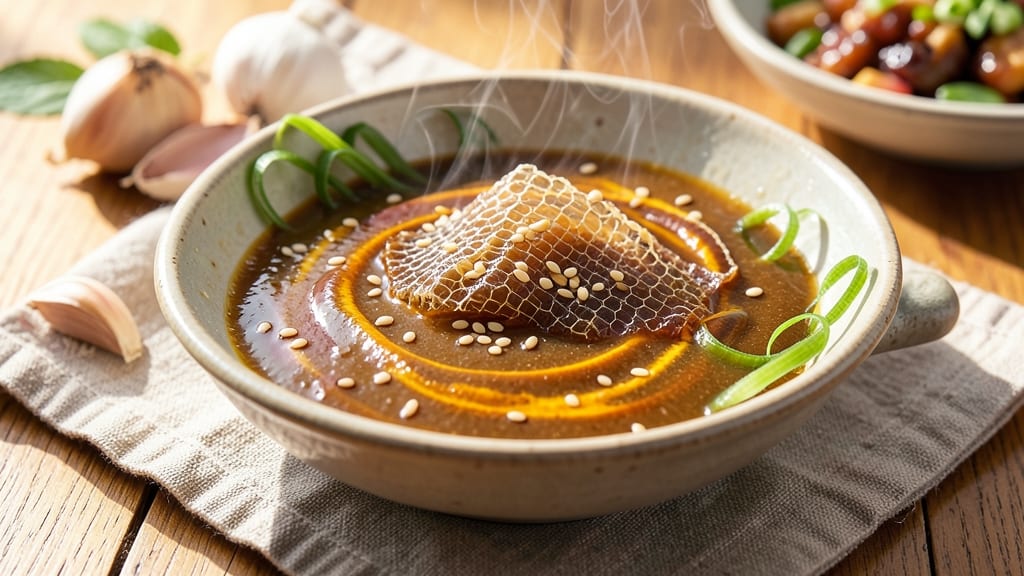
This anti-inflammatory teriyaki sauce transforms traditional stir-fries into vibrant, health-boosting meals with just 10 minutes of prep and ingredients you likely already have. The secret lies in turmeric and ginger—powerhouse spices that fight inflammation while delivering that signature umami-sweet balance.
Unlike store-bought versions packed with sugar and preservatives, this sauce uses coconut aminos for a low-glycemic, flavor-packed alternative that won’t spike blood sugar.
What makes this sauce stand out is its versatility—it elevates grilled salmon, crispy tofu, or roasted Brussels sprouts with equal brilliance. The ginger-turmeric blend adds warmth and depth, while garlic and sesame oil create a rich, aromatic foundation.
Best of all, it keeps for up to 2 weeks in the fridge, making it a pantry staple for quick, nutrient-dense meals.
The result is a glossy, sticky sauce with a perfect sweet-savory-spicy harmony that clings beautifully to proteins and vegetables. It’s the kind of sauce that turns a simple weeknight dinner into a restaurant-worthy experience—without the guilt.
Whether you’re meal prepping for the week or craving an instant flavor boost, this recipe delivers every time.
Pair it with anything from sushi bowls to baked chicken thighs, or drizzle it over steamed greens for a nutrient-packed finish. The possibilities are endless, and the health benefits are undeniable. Let’s get started!
Ingredients for anti inflammatory teriyaki sauce
Ten ingredients, vibrant flavors, and zero artificial additives for a teriyaki sauce that heals as it delights.
| Ingredient | Amount | Notes |
|---|---|---|
| Coconut Aminos 🥄 | ½ cup | Low-sodium preferred for balance |
| Fresh Ginger Root 🌿 | 2 tbsp | Grate finely, organic preferred |
| Turmeric Powder 🧡 | 1 tbsp | High-quality, vibrant orange |
| Garlic Cloves 🧄 | 4 cloves | Fresh, minced for aromatic depth |
| Sesame Oil 🫒 | 1 tbsp | Toasted sesame preferred |
| Raw Honey 🍯 | 2 tbsp | Local, unprocessed preferred |
| Rice Vinegar 🍶 | 2 tbsp | Unseasoned, mild acidity |
| Sesame Seeds 🌾 | 1 tbsp | Toasted lightly for garnish |
| Ground Black Pepper 🌶️ | ½ tsp | Freshly cracked for potency |
| Water 💧 | ¼ cup | Filtered preferred for clarity |
The ginger and turmeric are non-negotiable here—organic ginger root from Whole Foods or a trusted Asian market delivers the most potent anti-inflammatory benefits. Look for bright orange turmeric powder (the deeper the color, the more curcuminoids) from brands like Frontier Co-op. For coconut aminos, Laotian brand is ideal, but Annie Chun's works in a pinch. Garlic should be freshly minced just before combining; pre-minced garlic loses its punch. Sesame oil is where the aroma comes alive—Kadoya brand is a cult favorite, but any toasted sesame oil will do.
No coconut aminos? Low-sodium soy sauce works in a bind, but expect a slightly saltier profile. Substitute honey with maple syrup for vegan compatibility, though the flavor will skew sweeter. Fresh ginger too spicy? Reduce to 1 tbsp and add an extra 1/2 tbsp of honey to balance. For a smokier depth, swap 1/2 tbsp of sesame oil for toasted chili oil. The rice vinegar can be omitted entirely if you prefer a sweeter sauce, but it’s crucial for that classic tang. Always toast sesame seeds in a dry pan for 30 seconds before adding—they’ll release their nutty aroma instantly.
This sauce thickens as it cools, so stir well before each use. Store in a glass jar with a tight seal in the fridge for up to 2 weeks. For longer storage, freeze in ice cube trays—thaw overnight in the fridge before using. The sauce reheats beautifully; gently warm on the stove with a splash of water if it thickens too much. Use within 3 months of freezing for optimal flavor and anti-inflammatory benefits.
Why You'll Love This Recipe
- I’ll be real: coconut aminos and fresh ginger aren’t cheap, but this recipe stretches like crazy. A little goes a long way, and the ingredients last through multiple batches. Plus, turmeric and garlic are dirt cheap—so you’re basically getting gourmet flavor for pennies. My wallet and my taste buds thank me.
- Pantry-to-Pot Magic: I swear, this sauce comes together with stuff I already have—no fancy shopping trips. Just measure, simmer, and boom—rich, golden teriyaki that’s got that deep umami punch from coconut aminos and a zing from fresh ginger. The turmeric? It’s the secret weapon—gives it that gorgeous color and a warmth that lingers.
- Ginger-Garlic Bomb: Honestly, the flavor is ridiculously addictive. That raw garlic and ginger combo sizzles in the sesame oil until it’s fragrant enough to make your kitchen smell like a Michelin-starred takeout spot. The turmeric rounds it out with this earthy sweetness—savory, tangy, and just a little spicy. Drizzle it on anything, and suddenly, everything tastes like a restaurant dish.
- Meal Prep MVP: Between us, this sauce is my go-to for lazy Sundays or hectic weeknights. Toss it with pre-cooked chicken, stir-fry veggies, or even slather it on tofu for a protein-packed lunch. It keeps in the fridge for weeks—perfect for batch cooking. (Yes, even on a Tuesday night when I’m too tired to think.)
Step-by-step instructions for anti-inflammatory teriyaki sauce
This vibrant sauce delivers bold flavor with powerful anti-inflammatory benefits—perfect for elevating stir-fries and bowls.
Prepare the Ginger-Garlic Base
In a medium saucepan, combine the 0.25 cup water with the 2 tbsp fresh ginger root and 4 cloves garlic cloves. Bring to a gentle simmer over medium heat and cook for 5-7 minutes until the ginger softens and the garlic becomes fragrant. You'll notice the mixture releases its essential oils, filling your kitchen with a warm, aromatic steam.
Use a fine grater for the ginger to maximize surface area and extraction. The garlic should be minced finely for even distribution throughout the sauce. This foundational step unlocks the sauce's anti-inflammatory properties—ginger contains gingerol and garlic provides allicin, both potent natural compounds.
Build the Sauce Foundation
Reduce the heat to low and add the 0.5 cup coconut aminos, 1 tbsp turmeric powder, and 0.5 tsp ground black pepper. Stir continuously for 2-3 minutes until the turmeric fully dissolves and the mixture thickens slightly. The sauce should develop a rich, golden hue from the turmeric—this indicates proper incorporation.
Coconut aminos provide the umami base while being lower in sodium than traditional soy sauce. The turmeric contributes both vibrant color and curcumin, a powerful anti-inflammatory compound. Stirring constantly prevents the turmeric from settling and ensures an even distribution of these beneficial ingredients.
Balance with Sweet and Acidic Elements
Increase heat to medium-low and whisk in the 2 tbsp raw honey and 2 tbsp rice vinegar. Simmer for 3-4 minutes until the sauce thickens to a glossy consistency that coats the back of a spoon. Taste and adjust the balance—you want a harmonious blend of sweet, tangy, and savory notes.
The honey adds natural sweetness while providing antibacterial properties, and the rice vinegar contributes acidity that brightens the flavors. This combination creates the signature teriyaki profile while maintaining the sauce's health benefits. If the sauce appears too thin, simmer uncovered for an additional minute to reduce further.
Finish with Sesame Oil and Seeds
Remove the sauce from heat and stir in the 1 tbsp sesame oil. For the final touch, sprinkle with 1 tbsp sesame seeds and set aside for 5 minutes to allow the flavors to meld. The sesame oil adds nutty depth and enhances the sauce's natural anti-inflammatory properties through its sesamin content.
This resting period allows the sauce to reach its full potential. The sesame seeds should be toasted lightly before adding to contribute their nutty aroma. For best results, use immediately over stir-fried vegetables, grilled proteins, or as a dipping sauce for fresh spring rolls.
Pro Tips For Making Anti Inflammatory Teriyaki Sauce
- Low-and-Slow Simmer: This sauce isn’t a race—simmer it at a gentle bubble (just 3-4 bubbles per second) for 15-20 minutes. I used to crank the heat and end up with a thin, bitter glaze. The longer you let it reduce, the deeper the flavor and the more the turmeric’s anti-inflammatory compounds activate. Cover the pot for the first 10 minutes to help the ginger and garlic soften without burning.
- Peel Ginger Like a Pro: Skip the tedious knife work—use a spoon to scoop off the skin in one smooth motion, then slice thinly against the grain. Thick, uneven slices release bitterness and don’t infuse as well. (Yes, it looks messy, but it works—trust me, I’ve tried every method.)
- Toast the Turmeric: Bloom the turmeric powder in the sesame oil over medium heat for 30 seconds before adding liquids. This step cuts through the earthy taste and makes the sauce vibrant. I learned this the hard way—raw turmeric can taste like chalk if you skip it.
- Blend While Warm: Let the sauce cool for 2-3 minutes after simmering, then blend it while still warm. Cold sauce clumps like glue, and your blender will hate you. (Pro move: Add 1 tablespoon of water if it’s too thick—this sauce should coat the back of a spoon like honey, not syrup.)
Serving suggestions for this dish
Protein Pairings
This sauce shines brightest with grilled salmon—the omega-3s in the fish pair perfectly with the sauce's anti-inflammatory spices. I like to marinate 6-8 oz salmon fillets in 1 tbsp sauce for 15 minutes before grilling over medium-high heat for 4-5 minutes per side.
The teriyaki glaze caramelizes beautifully, creating a sticky, flavorful crust. 🔥
For plant-based options, extra-firm tofu absorbs the sauce exceptionally well. Press a 14-oz block for 30 minutes, cube, and pan-fry in 1 tbsp sesame oil until golden. Toss with 2 tbsp sauce and finish with toasted sesame seeds. The ginger-turmeric blend adds warmth that complements tofu's neutral base.
Vegetable Applications
Roasted Brussels sprouts become irresistible with this sauce. Toss 1 lb halved sprouts with 1 tbsp olive oil, ½ tsp salt, and roast at 400°F for 20 minutes.
Drizzle with 2 tbsp sauce in the last 5 minutes—the caramelization brings out their natural sweetness while adding a glossy finish. 🌱
Stir-fried bok choy or shredded cabbage also benefit from the sauce's umami depth. Sauté 4 cups chopped greens in 1 tbsp sesame oil for 3-4 minutes, then add 3 tbsp sauce and toss until evenly coated. The turmeric's vibrant color makes even simple dishes look restaurant-worthy.
Grain Bowls
Transform quinoa or brown rice into a nutrient powerhouse by mixing 1 cup cooked grains with 2 tbsp sauce, ½ cup steamed edamame, and ¼ cup shredded carrots. Top with avocado slices and crushed peanuts for crunch. The sauce's balanced sweetness ties all components together without overpowering.
For a sushi-inspired bowl, combine ½ cup sushi rice with 3 tbsp sauce, ¼ cup cucumber ribbons, and 2 tbsp pickled ginger. Add smoked salmon or avocado for protein. The ginger in the sauce enhances the pickled ginger's zing while keeping the dish light and refreshing.
Dipping Sauce
Use this sauce as a dipping sauce for spring rolls, tempura vegetables, or grilled shrimp skewers. Thin with 1 tbsp water if needed for easier dipping.
The anti-inflammatory properties make it ideal for post-workout meals—pair with baked sweet potato fries for a satisfying balance of flavors and nutrients. ✨
For a spicy kick, mix 1 tbsp sauce with ½ tsp sriracha and 1 tsp lime juice. This variation works wonderfully with crispy cauliflower bites or grilled chicken wings. The heat from the sriracha complements the sauce's natural sweetness, creating a perfect harmony.
Nutrition facts
Frequently asked questions
Can I make this sauce without honey for a vegan version?
Replace the 2 tbsp honey with 2 tbsp maple syrup or agave nectar for a vegan-friendly option. The sauce will be slightly sweeter, but the anti-inflammatory benefits remain intact. For a more neutral sweetness, try 1 tbsp date syrup instead.
How do I adjust the spice level in this sauce?
If you prefer a milder sauce, reduce the ginger to 1 tbsp and omit the black pepper. For extra heat, add ½ tsp chili flakes or 1 tsp gochujang (Korean chili paste) when combining the sauce ingredients. Always taste as you go!
Can I use this sauce on raw fish like sashimi?
No, this sauce is designed for cooked applications only. The turmeric and ginger are potent spices that can overpower delicate raw fish flavors, and the sauce contains vinegar, which may not be ideal for sashimi. Stick to grilled, baked, or stir-fried proteins for best results.
Will this sauce thicken when refrigerated?
Yes, the sauce will naturally thicken as it cools. To restore its glossy consistency, gently warm it on the stove with 1 tbsp water while stirring. If it's too thick, thin with an additional ½ tbsp water or rice vinegar. Stir well before each use for even texture.
What's the best way to store leftovers?
Transfer the sauce to an airtight glass jar and refrigerate for up to 2 weeks. For longer storage, freeze in ice cube trays—thaw overnight in the fridge before using. Avoid metal containers as they can react with the acidic ingredients. Label with the date for easy tracking.