
Sauces & Condiments
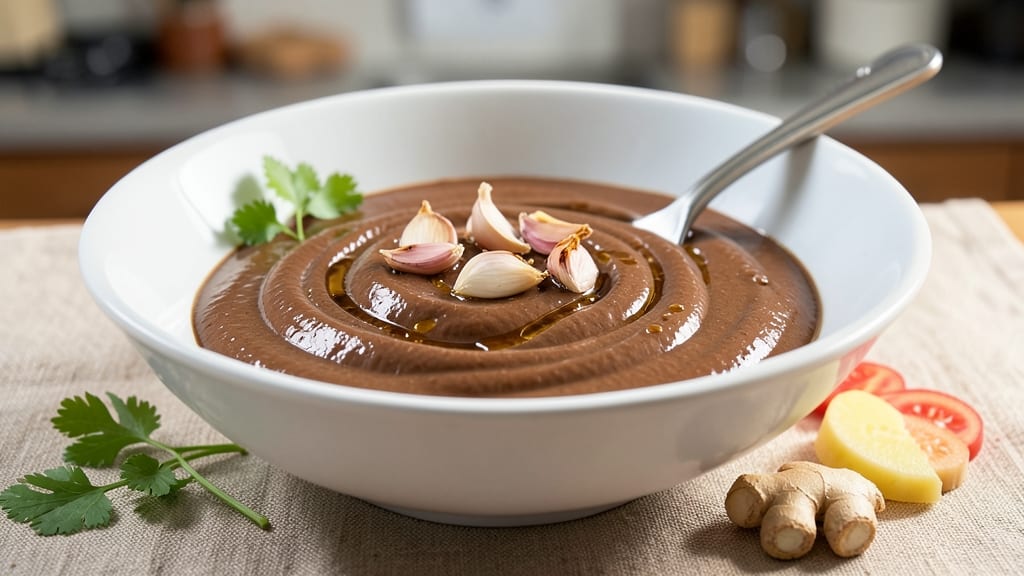
Annie Chun's peanut sauce recipe delivers that signature nutty-sweet drizzle you crave over stir-fries, noodles, and bowls. The secret lies in balancing creamy peanut butter with tangy soy sauce, aromatic garlic, and toasted sesame oil—just like the restaurant version.
This sauce is the perfect marriage of richness and umami, with a touch of sweetness that makes every bite irresistible.
The beauty of this recipe is its versatility—adjust the heat level with chili flakes or keep it mild for family-friendly meals. I've included a foolproof method for achieving that perfect, smooth consistency without lumps, so you can focus on enjoying the process.
The sauce thickens beautifully when chilled, making it ideal for meal prep and storage.
What you'll end up with is a velvety, aromatic peanut sauce that clings perfectly to rice, noodles, or grilled meats. The flavor profile is complex yet balanced: nutty from the peanut butter, savory from the soy sauce, and aromatic from the garlic and sesame.
This is the kind of sauce that transforms simple dishes into restaurant-quality meals.
Use it as a drizzle over your favorite Asian-inspired dishes, a dipping sauce for spring rolls, or even a marinade for tofu and chicken. The possibilities are endless, and the sauce keeps well in the refrigerator for up to two weeks.
Let's get started on creating this crowd-pleasing favorite at home.
Ingredients for annie chun's peanut sauce
Eight simple ingredients transform into that iconic Annie Chun's peanut sauce. No fancy tools needed.
| Ingredient | Amount | Notes |
|---|---|---|
| Natural Peanut Butter 🥜 | ½ cup | Creamy, unsweetened preferred |
| Low-Sodium Soy Sauce 🍶 | ¼ cup | Kikkoman or similar brand |
| Toasted Sesame Oil 🫒 | 1 ½ tbsp | For authentic aroma |
| Rice Vinegar 🍶 | 1 ½ tbsp | White or seasoned |
| Garlic Cloves 🧄 | 3 cloves | Fresh, minced finely |
| Fresh Ginger 🌿 | 1 tbsp | Grated, not powdered |
| Honey 🍯 | 2 tbsp | Or maple syrup for vegan |
| Red Chili Flakes 🌶️ | ½ tsp | Adjust for heat preference |
| Sesame Seeds 🌾 | 1 tbsp | Toasted, for garnish |
| Water 💧 | ¼ cup | For thinning consistency |
The peanut butter is the star here—natural, unsweetened is key for that authentic flavor. Kirkland or Crazy Richard's brands are my go-tos for quality without the price tag. If you're using crunchy peanut butter, give it a quick spin in the food processor first to smooth it out. The garlic and ginger are non-negotiable for that restaurant-level depth, so don't skip them. Freshly grated ginger makes all the difference—powdered just won't cut it. For the sesame oil, La Choy is my favorite; it's got that perfect toasted aroma without being overpowering.
No peanut butter? Sunflower seed butter works in a pinch, though it'll have a different texture. Short on soy sauce? Coconut aminos gives a similar umami punch. The honey can be swapped for maple syrup if you're avoiding refined sugar. Want more heat? Double the chili flakes or add a dash of sriracha. For a smoother sauce, blend everything together for 30 seconds. If you prefer texture, leave it slightly chunky. The rice vinegar balances the richness beautifully—don't skip it!
This sauce thickens as it chills, so make it a day ahead if you can. Store it in an airtight container in the fridge for up to 2 weeks. The flavor actually improves with time, so don't be afraid to make extra. If it gets too thick, just stir in a splash of water. For serving, drizzle over steamed rice, noodles, or toss with stir-fried veggies. The sesame seeds add a nice crunch—garnish right before eating so they stay fresh.
Why You'll Love This Recipe
- Five-Ingredient Magic: I swear, this sauce comes together faster than you can say "garlic breath." Just stir peanut butter, soy sauce, sesame oil, rice vinegar, and minced garlic—no fancy techniques, no waiting for hours. That’s it. Honestly, I’ve made it while microwaving leftovers.
- Umami Bomb: Between us, the combo of toasted sesame oil and low-sodium soy sauce hits different. It’s rich but not heavy, tangy but not sour, with that garlic punch cutting through like a knife. The peanut butter keeps it creamy without being cloying—trust the balance.
- Dress-Up Anything: This sauce is my secret weapon for lazy nights. Drizzle it over noodles, toss it with stir-fried veggies, or slap it on grilled chicken. Even my picky teen slathers it on rice like it’s ketchup. (Yes, even on a Tuesday night.)
- Leftover Goldmine: Make a double batch—it keeps for weeks in the fridge. The flavors deepen over time, and I’ve used it to jazz up weeknight dinners when I’m too tired to think. Budget-friendly? Absolutely. Versatile? You bet. My wallet and taste buds thank me.
Step-by-step instructions for Annie Chun's peanut sauce
This sauce comes together faster than you can say "stir-fry night."
Melt and Whisk the Peanut Butter
In a medium saucepan, combine the 0.5 cup natural peanut butter with the 0.25 cup water over low heat. Stir constantly with a silicone spatula until the mixture is completely smooth and melted—this should take about 2-3 minutes. You'll know it's ready when it looks like a thick, creamy paste with no lumps.
Here's the thing—if you try to rush this step, you'll end up with grainy sauce. I like to keep the heat low and give it time to fully incorporate. Once melted, remove the pan from heat and let it cool slightly for 1 minute before adding anything else. This prevents the peanut butter from seizing up when you add the acidic ingredients.
Add Aromatics and Build the Flavor Base
Return the saucepan to low heat and add the 1.5 tbsp toasted sesame oil, 1.5 tbsp rice vinegar, 2 tbsp honey, 0.5 tsp red chili flakes, 3 cloves minced garlic, and 1 tbsp grated fresh ginger. Stir everything together and let it simmer gently for 3-4 minutes—just until you can smell that beautiful aromatic blend of garlic, ginger, and peanut.
Watch the sauce closely during this time. You want it to bubble softly but not boil vigorously. If it starts to thicken too much, add 1 tablespoon of water to keep it smooth. The ginger and garlic will release their oils and mingle with the peanut butter, creating that signature Annie Chun's depth of flavor.
Incorporate the Soy Sauce and Finish
Remove the saucepan from heat and stir in the 0.25 cup low-sodium soy sauce. This is where the sauce comes together—taste it now and you'll already notice the balance of sweet, salty, and nutty flavors. If you want to adjust the heat, add a pinch more red chili flakes, or if it needs more sweetness, stir in another ½ teaspoon of honey.
Let the sauce sit for 5 minutes off the heat. This resting time allows all the flavors to meld together perfectly. The sauce should be thick enough to coat the back of a spoon but still pourable. If it's too thick after resting, thin it with 1-2 teaspoons of water at a time until you reach your desired consistency.
Garnish and Serve
Transfer the sauce to a bowl and sprinkle with 1 tablespoon toasted sesame seeds. These add both texture and visual appeal, giving your dish that restaurant-quality finish. Stir gently to distribute the seeds evenly throughout the sauce.
This sauce is incredibly versatile—use it as a drizzle for stir-fries, a dip for spring rolls, or a glaze for grilled meats. For best results, serve it within 2-3 days when stored in an airtight container in the refrigerator. When ready to use, simply warm it gently over low heat and stir until smooth.
Pro Tips For Making Annie Chun'S Peanut Sauce
- STIR CONSTANTLY AT FIRST: The peanut butter and soy sauce will clump like a stubborn child if you don’t keep moving it. Use a heatproof spatula and stir vigorously for the first 30 seconds—this breaks up the fat and makes the sauce silky instead of grainy. (Yes, even if it looks like it’s never going to blend.)
- MINCE GARLIC FINE: Whole garlic cloves won’t infuse properly—they’ll just sit there like awkward guests at a party. Smash them flat with the side of your knife first, then mince into tiny pieces. This way, the garlic dissolves into the sauce instead of leaving chewy chunks. (I learned this the hard way after biting into a surprise garlic surprise.)
- ADD SESAME OIL LAST: Pouring toasted sesame oil in early will make your sauce smell amazing but taste like a punch to the nose. Wait until the very end, right before serving, so the aroma hits you fresh. A few drops (about ½ teaspoon) is enough—any more and it’ll overpower the peanutty richness.
- THIN WITH VINEGAR GRADUALLY: Peanut sauce should coat a spoon but not drip like syrup. If it’s too thick, add rice vinegar one teaspoon at a time while stirring. Stop when it reaches a smooth, pourable consistency—you can always thin it more, but you can’t un-thin it. (I’ve tried. It’s not pretty.)
Regional styles of annie chun's peanut sauce
Thai-Inspired Adaptation
For a Thai-inspired twist, swap the soy sauce for 2 tbsp fish sauce and add 1 tbsp palm sugar instead of honey. Boost the aromatics with 1 stalk lemongrass (bruised and finely chopped) and 1 kaffir lime leaf (torn).
The fish sauce adds that signature Thai umami depth, while the palm sugar balances the heat beautifully. 🌶️
Japanese Miso Twist
Give it a Japanese flair by replacing the soy sauce with 2 tbsp white miso paste and adding 1 tsp mirin for sweetness. Use 1 tsp grated daikon radish instead of ginger, and finish with 1 tsp toasted sesame seeds.
This version has a richer, fermented depth that pairs perfectly with sushi or grilled fish. The miso adds a subtle tang that complements the peanut butter's creaminess.
Vietnamese Nuoc Cham Fusion
Channel Vietnamese flavors by replacing the rice vinegar with 1.5 tbsp lime juice and adding 1 tsp fish sauce alongside the soy sauce. Stir in 1 tsp minced shallot and 1 tsp sugar for balance.
This fusion sauce works wonderfully as a dipping sauce for spring rolls or pho. The lime brightens the dish, while the fish sauce adds that unmistakable Vietnamese umami punch.
Spicy Korean Gochujang Version
For a Korean-inspired kick, replace the soy sauce with 2 tbsp gochujang (Korean chili paste) and add 1 tsp gochugaru (Korean chili flakes) for extra heat. Use 1 tsp toasted sesame seeds and 1 tsp sesame oil for garnish.
This version is perfect for drizzling over bibimbap or grilled meats. The gochujang gives it a fiery, slightly sweet depth that's addictive. 🔥
Sweet and Tangy Filipino Style
Transform it into a Filipino-inspired sauce by adding 1 tbsp banana ketchup and 1 tsp calamansi juice (or sub with lime). Use 1 tsp toasted garlic and 1 tsp grated ginger for the aromatic base.
This version is perfect for lumpia or grilled chicken. The banana ketchup adds that signature Filipino sweetness, while the calamansi brings a bright, citrusy tang.
Sweet and Smoky BBQ Glaze
For a smoky, sweet twist, replace the soy sauce with 2 tbsp BBQ sauce (like Sweet Baby Ray's) and add 1 tsp smoked paprika. Use 1 tbsp maple syrup instead of honey and 1 tsp apple cider vinegar for tang.
This glaze is fantastic for pulled pork, grilled chicken, or even roasted veggies. The smoky paprika and BBQ sauce give it a completely different but equally delicious profile. 💫
Nutrition facts
Frequently asked questions
Can I make this peanut sauce without peanut butter?
Yes! For a nut-free version, substitute with ½ cup sunflower seed butter or ½ cup tahini. The texture will be slightly different—tahini gives a smoother finish, while sunflower seed butter adds a subtle earthiness. Both work well in the same ratio as peanut butter.
How do I adjust the thickness of the sauce?
The sauce thickens as it cools, so if it's too thick after making, thin it with 1 teaspoon of warm water at a time. For a thicker consistency, let it sit uncovered in the fridge for 1-2 hours—it will naturally reduce. If you prefer it ultra-smooth, blend it for 10-15 seconds after all ingredients are combined.
Can I use this sauce as a marinade?
This sauce works beautifully as a marinade for chicken, tofu, or shrimp. Use it undiluted for 1-2 hours (or overnight for deeper flavor). For grilling, brush it on during the last 5 minutes to prevent burning. The peanut butter adds richness, while the soy and vinegar tenderize the protein.
Why did my sauce separate or get grainy?
Graininess usually happens if the peanut butter wasn't melted smoothly or if acidic ingredients (vinegar, soy sauce) were added too quickly. Fix it by whisking in 1 tablespoon of warm water while stirring vigorously over low heat until fully combined. For future batches, melt the peanut butter first, then cool it slightly before adding other ingredients.
How long does homemade peanut sauce keep?
Store it in an airtight container in the fridge for up to 2 weeks. The flavor actually improves over time! For longer storage, freeze it in ice cube trays—thaw and stir with warm water to restore consistency. If mold appears or the smell changes, discard it.