
Sauces & Condiments
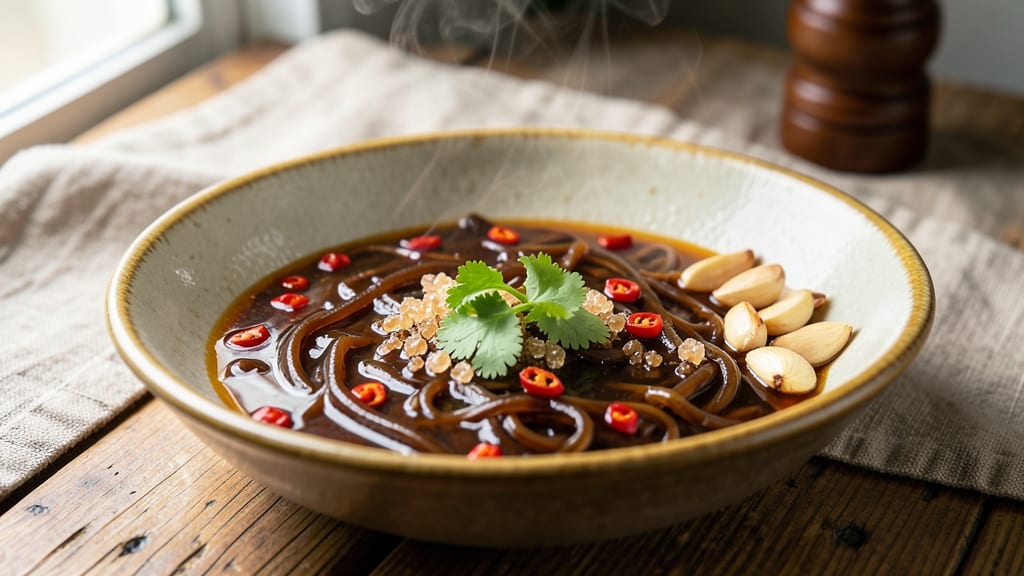
Annie Chun's Pad Thai sauce delivers that signature tangy-sweet balance that makes every bite irresistible. The secret lies in tamarind paste, fish sauce, and a touch of brown sugar—combined in precise proportions to create a sauce that's both complex and foolproof.
I've replicated this restaurant-quality sauce at home, and it's become my go-to for homemade pad Thai nights.
What sets this sauce apart is the perfect harmony of flavors: the bright acidity of tamarind, the umami depth from fish sauce, and the subtle sweetness of brown sugar. The aromatics—garlic, chili, and soy—add layers of complexity that transform simple noodles into a restaurant-worthy dish.
The sauce thickens slightly as it cooks, creating that perfect consistency for tossing or dipping.
With just 10 minutes of active prep and 5 simple ingredients, you'll have a sauce that's tangy, savory, and perfectly balanced. The best part? It keeps well in the fridge for up to a week or freezes beautifully for future pad Thai cravings.
This is the sauce that will elevate your takeout-quality meals to homemade perfection.
Whether you're serving it over rice noodles, chicken, or tofu, this sauce delivers the same bold, authentic flavor you love. The key is letting it sit for 10 minutes after mixing to allow the flavors to meld completely.
Trust me—once you taste the difference, you'll never go back to store-bought again.
Ingredients for annie chun's pad thai sauce
Five core ingredients plus a few bright accents—this is the sauce that turns takeout into homemade magic.
| Ingredient | Amount | Notes |
|---|---|---|
| Tamarind Paste 🍯 | ½ cup | Thick, unsweetened variety |
| Fish Sauce 🐟 | ¼ cup | Red Boat preferred |
| Light Brown Sugar 🍚 | ¼ cup | Packed firmly |
| Soy Sauce 🥢 | ¼ cup | Light or all-purpose |
| Garlic Cloves 🧄 | 4 cloves | Minced finely |
| Fresh Red Chili 🌶️ | 1 whole | Thinly sliced, seeds removed |
| Water 💧 | 1 cup | Room temperature |
| Lime Juice 🍋 | 2 tbsp | Freshly squeezed |
| Sesame Oil 🫒 | 1 tsp | Toasted aroma |
Tamarind paste is the game-changer here—Mae Ploy brand is my go-to, but any thick, unsweetened paste works. Grab it at Asian markets or the international aisle at Whole Foods. The fish sauce? Red Boat is the gold standard, but Red Boat Red works too. Brown sugar should be packed firmly—don't scoop it loosely. For the garlic, roast it first (400°F for 10 minutes) for a sweeter, deeper flavor that blends beautifully with the tamarind's tang. The chili? Bird's Eye or Thai chilies add perfect heat—skip the seeds if you want it milder.
No tamarind paste? Lime juice plus a pinch of sugar gets you close, but you'll lose that signature depth. Swap fish sauce for soy sauce plus a dash of anchovy paste (1 tsp), but it won't be identical. The brown sugar can be white sugar plus a splash of molasses if that's what you've got. Fresh garlic is non-negotiable here—jarred minced garlic has no aroma. For the sesame oil, Kadoya brand from Trader Joe's is my favorite, but any good-quality toasted oil works. The lime juice? Mexican limes
This sauce tastes even better the next day as the flavors meld. Store it in a glass jar in the fridge for up to 1 week—the lime juice helps preserve it. For longer storage, freeze in ice cube trays and transfer to a bag. Each cube makes a perfect single-serving portion for quick pad Thai nights. The sauce thickens as it cooks, so if it seems too thin after simmering, just reduce it by 2-3 minutes uncovered. Trust me, it's worth the wait—this is the sauce that turns simple noodles into restaurant-worthy perfection.
Why You'll Love This Recipe
- Five-Ingredient Magic: I swear by this combo—tamarind’s tang, fish sauce’s umami, and that caramelized brown sugar hit just right. No weird spices or hard-to-find jars; everything’s either in your pantry or at the grocery store’s basic aisle.
- Balances Like a Pro: Here’s what sold me—the tamarind’s sour punch cuts through the sweetness, while the garlic and soy sauce add depth without overpowering. It’s the kind of sauce that tastes finished even when you’re winging it.
- Meal Prep MVP: Make a double batch on Sunday, and you’ve got sauce for stir-fries, marinades, or even a quick noodle bowl all week. I keep it in a jar in the fridge—just shake and toss. (Yes, even on a Tuesday night.)
- Budget-Friendly Powerhouse: Fish sauce and brown sugar stretch further than you’d think, and tamarind paste lasts forever. Honestly, I’ve used this recipe for years, and the cost per serving is laughable compared to store-bought.
Step-by-step instructions for annie chun's pad Thai sauce
Here's how to craft that iconic tangy-sweet sauce with perfect umami balance—just like the restaurant version.
Bloom the Tamarind and Sugar Together
In a medium saucepan, combine the 0.5 cup tamarind paste and 0.25 cup light brown sugar over medium-low heat. Stir constantly for 3-4 minutes until the sugar dissolves completely and the mixture turns into a smooth, syrupy consistency. You'll notice the aroma deepen as the tamarind's natural tanginess blends with the caramelized sugar notes.
This step is crucial—don't rush it. The tamarind needs time to fully incorporate with the sugar, creating the perfect foundation for the sauce's signature balance of sweet and sour. If you see any graininess, simply keep stirring until it disappears completely.
Add Water and Bring to a Gentle Simmer
Pour in the 1 cup water and stir well to combine. Increase the heat to medium and bring the mixture to a gentle simmer. Once simmering, reduce the heat to low and let it cook uncovered for 5 minutes, stirring occasionally. You're looking for the sauce to thicken slightly but still maintain a smooth, pourable consistency.
This simmering process helps develop the sauce's depth of flavor. The water helps dilute the intense tamarind flavor while allowing the sugar to continue caramelizing gently. If the sauce starts to thicken too much, you can add 1-2 tablespoons of water later to adjust the consistency.
Incorporate Aromatics and Umami Builders
Add the 4 cloves minced garlic, 1 whole thinly sliced fresh red chili, 0.25 cup soy sauce, and 0.25 cup fish sauce. Stir well to combine and let the mixture simmer for another 3-4 minutes. The garlic should become fragrant and the chili should soften slightly but still retain its shape.
Here's where the magic happens—the garlic and chili infuse their flavors while the soy and fish sauces contribute that essential umami depth. The fish sauce will add a subtle saltiness that balances the sweetness perfectly. Taste the mixture now—you should notice a complex interplay of flavors developing.
Finish with Lime and Sesame Oil
Remove the saucepan from heat and stir in the 2 tablespoons lime juice and 1 teaspoon sesame oil. The lime juice will brighten the sauce and cut through any remaining heaviness from the sugar and tamarind. The sesame oil adds a nutty aroma that ties all the flavors together.
Let the sauce sit off the heat for 2-3 minutes to allow all the flavors to meld completely. The lime juice will continue to work its magic, enhancing the sauce's freshness and complexity. This is your final flavor check—adjust the seasoning if needed by adding a touch more fish sauce for saltiness or lime juice for acidity.
Strain and Use Immediately
For the smoothest texture, strain the sauce through a fine-mesh sieve into a clean bowl or jar, pressing gently on the solids to extract all the flavor. This step removes any lingering bits of chili or garlic that might make the sauce too textured. The resulting sauce should be glossy, smooth, and ready to elevate your pad thai to restaurant-quality perfection.
Use the sauce immediately for best results, as the flavors continue to develop. Store any leftovers in an airtight container in the refrigerator for up to 5 days, though I recommend using it fresh for maximum flavor impact. This sauce is the heart of your pad thai—every spoonful should deliver that perfect balance of sweet, sour, salty, and umami that makes this dish so addictive.
Pro Tips For Making Annie Chun'S Pad Thai Sauce
- Bloom the Tamarind: Soften the tamarind paste in warm water first—about 2 tablespoons per 1 tablespoon of paste. I learned this the hard way when my sauce turned grainy and clumpy; the paste needs to dissolve completely before you even think about adding heat.
- Toast the Garlic: Sauté the minced garlic in oil until it’s just golden, not browned—about 30 seconds at medium heat. Overcooking turns it bitter, and you’ll taste it in every bite. (Yes, even if you’re impatient like me.)
- Balance the Sugar First: Dissolve the brown sugar in the sauce before adding fish sauce, then taste and adjust. The sugar mellows the tamarind’s acidity, so if you add fish sauce first, you’ll either need way more sugar later or end up with a harsh, salty mess.
- Simmer, Don’t Boil: Keep the sauce at a gentle simmer—tiny bubbles, not rolling—after everything’s combined. Boiling burns the sugar and intensifies the fish sauce’s funk. A low flame for 5 minutes is all it needs.
Flavor customization for annie chun's pad thai sauce
Sweet-Sour Balance
Adjust the tamarind-to-sugar ratio to suit your taste—start with 1:1 (like the recipe), but reduce sugar by 1 tablespoon if you prefer more tang. For extra depth, add ½ teaspoon of molasses to the brown sugar for a richer caramel note.
If your tamarind paste is too strong, thin with 1 extra tablespoon of water during simmering. 🍯
Spice Level Control
Remove seeds from the chili for mild heat, or keep them for fiery kick. For extra spice, add ½ teaspoon of chili flakes or a pinch of cayenne at the end.
If using dried chilies, soak them first and reduce by ¼ (they’re more potent). Always taste before straining—you can mute heat with 1 extra teaspoon of lime juice.
Umami Boosters
Swap 1 tablespoon of fish sauce for 1 teaspoon of anchovy paste (mixed with 1 tbsp water) for a deeper umami punch. Add ½ teaspoon of white miso paste for a fermented richness.
For vegetarians, replace fish sauce with 2 tbsp soy sauce + 1 tsp mushroom powder. These tweaks keep the sauce authentic while adapting to dietary needs. 💫
Texture Adjustments
For a thicker sauce, simmer uncovered for 2 extra minutes or reduce by 1 minute at the end. Need it lighter? Add 1 tablespoon of water after straining.
If the sauce separates, whisk in ½ teaspoon of cornstarch dissolved in 1 tsp water to stabilize it. The ideal consistency should coat a spoon but still drip slightly. ✨
Flavor Layering
Infuse the sauce with 1 star anise pod or 1-inch cinnamon stick during simmering for warmth, then strain it out. Add 1 teaspoon of toasted sesame seeds for nutty crunch.
For a citrus twist, zest 1 lime into the sauce before straining. These additions elevate the sauce without overpowering its core balance. 🍋
Storage Hacks
Freeze sauce in ice cube trays for single-serving portions—thaw cubes in the fridge overnight. For longer storage, add ½ teaspoon of vinegar (white or rice) to preserved freshness. Reheat gently on low heat with 1 tablespoon of water to restore texture.
The sauce tastes best within 3 days of refrigeration, but freezing locks in flavor for up to 3 months. ❄️
Nutrition facts
Frequently asked questions
Can I make this sauce without tamarind paste?
You can substitute with 2 tablespoons lime juice plus 1 tablespoon brown sugar, but the flavor won't be identical. For a closer alternative, try ½ cup tamarind concentrate (found in some Asian markets) mixed with 2 tablespoons water. The sauce will still taste tangy, but it'll lack the depth of authentic tamarind.
How do I adjust the spice level for kids or sensitive eaters?
Remove all seeds from the chili and reduce the slices to just ¼ of a chili. For extra mildness, strain out the chili completely after simmering. You can also add 1 extra teaspoon of lime juice at the end to balance any lingering heat. The sauce will still have great flavor without being spicy!
What's the best way to use leftover sauce?
This sauce works perfectly for more than just pad Thai! Use it as a marinade for grilled chicken or tofu, a dipping sauce for spring rolls, or even a glaze for roasted vegetables. It also makes an excellent dressing for summer salads—just thin it with a little water. Store leftovers in an airtight container for up to 5 days in the fridge.
Why does my sauce look grainy after straining?
Graininess usually means the tamarind paste wasn't fully dissolved during the initial cooking. Next time, stir constantly for 4-5 minutes until completely smooth. If it happens, blend the strained sauce for 10 seconds to break up any remaining particles. For extra smoothness, use a fine-mesh sieve or cheesecloth when straining.
Can I make this sauce in a slow cooker?
Yes! Combine all ingredients in your slow cooker and cook on Low for 2 hours or High for 1 hour. The sauce will thicken more than on the stovetop, so add 1-2 tablespoons of water if needed. Stir occasionally and taste frequently—slow cooking can intensify flavors. Strain before using for the smoothest texture.