
Sauces & Condiments
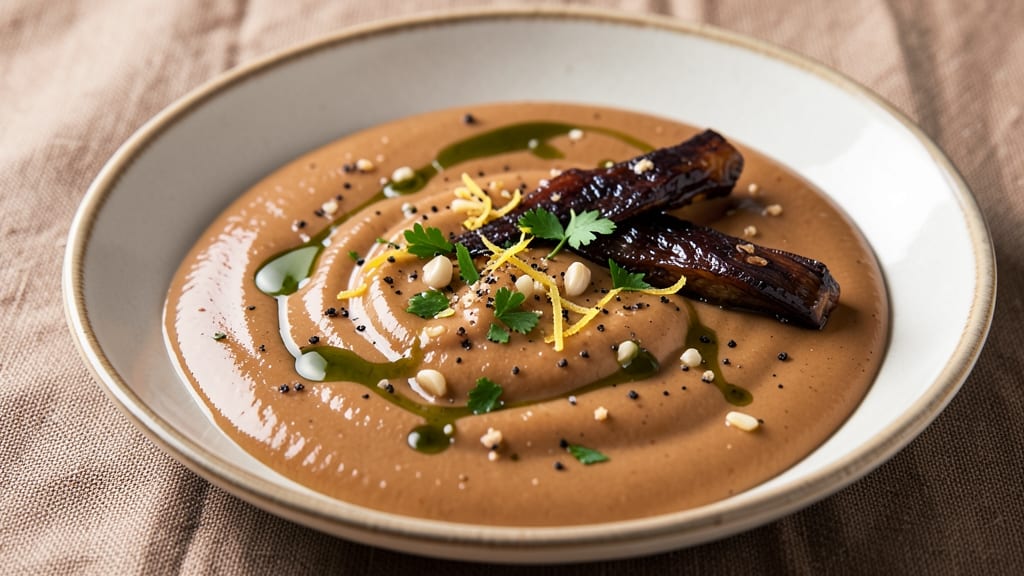
This anchovy cream sauce recipe transforms simple ingredients into a velvety, umami-rich sauce that elevates any dish in just 15 minutes. The secret lies in balancing salty anchovies with creamy dairy (or dairy-free alternatives) and bright herbs, creating a sauce that’s bold yet versatile.
Perfect for pasta, grilled fish, or even as a bruschetta topping, this recipe delivers restaurant-quality flavor without the fuss.
The sauce begins with a quick sauté of garlic and shallots, which forms the aromatic base before anchovies dissolve into the cream, infusing it with their signature depth. A splash of lemon juice brightens the richness, while fresh parsley adds a pop of color and freshness.
The result? A sauce that’s smooth, tangy, and packed with umami—far beyond what store-bought versions can offer.
What makes this recipe stand out is its adaptability. Swap heavy cream for coconut milk or cashew cream to make it vegan, or adjust the lemon to taste for a more acidic or balanced profile.
The sauce keeps well in the fridge for up to 5 days, making it ideal for meal prep. Whether you’re drizzling it over linguine or pairing it with seared scallops, this sauce is a game-changer for adding complexity to your meals.
For best results, let the sauce sit for 10 minutes after making to allow flavors to meld fully. Serve immediately for the freshest taste, or store in an airtight container for later use.
The possibilities are endless—try it on toasted bread, tossed with greens, or as a dip for crusty bread. Here’s how to make it!
Ingredients for anchovy cream sauce
Nine essential ingredients create a velvety, umami-rich sauce perfect for elevating dishes in minutes.
| Ingredient | Amount | Notes |
|---|---|---|
| Anchovy Fillets 🐟 | 4 oz | High-quality fillets preferred |
| Heavy Cream 🥛 | 1 cup | Full-fat for richness |
| Garlic Cloves 🧄 | 2 cloves | Minced for aromatic base |
| Shallots 🧅 | 2 whole | Finely chopped for sweetness |
| Extra-Virgin Olive Oil 🫒 | 2 tbsp | High-quality for sautéing |
| Fresh Lemon Juice 🍋 | 1 tbsp | Brightens the sauce |
| Fresh Parsley 🌿 | ¼ cup | Chopped for freshness |
| Diamond Crystal Kosher Salt 🧂 | ½ tsp | Adjusts seasoning |
| Freshly Ground Black Pepper 🌶️ | ¼ tsp | Enhances umami depth |
| Unsalted Butter 🧈 | 1 tbsp | For smooth texture |
The quality of your anchovies and cream makes all the difference. Colavita or Importa anchovy fillets dissolve smoothly without graininess, while Whole Foods or Trader Joe's heavy cream delivers the richest texture. Shallots should be firm and pale purple—avoid any with sprouts or soft spots. Fresh parsley is non-negotiable; dried lacks the bright finish. For the olive oil, California Extra Virgin or Bertolli brands offer the perfect balance of fruity notes and stability at high heat. Garlic should be plump and firm, with no green shoots. Store anchovies in the freezer to preserve freshness, while cream should be used within 2 weeks of opening.
No anchovies? High-quality fish sauce at half the amount provides umami depth, though the texture will differ slightly. Substitute heavy cream with cashew cream or coconut milk for a dairy-free version, though the sauce will be lighter. For shallots, red onion works in a pinch but lacks the delicate sweetness. Fresh lemon juice can be swapped for white wine vinegar at the same ratio, though the tang will be sharper. Prefer milder heat? Reduce the black pepper to one-eighth teaspoon or omit entirely. The butter can be replaced with vegan butter for a plant-based option, though it may lack the same richness.
This sauce reaches peak flavor after 10 minutes of resting, allowing the anchovies to fully meld with the cream. Store in an airtight container with a thin layer of plastic wrap pressed directly onto the surface to prevent a skin from forming. Keeps for 5 days in the refrigerator, though the texture may slightly thicken. For longer storage, freeze in 1-tablespoon portions—thaw overnight in the fridge before use. Reheat gently over low heat, stirring constantly to prevent separation. The sauce pairs beautifully with linguine, grilled fish, or crusty bread, making it a versatile pantry staple.
Why You'll Love This Recipe
- No Fuss, Big Payoff: I swear by this sauce because it’s the kind of recipe where you measure, stir, and done—no standing over the stove for hours. Five minutes of chopping shallots, a quick sauté with garlic, and the anchovies dissolve into the cream like magic. Honestly, the hardest part is waiting for it to cool enough to taste.
- Umami Magic: Between us, anchovies and cream might sound weird, but the saltiness cuts through the richness like a perfect match. That first bite? The garlic’s sharp bite, the cream’s velvety finish, and the anchovies adding this deep, savory punch—it’s the kind of flavor that makes you pause mid-bite and go, “Wait, why haven’t I done this sooner?”
- Pasta’s Best Friend: This sauce turns anything into a showstopper—drizzled over spaghetti, tossed with grilled fish, or even slathered on toast with a sprinkle of chili flakes. I’ve used it for weeknight dinners, last-minute date night, and even as a dip for crusty bread when I’m too tired to cook. It’s my secret weapon for when I need flavor without the fuss.
- Leftovers That Don’t Let You Down: Make a double batch and refrigerate it—it keeps for days without separating or tasting sad. I’ll be real: I’ve reheated this sauce three times in a row, and it’s still just as good the third time. Plus, it’s cheap to make (a can of anchovies goes a long way) and stretches across multiple meals, so your wallet won’t cry.
Step-by-step instructions for anchovy cream sauce
Master this bold, umami-rich sauce in just 15 minutes—perfect for seafood, pasta, or grilled proteins.
Prepare the Aromatic Base
Heat the 2 tablespoons extra-virgin olive oil in a medium saucepan over medium heat. Add the 2 whole shallots and 2 cloves garlic cloves (minced), cooking for 3-4 minutes until the shallots soften and turn translucent. The garlic should be fragrant but not browned—this prevents bitterness and ensures a smooth foundation.
Here's the thing—don't rush this step. You're building flavor, not just cooking. The shallots should release their natural sweetness while the garlic infuses without burning. If the pan starts to smoke, reduce the heat slightly. This aromatic base carries the entire sauce, so take your time.
Incorporate Anchovies and Butter
Push the shallot-garlic mixture to one side of the pan and add the 1 tablespoon unsalted butter. Once melted, add the 4 oz anchovy fillets and let them melt into the butter for 1-2 minutes. Use a wooden spoon to break them into tiny pieces as they dissolve—this prevents any fishy texture and creates a smooth, concentrated umami base.
I like to press the anchovies against the pan with the spoon for 10 seconds after adding them. This ensures they melt completely into the fat rather than clumping. If you see any remaining pieces after stirring, cook for another 30 seconds—they should disappear entirely. This is where the sauce gets its signature depth.
Build the Cream Sauce
Pour in the 1 cup heavy cream and bring the mixture to a gentle simmer over medium-low heat. Stir occasionally for 4-5 minutes until the sauce thickens slightly and coats the back of a spoon. The sauce should reduce enough to cling to the ingredients rather than pool at the bottom.
Watch for small bubbles forming around the edges—this indicates proper thickening. If the sauce starts to curdle or separate, reduce the heat further and whisk gently. The heavy cream provides richness, but it needs careful handling to maintain its silkiness. This is the moment that matters: balance heat control with constant stirring.
Finish with Acid and Herbs
Remove the pan from heat and stir in the 1 tablespoon fresh lemon juice and 0.5 teaspoon diamond crystal kosher salt. The acid brightens the sauce and cuts through the richness of the cream and anchovies. Add the 0.25 teaspoon freshly ground black pepper and 0.25 cup chopped fresh parsley, stirring until evenly distributed.
Let the sauce rest for 2-3 minutes off the heat. This allows the flavors to meld completely. The lemon juice will slightly thin the sauce, so if you prefer a thicker consistency, return it to very low heat for 1 minute to reduce further. The parsley adds freshness and visual appeal—don't skip this final garnish.
Adjust and Serve Immediately
Taste the sauce and adjust seasoning if needed. You might need a touch more salt to balance the anchovies' saltiness or additional lemon juice for brightness. The sauce should be rich but not overpowering, with a perfect balance of umami, creaminess, and acidity.
Use the anchovy cream sauce immediately over linguine, grilled fish, or seared scallops. It's best served fresh when the cream is at its peak texture. For storage, refrigerate in an airtight container for up to 2 days, but reheat gently over low heat to prevent curdling. This sauce transforms simple dishes into restaurant-quality creations.
Pro Tips For Making Anchovy Cream Sauce
- Bloom the Anchovies First: Toss those fillets in a splash of warm water or white wine for 10 minutes before crushing—this softens them and pulls out the funky, salty depth. I used to skip this and wondered why my sauce always tasted flat and one-dimensional. (Yes, even if you're impatient like me.)
- Sweat Shallots Low and Slow: Cook them on medium-low with a pinch of salt until they’re translucent and just starting to caramelize—about 8-10 minutes. High heat turns them bitter, and that’s a flavor train wreck you don’t want on your plate.
- Temper the Cream Gradually: Warm the heavy cream separately to room temp first, then whisk it into the anchovy mixture slowly while stirring constantly. Dumping cold cream into hot oil? That’s how you end up with scrambled eggs instead of sauce.
- Use Garlic Like a Pro: Mince the cloves finely—almost into a paste—and add them to the oil after the shallots have sweated. This keeps them from burning and lets their sweetness shine without overpowering the anchovy’s umami punch. (No, you can’t just chop them roughly and call it a day.)
Common mistakes when making this dish
Overcooking Anchovies
Anchovies can turn bitter and fishy if cooked too long—once they dissolve into the butter, remove them immediately from direct heat. I’ve ruined a sauce by letting them sit for more than 2 minutes after adding, which creates a harsh, metallic flavor.
Keep the pan on medium-low heat and stir constantly to prevent overheating. 🔥
Skipping the Resting Time
Rushing the 10-minute rest after making the sauce means missing out on flavor development. The anchovies and cream need time to fully meld, and the lemon juice needs to integrate.
I once served it immediately and found it tasted flat and disjointed. Let it sit off the heat—patience pays off with a smoother, more cohesive sauce.
Using Low-Quality Anchovies
Cheap anchovies with a strong, salty aftertaste can overpower the sauce. I recommend Colavita or Importa fillets—they dissolve cleanly without graininess. If you must use canned anchovies, opt for the highest-quality brand and rinse them first to reduce saltiness.
Never use anchovy paste unless you’re prepared for a thicker, less refined texture.
Ignoring Heat Control
Saucepan heat is the #1 reason for curdling or separation. Heavy cream curdles at 140°F, so keep the sauce at a gentle simmer (medium-low heat) and stir frequently.
I’ve seen sauces split when the heat gets too high—if you notice it thickening unevenly, reduce the heat immediately and whisk gently to recombine. 🌡️
Adding Lemon Juice Too Early
Introducing acid before the sauce has thickened can cause the cream to break. Always add lemon juice after removing the pan from heat—this prevents curdling while still brightening the sauce.
If you add it too soon, the sauce may develop a grainy texture that’s impossible to fix. Trust the process and wait until the end.
Not Tasting and Adjusting
Every batch varies slightly, so always taste before serving. You might need extra salt to balance anchovies or more lemon for brightness. I once served a sauce that was too salty because I skipped this step—don’t make my mistake!
Adjust gradually, a pinch at a time, to avoid over-seasoning. The sauce should be rich but harmonious, not one-note.
Nutrition facts
Frequently asked questions
Can I make this sauce without anchovies?
Yes! For a vegetarian version, replace the anchovies with 1 tablespoon high-quality fish sauce or 2 teaspoons soy sauce to maintain umami depth. For a fully plant-based option, use 1 tablespoon nutritional yeast plus 1 teaspoon white miso paste—though the flavor will differ slightly. The sauce will still be creamy but will lack anchovies' signature salty complexity.
How do I prevent the sauce from curdling?
Keep the heat at medium-low and stir constantly while simmering. Never let it boil—heavy cream curdles at 140°F. If it starts to separate, immediately reduce heat and whisk gently. Adding lemon juice too early also causes curdling, so wait until the sauce has thickened before incorporating it.
What’s the best way to store leftover sauce?
Transfer to an airtight container and refrigerate for up to 5 days. Press plastic wrap directly onto the surface to prevent a skin from forming. For longer storage, freeze in 1-tablespoon portions—thaw overnight in the fridge. Reheat gently over low heat, stirring constantly to maintain smoothness.
Can I use this sauce on vegetables?
It pairs beautifully with roasted asparagus, broccoli, or Brussels sprouts. The umami richness complements earthy vegetables perfectly. For extra flavor, toss blanched greens in the sauce before serving, or drizzle it over grilled eggplant. The sauce’s acidity also helps cut through the richness of roasted root vegetables like carrots or parsnips.
Why does my sauce taste too salty?
Anchovies are naturally salty, so taste as you go and adjust with lemon juice or a splash of cream to balance. If needed, stir in 1 teaspoon sugar to offset saltiness. Avoid adding more salt—it’ll only make the imbalance worse. The sauce should be rich but harmonious, not overpowering.