
Sauces & Condiments
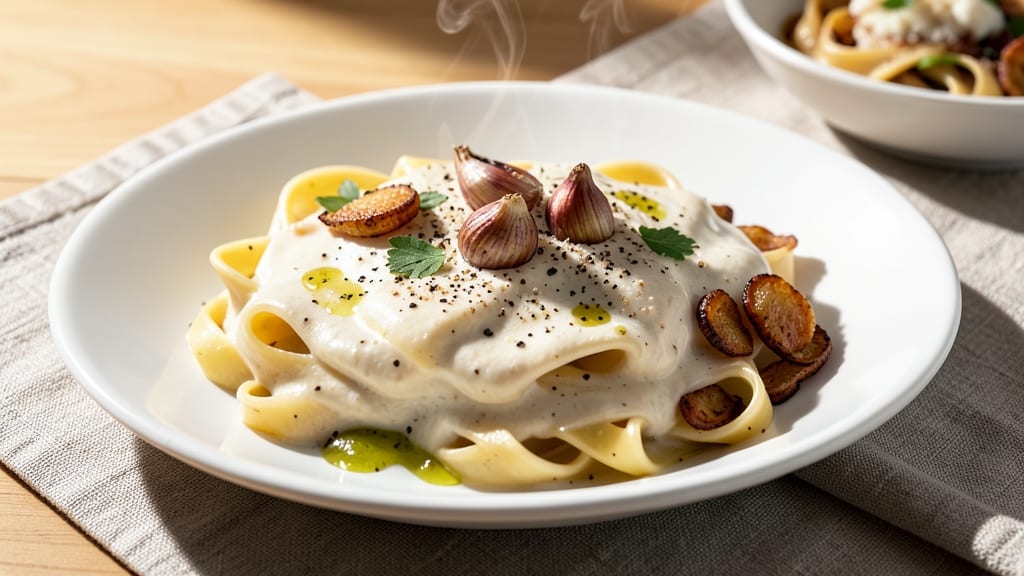
Jamie Oliver’s alfredo sauce delivers ultra-creamy richness without relying on heavy cream—just butter, Parmesan, and a foolproof roux technique. The secret lies in slow, careful emulsification, transforming simple ingredients into velvety perfection that clings to every strand of pasta.
This isn’t your average Alfredo; it’s a restaurant-quality sauce built on precision and balance.
The magic happens in the roux—a golden, nutty base that forms the foundation of the sauce. Jamie’s method ensures it never burns, creating a silky texture that’s both rich and light.
We’re talking about a sauce so smooth it feels like it melts in your mouth, with just enough garlic and white wine for depth. No lumps, no separation—just pure, velvety indulgence.
What sets this apart is the way butter and Parmesan combine to create that signature creamy consistency, all while keeping the sauce lighter than traditional versions. The result?
A sauce that’s foolproof, versatile, and perfect for elevating any pasta dish—whether you’re tossing it with fettuccine, drizzling it over grilled chicken, or using it as a creamy dip.
Ready in just 15 minutes, this sauce is perfect for weeknight dinners or special occasions. The best part? It reheats beautifully, so you can make a big batch and have it on hand for whenever cravings strike. Let’s get cooking!
Ingredients for alfredo sauce recipe jamie oliver
Butter, flour, and Parmesan—just three key players for Jamie Oliver’s legendary creamy sauce.
| Ingredient | Amount | Notes |
|---|---|---|
| Unsalted Butter 🧈 | ¾ cup | Cold, cut into small cubes |
| All-Purpose Flour 🌾 | ½ cup | Lightly spooned, not packed |
| Fresh Garlic Cloves 🧄 | 3 cloves | Minced, vibrant purple-white |
| Dry White Wine 🍷 | ¼ cup | Bold and dry variety |
| Freshly Grated Parmesan Cheese 🧀 | 1 ½ cups | From a wedge, not pre-grated |
| Heavy Whipping Cream 🥛 | ½ cup | Full-fat for maximum creaminess |
| Vegetable Stock 💧 | ½ cup | Homemade or quality low-sodium |
| Salt 🧂 | ½ tsp | Diamond Crystal preferred |
| Freshly Ground Black Pepper 🌶️ | ¼ tsp | Cracked peppercorns preferred |
| Nutmeg 🌿 | ⅛ tsp | Freshly grated for warmth |
The butter is non-negotiable—European-style unsalted (like Plugrá) gives that nutty depth. Grab a pound from the gourmet section—it’s worth it. The flour needs to be lightly spooned into the cup, not packed down, or you’ll throw off the ratio. For the Parmesan, skip the pre-grated stuff—it’s full of anti-caking agents. Buy a wedge and grate it yourself; the flavor difference is night and day. And that white wine? Any bold, dry variety works—Cabernet Sauvignon, Sauvignon Blanc, whatever’s open in your fridge.
No white wine? Substitute extra vegetable stock—just add another 0.25 cup. Fresh garlic is ideal, but dried powder at half the amount works in a pinch. Heavy cream too expensive? Full-fat coconut milk mimics the richness surprisingly well. The vegetable stock can be bouillon powder mixed with hot water if you’re in a hurry. And if you’re feeling fancy, add a pinch of lemon zest for brightness—trust me, it elevates everything. The nutmeg is optional but adds that signature warmth that separates this from basic Alfredo.
This sauce is best made fresh, but it reheats beautifully—just gentle warmth in a saucepan with a splash of milk or stock to loosen it up. Keeps for 4-5 days in the fridge, sealed tightly with a layer of plastic wrap pressed right on the surface to prevent a skin. For longer storage, freeze in ice cube trays—just thaw and reheat. The roux base can be made ahead and refrigerated for 3 days if you’re prepping for a big pasta night. Just remember: patience is key—rushing the roux will turn it gray and bitter.
Why You'll Love This Recipe
- No Wine Wasted: I’ll use every drop of that dry white wine—even the last splash—to deglaze the pan. That’s where the magic happens: the nutty flour base gets a bright lift, and suddenly, your sauce isn’t just rich—it’s layered. (Yes, even the cheap stuff works.)
- Parmesan Powerhouse: That moment when you fold in the freshly grated Parmesan? Pure satisfaction. The sauce goes from creamy to ridiculously flavorful in seconds—no powdered nonsense, just real cheese. My kids still fight over the last spoonful from the bowl.
- Weeknight Workhorse: Dinner guests? Date night? Tuesday at 7 PM with no energy? This sauce handles it all. Toss it with fettuccine, drizzle over roasted chicken, or even slather it on garlic bread. It’s my go-to when I’m too tired to think.
- Leftovers That Lie: I make a double batch every time because the second night is even better. The flavors meld, the sauce thickens just right, and somehow, it always tastes like you spent hours on it. (Between us, I’ve reheated this for breakfast—no shame.)
Step-by-Step instructions for Jamie Oliver's ultra-creamy Alfredo sauce
This sauce delivers velvety richness without relying on excessive cream—just pure flavor and technique.
Create the Roux for Maximum Flavor
Melt the 0.75 cup unsalted butter in a medium saucepan over medium heat. I cut the butter into small cubes first—this helps it melt more evenly. Once fully melted, reduce the heat to medium-low and add the 0.5 cup all-purpose flour all at once, whisking constantly for 1-2 minutes until the mixture turns a pale golden color.
This is your roux foundation, and getting it just right is everything. You want it smooth with no lumps, and it should smell nutty and toasty—not burnt. If it starts to darken too quickly, lower the heat immediately. This roux will form the creamy base for your sauce, so take your time here.
Cook the Garlic and Deglaze with Wine
Add the 3 minced fresh garlic cloves to the roux and cook for 30-45 seconds until fragrant but not browned. I stir constantly to prevent burning—garlic goes from delicious to bitter in seconds. Immediately pour in the 0.25 cup dry white wine and scrape up any browned bits from the bottom of the pan with a wooden spoon.
The wine will bubble vigorously as it cooks off. Let it simmer for 2-3 minutes until reduced by half. This deglazing step captures all those flavorful bits that would otherwise stick to your pan. If the mixture looks dry, add a splash of vegetable stock to keep it loose—this sauce needs to stay smooth.
Build the Creamy Base Gradually
Slowly whisk in the 0.5 cup heavy whipping cream and 0.5 cup vegetable stock, one tablespoon at a time, allowing each addition to incorporate completely before adding more. Keep the heat at medium-low and whisk constantly for 3-4 minutes until the sauce begins to thicken. You're looking for a consistency that coats the back of a spoon but isn't gluey.
Here's where patience pays off. If the sauce thickens too quickly, thin it with a little more stock. If it's too thin, simmer longer. The goal is that perfect balance between silky and clingy. I like to taste as I go—this is where you'll notice if the seasoning needs adjustment early on.
Finish with Cheese and Seasonings
Reduce the heat to low and gradually whisk in the 1.5 cups freshly grated parmesan cheese, adding it in small batches to prevent clumping. The cheese should melt completely into the sauce, creating that signature creamy texture without being grainy. Stir in the 0.5 tsp salt, 0.25 tsp freshly ground black pepper, and 0.125 tsp nutmeg, tasting as you go.
Let the sauce simmer gently for another 2 minutes to allow all the flavors to meld together. The nutmeg adds warmth, the pepper brings brightness, and the parmesan gives that unmistakable cheesy depth. If you want an even richer flavor, you can add a splash more cream at this stage—but don't overdo it, or you'll lose that perfect balance.
Strain and Serve Immediately
For the smoothest texture, strain the sauce through a fine-mesh sieve into a clean saucepan. This removes any lumps and gives you that silky finish. Keep the sauce warm over low heat—never boil it, or it will curdle. Taste one final time and adjust the seasoning if needed.
This sauce is best served immediately over your favorite pasta, but if you need to hold it, keep it warm in a thermos. The secret to Jamie's version is that it's creamy without being heavy, rich without being greasy. Serve it with freshly grated parmesan on top and a crack of black pepper—trust me, it's restaurant-quality at home.
Pro Tips For Making Alfredo Sauce Recipe Jamie Oliver
- Cook Butter Slowly: Melt the butter over medium-low heat—rushing it turns the sauce greasy. I learned this the hard way when my first batch separated like oil and water, no matter how much flour I tossed in.
- Toast Flour Properly: Cook the flour-butter mix for 2-3 minutes until it smells nutty and golden. Skipping this step leaves a raw, floury taste that ruins the creamy finish—trust me, your nose knows.
- Use Cold Garlic: Add the garlic after the flour has toasted, but keep it cold until the very last minute. Warm garlic burns in seconds, and bitter smoke kills the sauce’s delicate balance.
- Reserve Wine for Finishing: Deglaze the pan with just enough wine to loosen browned bits, then reduce it by half before adding cream. Pouring it all in at once dilutes the sauce—save a splash for deglazing and another for the final touch.
Troubleshooting great alfredo sauce recipe jamie oliver
Roux Gone Wrong
If your roux turns gray or brown too quickly, you’ve burned it—this happens when heat gets too high. Immediately remove the pan from heat and whisk in 1 tablespoon cold water to reset the color.
For next time, keep heat at medium-low and stir constantly. A proper roux should be pale golden, not nutty-brown. 🔥
Sauce Too Thick?
If your sauce clings like glue, thin it with 1-2 tablespoons warm vegetable stock or heavy cream. Whisk in gradually while heating on low. Over-thickening usually means you rushed the roux or didn’t add enough liquid during Step 3.
The ideal consistency coats the back of a spoon but flows freely.
Grainy Parmesan
Pre-grated Parmesan contains anti-caking agents that prevent smooth emulsification. Always grate your own using a microplane or box grater—this ensures fine, even particles that melt seamlessly. If you’re in a pinch, pulse pre-grated cheese in a food processor for 10 seconds to break up clumps before adding.
Curdled Sauce
Sauce curdles when exposed to high heat or sudden temperature changes. Keep your sauce on low heat at all times, and never let it boil.
If it separates, whisk in 1 tablespoon cold butter or heavy cream while stirring vigorously to re-emulsify. For prevention, add cheese gradually and strain before serving.
Weak Flavor
If your sauce tastes bland, it’s likely under-seasoned or missing depth. Boost flavor by adding 1 extra garlic clove or 1 teaspoon lemon zest during Step 2. For extra richness, stir in 2 tablespoons reserved pasta water—it’s packed with starchy flavor.
Taste as you go, and don’t be afraid to adjust salt or pepper at the end.
Lumpy Texture
Lumps form when flour or cheese isn’t fully incorporated. Whisk vigorously when adding liquids in Step 3, and use a fine-mesh sieve to strain the sauce in Step 5.
For stubborn lumps, press the sauce through a sieve with the back of a spoon. Always whisk in cheese gradually to prevent clumping.
Nutrition facts
Frequently asked questions
Why does Jamie Oliver's Alfredo sauce use white wine?
The white wine adds depth and acidity that balances the richness of the butter and cheese. It also helps deglaze the pan, lifting flavorful browned bits that would otherwise stick. A bold, dry variety like Sauvignon Blanc works best—it enhances the sauce without overpowering it.
Can I make this sauce without heavy cream?
For a lighter version, substitute with 0.5 cup full-fat coconut milk or an extra 0.25 cup vegetable stock. The sauce will still be creamy, though slightly less rich. The key is gradual whisking to maintain that velvety texture. For extra body, add 1 tablespoon mascarpone cheese at the end.
How do I prevent lumps in the sauce?
Whisk constantly when adding liquids to the roux, and always incorporate cheese gradually in small batches. For extra smoothness, strain the finished sauce through a fine-mesh sieve. If lumps appear, press them through with the back of a spoon or blend briefly with an immersion blender. Patience at each step is key!
What's the best pasta to serve with this sauce?
Jamie Oliver recommends fettuccine or tagliatelle—their flat surfaces hold the sauce perfectly. For extra indulgence, try pappardelle or linguine. Avoid small shapes like penne, as they can get overwhelmed by the rich sauce. Cook pasta al dente (1 minute less than package instructions) for ideal texture.
Can I make this sauce ahead of time?
Yes! Prepare the roux base up to Step 3 and refrigerate for 3 days or freeze for 3 months. To finish later, reheat gently with 0.25 cup milk or stock, then whisk in the cheese and seasonings. For best results, reheat only what you need—this sauce reheats beautifully but loses some silkiness when overcooked.