
Sauces & Condiments
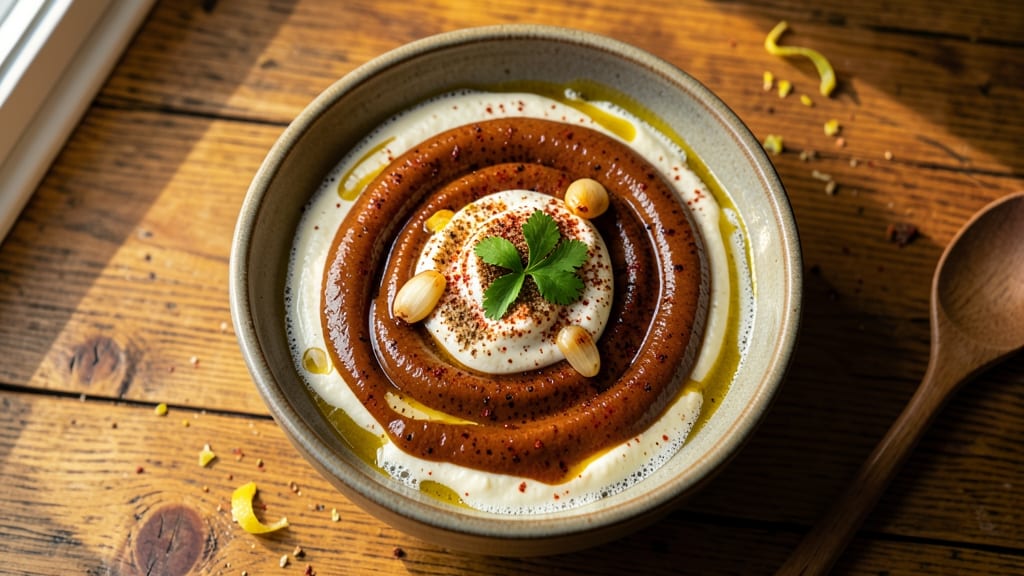
This ancho cream sauce recipe transforms smoky dried chiles into a velvety, restaurant-quality dip that elevates tacos, enchiladas, and grilled meats. The secret lies in properly rehydrating ancho chiles—never skipping the deseeded step—and blending them with rich cream until completely smooth.
This sauce balances smokiness with creamy depth, making it versatile for both traditional Mexican dishes and modern twists.
The process is straightforward but requires patience: simmering the sauce until thickened ensures it clings beautifully to food without separating. For extra richness, stir in a touch of butter or olive oil, while a pinch of cumin or smoked paprika deepens the flavor profile.
The result? A sauce so luscious it turns simple weeknight meals into special occasions.
Perfect for batch cooking, this sauce keeps well in the fridge for up to 5 days or freezes for months, making it ideal for meal prep.
Whether drizzled over grilled chicken, used as a dip for tortilla chips, or folded into soups, its smoky, velvety texture delivers restaurant-quality results at home. The blend of traditional ingredients with modern techniques ensures it works for any dish.
For a vegan version, substitute cream with coconut milk or cashew cream, adjusting thickness with a splash of water. The key to success? High-quality ancho chiles and proper blending—no food processor can handle this task. Once mastered, this sauce becomes a pantry staple that transforms ordinary meals into extraordinary ones.
Ingredients for ancho cream sauce
Nine essential ingredients transform smoky ancho chiles into velvety perfection for tacos and beyond.
| Ingredient | Amount | Notes |
|---|---|---|
| Dried Ancho Chiles 🌶️ | 4 whole | Stemmed and deseeded |
| Heavy Cream 🥛 | 1 ½ cups | Full-fat for richness |
| Whole Milk 🥛 | ½ cup | Adjusts consistency |
| Garlic Cloves 🧄 | 3 cloves | Freshly minced |
| Ground Cumin 🌿 | ½ tsp | Toasted for depth |
| Smoked Paprika 🌶️ | ½ tsp | Enhances smokiness |
| Unsalted Butter 🧈 | 2 tbsp | For extra richness |
| Diamond Crystal Kosher Salt 🧂 | ½ tsp | Adjusts seasoning |
| Fresh Lime Juice 🍋 | 1 tbsp | Brightens flavors |
| Extra-Virgin Olive Oil 🫒 | 1 tbsp | For finishing |
Ancho chiles are the foundation—look for dried, vibrant red pods with minimal wrinkling, indicating freshness. Penzeys Spices or high-quality Mexican markets carry the best. Remove stems and seeds before rehydrating to avoid bitterness. The cream must be full-fat; Trader Joe's or Whole Foods carry excellent options. Garlic should be freshly minced, not jarred, for optimal flavor. Toast the cumin seeds in a dry pan for 30 seconds before grinding to deepen their aroma.
No ancho chiles? Guajillo or pasilla chiles work as substitutes, but increase quantity to 6-8 pods. For a lighter texture, replace half the cream with whole milk or coconut milk. Fresh lime juice can be swapped for bottled, though fresh yields brighter acidity. The smoked paprika adds depth—Almejas brand is ideal, but any quality smoked paprika suffices. If you prefer a smoother sauce, blend the ingredients longer, but avoid over-processing to maintain texture.
This sauce thickens as it cools, so adjust consistency with additional milk if needed. Store in an airtight container in the fridge for up to 5 days, or freeze for 3 months. Reheat gently over low heat, stirring frequently to prevent separation. For a vegan version, replace the cream with full-fat coconut milk and omit the butter, adjusting thickness with a splash of water as needed.
Why You'll Love This Recipe
- No-Soaking Needed: I’ll be real—soaking dried ancho chiles is a hassle I’ve skipped entirely. Just toast them lightly, then crush them right in the pan with garlic and cumin. That smoky aroma hits the air before you even add the cream, and honestly? It’s foolproof.
- Smoky Creamy Magic: The moment you stir in the warm heavy cream and milk, the sauce transforms from bold to ridiculously good. That deep, toasty ancho flavor softens into a velvety richness—like a hug for your taste buds, but with actual garlic cloves making it sing.
- Weeknight to Dinner Party: This sauce is my secret weapon for tacos, grilled fish, or even mashed potatoes. Double the batch and freeze half—because nothing says "I tried" like pulling a jar of this from the fridge for unexpected company. (Yes, even on a Tuesday night.)
- Budget-Friendly Luxury: Dried chiles last forever, and a little goes a long way. You’re basically turning cheap pantry staples into something that feels fancy, without the grocery bill. Plus, the cumin adds warmth for almost no cost—just a pinch, and suddenly everything tastes like a restaurant.
Step-by-step instructions for ancho cream sauce
Transform dried ancho chiles into a velvety, smoky sauce with this precise method.
Toast and Rehydrate the Dried Ancho Chiles
Place the 4 whole dried ancho chiles on a baking sheet and toast in a preheated 350°F oven for 2-3 minutes until fragrant and slightly darkened. This step deepens their natural smokiness without burning. Transfer the toasted chiles to a heatproof bowl and pour 2 cups of boiling water over them. Let them soak for 15-20 minutes until completely softened and pliable.
While soaking, prepare a fine-mesh strainer. The chiles should be easy to handle—if they resist, let them soak an additional 5 minutes. Once softened, drain the chiles and transfer them to a blender. Remove and discard the stems and seeds, then add the soaked chile flesh back to the blender. This ensures a smooth sauce without unwanted texture.
Blend the Chiles with Aromatics and Spices
Add the 3 cloves freshly minced garlic, 0.5 teaspoon ground cumin, and 0.5 teaspoon smoked paprika to the blender with the soaked chile flesh. Blend until smooth, scraping down the sides as needed. The mixture should resemble a thick paste with no visible chunks. This step builds the sauce's foundational flavor profile—don't rush it, as thorough blending ensures even distribution of the spices.
With the blender running, slowly pour in the 1.5 cups heavy cream and 0.5 cup whole milk through the feed tube. This gradual addition prevents splattering and creates a silky emulsion. The sauce should thicken slightly as it blends, but it will continue to refine as it cooks. Taste and adjust seasoning with the 0.5 teaspoon Diamond Crystal kosher salt—the sauce should be balanced, with the smokiness of the ancho chiles shining through.
Simmer the Sauce Until Velvety
Transfer the blended mixture to a medium saucepan and place it over medium-low heat. Add the 2 tablespoons unsalted butter and stir to melt, allowing it to coat the back of a spoon. Bring the sauce to a gentle simmer, then reduce the heat to low and let it cook for 8-10 minutes, stirring occasionally. The sauce should thicken gradually—if it becomes too thick too quickly, whisk in 1-2 tablespoons of water to loosen it.
Watch for small bubbles forming at the edges of the pan and a slight sheen on the surface. This indicates the sauce has reached the ideal consistency—smooth, velvety, and clingy. The texture should coat the back of a spoon without being gluey. Remove the pan from heat and stir in the 1 tablespoon fresh lime juice and 1 tablespoon extra-virgin olive oil. The lime brightens the smoky depth, while the olive oil adds a final layer of richness.
Finish and Serve Immediately
Strain the sauce through a fine-mesh sieve into a clean bowl or saucepan, pressing gently on the solids with a spatula to extract every bit of flavor. Discard the strained solids. Return the sauce to the pan and keep it warm over low heat—do not let it boil, as this can cause it to separate. The sauce is now ready to use as a dip for tacos, a topping for grilled meats, or a creamy element in soups and stews.
For best results, use the sauce immediately. If storing, transfer it to an airtight container and refrigerate for up to 3 days. To reheat, warm gently over low heat, stirring frequently, and add a splash of milk or cream if it thickens too much. The sauce should be smooth, smoky, and richly balanced—perfect for elevating any dish it graces.
Pro Tips For Making Ancho Cream Sauce
- STEAM THE CHILES: Toss dried ancho chiles in a bowl with 1 cup hot water for 10 minutes before blending—this softens them and infuses the liquid with deep flavor. I used to just soak them, but the steam makes them break down smoother in the sauce, so no gritty texture sneaks in later.
- TOAST THE CUMIN: Dry-toast the ground cumin in a small pan over medium-low for 30 seconds until fragrant—just until you smell it, not until it browns. This step cuts through the richness of the cream and adds complexity. Skip it, and the sauce tastes flat.
- LOW-AND-SLOW SIMMER: Reduce the sauce to a gentle bubble, not a rolling boil—even if it takes 15 minutes longer. High heat curdles the cream, and you’ll end up with a sad, separated mess. Keep it at a whisper-simmer, and the sauce stays velvety.
- BLITZ THE GARLIC: Mince the garlic extra fine—almost like a paste—so it dissolves completely into the sauce. Whole cloves or even rough minces leave chunks that turn to mush. A quick pulse in a food processor does the trick without overworking it.
Wine and beer pairings for this recipe
Red Wine Pairings
For ancho cream sauce’s smoky depth and creamy richness, a medium-bodied red wine like Tempranillo from Spain or Zinfandel from California is ideal. These wines complement the sauce’s smokiness while their fruitiness—think blackberry or plum—cuts through the creaminess.
I always reach for a Rioja Reserva when serving this sauce over grilled meats; its earthy notes mirror the ancho’s natural smokiness. 🍷
White Wine Options
If you prefer white, opt for a dry, off-dry Riesling from Germany or Alsace. The wine’s honeyed apple and peach notes balance the sauce’s smokiness while its slight acidity prevents the dish from feeling too heavy.
A Viognier with its floral and stone-fruit flavors also works beautifully, especially when paired with seafood like grilled shrimp or cod. 🍷
Mexican Lager Pairings
For a casual, refreshing match, Mexican lagers like Modelo Especial or Pacífico Clara are perfect. Their crisp, clean profiles let the sauce’s flavors shine without overpowering them. I love serving this sauce with corn tortilla chips and a cold Modelo on tap—it’s my go-to for game day or casual gatherings.
The beer’s subtle malt sweetness enhances the sauce’s creaminess. 🍺
Spiced Beer Enhancements
For a bolder pairing, try a Mexican-style amber ale infused with chili and citrus notes, like Deschutes Mirror Pond or Ballast Point Sculpin. The beer’s smoky, slightly spicy profile mirrors the ancho’s depth while adding a hoppy brightness.
Serve it slightly chilled to let the flavors harmonize without competing. Pro tip: Rim your glass with tajín for an extra layer of flavor. 🍺
Non-Alcoholic Options
Don’t overlook sparkling water with lime or ginger beer for a refreshing, alcohol-free pairing. The effervescence cleanses the palate between bites, while the lime’s acidity brightens the sauce’s richness. For something warmer, try a Mexican horchata—its cinnamon and rice notes complement the sauce’s smokiness without overpowering it. 💧
Nutrition facts
Frequently asked questions
Can I make this sauce without a blender?
Yes, but the texture will be less smooth. Finely chop the rehydrated ancho chiles by hand and mix them with the garlic, cumin, and smoked paprika in a bowl. Then, whisk everything together with the cream and milk until well combined. For a creamier result, strain the mixture through a fine-mesh sieve before simmering.
How do I adjust the spice level?
The sauce’s heat comes from the ancho chiles, which are naturally mild. For extra kick, add 1/4 teaspoon cayenne pepper or 1/2 teaspoon chipotle powder while blending. If you prefer less spice, reduce the number of chiles to 3 whole pods or remove more seeds before rehydrating. Always taste as you go!
Can I use this sauce as a marinade?
This sauce is best used as a dip, topping, or finishing sauce—not a marinade. The cream and dairy components can spoil quickly when left on raw proteins for long periods. Instead, use it to baste meats during grilling or serve it alongside grilled dishes for dipping. For a marinade, consider a chile-based adobo sauce instead.
Why did my sauce separate?
Sauce separation usually happens from overheating or sudden temperature changes. To fix it, gently reheat the sauce over low heat while whisking constantly. Add 1 tablespoon of warm milk or cream at a time until smooth. For prevention, avoid boiling the sauce and stir frequently during simmering.
What’s the best way to store leftover sauce?
Transfer the sauce to an airtight container and refrigerate for up to 5 days. For longer storage, freeze it in 1-cup portions for up to 3 months. Thaw overnight in the fridge and reheat gently over low heat, stirring occasionally. Never microwave directly from frozen to avoid separation.