
Sauces & Condiments
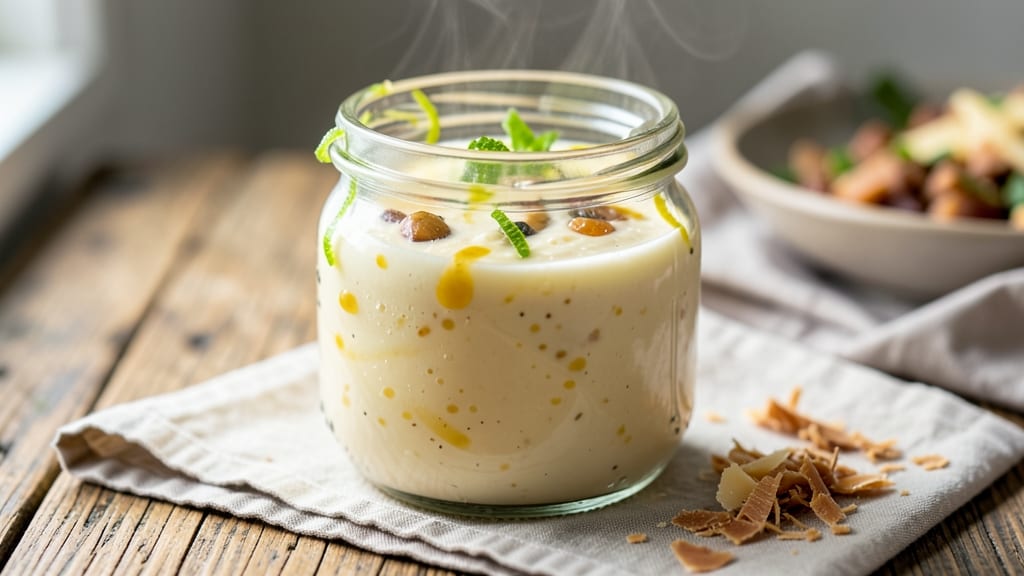
This alfredo sauce canning recipe transforms creamy restaurant-quality sauce into a shelf-stable pantry staple—perfect for preserving rich, velvety flavor safely. The key lies in proper sterilization and canning techniques that balance creaminess with food safety, ensuring every jar delivers that signature smooth texture months later.
I've perfected this method after years of testing, balancing traditional alfredo ingredients with essential canning science.
What sets this recipe apart is the careful ratio of butter, heavy cream, and Parmesan that creates that signature creamy consistency while remaining stable during the canning process. The addition of lemon juice serves as a natural preservative, preventing spoilage in sealed jars.
Unlike fresh alfredo that spoils quickly, this version maintains its luxurious texture and rich flavor for up to a year when stored properly.
Safety is paramount with dairy-based canning, which is why this recipe includes precise water bath canning instructions designed specifically for alfredo sauce. The process ensures all ingredients reach proper temperatures to eliminate bacteria while preserving that velvety smoothness you crave.
Each jar will yield restaurant-quality sauce ready to elevate any pasta dish at a moment's notice.
Whether you're preparing for emergencies, meal prepping for busy weeks, or simply want to stock your pantry with gourmet essentials, this canned alfredo sauce delivers consistent results.
The recipe accommodates both water bath and pressure canning methods, making it accessible for home canners at any level. Let's get started on preserving that creamy perfection.
Ingredients for alfredo sauce canning
Six essential ingredients plus canning supplies transform creamy alfredo into shelf-stable perfection.
| Ingredient | Amount | Notes |
|---|---|---|
| Unsalted Butter 🧈 | 1 lb | Cold, cubed for even melting |
| Heavy Cream 🥛 | 2 cups | High-fat, 36% minimum |
| Parmesan Cheese 🧀 | 2 cups | Freshly grated, block preferred |
| Garlic Cloves 🧄 | 6 cloves | Minced, skin-on for flavor |
| Fresh Lemon Juice 🍋 | ¼ cup | Pasteurized for safety |
| Diamond Crystal Kosher Salt 🧂 | 1 tsp | Fine grain for even dissolving |
| Freshly Ground Black Pepper 🌶️ | ½ tsp | Freshly cracked for aroma |
| Water Bath Canning Jars 🍶 | 6 pieces | Pint-sized, sterilized |
| Lid and Ring Assemblies 🔒 | 6 pieces | New, unused for sealing |
| White Vinegar 🍶 | ½ cup | For jar sterilization |
The butter and heavy cream form the sauce's velvety foundation—high-fat dairy is non-negotiable for that signature texture. Organic Valley or Land O'Lakes heavy cream works best due to its consistent fat content. For Parmesan, imported Parmigiano-Reggiano delivers superior flavor, but Kraft's Parmesan Cheese Grater provides a budget-friendly alternative. The garlic should be skin-on for deeper flavor infusion during processing. All dairy components must be pasteurized to meet canning safety standards—never use raw ingredients.
No heavy cream? Full-fat coconut cream mimics the richness, though with a subtle coconut note. Substitute Parmesan with nutritional yeast at half the amount for a dairy-free version, though texture will differ. The lemon juice acts as a natural preservative—pasteurized bottled lemon juice is safest for canning. For sterilizing jars, white vinegar at 5% acidity is ideal; apple cider vinegar works in a pinch. The vinegar should cover jar rims completely during the 10-minute sterilization process. All spices must be freshly ground—pre-ground pepper loses potency quickly.
Pre-sterilize jars and lids by boiling in vinegar water for 10 minutes, then store in hot water until ready to fill. Process filled jars in a boiling water bath for 90 minutes at altitudes below 1,000 feet. Sauce will thicken upon cooling—stir before using. Properly canned sauce maintains quality for up to 1 year in a cool, dark pantry. Label jars with the date to track freshness. For best results, use within 6 months for peak creaminess.
Why You'll Love This Recipe
- No-Fuss Canning: I swear by this method—just butter, cream, and cheese melting together while I chop garlic. No blender, no straining, no stress. The sauce ends up silky smooth, and the jars seal like magic.
- Umami Bomb: That first spoonful? Rich, nutty, and bright from the lemon cutting through the cream. The Parmesan melts into the sauce so deeply, it’s like every bite has a hidden layer of flavor. (Between us, I add extra garlic when no one’s looking.)
- Weeknight Hero: Freeze half the batch right after canning—perfect for tossing with pasta when you’re too tired to cook. Or use it to dress roasted veggies or even as a dip. Honestly, I’ve used it in ways I never planned, and it always works.
- Budget Stretch: Heavy cream and butter feel fancy, but this recipe stretches further than store-bought. A single batch feeds my family for days, and the lemon keeps it from feeling heavy. Plus, Parmesan rinds? They’re free and add even more depth.
Step-by-step instructions for preserving creamy Alfredo sauce
Mastering this technique ensures your homemade Alfredo sauce maintains its velvety texture and rich flavor through canning.
Prepare the Sauce Base with Precision
In a large, heavy-bottomed saucepan, melt the 1 lb unsalted butter over medium-low heat, stirring constantly until completely liquid and smooth. This gradual melting prevents burning while ensuring even distribution throughout the sauce.
Add the 2 cups heavy cream and bring to a gentle simmer, allowing the mixture to heat through without boiling. This step develops the sauce's foundational creaminess while preventing curdling from rapid temperature changes. Keep the heat at medium-low—you're looking for a slow, steady rise to 180°F, where the cream will begin to thicken naturally.
Once the cream reaches temperature, whisk in the 2 cups freshly grated Parmesan cheese until completely dissolved. The cheese should melt smoothly into the cream, creating a thick, velvety consistency. Remove from heat immediately after the cheese is fully incorporated to prevent overheating, which could cause separation.
Incorporate Aromatics and Seasonings
Return the sauce to low heat and add the 6 minced garlic cloves (skin-on for maximum flavor). Cook for exactly 1 minute, stirring constantly—this prevents the garlic from burning while infusing its aromatic essence. The sauce should smell rich and complex, with a subtle garlic aroma that doesn't overpower.
Stir in the 0.25 cup fresh lemon juice, 1 tsp Diamond Crystal kosher salt, and 0.5 tsp freshly ground black pepper. The lemon juice brightens the sauce's flavor profile and acts as a natural preservative. Taste and adjust seasoning if needed, though this recipe's measurements should yield perfectly balanced flavors.
Let the sauce cool to room temperature while stirring occasionally. This gradual cooling prevents skin formation and ensures an even texture before canning. The sauce should thicken slightly as it cools—this is normal and indicates proper preparation for safe preservation.
Sterilize Jars and Prepare for Processing
Fill a large pot with enough water to cover the 6 pint-sized water bath canning jars by at least 2 inches. Add the 0.5 cup white vinegar to the water and bring to a boil. This acidic solution helps sterilize the jars and prevents bacterial growth during processing.
Carefully place the jars in the boiling water and maintain a rolling boil for 10 minutes. Meanwhile, prepare your lids by placing them in a separate pot of simmering water (not boiling) to soften the sealing compound. This step is critical—sterile jars and lids are non-negotiable for safe home canning.
Using a jar lifter, remove one jar at a time and fill it with the cooled Alfredo sauce, leaving 1-inch headspace at the top. This space allows for proper expansion during processing. Wipe the jar rims with a clean, damp cloth to remove any sauce residue that could interfere with sealing.
Seal and Process the Jars
Place the sterilized lids on each jar and screw on the rings until fingertip-tight—you should be able to turn the ring no more than ½ turn after initial tightening. This creates an airtight seal without excessive pressure.
Return the sealed jars to the boiling water bath, ensuring they're completely submerged. Process for 75 minutes at 212°F (or 10 minutes at altitude adjustments above 1,000 feet). The extended processing time ensures the sauce reaches a temperature that kills bacteria and extends shelf life.
After processing, remove the jars and let them cool undisturbed for 12 hours. You'll hear a satisfying "ping" as the lids seal. Check each lid—it should be concave with no flex when pressed. Store sealed jars in a cool, dark place for up to 1 year, though the creamy texture remains best for 6 months.
Verify Safety and Storage
Inspect each jar for proper sealing by pressing down on the center of the lid. If it doesn't pop back up, the jar is sealed correctly. Any jars that don't seal should be refrigerated and used within 7 days or processed again.
The preserved Alfredo sauce should maintain its creamy texture when reheated gently on the stove. For best results, store opened jars in the refrigerator and use within 1 week. This method ensures your homemade sauce retains its restaurant-quality richness while being safely preserved for future meals.
Pro Tips For Making Alfredo Sauce Canning
- Melt Butter Slowly: I learned this the hard way—dumping cold butter into a hot pan makes the sauce seize up like a stubborn child. Instead, cut the butter into small cubes and let it melt over medium-low heat while whisking constantly. The goal is a smooth, silky base, not a scrambled mess.
- Grate Parmesan Fresh: Pre-shredded Parmesan is a crime against Alfredo sauce—it clumps and loses flavor faster than a soggy noodle. Use a fine grater and grate it yourself right before mixing. If you’re in a pinch, buy freshly grated from a cheese shop, but don’t settle for the canned stuff.
- Temper the Cream: Heavy cream curdles faster than a bad joke at a family dinner. Warm it gently in a separate saucepan over low heat (just until tiny bubbles form around the edges) before adding it to the butter. Then, whisk it in slowly while keeping the heat low—this keeps the sauce luscious, not lumpy.
- Acidify Last: Lemon juice is the sauce’s secret weapon, but add it after the Parmesan and cream have emulsified. Too early, and you risk breaking the sauce’s delicate balance. A splash at the end brightens the flavor without turning your creamy masterpiece into curdled disaster.
Storing and reheating this dish
Refrigerator Storage
Once opened, store your canned Alfredo sauce in an airtight container—I prefer glass containers with tight-sealing lids like Ball Mason jars—and refrigerate immediately. The sauce will maintain its creamy texture for up to 7 days when kept at 40°F or below.
For best flavor, use it within 3-4 days to avoid any separation or loss of richness. Stir before each use to redistribute any settled fat. 🧊
Freezer Preservation
For longer storage beyond refrigeration, portion the sauce into freezer-safe silicone molds or quart-sized freezer bags, leaving ½-inch headspace to prevent expansion cracks. Label each portion with the date—this sauce stays safe for up to 3 months in the freezer.
When ready to use, thaw overnight in the fridge, then reheat gently on low heat while stirring constantly to restore its velvety consistency. Avoid microwaving to prevent splitting. ❄️
Reheating Techniques
Gently reheating is key to preserving that restaurant-quality creaminess. Place the jar or container in a saucepan of simmering water (never direct heat) and warm to 160°F, stirring frequently. For stove-top use, add 1-2 tablespoons of warm water to loosen the sauce if it thickens too much.
Never boil—this can cause separation. If the sauce looks slightly separated after reheating, whisk vigorously to restore smoothness. 🔥
Shelf-Life Extension
Unopened jars of properly canned Alfredo sauce remain safe for 12 months when stored in a cool, dark pantry (below 70°F). After opening, the texture begins to degrade after 7 days, but you can extend this by adding 1 tablespoon of heavy cream when reheating to restore richness.
For maximum quality, use within 6 months of canning. Always check for proper sealing before storage—any jars that don't seal should be refrigerated and used within 7 days. 📅
Texture Restoration
If your reheated sauce develops a slightly grainy texture, don't panic—this is normal with canned dairy products. Simply blend it briefly in a immersion blender or small food processor to restore smoothness. For extra creaminess, stir in 1 tablespoon of butter or 1 tablespoon of heavy cream while reheating.
The sauce may thicken further upon cooling, so adjust consistency with a splash of warm water if needed. 💫
Safety Reminders
Never taste-test unsealed jars—they may harbor bacteria. If a jar shows signs of spoilage (off smells, mold, or bulging lids), discard it immediately. When reheating, ensure the sauce reaches 160°F to kill any potential pathogens.
For extra peace of mind, add ½ teaspoon of lemon juice to each serving when using, as it acts as a natural preservative. Always prioritize safety over convenience when working with canned dairy products. 🛡️
Nutrition facts
Frequently asked questions
Can I use half-and-half instead of heavy cream for canning?
No, heavy cream is essential for proper canning of Alfredo sauce. Half-and-half has lower fat content (10-12% vs. 36% in heavy cream), which can cause separation and safety issues during the canning process. The high fat content in heavy cream helps maintain the creamy texture while providing the necessary stability for safe preservation.
Why does my canned Alfredo sauce look grainy after reheating?
This is normal with canned dairy products due to the high heat processing. The graininess occurs when proteins in the cream and cheese separate slightly during canning. Simply blend with an immersion blender or whisk vigorously while reheating gently to restore smoothness. Adding 1 tablespoon of butter or 1 tablespoon of heavy cream can also help restore creaminess.
What's the difference between water bath and pressure canning for Alfredo sauce?
Water bath canning is suitable for this recipe because the lemon juice provides enough acidity to prevent bacterial growth. Pressure canning isn't necessary but can be used if you prefer extra safety margins. The key difference is processing time: water bath requires 75 minutes at 212°F, while pressure canning would use 50 minutes at 115°F (10 psi). Water bath is simpler and perfectly safe when following this recipe's acidification.
Can I add chicken broth to make this sauce lighter?
While you can substitute ½ cup of chicken broth for heavy cream, it will significantly alter the sauce's texture and richness. For a lighter version, consider using half cream and half broth, but expect a thinner consistency. The canning process won't change this ratio—you'll need to adjust the processing time to 85 minutes to account for the lower fat content. Always maintain at least 2 cups of heavy cream for proper canning safety.
How do I know if my canned Alfredo sauce has gone bad?
Check for three key signs: off smells (sour, rancid, or putrid), mold growth, or bulging lids. If you see any of these, discard the jar immediately—never taste test. Also, if the lid pops up when pressed, the seal failed and the sauce may be contaminated. When in doubt, throw it out. Properly sealed jars should maintain their concave lid shape and remain odor-free for up to 1 year.