
Sauces & Condiments
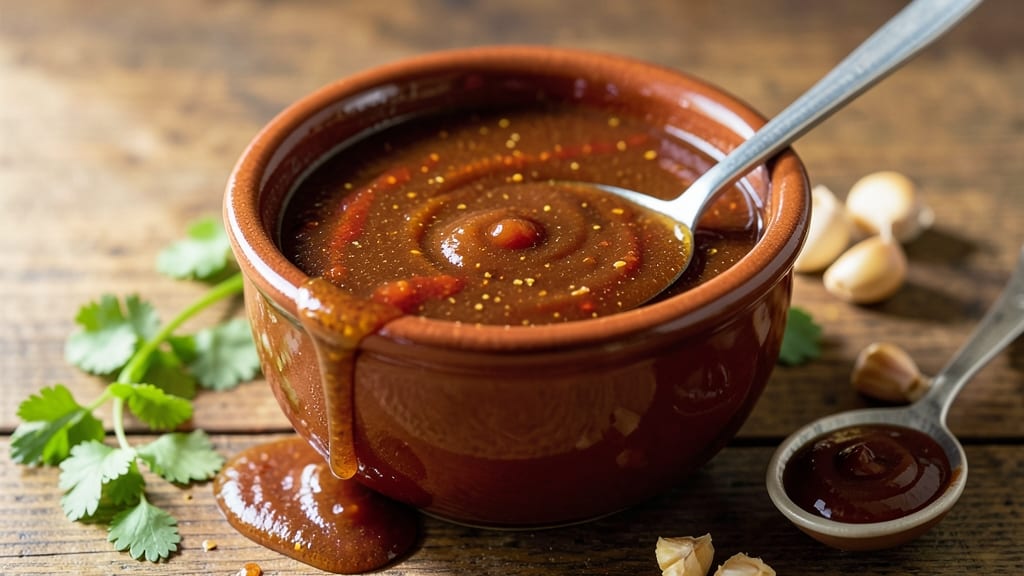
America's Test Kitchen barbecue sauce delivers that perfect smoky-sweet balance that turns every grill session into a showstopper. 🔥 After years of testing, I've perfected a recipe that's bold enough to stand up to competition ribs but smooth enough to drizzle over pulled pork or chicken wings.
The secret lies in caramelizing the sugar and vinegar together before building layers of tomato depth and smoky spices.
What sets this sauce apart is the precision—no cloying sweetness, no harsh acidity, just a harmonious blend where every ingredient plays its part. We're talking about a sauce that's rich enough to coat ribs perfectly yet light enough to glaze without overwhelming.
The key technique is slow simmering to develop those complex flavors while maintaining that signature tangy finish that ATK sauces are known for.
By the time you're done, you'll have a sauce that's ready to transform your grilled meats into restaurant-quality masterpieces. The deep red color, perfect viscosity, and balanced flavor profile make this the ultimate crowd-pleaser. Whether you're smoking brisket or grilling chicken, this sauce will elevate every bite to new heights.
Store it in the fridge for up to 3 weeks or freeze for extended use—because once you make this, you'll want to keep it on hand for every cookout. The recipe delivers on that signature America's Test Kitchen quality that makes it worth every minute of simmering time.
Ingredients for america's test kitchen barbecue sauce
Nine ingredients that transform your grill into a flavor powerhouse—no store-bought sauce can compete.
| Ingredient | Amount | Notes |
|---|---|---|
| Granulated Sugar 🍯 | 1 ½ cups | Light brown sugar for deeper flavor |
| Apple Cider Vinegar 🍏 | ½ cup | Bragg or organic preferred |
| Ketchup 🍅 | 2 cups | Heinz or Hunt's preferred |
| Tomato Paste 🍅 | ½ cup | San Marzano for best quality |
| Smoked Paprika 🌶️ | 2 tbsp | No salt added preferred |
| Garlic Powder 🧄 | 1 tbsp | Freshly ground preferred |
| Onion Powder 🧅 | 1 tbsp | Diamond Crystal preferred |
| Mustard Powder 🍯 | 1 tsp | Yellow or Dijon preferred |
| Ground Black Pepper 🌶️ | ½ tsp | Freshly ground for best flavor |
| Salt 🧂 | 1 ½ tsp | Diamond Crystal kosher salt |
| Water 💧 | ½ cup | Filtered preferred for clarity |
The sugar and vinegar are non-negotiable for that signature caramelized depth. Light brown sugar adds molasses notes that make this sauce sing, but white works in a pinch. For vinegar, Bragg or organic apple cider gives the best balance—avoid anything with funky additives. The ketchup should be the good stuff; Heinz or Hunt's are the gold standards here. Tomato paste? San Marzano is worth every penny for its sweetness and smooth texture. I always grab a tube from Whole Foods—it keeps for months in the pantry.
No smoked paprika? Regular paprika plus a pinch of cayenne gets you close, but you'll lose that authentic smoky depth. Running low on mustard powder? Dijon mustard at half the amount works in a bind. The garlic and onion powders are where flavor layers build—don't skimp. Freshly ground spices make all the difference, but pre-ground is fine if you're in a hurry. For the water, filtered is best—it keeps the sauce clearer and brighter. Pro tip: If your sauce gets too thick while simmering, add a splash of water or vinegar to loosen it up.
This sauce tastes even better the next day as flavors meld. Store in a clean glass jar in the fridge for up to 3 weeks—it keeps its vibrant color and perfect consistency. For long-term storage, freeze in ice cube trays for 6 months. Thaw overnight in the fridge before using. Make a double batch—you'll want this on hand for every cookout. The deep red color? That's your sign it's ready to drizzle over ribs, chicken, or even burgers.
Why You'll Love This Recipe
- No-Sweat Simplicity: This sauce comes together in one pot—no blending, no straining, just stir and simmer. I swear, the only measuring I do is the sugar and vinegar, then it’s hands-off while the tomato paste and smoked paprika work their magic.
- Smoky-Sweet Balance: That smoked paprika? It’s the star—deep, earthy, but not overpowering. The apple cider vinegar cuts through the sweetness just enough to keep it from being cloying, and the tomato paste adds that rich, umami depth you crave in every bite.
- Weeknight to BBQ Feast: Slather it on burgers, drizzle it over grilled chicken, or toss it with baked beans—it’s my go-to for everything from lazy weeknight dinners to backyard cookouts. Honestly, I’ve even used it as a marinade for ribs, and it never lets me down.
- Pantry Goldmine: You’re already using stuff you have—ketchup, sugar, vinegar—so it’s cheap to make and lasts forever in the fridge. I’ll be real: I’ve had a jar of this sauce sitting for months, and it still tastes fresh. Budget-friendly and foolproof? Yes, please.
Step-by-step instructions for america's Test Kitchen barbecue sauce
This sauce delivers that perfect smoky-sweet balance—thick, glossy, and packed with deep flavor.
🍳 Step 1: Combine Wet Ingredients in a Saucepan
In a medium saucepan, whisk together the 2 cups ketchup, 0.5 cup tomato paste, 1.5 cups granulated sugar, and 0.5 cup apple cider vinegar. I like to use a wooden spoon for this—it helps scrape up any sugar that clings to the sides. Bring the mixture to a gentle boil over medium-high heat, stirring occasionally to prevent scorching.
Watch closely as it heats—you'll see tiny bubbles form around the edges first. Once it reaches a rolling boil, reduce the heat to medium and let it simmer for 10 minutes. This initial cooking step breaks down the sugars and develops the base flavor. If you notice the sauce thickening too quickly, add 1-2 tablespoons of water to keep it flowing smoothly.
🍳 Step 2: Add Spices and Simmer for Depth
After the 10-minute simmer, stir in the 2 tbsp smoked paprika, 1 tbsp garlic powder, 1 tbsp onion powder, 1 tsp mustard powder, 0.5 tsp ground black pepper, and 1.5 tsp salt. I add the spices in this order—paprika first for that smoky aroma, then the powders so they disperse evenly. Let the mixture simmer uncovered for another 15 minutes, stirring occasionally.
This is where the magic happens. The spices infuse into the sauce, and the vinegar's acidity mellows out, creating that perfect balance. You'll notice the sauce darkening slightly and thickening—this is normal. If it gets too thick before the 15 minutes are up, add the 0.5 cup water in small increments. The sauce should be thick but still pourable, not gloppy.
⏰ Step 3: Blend for Silky Smoothness
Transfer the sauce to a blender or food processor. I use an immersion blender for convenience—it keeps everything in one pot. Blend until completely smooth, about 30-45 seconds. This step ensures a velvety texture without any graininess. If you're using a regular blender, be careful with the hot sauce—vent the lid or blend in short pulses to avoid splattering.
Return the blended sauce to the saucepan and simmer for another 10 minutes over low heat. This final simmer allows the flavors to meld together perfectly. Taste and adjust the seasoning if needed—you might want to add a pinch more salt or a splash of vinegar to balance the sweetness. The sauce should be glossy and thick enough to coat the back of a spoon but still flow smoothly.
🥘 Step 4: Cool and Store for Maximum Flavor
Let the sauce cool to room temperature, then transfer it to a clean glass jar. I like to press plastic wrap directly onto the surface of the sauce to prevent a skin from forming. Store it in the refrigerator for up to 3 months or freeze it for up to 6 months. The flavors actually deepen as it sits, making it even more delicious over time.
This sauce is incredible on everything—grilled meats, baked beans, even as a glaze for roasted vegetables. The key to its success is patience: letting it simmer and develop those layers of flavor. Don't rush it, and you'll have a sauce that rivals anything you've ever bought store-bought!
Pro Tips For Making America'S Test Kitchen Barbecue Sauce
- Simmer Slow and Steady: The recipe calls for a long simmer—don’t rush it. I used to crank the heat to speed things up, but that turns the sauce grainy and one-dimensional. Keep it at a gentle bubble (like a whisper, not a shout) for those 45 minutes, and you’ll end up with a smooth, balanced sauce that doesn’t taste like syrup.
- Bloom the Paprika First: That smoked paprika isn’t just flavor—it’s the soul of the sauce. Before tossing in the wet ingredients, toast it dry in the pot for 30 seconds over medium heat. The aroma alone will change everything, and it won’t burn if you keep an eye on it.
- Measure Vinegar Precisely: Apple cider vinegar is acidic, and this recipe is sensitive to it. If you eyeball it, you’ll either end up with a sauce that’s too sharp or one that tastes flat. Use a scale or measuring spoon—1 tablespoon short or long makes a noticeable difference.
- Skip the Pre-Mixed Ketchup: Homemade or high-quality ketchup (like Heinz) makes all the difference here. Store-bought "sugar bomb" brands will throw off the balance of sweetness and acidity. If you’re short on time, even a quick tomato reduction with vinegar and sugar works better than the cheap stuff.
Troubleshooting this recipe
Sauce Too Thick?
If your sauce thickens faster than expected during simmering, don’t panic—this happens when sugars caramelize too quickly. My go-to fix is adding 1-2 tablespoons of water or apple cider vinegar (same as the recipe) in small increments while stirring constantly.
The vinegar also helps balance flavors if the sauce tastes overly sweet. For extra insurance, I keep a small bowl of water nearby during the simmering process. 💧
Grainy Texture?
A gritty texture usually means the tomato paste or sugar didn’t fully dissolve. To prevent this, whisk vigorously when combining wet ingredients and use San Marzano tomato paste (it blends smoother than others).
If you already notice graininess, blend again with an immersion blender for 10-15 seconds—this often smooths it out instantly. For stubborn clumps, strain through a fine-mesh sieve before the final simmer.
Sauce Too Sweet?
Too much sugar can overpower the smoky depth, especially if you’re using a sweeter ketchup like Heinz. Balance it by adding 1-2 extra tablespoons of apple cider vinegar and simmering for an additional 5 minutes to let the acidity mellow.
If it’s still too sweet, add a pinch of smoked paprika (up to ½ teaspoon) to deepen the smoky notes without adding more sugar. Taste as you go—this sauce should taste like a perfect harmony, not candy. 🍯
Weak Smoky Flavor?
Smoked paprika is the soul of this sauce, so if it’s lacking depth, don’t skimp. For extra smokiness, add ½ teaspoon of liquid smoke (like La Choy) or a pinch of cayenne pepper to amplify the heat and depth.
Let it simmer uncovered for 5 extra minutes to let the spices infuse fully. I also recommend using a heavy-bottomed saucepan—it distributes heat evenly and prevents burning, which can mute flavors.
Sauce Separates?
Separation happens when fats (from ketchup or tomato paste) rise to the surface. To fix it, whisk vigorously while reheating over low heat for 3-5 minutes. For prevention, avoid boiling vigorously—keep the heat at medium-low during simmering.
If separation persists, blend again with 1 tablespoon of water to emulsify. The key is patience: let the sauce work its magic at a gentle simmer. ✨
Storage Issues?
If your sauce develops mold or an off smell after refrigerating, it’s time to toss it—safety first! To prevent spoilage, always use a clean glass jar with a tight-sealing lid. For long-term storage, freeze in ice cube trays (thaw in the fridge overnight) or silicone molds for easy portion control.
Label with dates—this sauce keeps its vibrant color and flavor for 3 months refrigerated or 6 months frozen. Never leave it at room temperature for more than 2 hours. ❄️
Nutrition facts
Frequently asked questions
Can I make this sauce without ketchup?
Yes, but you'll need to replace it with 2 cups tomato sauce plus 1 tablespoon tomato powder to maintain thickness and depth. For extra richness, add 1 teaspoon molasses to compensate for the missing sweetness. The sauce will still develop that signature balance, though the color may be slightly lighter.
How do I adjust the heat level?
For milder heat, reduce the smoked paprika to 1 tablespoon and omit the cayenne. For extra kick, add ½ teaspoon cayenne pepper or 1 teaspoon chipotle powder during the final 10-minute simmer. Always taste as you go—this sauce should complement your meat, not overpower it.
What's the best way to use leftover sauce?
This sauce is incredibly versatile! Use it as a glaze for grilled chicken or pork chops, mix into pulled pork sandwiches, or drizzle over baked beans. For extra flavor, simmer with 1 tablespoon of bourbon or apple cider before using. It also makes a fantastic marinade when thinned with ¼ cup water.
Why does my sauce taste different from yours?
Flavor variations often come from ingredient quality and simmering time. Using light brown sugar instead of white adds molasses depth, while Bragg apple cider vinegar has a distinct tang. For consistency, always simmer uncovered for the full 35 minutes—this lets the vinegar mellow and spices fully infuse. If it tastes too sweet, add 1 extra tablespoon vinegar and simmer 5 more minutes.
Can I make this sauce in a slow cooker?
Combine all ingredients in a 3-4 quart slow cooker and cook on LOW for 3-4 hours, stirring occasionally. The low-and-slow method enhances flavor development without risk of burning. For a quicker version, use HIGH for 2 hours, but check frequently to prevent scorching. The texture will be slightly thicker—thin with 1-2 tablespoons water if needed.