
Sauces & Condiments
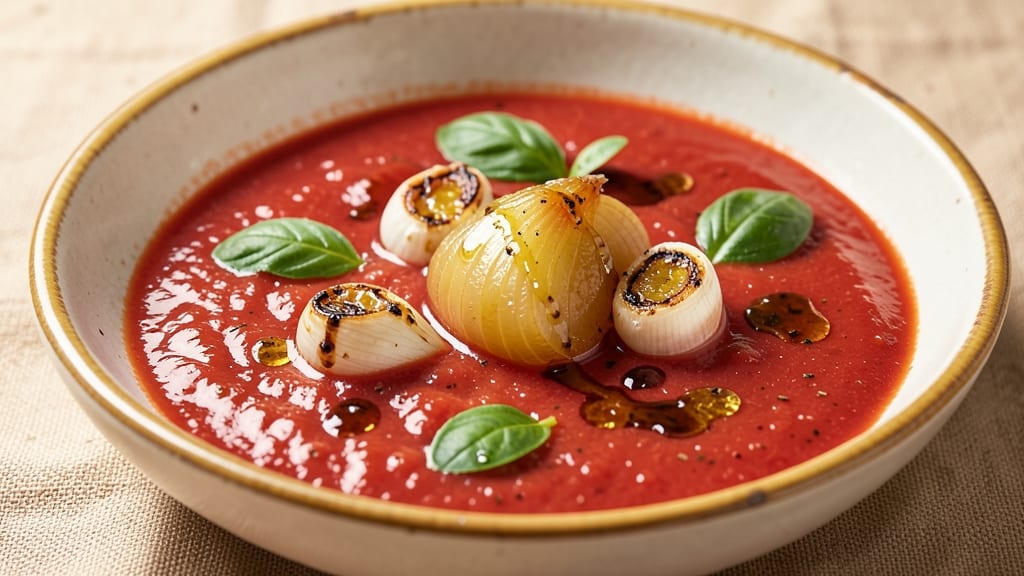
This amazing marinara sauce transforms simple ingredients into a rich, slow-simmered masterpiece that tastes like Nonna’s kitchen. 💛 The secret? Letting flavors meld over low heat—no shortcuts—while finishing with fresh basil that brightens every forkful.
I’ve perfected this recipe after years of testing, and it’s the one people always ask for seconds on.
What sets this marinara apart is the balance of sweetness from tomatoes, depth from garlic and onion, and a touch of acidity from red wine vinegar. We’re talking restaurant-quality sauce that’s versatile enough for pasta, pizza, or even dipping bread—all with just 10 ingredients and 45 minutes of hands-off time.
The slow simmer develops layers of flavor that jarred sauces can’t match.
By the end, you’ll have a glossy, velvety sauce with just the right thickness—no lumps, no blandness, just pure, unadulterated tomato goodness. The fresh basil finish adds that signature Italian brightness, making it taste like it was simmered all day in a rustic kitchen.
This isn’t just marinara; it’s the kind of sauce that makes people pause and say, “Wow.”
Best of all? It keeps beautifully in the fridge for up to 5 days or freezes for months, so you’ll always have homemade sauce on hand. Let’s get cooking—your taste buds will thank you.
Ingredients for amazing marinara sauce
Ten simple ingredients transform into restaurant-quality marinara that tastes like Nonna's kitchen.
| Ingredient | Amount | Notes |
|---|---|---|
| San Marzano Tomato Cans 🍅 | 28 oz | Whole peeled tomatoes, no salt added |
| Yellow Onion 🧅 | 1 whole | Medium size, finely chopped |
| Garlic Cloves 🧄 | 4 cloves | Freshly minced for depth |
| Extra-Virgin Olive Oil 🫒 | ½ cup | High quality, fruity variety |
| Red Wine Vinegar 🍷 | 1 tbsp | For bright acidity |
| Fresh Basil Leaves 🌿 | ½ cup | Packed, stems removed |
| Tomato Paste 🍅 | 2 tbsp | Squeeze tube or canned |
| Dried Oregano 🍃 | 1 tsp | Mexican oregano preferred |
| Salt 🧂 | 1 ½ tsp | Diamond Crystal preferred |
| Black Pepper 🌶️ | ½ tsp | Freshly ground for heat |
San Marzano tomatoes are the secret weapon here—their sweetness and low acidity make all the difference. Trader Joe's and Whole Foods carry them canned, but any high-quality canned tomatoes work if labeled 'no salt added'. I always grab a few extra cans since they keep for months. The garlic and onion are your flavor base, so don't skimp on chopping them fine. Fresh basil is non-negotiable for that signature brightness—farmers markets have the best quality, but grocery store bunches work too (just check they're vibrant green). The extra-virgin olive oil should be fruity and peppery—California or Italian brands are my go-to.
No San Marzano tomatoes? Crushed tomatoes in a can work in a pinch, but you'll need to add a pinch more salt. Short on fresh basil? Dried basil at one-third the amount gets you close, though it won't have the same brightness. The tomato paste can be skipped if you're using crushed tomatoes, but it adds that signature depth. For extra richness, add a splash of heavy cream at the end—trust me, it's amazing. The red wine vinegar is crucial for that tangy finish; if you don't have it, lemon juice works too. And if you're feeling fancy, a pinch of red pepper flakes adds just the right kick.
This sauce tastes even better the next day as flavors meld. Store in airtight containers in the fridge for up to 5 days or freeze for 3 months. I like to portion it into ice cube trays for perfect single servings—just thaw and heat. The basil wilts fast, so add it fresh at the very end. For leftovers, a splash of water or broth brings it back to perfect consistency. And if it gets too thick? Just stir in a little warm water—it'll come together beautifully.
Why You'll Love This Recipe
- Here’s what sold me: that splash of red wine vinegar brightens the sauce in a way store-bought versions never do. It cuts through the richness of the olive oil, leaving a finish that’s sharp but balanced—like a little secret.
- No Chopping Chaos: I swear by this—just dice one onion and mince three garlic cloves. That’s it. The San Marzano tomatoes do all the heavy lifting, and their natural sweetness means no bitter aftertaste to fight.
- Wine Vinegar Magic: Here’s what sold me: that splash of red wine vinegar brightens the sauce in a way store-bought versions never do. It cuts through the richness of the olive oil, leaving a finish that’s sharp but balanced—like a little secret.
- Pasta Party Ready: Between us, this sauce works for everything. Slather it on fresh linguine, toss it with roasted chicken, or freeze half for lazy Mondays. The onions caramelize just enough to add depth, so it’s never one-note.
Step-by-step instructions for slow-simmered marinara sauce
Here's how to build layers of flavor that make this marinara truly exceptional.
🍳 Step 1: Sauté Onion and Garlic in Olive Oil
Heat the 0.5 cup Extra-Virgin Olive Oil in a large, heavy-bottomed saucepan over medium heat. Add the 1 whole Yellow Onion, chopped into small pieces, and cook for 8-10 minutes until soft and translucent. You'll see the edges start to turn golden—that's your signal it's ready.
Lower the heat to medium-low and add the 4 cloves Garlic Cloves, freshly minced. Cook for just 30 seconds until fragrant. Watch carefully—garlic burns quickly, and you want to preserve that sweet, aromatic punch. Remove the pan from heat for now; we'll return to it later.
🥘 Step 2: Build the Sauce Base with Tomatoes and Paste
Return the pan to medium heat and stir in the 2 tbsp Tomato Paste. Cook for 2 minutes, stirring constantly, until it darkens slightly and releases its deep, concentrated flavor. This step is what gives your sauce that rich, complex base.
Add the 28 oz San Marzano Tomato Cans, crushed by hand (leave some texture for body), along with the 1 tbsp Red Wine Vinegar, 1 tsp Dried Oregano, 1.5 tsp Salt, and 0.5 tsp Black Pepper. Bring to a gentle boil, then reduce heat to low to maintain a slow simmer. This is where the magic happens—let it cook uncovered for 30-40 minutes, stirring occasionally.
⏰ Step 3: Simmer Until Thick and Flavorful
After 30 minutes, taste the sauce. It should be developing depth, but still have some brightness. If it's too thin, simmer uncovered for another 10-15 minutes until it reaches your desired consistency. You're aiming for a sauce that coats the back of a spoon but still has movement—thick enough to cling to pasta, but not gluey.
Here's the thing—patience pays off. The longer it simmers, the more the flavors meld together. I like to stir occasionally and taste as I go, adjusting seasoning if needed. The sauce will reduce naturally, concentrating its flavor with each passing minute.
👨🍳 Step 4: Finish with Fresh Basil
Remove the sauce from heat and stir in the 0.5 cup Fresh Basil Leaves, packed and stems removed. Let it steep for 5 minutes—this infuses the sauce with bright, herbal notes that take it from good to amazing. The basil will soften slightly, releasing its aroma into the sauce.
For the final touch, taste and adjust seasoning. Sometimes the basil brightens the sauce so much that you might need a pinch more salt. Give it one last stir and let it sit for 5 minutes before serving. This resting time allows the flavors to settle and the sauce to reach its peak texture.
Pro Tips For Making Amazing Marinara Sauce
- CRUSH THE ONIONS: Dice them small—think 1/4-inch pieces, not thick slices. I used to skip this, and the onions would turn to mush instead of sweetening the sauce. A quick pulse in the food processor (then taste to check) saves time and keeps texture even.
- SWEAT THE GARLIC LOW: Once the onions are translucent, turn the heat to low and add the minced garlic. Burnt garlic ruins everything, and it happens faster than you’d think. If your kitchen smells like a fire station, you went too hot—start over.
- STIR THE TOMATOES: After opening the San Marzano cans, give them a quick stir with a wooden spoon. The good stuff (juice, seeds) often pools at the bottom. Skipping this means missing out on the sauce’s natural depth and a smoother texture.
- ACIDIFY IN STAGES: Add the red wine vinegar after the tomatoes simmer for 10 minutes. Too early, and the acidity fights the sweetness; too late, and the sauce tastes flat. A splash now, another later—balance is everything. (Yes, even if you’re impatient like me.)
Health benefits of this amazing marinara sauce
Lycopene Powerhouse
This marinara sauce is packed with lycopene, a powerful antioxidant found in tomatoes that your body converts to vitamin A. A 1-cup serving delivers about 30% of your daily lycopene needs, which helps protect your cells from damage and supports heart health.
The slow simmer actually increases lycopene absorption—unlike raw tomatoes, cooked ones make this nutrient more bioavailable. 💪
Rich in Potassium
Tomatoes are an excellent source of potassium, an electrolyte that helps regulate blood pressure and muscle function. With 500mg per serving, this sauce supports heart health while being low in sodium (thanks to the no-salt-added tomatoes).
I love knowing I'm getting a nutrient boost without any extra effort—just by making this simple sauce.
Vitamin K Boost
The fresh basil in this recipe adds a surprising amount of vitamin K, which plays a crucial role in blood clotting and bone health. Just ½ cup of basil provides about 10% of your daily needs.
This vitamin also works with calcium to strengthen bones—a great reason to add that final fresh herb. The slow cooking process preserves these nutrients better than jarred sauces.
Low-Calorie Comfort
At just 80 calories per ½-cup serving, this marinara delivers big flavor without the guilt. The high water content from tomatoes keeps it light while the olive oil adds healthy fats for satiety.
It's perfect for those watching calories but still wanting rich, satisfying meals. The red wine vinegar also adds a tangy kick that makes it feel indulgent.
Digestive Benefits
The combination of tomatoes and garlic in this sauce supports digestive health. Tomatoes contain soluble fiber that feeds good gut bacteria, while garlic has natural antimicrobial properties. The slow simmer helps break down these components, making them easier for your body to absorb.
Plus, the fresh basil adds a soothing herbal note that's great for digestion. 🌱
Versatile Nutrition
This sauce works as a base for so many healthy meals—toss it with whole wheat pasta, use it as a pizza sauce, or serve it with grilled chicken. The balanced nutrition profile makes it a great addition to any diet.
I often make a big batch and freeze portions for quick, healthy meals throughout the week. The nutrients stay stable even after freezing, making it a true pantry staple.
Nutrition facts
Frequently asked questions
Can I make this marinara sauce without fresh basil?
Yes, but the flavor will be less vibrant. Use 1 teaspoon dried basil instead, but add it during the simmer rather than at the end. For extra brightness, a pinch of red pepper flakes or a splash of lemon juice at the end helps mimic fresh basil's impact. The sauce will still taste great—just not quite as authentic.
How do I adjust the thickness of my sauce?
If your sauce is too thin, simmer uncovered for 10-15 more minutes—the moisture will evaporate naturally. For a thicker sauce, blend half the batch and return it to the pot. Need it thinner? Stir in 1-2 tablespoons warm water or broth while simmering. Always adjust gradually to avoid breaking the sauce's balance.
Can I use this sauce for pizza instead of pasta?
This marinara makes an excellent pizza sauce when spread thinly on dough. For extra richness, add 1 tablespoon tomato paste to thicken it slightly before spreading. Top with mozzarella, fresh basil, and a drizzle of olive oil. The slow-simmered depth shines even better on crispy pizza crust.
What's the best way to store leftovers?
Transfer sauce to airtight containers and refrigerate for up to 5 days. For longer storage, freeze in ice cube trays (perfect for single servings) or airtight containers for up to 3 months. Thaw overnight in the fridge—never microwave directly from frozen. Stir in a splash of water if it thickens too much after reheating.
Why does my sauce taste bland after simmering?
Bland sauce usually means insufficient seasoning or not enough simmer time. Taste as you go and adjust with salt, black pepper, or red wine vinegar (½ teaspoon at a time). For depth, add 1 teaspoon sugar or 1 tablespoon balsamic vinegar during the last 5 minutes of cooking. Always simmer uncovered to let flavors concentrate.