
Sauces & Condiments
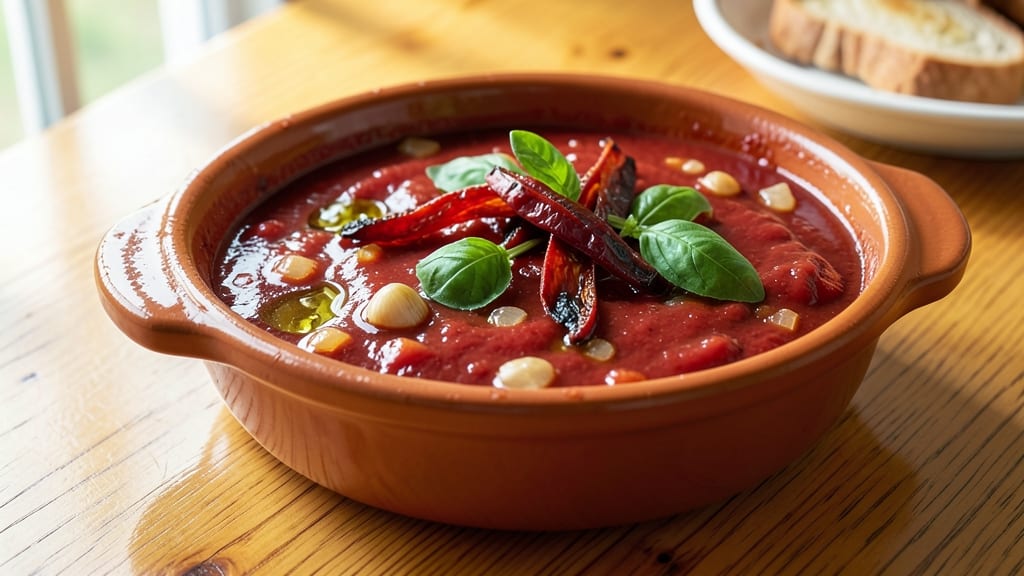
Alton Brown's tomato sauce recipe transforms simple canned tomatoes into a rich, velvety masterpiece with layers of umami and bright herbaceousness. The secret lies in low-and-slow simmering—allowing natural sugars to caramelize while building depth through aromatics and acid.
This isn’t just sauce; it’s a flavor foundation that elevates everything from pasta to pizza with professional-level results.
The technique focuses on three key elements: balanced acidity (a splash of vinegar or lemon), proper emulsification (a touch of fat to smooth the texture), and herb timing (adding fresh basil at the very end to preserve its vibrant aroma).
Unlike quick sauces, this method develops complexity over 30-45 minutes, creating a sauce that tastes like it’s been simmering all day. The result is a silky, deeply flavorful sauce with just the right consistency—thick enough to cling but light enough to coat.
What sets this apart is the Alton Brown touch: a technique called "sweating" the aromatics until they’re translucent, not browned, which prevents bitterness and enhances sweetness. The sauce finishes with a blend of fresh basil and a pinch of sugar to balance acidity, creating that signature bright, herbaceous finish.
This isn’t just another tomato sauce—it’s a restaurant-quality base that transforms ordinary meals into something extraordinary.
Use it as a pasta sauce, pizza topping, or even a dip for crusty bread. The versatility makes it a weeknight staple, but the technique ensures it tastes like you’ve spent hours perfecting it. Ready to elevate your cooking? Here’s how to make it.
Ingredients for alton brown tomato sauce
Ten ingredients, one technique: slow-simmered depth transforms canned tomatoes into velvety restaurant-quality sauce.
| Ingredient | Amount | Notes |
|---|---|---|
| San Marzano Whole Tomatoes 🍅 | 28 oz | Canned, crushed by hand |
| Extra-Virgin Olive Oil 🫒 | ½ cup | High-quality, fruity variety |
| Yellow Onion 🧅 | 1 whole | Finely diced, translucent |
| Garlic Cloves 🧄 | 4 cloves | Minced, not browned |
| Red Bell Pepper 🌶️ | 1 whole | Seedless, finely diced |
| Fresh Basil Leaves 🌿 | ½ cup | Packed, torn by hand |
| White Wine Vinegar 🍋 | 1 tbsp | For acidity balance |
| Granulated Sugar 🍚 | 1 tsp | Balances acidity |
| Diamond Crystal Kosher Salt 🧂 | 1 ½ tsp | Adjust to taste |
| Freshly Ground Black Pepper 🌶️ | ½ tsp | Freshly cracked |
San Marzano tomatoes are non-negotiable here—their sweet, meaty texture and low acidity create the perfect base. Trader Joe's and Whole Foods carry them year-round, but if unavailable, Muir Glen is a solid backup. Avoid crushed tomatoes in juice; you want the whole fruit. The key to this sauce lies in the aromatics: sweating the onion and garlic until translucent (not browned) prevents bitterness and enhances sweetness. For the bell pepper, a red variety adds subtle sweetness, but yellow or orange will work in a pinch. The olive oil should be extra-virgin with fruity notes—cheap oil will make the sauce taste flat.
No white wine vinegar? Lemon juice or apple cider vinegar work equally well, though the flavor profile shifts slightly. Fresh basil is ideal, but if you're making this ahead, dried basil at one-third the amount will suffice—just add it at the end. The sugar balances acidity, but if you prefer a tangier sauce, reduce it to half a teaspoon. For salt, Diamond Crystal kosher dissolves more easily than table salt, but use what you have—just taste as you go. The black pepper should be freshly ground; pre-ground loses potency quickly. If you're using a Immersion blender, blend directly in the pot for a smoother texture without transfer mess.
This sauce develops flavor over time, so reheat gently—never boil—to preserve its delicate balance. It keeps in the fridge for 5-7 days in an airtight container, but the flavor actually improves after 24 hours as the acidity mellows. For longer storage, freeze in ice cube trays—perfect for portion control. The basil should be added just before serving to preserve its vibrant aroma; if you must add it earlier, cover the sauce and reheat briefly to revive its scent. Double the batch—it disappears faster than you'd think.
Why You'll Love This Recipe
- No-Fuss Simplicity: I swear by this sauce because it’s the kind of recipe that doesn’t demand your full attention. Just dice an onion, mince a few garlic cloves, and toss in those San Marzano tomatoes—no peeling, no fancy techniques. The bell pepper adds a little color, but honestly? Even if you skip it, the sauce still shines.
- Deep, Rich Umami: That first taste of the caramelized onions and garlic in olive oil? Chef’s kiss. The San Marzano tomatoes bring natural sweetness without being cloying, and the slow simmer lets all the flavors meld into something dangerously addictive. It’s the kind of sauce that makes you pause mid-bite and go, “Wait… why don’t I eat this more often?”
- Weeknight to Potluck Hero: This sauce works just as well over spaghetti on a Tuesday as it does drizzled on grilled cheese at a summer picnic. Freeze half for lazy nights, or bring the rest to a dinner party—no one will guess it took less than 30 minutes to make. (Between us, I’ve even used it as a pizza base. Don’t tell anyone.)
- Budget-Friendly Pantry Staple: A single can of San Marzano tomatoes and a bulb of garlic stretch this recipe into meals for days. The olive oil and onion are cheap enough that you won’t flinch at the grocery bill, yet the result feels like a restaurant-quality dish. My wallet and my taste buds thank me every time.
Step-by-step instructions for Alton Brown's tomato sauce
Master this slow-simmered technique for restaurant-quality depth and vibrant basil brightness.
Prepare and Sauté the Aromatics
Heat the 0.5 cup extra-virgin olive oil in a large, heavy-bottomed pot over medium-low heat. Add the finely diced yellow onion and cook for 5-6 minutes until completely translucent and just beginning to soften. This gentle approach prevents burning while drawing out maximum flavor from the onion.
Add the minced garlic cloves and finely diced red bell pepper, stirring constantly for 2-3 minutes until the garlic becomes fragrant but doesn't brown. The bell pepper should soften slightly while retaining its color. Remove the pot from heat briefly if you notice any browning—this step is about building flavor, not color. Return to medium-low heat once ready to continue.
Crush and Incorporate the Tomatoes
Using your hands, carefully crush the 28 oz San Marzano whole tomatoes in the pot, breaking them open but leaving some texture. This method creates a slightly rustic sauce with pockets of juicy tomato. Add the 1 tbsp white wine vinegar, 1 tsp granulated sugar, 1.5 tsp Diamond Crystal kosher salt, and 0.5 tsp freshly ground black pepper.
Bring the mixture to a gentle simmer over medium heat, then immediately reduce to low heat. The sauce should bubble softly with occasional small bubbles breaking the surface—this is the ideal simmering temperature. Here's where patience pays off: let it cook uncovered for 45-50 minutes, stirring occasionally, until the sauce reduces by about one-third and thickens noticeably. The color will deepen to a rich, ruby hue.
Finish with Fresh Basil and Adjust Seasoning
Remove the pot from heat and stir in the 0.5 cup packed fresh basil leaves, torn by hand. The heat will wilt the basil immediately, releasing its vibrant oils into the sauce. Let the mixture sit off heat for 5 minutes to allow the basil to infuse completely.
Taste and adjust the seasoning if needed—this is where the magic happens. The acidity from the vinegar should be balanced by the sweetness of the tomatoes and sugar, while the salt enhances all flavors. If the sauce needs more brightness, add a pinch more vinegar. For depth, a touch more sugar might help. The basil should add a fresh, slightly peppery note that cuts through the richness. Serve immediately or store covered in the refrigerator for up to 5 days.
Pro Tips For Making Alton Brown Tomato Sauce
- CRANK THE HEAT FIRST: The onions and bell pepper need a good sweat, not a slow simmer—start with medium-high heat until they’re soft and just starting to color. I used to let them mellow out too fast, and the sauce lost that bright, fresh flavor. Push it until you smell that sweet caramelizing, then dial it back.
- SLICE THE GARLIC THIN: Don’t chop those cloves—slice them paper-thin so they infuse the sauce without turning bitter. Thick slices burn before they release flavor, and you’ll end up tasting ash instead of garlic. A sharp knife and a quick flick of the wrist make this take 20 seconds.
- SALT THE TOMATOES BEFORE COOKING: Sprinkle a pinch of salt over the halved San Marzanos before they hit the pot. It draws out moisture, concentrates their sweetness, and prevents the sauce from tasting flat. I skipped this once and regretted it—next batch was noticeably duller.
- USE A SPLASH OF WATER: When the tomatoes hit the pot, add ¼ cup water to help them break down faster and prevent sticking. The recipe might not say it, but this is the thing that keeps the sauce from turning into a gloppy mess. Stir it in right as the tomatoes go in.
Creative variations of this dish
Italian Grandma Style
Transform this sauce into a classic ragù by adding 1 lb Italian sausage (casings removed) and 1 lb ground beef after the tomatoes simmer for 20 minutes. Brown the meat first in a separate pan, then stir it into the sauce.
Simmer uncovered for another 30 minutes to develop deep, meaty flavors. Finish with ½ cup red wine (like Chianti) for extra richness. This version works perfectly over pappardelle pasta or as a pizza topping. 🍝
Spicy Arrabbiata Twist
For a fiery kick, add 1 tbsp red pepper flakes and 2-3 fresh chili peppers (like Arrabbiata peppers) when crushing the tomatoes. Increase the white wine vinegar to 2 tablespoons to balance the heat.
Garnish with extra basil and a sprinkle of freshly grated Parmesan for contrast. Serve with linguine pasta or as a dipping sauce for garlic bread. 🌶️
Creamy Alfredo Fusion
Take this sauce to new heights by blending in ½ cup heavy cream after removing it from heat. Stir in 1 cup freshly grated Parmigiano-Reggiano and 2 tbsp butter for a luxurious finish.
This hybrid sauce pairs beautifully with fettuccine or shrimp scampi. For extra decadence, top with crispy prosciutto and toasted pine nuts. 🧀
Roasted Garlic & Tomato
Swap the fresh garlic for 3-4 roasted garlic cloves (roast whole heads at 400°F for 30 minutes until soft). Mash them into the sauce after crushing the tomatoes. Add 1 tsp smoked paprika for depth.
This earthy version shines with grilled chicken or polenta. Store leftovers in the freezer for up to 3 months. 🧄
Breakfast Tomato Sauce
Reduce the vinegar to ½ teaspoon and add 1 tsp dried oregano and ½ tsp red pepper flakes for a breakfast-friendly twist. Serve with scrambled eggs, crispy bacon, or polenta for a brunch star. The mild acidity balances the richness of eggs perfectly. 🍳
Herb-Infused Variations
Swap basil for other herbs to match your dish: Use ½ cup chopped parsley for a lighter, brighter sauce (great with seafood), or ½ cup chopped rosemary for a woodsy note (perfect with lamb).
For a Mediterranean touch, add 1 tsp dried oregano and ½ tsp fennel seeds when crushing the tomatoes. 🌿
Nutrition facts
Frequently asked questions
Why does Alton Brown's recipe use whole San Marzano tomatoes instead of crushed?
Crushing the tomatoes by hand preserves their natural texture and juices, creating a sauce with pockets of juicy tomato that add depth. This method also prevents the sauce from becoming too watery, as crushed tomatoes in juice would. The 28 oz whole tomatoes yield about 3 cups of crushed product, giving you better control over the final consistency.
Can I make this sauce in a slow cooker or Instant Pot?
Yes! For a slow cooker, follow the same steps but transfer everything after crushing the tomatoes. Cook on low for 4-5 hours or high for 2-3 hours, stirring occasionally. For an Instant Pot, sauté the aromatics first, then crush the tomatoes and cook on high pressure for 10 minutes. Quick-release and finish with basil. The texture will be slightly smoother but still delicious.
What's the difference between this sauce and marinara?
This recipe creates a richer, more complex sauce through slow simmering and added aromatics (bell pepper, vinegar, sugar). Marinara typically uses crushed tomatoes in juice, cooks faster (20-30 minutes), and has a brighter, thinner consistency. This sauce develops deeper umami from caramelization and emulsification, making it ideal for pasta, pizza, or braising.
How do I fix a sauce that's too acidic or too sweet?
If it's too acidic, stir in ½ tsp sugar or a pinch of salt to balance. For excess sweetness, add ½ tsp more vinegar or a splash of lemon juice. Always taste as you go! The key is the 1 tbsp vinegar to 1 tsp sugar ratio—adjust gradually. Remember, you can always add more acid, but you can't remove excess sweetness once it's cooked in.
Can I use this sauce as a marinade for meat?
Use it as-is for grilled chicken or pork, or reduce it further to create a thicker glaze. For extra marinade power, add 1 tbsp olive oil and 1 tsp Worcestershire sauce. Marinate for 2-4 hours (not overnight) to prevent the meat from becoming mushy. The acidity helps tenderize while the herbs add flavor.