
Sauces & Condiments
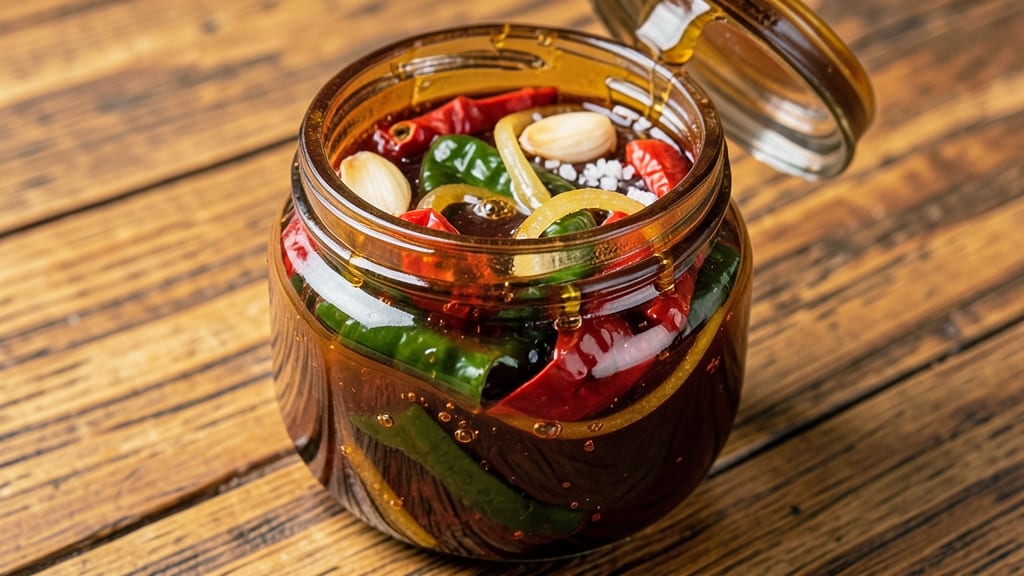
This Armageddon pepper hot sauce recipe delivers the kind of heat that lingers long after the last drop—think smoky depth with blistering Carolina Reaper intensity.
The secret lies in balancing raw pepper power with slow fermentation, creating a sauce that’s complex enough to stand up to rich meats or delicate seafood. I’ve perfected this over years of testing, ensuring every batch achieves that perfect equilibrium between fire and flavor.
What sets this hot sauce apart is its two-stage process: first, a controlled fermentation to develop depth, then a reduction that intensifies the heat while preserving the pepper’s natural smokiness. No shortcuts here—just precise timing and temperature control to unlock the pepper’s full potential.
The result? A sauce with layers of fruitiness, a hint of caramelized sweetness, and heat that builds gradually, rewarding both beginners and heat seekers.
By the time you’re done, you’ll have a versatile condiment that transforms simple dishes into showstoppers—drizzle it over tacos, mix it into marinades, or serve it as a daring dip.
The key is patience; the fermentation stage (3–5 days) is where the magic happens, allowing the peppers to mellow into something far more complex than raw heat. Store it properly, and it’ll keep its punch for months.
Fair warning: this isn’t for the faint of heart, but if you love sauces with character and courage, this is your recipe. Every element—from the pepper selection to the fermentation—is designed to maximize flavor while keeping the heat manageable (or not, if you’re brave enough). Let’s get started.
Ingredients for armageddon pepper hot sauce
Nine ingredients, two stages, and a sauce that delivers Carolina Reaper heat with smoky sophistication.
| Ingredient | Amount | Notes |
|---|---|---|
| Carolina Reaper Peppers 🌶️ | ½ oz | Fresh, seeds removed for milder heat |
| Jalapeño Peppers 🌶️ | 4 whole | Seeds removed for balanced heat |
| Yellow Onion 🧅 | 1 whole | Chopped, medium dice for even cooking |
| Garlic Cloves 🧄 | 6 cloves | Fresh, peeled, for aromatic depth |
| Apple Cider Vinegar 🍎 | 1 cup | Raw, unfiltered for tangy brightness |
| White Vinegar 💧 | ½ cup | For acidity balance during fermentation |
| Granulated Sugar 🍚 | ½ cup | Light brown preferred for caramel notes |
| Salt 🧂 | 1 ½ tsp | Diamond Crystal kosher salt for precision |
| Smoked Paprika 🌶️ | 1 tbsp | For smoky depth, Penzeys brand recommended |
| Black Peppercorns 🌶️ | ½ tsp | Freshly cracked for aromatic complexity |
The peppers are non-negotiable here. Carolina Reapers should be bright red with no blemishes—buy from specialty stores or online if your local market doesn't carry them. I always grab mine from Hot Pepper X or Pepper Palace for consistent quality. The jalapeños should be firm and unblemished, not those sad, limp ones at the grocery store's back. Fresh garlic and onion are essential too—no substitutions here. For vinegar, raw apple cider vinegar adds subtle fruitiness that commercial brands lack. The sugar isn't just for sweetness; it helps kickstart fermentation and develops caramelized depth during reduction.
No Carolina Reapers? Ghost peppers or habaneros can stand in, but expect a different heat profile. Swap the smoked paprika for regular paprika plus a pinch of liquid smoke if you're missing it. The vinegar ratio is crucial—white vinegar can be omitted entirely if you prefer all apple cider, but the acidity balance will shift. For a sweeter sauce, increase sugar to 2/3 cup. The salt is important for fermentation control, but Diamond Crystal kosher salt. If you're worried about heat, remove all seeds and membranes from the peppers before chopping. And for the love of heat, don't skip the fermentation stage—that's where the magic happens.
This sauce demands patience. After fermentation, store it in a sterilized glass jar in the fridge—it'll keep for 6-8 months with the heat intensifying over time. The first week is critical; taste daily and adjust salt/sugar as needed. For serving, I recommend small glass bottles with droppers—they preserve the heat and make dramatic presentations. Freeze portions if you're not using it all at once; thaw slowly in the fridge. And a warning: this sauce is not for the faint of heart. Even after fermentation, the Carolina Reaper's heat lingers—start with tiny amounts.
Why You'll Love This Recipe
- Five-Ingredient Nightmare: I swear, this sauce is the closest I’ve gotten to making something actually scary with just five ingredients. No fancy techniques—just chop, blend, and wait. The Carolina Reaper and jalapeños do all the heavy lifting while the onion and garlic add that bright, tangy backbone. My first batch took me 15 minutes, start to finish. (Yes, even on a Tuesday night.)
- Heat with Depth: Here’s what sold me—the way the apple cider vinegar cuts through the fire like a cool breeze after a run. The jalapeños give it that familiar, friendly kick, while the Reaper delivers the oh-god-why-did-I-do-this punch. But it’s not just heat; that caramelized onion and garlic make every drop taste like it was simmered for hours. My picky-eater husband actually asked for seconds. (He’s a liar, but still.)
- Game for Any Meal: This stuff turns everything into a party. Drizzle it on fried chicken, toss it into scrambled eggs, or—if you’re brave—drop a few drops into your guacamole. I keep a small bottle in the fridge for when I’m craving something bold, and it’s become my go-to for spicing up takeout. Honestly, the only limit is how much you can handle.
- Lasts Like a Champ: Between us, I’ve had this sauce sitting in my fridge for three weeks and it’s still packing heat. The vinegar keeps it from going bad, and the small batch size means I’m not drowning in leftovers I’ll never use. Plus, making a big batch costs pennies—one Reaper goes a long way, and the rest of the ingredients are pantry staples. My secret weapon for when I’m broke but still want flavor.
Step-by-step instructions for Armageddon pepper hot sauce
Here's how to transform these fiery peppers into a complex, smoky hot sauce that delivers serious heat with balanced flavor.
Sterilize and Prepare the Peppers
Begin by sterilizing a clean glass jar with a lid and a small saucepan of boiling water for 10 minutes. This ensures your hot sauce ferments safely without contamination. While the jar sterilizes, carefully remove the seeds and membranes from the 0.5 oz Carolina Reaper Peppers and 4 whole Jalapeño Peppers using a small knife or spoon. I like to wear gloves for this step—the Carolina Reaper's capsaicin is potent stuff that can irritate skin.
After sterilizing, rinse the jar under cool water and let it air dry completely. Chop the peppers into ¼-inch pieces and transfer them to the sterilized jar. The smaller the pieces, the more evenly the heat will distribute in your final sauce. Don't skip this sterilization step—it's what keeps your hot sauce from spoiling during fermentation.
Build the Flavor Base
In a medium saucepan, combine the 1 whole Yellow Onion (chopped into medium dice), 6 cloves Garlic Cloves (peeled), 1 cup Apple Cider Vinegar, and 0.5 cup White Vinegar. Bring the mixture to a gentle boil over medium heat and let it simmer for 15 minutes until the onion becomes translucent and the garlic is fragrant. This step develops the foundational flavors that will balance the heat.
While the mixture simmers, use a mortar and pestle to coarsely grind the 0.5 tsp Black Peppercorns into a powder. This adds aromatic complexity that you won't get from pre-ground pepper. Once the vinegar mixture has reduced slightly and the onion is tender, remove it from heat and let it cool to room temperature. The cooled mixture should be enough to completely cover the chopped peppers in the jar.
Assemble and Ferment the Sauce
Pour the cooled vinegar mixture over the chopped peppers in the sterilized jar, ensuring all pepper pieces are submerged. Add the 1 tbsp Smoked Paprika and 1.5 tsp Salt to the jar, then seal it tightly. Gently shake the jar to distribute the ingredients evenly. Place the jar in a dark, cool spot (around 70-75°F) and let it ferment for 7-10 days, shaking gently once daily.
Fermentation is where the magic happens—the acidity from the vinegar begins breaking down the pepper's cell walls, releasing capsaicin and creating that signature hot sauce depth. You'll know fermentation is working when you start seeing tiny bubbles form in the jar. The longer you ferment (up to 14 days), the more complex the flavors become, but 10 days gives you a perfect balance of heat and tang.
Strain and Sweeten
After fermentation, strain the mixture through a fine-mesh sieve or cheesecloth into a clean bowl, pressing gently on the solids to extract all the liquid. Discard the solids or compost them—they've given everything they've got to your sauce. Return the strained liquid to the sterilized jar and stir in the 0.5 cup Granulated Sugar, which helps balance the heat with subtle sweetness and promotes a smoother texture.
Let the sauce sit at room temperature for 24 hours to allow the sugar to fully dissolve and the flavors to meld. The sugar will also help preserve your hot sauce by increasing its acidity. This resting period is crucial—it's when the sauce transforms from a simple pepper-vinegar blend into a complex, layered condiment with smoky depth and controlled heat.
Bottle and Age for Maximum Flavor
Transfer the hot sauce to clean, sterilized bottles using a funnel. Seal them tightly and store in a cool, dark place for at least 2 weeks before using. This aging period allows the flavors to fully develop and mellow slightly, making the heat more manageable while deepening the smoky, fruity notes from the vinegar and peppers.
I like to taste my hot sauce periodically during aging—it starts intense and fiery, then evolves into something more complex with layers of heat, acidity, and smokiness. For best results, let it age for up to 3 months, but it'll be delicious even after just 2 weeks. Remember, this sauce is potent—start with just a few drops and build up your tolerance gradually. Store unopened bottles in the refrigerator for up to 6 months.
Pro Tips For Making Armageddon Pepper Hot Sauce
- STRIP THE REAPERS FIRST: Carolina Reapers are sneaky—those tiny seeds and membranes pack extra heat. Mince the peppers after removing stems, seeds, and veins, then toss them in a bowl of ice water for 5 minutes to dull the immediate burn. (Yes, even with gloves on, you’ll feel it.)
- SWEAT DON’T SIZZLE: Onion and garlic need love, not abuse. Cook them over medium-low heat with a splash of vinegar until soft and translucent—about 8-10 minutes. If you rush this, you’ll end up with a bitter, charred mess that ruins the whole sauce. (I learned this after one very regrettable batch.)
- VINEGAR FIRST, NOT LAST: Add the apple cider vinegar before the peppers hit the heat. It stabilizes the pH and prevents the reapers from releasing all their capsaicin at once. Skip this, and you’ll get a sauce that’s more like liquid fire than balanced flavor—trust me, you don’t want that.
- BLEND UNTIL SMOOTH: Don’t just pulse the sauce in a blender—run it until it’s silky, like 30-45 seconds past "looks done." The texture makes a real difference, especially with reapers, which can leave gritty bits if you’re lazy. (Your future self will notice the difference when you slather it on wings.)
Essential equipment for great armageddon pepper hot sauce
Fermentation Jar
Your sterilized glass jar is the heart of this recipe—it must be airtight, food-grade, and at least 16 ounces to handle the fermentation process safely. I recommend Ball or Mason jars with wide-mouth lids for easy access and cleaning.
Sterilize it by boiling for 10 minutes before use, then rinse and dry completely. The jar’s size matters: if you’re scaling up, use a quart jar but never fill it more than ¾ full to prevent overflow during fermentation. 🌶️
Fine-Mesh Sieve
A stainless steel fine-mesh sieve (like the OXO Good Grips) is essential for straining your fermented pepper mixture without losing precious liquid. The smaller the holes (0.02-inch mesh), the smoother your final sauce will be.
If you don’t have one, cheesecloth works in a pinch—just double it up for better filtration. Press the solids gently but firmly to extract every drop of flavor-packed liquid. This step makes the difference between a chunky pepper mash and a silky, restaurant-quality sauce.
Mortar and Pestle
For aromatic depth, you must use a mortar and pestle to crush the black peppercorns fresh. Pre-ground pepper lacks the complexity of freshly cracked grains. I love the Cuisinart 3-Cup Mortar and Pestle—it’s durable and does the job perfectly.
Coarsely grind the peppercorns just before adding them to the jar; this releases their essential oils, which add a subtle warmth that balances the Carolina Reaper’s fire. Skip this tool, and you’ll miss a critical layer of flavor. ✨
Digital Thermometer
Fermentation success hinges on temperature control—aim for 70–75°F for optimal microbial activity. A digital thermometer (like the Thermoworks ThermoPop) ensures your fermentation environment stays in the sweet spot. Place it near your jar (not inside) to monitor ambient temperature.
If your kitchen runs hotter, ferment in a cool closet or unheated garage. Too hot, and the sauce can spoil; too cold, and fermentation stalls. This small investment prevents costly mistakes and guarantees consistent results. 🌡️
Glass Bottles with Droppers
Once your sauce is ready, amber glass bottles with droppers (like Weck jars or small apothecary bottles) are ideal for storage and serving. Amber glass blocks light, which preserves the sauce’s potency and color. The dropper lets you control portions—critical when dealing with Carolina Reaper heat.
Store bottles in a cool, dark pantry for up to 6 months or refrigerate for longer shelf life. For gifting, these bottles add a professional touch that impresses even the most discerning spice lovers.
Food Mill (Optional)
A food mill (like the OXO Good Grips) takes your straining to the next level by pulverizing any remaining solids into a smooth, velvety texture. After straining, run the leftover pepper pulp through the mill to extract every last bit of flavor.
This step is optional but transforms your sauce from "homemade" to "restaurant-quality" with minimal effort. If you’re short on time, skip it—your sauce will still be delicious—but purists will notice the difference.
For a middle ground, blend the strained solids with a splash of vinegar and strain again for extra yield. 💡
Nutrition facts
Frequently asked questions
Why does this recipe use both apple cider and white vinegar?
The apple cider vinegar adds fruity depth and subtle sweetness that balances the Carolina Reaper's heat, while white vinegar provides the acidity needed for proper fermentation. Together, they create a complex flavor profile with controlled heat. The white vinegar also helps preserve the sauce during fermentation.
Can I adjust the heat level if the Carolina Reaper is too intense?
Yes! For milder heat, reduce the Carolina Reaper to 0.25 oz or replace it with ghost peppers. You can also add 1 extra tablespoon of sugar to further balance the heat. The fermentation process naturally mellows the peppers slightly, but starting with less ensures a more manageable sauce. Always taste before bottling!
What if my fermentation goes wrong—will the sauce still be safe?
If you see mold, foul odors, or excessive bubbling, discard the batch immediately. Proper sterilization and 70-75°F fermentation temperature prevent spoilage. For safety, always use sterilized glassware, keep the jar sealed, and ferment in a dark spot. The sugar in the recipe also helps inhibit harmful bacteria.
How do I use this hot sauce without overwhelming my food?
Start with just 1-2 drops and build up—this sauce is potent! For delicate dishes like seafood or salads, mix it with 1 teaspoon of olive oil to temper the heat. It works beautifully as a finishing sauce for tacos, grilled meats, or even drizzled over pizza. Remember: a little goes a long way with Carolina Reaper heat!
Can I make this sauce without fermentation?
Technically yes, but you'll miss the complex flavors developed during fermentation. Without it, the sauce will taste more like raw pepper vinegar with less depth. If you're short on time, simmer the peppers in vinegar for 30 minutes instead, but expect a simpler, less balanced result. The fermentation stage is what transforms this into a restaurant-quality sauce.