
Sauces & Condiments
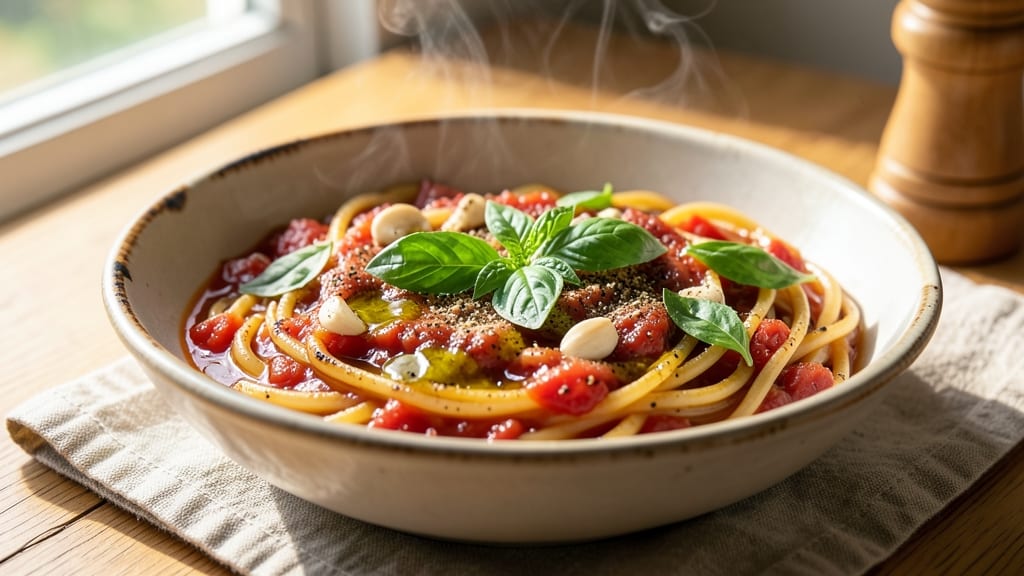
This all natural spaghetti sauce recipe delivers restaurant-quality depth using only fresh ingredients and slow simmering techniques. The secret lies in caramelizing onions and garlic before adding crushed tomatoes, creating complex flavors without artificial preservatives.
Every spoonful reveals rich tomato sweetness balanced by aromatic herbs and warm spices—no shortcuts, just pure, simmered flavor.
What sets this sauce apart is the 30-minute simmer that develops layers of taste while reducing naturally, creating a thick, velvety consistency. I use high-quality canned tomatoes for their concentrated flavor, then build depth with garlic, onion, and a blend of Italian herbs.
The result? A sauce that clings perfectly to pasta without needing additives.
By the time you taste this sauce, you'll understand why homemade always tastes better—intensely tomato-forward with just the right balance of sweetness and acidity. The texture is smooth yet vibrant, with no artificial aftertaste. This is the kind of sauce that transforms simple pasta into a memorable meal.
Perfect for meal prepping or serving fresh, this sauce keeps well in the refrigerator for up to a week and freezes beautifully. The natural ingredients shine even more after a few days as flavors meld. Let's make sauce that tastes like it came from a family kitchen, not a jar.
Ingredients for all natural spaghetti sauce
High-quality ingredients transform into a velvety tomato sauce with restaurant-quality depth.
| Ingredient | Amount | Notes |
|---|---|---|
| Extra-Virgin Olive Oil 🫒 | 2 tbsp | High-quality, fruity variety for caramelization |
| Yellow Onions 🧅 | 2 whole | Thinly sliced for even cooking |
| Garlic Cloves 🧄 | 6 cloves | Minced for aromatic depth |
| San Marzano Crushed Tomatoes 🍅 | 28 oz | High-quality canned tomatoes preferred |
| Dried Italian Seasoning 🌿 | 1 tbsp | Blend of basil, oregano, thyme |
| Fresh Basil Leaves 🌿 | ¼ cup | Chopped at the end for vibrant flavor |
| Red Wine 🍷 | ½ cup | Bold dry red like Cabernet Sauvignon |
| Tomato Paste 🍅 | 2 tbsp | High-quality for concentrated flavor |
| Diamond Crystal Kosher Salt 🧂 | 1 ½ tsp | Adjust to taste during simmering |
| Freshly Ground Black Pepper 🌶️ | ½ tsp | Freshly cracked for optimal flavor |
The foundation begins with San Marzano crushed tomatoes—their natural sweetness and acidity balance perfectly when simmered. For the best results, source these from specialty stores like Whole Foods or Trader Joe's, where you'll find the highest quality. The extra-virgin olive oil should be fruity and peppery, not overly mild—California Olive Ranch or Bertolli are excellent choices. Thinly sliced onions and minced garlic create the aromatic base; caramelize them slowly to develop their natural sugars before adding tomatoes. This step is non-negotiable for depth of flavor, so don't rush it. For the Italian seasoning, Penzeys Spices offers a finely blended mix that elevates the sauce without overpowering it.
No red wine on hand? Dry white wine or additional tomato juice works in a pinch, though the sauce will lack some complexity. Fresh basil is ideal, but dried basil at one-third the amount suffices if needed—just crush it between your fingers to release the oils. The tomato paste can be substituted with additional crushed tomatoes, though the sauce may be slightly less concentrated. For a vegetarian twist, ensure your wine is vegan-certified (some contain animal fining agents). If you prefer a smoother texture, blend the finished sauce briefly, but the hand-chopped fresh basil at the end adds vibrant contrast that a blender can't replicate. The kosher salt is crucial—Diamond Crystal dissolves more easily than table salt, so measure carefully.
This sauce develops beautifully over time, so plan to simmer it for at least 30 minutes to let flavors meld. Store in an airtight container in the refrigerator for up to 7 days, though the flavor actually improves after 2-3 days as the tomatoes continue to break down. For long-term storage, freeze in 1-cup portions for up to 6 months. When reheating, add a splash of water or broth to prevent thickening. The sauce thickens naturally as it cools, so it's perfect for tossing with al dente pasta or drizzling over grilled meats. Double the batch—it disappears faster than you'd expect.
Why You'll Love This Recipe
- No-Fuss Simplicity: I swear by this sauce because it’s the kind of recipe that doesn’t need a degree to pull off. Sauté onions and garlic in olive oil until soft—no fancy techniques, just patience—and the San Marzano tomatoes take over from there. The Italian seasoning does all the heavy lifting, so I’m not stressing over measuring herbs.
- Rich, Uncomplicated Depth: That first spoonful of sauce? It’s where the magic happens—the sweetness of the San Marzano tomatoes caramelizing with the onions, then the garlic hitting you just right. The dried herbs add warmth without overpowering, and honestly? It tastes like the kind of sauce your nonna would make, but I’m the one who actually did it.
- Weeknight to Potluck: This sauce works just as hard on a Tuesday as it does at a holiday spread. Toss it with pasta for a quick dinner, use it as a marinade for chicken, or even drizzle it over grilled veggies. I’ve brought it to BBQs, game nights, and even my book club—no one’s ever asked for seconds quietly.
- Budget-Friendly Pantry Staple: Between us, this sauce is my wallet’s best friend. A can of San Marzano tomatoes, a bulb of garlic, and a jar of dried herbs last me months, and I’m always left with enough for leftovers. Freeze what you don’t use, and boom—next month’s dinner is already sorted. (Yes, even on a Tuesday night.)
Step-by-step instructions for simmered tomato sauce
Mastering this sauce hinges on patience and precise technique—every step builds rich, natural flavor.
Develop Aromatics with Olive Oil and Onions
Heat the 2 tablespoons extra-virgin olive oil in a heavy-bottomed saucepan over medium-low heat. Add the 2 whole yellow onions, sliced into thin half-moons, and cook for 8-10 minutes until they soften and begin to caramelize—you'll notice the edges turn golden and the onions release their natural sweetness.
This slow cooking transforms the onions into a sweet, jammy base. Stir occasionally to prevent burning, but don't rush this step. The deeper the caramelization, the more complex the sauce's foundation. If the onions start to brown too quickly, reduce the heat slightly—you want gradual color development, not charring.
Build Depth with Garlic, Tomato Paste, and Wine
Add the 6 minced garlic cloves and cook for 30 seconds until fragrant—you'll smell that unmistakable garlic aroma that signals readiness. Immediately stir in the 2 tablespoons tomato paste and cook for another 1 minute, allowing it to deepen in color and meld with the onions.
Pour in the ½ cup red wine and scrape up any browned bits from the bottom of the pan with a wooden spoon. This deglazing step captures all that concentrated flavor. Let the wine simmer for 3-4 minutes until it reduces by half and the alcohol burns off completely—you'll notice the liquid darkens and the aroma becomes more complex.
Incorporate Tomatoes and Seasonings
Add the 28 ounces San Marzano crushed tomatoes, stirring to combine with the onion mixture. Sprinkle in the 1 tablespoon dried Italian seasoning, 1½ teaspoons Diamond Crystal kosher salt, and ½ teaspoon freshly ground black pepper. Bring the sauce to a gentle simmer over medium-low heat, then reduce to the lowest setting possible while maintaining a steady simmer.
This sauce needs time to develop its depth—simmer uncovered for 45-60 minutes, stirring occasionally. You're looking for the sauce to thicken slightly and the flavors to meld together. The acidity will mellow, the sweetness will emerge, and the aromatics will integrate completely. Taste occasionally and adjust seasoning if needed, remembering that the sauce will continue to concentrate as it simmers.
Finish with Fresh Basil and Rest
Remove the sauce from heat and stir in the ¼ cup chopped fresh basil leaves. The basil adds vibrant freshness that brightens the rich tomato base. Let the sauce rest for 10-15 minutes before serving—this allows the flavors to fully settle and the basil to infuse without overpowering the dish.
This resting period is crucial. It lets the sauce come together, the basil release its oils, and the textures balance perfectly. The sauce should coat the back of a spoon with a velvety consistency, carrying all the developed flavors in each spoonful. Serve immediately over al dente spaghetti, reserving some pasta water to adjust thickness if needed.
Pro Tips For Making All Natural Spaghetti Sauce
- Cook Onions Low: Start your onions on medium-low heat—no need to rush. I used to blast them and end up with bitter, charred bits that ruined the whole sauce. Let them sweat for 8-10 minutes until they’re translucent and just starting to caramelize, then add the garlic.
- Crush Tomatoes By Hand: Skip the can opener and crush the San Marzano tomatoes with your fingers—yes, it’s messy, but it breaks down the skins better than a blender. This gives you a smoother, more velvety texture without adding unnecessary water or pulp.
- Salt the Tomatoes Early: Add a pinch of salt to the crushed tomatoes right after they hit the pot. It draws out excess moisture and helps thicken the sauce naturally as it simmers. I learned this after making sauce that was always too watery, no matter how long I cooked it.
- Simmer Uncovered, Then Cover: Let the sauce bubble uncovered for the first 20 minutes to evaporate surface liquid, then cover loosely with a lid or foil. This keeps flavors concentrated without steaming the seasoning out. I used to cover too early and ended up with a dull, flat-tasting sauce.
Common mistakes when making this recipe
Rushing the Simmer
I see this all the time—skipping the 45-60 minute simmer and expecting restaurant-quality flavor in half the time. The magic happens during this slow cook, where the tomatoes break down naturally, releasing sweetness and mellowing acidity.
If you rush it, your sauce will taste raw and unbalanced. Think of it like making tea: the longer it steeps, the deeper the flavor. 🌡️
Pro tip: Set a timer and resist the urge to peek. Every time you lift the lid, you lose heat and moisture. Trust the process—your patience will pay off with a sauce that sings with complexity.
Skipping the Caramelization
Some cooks add garlic and tomatoes immediately without caramelizing the onions first. Big mistake! Those onions should turn golden and sweet—this step builds the sauce's foundation.
If you skip it, your sauce will taste flat and one-dimensional. I once made sauce without caramelizing, and it lacked that rich, jammy depth I love.
Take your time here. Use medium-low heat and stir occasionally. The onions should soften and develop a beautiful golden hue before moving to the next step. This is where the flavor transformation begins.
Using Low-Quality Tomatoes
Not all crushed tomatoes are created equal. Using store-brand or low-quality canned tomatoes will result in a watery, bland sauce. I always recommend San Marzano tomatoes—their natural sweetness and low acidity create the perfect balance.
If you can't find them, look for whole peeled tomatoes and crush them yourself for better texture.
Pro move: Drain the tomatoes before using to remove excess liquid. This prevents a thin, soupy sauce. The concentrated flavor makes all the difference in the final product.
Over-Salting Early
Adding all the salt at once is a common rookie error. The sauce will taste fine initially, but as it simmers and reduces, the salt concentration increases dramatically.
You'll end up with an overly salty sauce that's impossible to fix. Instead, add half the salt at the beginning and taste as you go, adjusting gradually.
Remember: You can always add more salt, but you can't take it out. I usually add another pinch after 30 minutes of simmering to ensure perfect balance.
Ignoring the Resting Period
Many people can't wait to serve their sauce immediately after cooking. But that 10-15 minute rest is crucial. It allows the flavors to meld completely and the basil to release its oils without overpowering.
Skipping this step means you're missing out on the sauce's full potential—it'll taste fresh but not fully developed.
Think of it like letting a fine wine breathe. The resting period lets all the components come together harmoniously. Trust me, your taste buds will thank you.
Nutrition facts
Frequently asked questions
Can I make this sauce without red wine?
Replace the ½ cup red wine with ½ cup dry white wine or ½ cup tomato juice for a similar acidity profile. For a completely alcohol-free version, use ½ cup vegetable broth> with 1 teaspoon balsamic vinegar to maintain depth. The wine adds complexity, but these substitutes work well in a pinch.
How do I adjust the thickness of the sauce?
If your sauce is too thin after simmering, simmer uncovered for 10-15 more minutes to reduce naturally. For instant thickening, mix 1 tablespoon tomato paste> with 1 tablespoon water and stir in. If it's too thick, add ¼ cup pasta water> (salted to match) and stir gently. Avoid adding plain water—it dilutes the flavor.
Can I use fresh tomatoes instead of canned?
Yes, but you'll need 4-5 large ripe tomatoes> (about 2 pounds) for equivalent yield. Peel, seed, and crush them before using. Fresh tomatoes work best in summer when they're at peak ripeness. For a smoother texture, strain out seeds through a fine-mesh sieve before adding to the sauce.
How long will this sauce keep in the fridge?
This all-natural sauce stays fresh in an airtight container in the refrigerator for 7-10 days. The flavor actually improves after 2-3 days as the tomatoes continue breaking down. For longer storage, freeze in 1-cup portions for up to 6 months. Thaw overnight in the fridge before reheating.
What's the best way to reheat leftover sauce?
Gently reheat on the stovetop over low heat with a splash of water or broth to prevent scorching. Avoid microwaving—it can make the sauce watery. For best results, reheat only until warmed through, then add a pinch of salt and fresh basil to revive the flavors. The sauce thickens as it cools, so adjust consistency with pasta water as needed.