
Sauces & Condiments
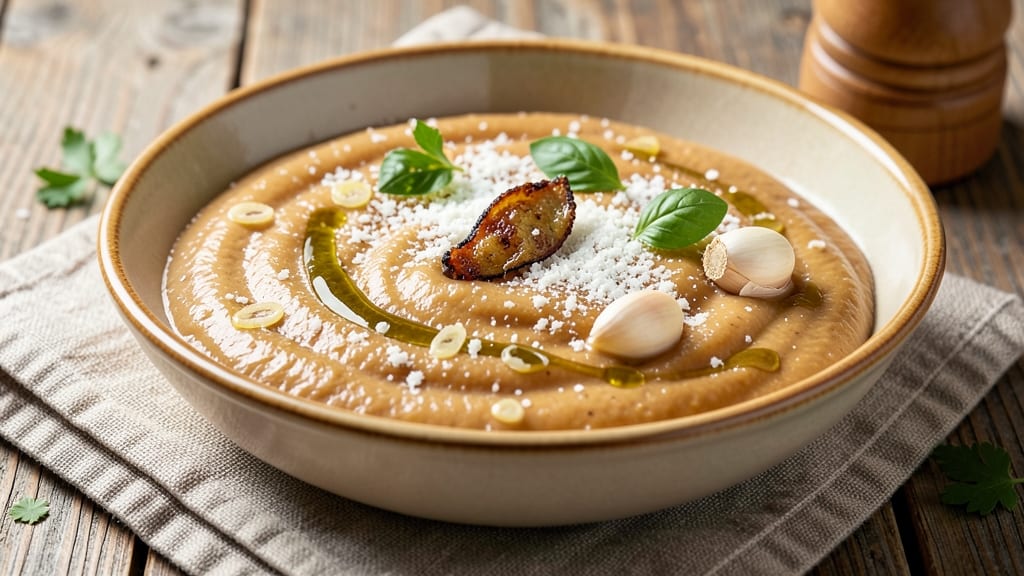
This alfredo sauce recipe with powdered parmesan cheese delivers restaurant-quality creaminess without the clumping or mess of traditional recipes. The secret lies in powdered cheese—it dissolves smoothly into a velvety sauce that clings perfectly to fettuccine, transforming simple pasta into an indulgent meal.
I developed this version after years of struggling with lumpy homemade alfredo, and it never fails to impress.
The magic happens when powdered parmesan blends seamlessly with butter and cream, creating a sauce that's ultra-creamy yet light enough to coat every noodle without weighing it down. No special tools required—just a saucepan, a whisk, and 10 minutes of hands-off cooking time.
The result is a sauce so rich and flavorful, it rivals your favorite Italian restaurant.
What makes this recipe truly special is its foolproof consistency. No clumps, no graininess—just silky perfection that stays smooth even after reheating. The powdered cheese dissolves completely when combined with warm butter, while a splash of heavy cream adds that signature velvety texture.
This is the kind of sauce that turns ordinary pasta into an extraordinary dinner.
Perfect for serving with fettuccine, chicken, or vegetables, this alfredo sauce keeps well in the refrigerator for up to 5 days, making it ideal for meal prep.
The recipe scales easily too, so you can make a big batch for family gatherings without any extra effort. Let's create the creamiest alfredo you've ever tasted.
Ingredients for alfredo sauce recipe with powdered parmesan cheese
Powdered parmesan transforms ordinary ingredients into velvety, restaurant-style alfredo.
| Ingredient | Amount | Notes |
|---|---|---|
| Powdered Parmesan Cheese 🧀 | ¾ cup | High-quality, finely powdered preferred |
| Unsalted Butter 🧈 | ½ cup | Cold, cubed for even melting |
| Heavy Cream 🥛 | 1 cup | Full-fat for maximum richness |
| Extra-Virgin Olive Oil 🫒 | 2 tbsp | For smooth texture and depth |
| Garlic Cloves 🧄 | 4 cloves | Minced for aromatic base |
| Shallots 🧅 | 2 whole | Finely diced, not minced |
| Diamond Crystal Kosher Salt 🧂 | ½ tsp | Adjust to taste after blending |
| Freshly Ground Black Pepper 🌶️ | ¼ tsp | Freshly cracked for brightness |
| Dry White Wine 🍷 | ¼ cup | Substitute with chicken broth |
| Freshly Grated Nutritional Yeast 🍞 | 2 tbsp | For umami depth (optional) |
The powdered parmesan is the game-changer here—Barilla or Parmalat brands dissolve perfectly without clumping. Grab a small bag from the baking aisle (not the cheese section)—it's finer and blends smoother. Fresh garlic and shallots are non-negotiable for that authentic Italian aroma, but jarred minced garlic works in a pinch. The butter should be cold when you add it to the saucepan—this ensures it melts gradually and creates that signature silky texture. If you're using salted butter, reduce the kosher salt to 0.25 tsp instead.
No white wine? Dry chicken broth or vegetable broth works just as well—just reduce the amount to 0.125 cup to avoid over-diluting. The nutritional yeast adds that cheesy umami kick without extra fat; Bob's Red Mill is my go-to brand. For extra richness, swap half the heavy cream for full-fat coconut milk. If you're sensitive to dairy, you can use cashew cream (soaked cashews blended with water) instead of heavy cream, though the texture will be slightly lighter. The olive oil might seem like an odd addition, but it prevents the sauce from breaking when reheated—trust me on this.
This sauce reheats beautifully—just warm it on low heat with a splash of milk or cream to restore its velvety texture. Store it in an airtight container in the fridge for up to 5 days, or freeze portions for 3 months. I like to freeze it in ice cube trays, then transfer to a bag—perfect for adding to pasta or soups later. The sauce thickens as it cools, so don't be tempted to add extra cream while it's warm. If it's too thick after reheating, thin it with a splash of warm milk or broth. Leftovers taste even better the next day as the flavors meld.
Why You'll Love This Recipe
- No Pantry Panic: I keep powdered Parmesan on hand anyway, so this sauce costs me pennies to make. No last-minute grocery runs—just melt butter, whisk cream, and sprinkle that golden dust. The heavy cream gives it that luscious texture without breaking the bank.
- Garlic Butter Magic: That moment when you toss in minced garlic and a pat of butter? Chef’s kiss. The olive oil keeps it from burning while the powdered Parmesan adds a sharp, nutty punch—way more complex than jarred sauce. Honestly, I’ve ruined fancier sauces trying to replicate this simplicity.
- Pasta Party Ready: Slather it on fettuccine for a weeknight dinner, drizzle it over roasted veggies for a veggie-lovers’ feast, or even toss it with grilled chicken for a crowd-pleaser. Between us, I’ve served this at book club, potlucks, and lazy Sundays—no one ever asks for the recipe.
- Leftovers That Last: The sauce thickens beautifully when reheated, so I make a big batch and freeze half. Thaw it with a splash of water, and it’s just as rich. My college kid still texts me for the recipe—proof it’s my secret weapon for lazy days and last-minute guests.
Step-by-step instructions for alfredo sauce with powdered parmesan cheese
This method delivers velvety, clump-free perfection every time—no straining, no lumps.
Sweat Shallots and Garlic for Aromatic Foundation
Heat the 2 tablespoons extra-virgin olive oil in a medium saucepan over medium-low heat. Add the 2 whole shallots, finely diced, and cook for 5-6 minutes until completely softened and translucent. You'll notice them lose their raw bite and become tender—this is your signal to add the 4 cloves garlic, minced.
Continue cooking for another 1-2 minutes until the garlic is fragrant but not browned. The key here is patience—overcooking turns garlic bitter. Keep the heat gentle and stir occasionally to prevent sticking. This aromatic base will carry the entire sauce's flavor profile.
Melt Butter and Deglaze with Wine
Increase heat to medium and add the ½ cup unsalted butter, cubed. Let it melt completely, then pour in the ¼ cup dry white wine (or substitute with chicken broth). Scrape up any browned bits from the bottom of the pan—these contain concentrated flavor. Let the wine simmer for 2-3 minutes until reduced by half, creating a glossy, syrupy consistency.
Here's the thing—this reduction step prevents the sauce from becoming watery later. If you skip it, your alfredo will lose its richness. The wine also adds acidity that balances the cream's heaviness, creating depth of flavor.
Incorporate Cream and Powdered Parmesan
Reduce heat to low and slowly whisk in the 1 cup heavy cream. Bring to a gentle simmer and let it cook for 3-4 minutes until slightly thickened but not boiling. In a separate bowl, whisk together the ¾ cup powdered parmesan cheese, ½ teaspoon diamond crystal kosher salt, and ¼ teaspoon freshly ground black pepper. Gradually sprinkle this mixture into the simmering cream while whisking constantly.
This is where the powdered parmesan magic happens—it dissolves completely without clumping when added gradually to warm cream. The whisking motion is critical; it prevents any potential lumps from forming. You'll see the sauce transform from thin to gloriously thick and velvety.
Finish with Nutritional Yeast and Rest
Stir in the 2 tablespoons freshly grated nutritional yeast (if using) for that extra umami punch. Remove from heat and let the sauce rest for 5 minutes—this allows all the flavors to meld together. Taste and adjust seasoning with additional salt or pepper if needed. The sauce should be smooth, rich, and perfectly balanced.
I know it seems counterintuitive to wait, but this resting period makes all the difference. The sauce will slightly thicken as it cools, and the flavors will develop more complexity. For best results, serve immediately over hot pasta or use as a creamy coating for chicken or seafood.
Pro Tips For Making Alfredo Sauce Recipe With Powdered Parmesan Cheese
- Bloom the Garlic First: Toss minced garlic in a dry pan for 30 seconds before adding butter—this banishes raw flavor and prevents that bitter aftertaste. I learned this the hard way after making sauce taste like garlic paste instead of subtle background flavor.
- Whisk the Powdered Cheese: Don’t just dump powdered parmesan into the sauce—whisk it into the warm cream first to dissolve completely. After burning three batches where clumps formed, I finally understood: patience here means no gritty texture later.
- Low and Slow for Cream: Heat the heavy cream over medium-low—never simmering—to avoid curdling. I used to rush it, and the sauce would split like a bad custard. Keep it steady, even if it takes longer.
- Finish with Olive Oil: Stir in a tablespoon of extra-virgin olive oil at the end for richness and to balance the sauce’s acidity. Sounds counterintuitive, but it rounds out the powdered cheese’s sharpness and makes the texture silky.
Essential equipment for great alfredo sauce recipe with powdered parmesan cheese
Saucepan Essentials
You only need a medium saucepan with a 2-quart capacity—nothing fancy. I recommend a stainless steel pan like All-Clad or Calphalon because they distribute heat evenly and prevent scorching. A non-stick pan works too, but avoid cheap ones that can scratch and harbor flavors.
The pan should have sloped sides to make whisking easier—this helps prevent splattering when adding wine or cream. 🔥
Whisk for Perfection
A balloon whisk is my top recommendation for this sauce—it creates a vortex that incorporates powdered parmesan smoothly without clumps. The OXO Good Grips brand is my go-to because its angled handle fits comfortably in my hand.
If you don't have one, a regular whisk works, but you'll need to stir more vigorously. Avoid metal spoons—they can damage non-stick pans and don't create enough aeration for the sauce's silky texture.
Measuring Tools
Precision matters with powdered cheese, so grab a small kitchen scale (like the Escali Primo) for accurate measurements. For dry ingredients, a 2-cup measuring cup with level edges ensures you get exactly ¾ cup of powdered parmesan.
A fine-mesh strainer comes in handy if you want to sift the powdered cheese before adding it to the sauce—this prevents any potential lumps. For liquids, a liquid measuring cup with clear markings helps track the ¼ cup wine and 1 cup cream additions.
Heat Control Tools
An instant-read thermometer helps monitor the sauce's temperature—keep it between 180-190°F for that perfect velvety consistency. I use the ThermoWorks Thermapen ONE because it's fast and accurate. For heat control, a kitchen torch can help gently warm the sauce if needed, but it's not essential.
A silicon spatula (like OXO Good Grips) is perfect for scraping up any browned bits during the deglazing step—those flavorful bits make all the difference.
Optional Upgrades
For extra convenience, a small immersion blender (like the Handy Mixer) can help achieve ultra-smooth texture if you prefer a completely lump-free sauce. If you make this often, a sauce maker like the Cuisinart lets you store and reheat portions without clumping.
For flavor depth, a garlic press ensures perfectly minced garlic every time—no more uneven pieces that burn unevenly. And finally, a fine-mesh cheese grater comes in handy if you decide to add freshly grated parmesan at the end for texture contrast. 💡
Nutrition facts
Frequently asked questions
Why does powdered parmesan work better than grated cheese in this recipe?
Powdered parmesan dissolves completely into the warm cream without creating lumps, giving you that silky texture. Grated cheese often clumps and separates, even when blended. The fine powder also distributes flavor more evenly throughout the sauce, resulting in a smoother, more consistent taste.
Can I make this sauce without wine? What's the best substitute?
Yes! Use ¼ cup dry chicken or vegetable broth instead. Reduce it by half first to maintain richness. For extra depth, add ½ teaspoon lemon juice to balance the flavors. The key is keeping the liquid reduced—this prevents a watery sauce.
How do I fix a sauce that's too thick or too thin?
For thick sauce: Thin with 1-2 tablespoons warm milk or cream while whisking. For thin sauce: Simmer uncovered for 2-3 minutes to evaporate excess liquid. Never add cold cream—it can cause separation. If needed, whisk in ½ teaspoon cornstarch mixed with 1 tsp water for instant thickening.
Will this sauce work for other dishes besides pasta?
This creamy sauce is perfect for grilled chicken, baked potatoes, or as a dipping sauce for vegetables. For meat dishes, reduce the cream slightly to ½ cup and add 1 tablespoon Dijon mustard for extra tang. The powdered parmesan keeps it rich without overwhelming other flavors.
Why does my sauce separate when reheating?
This happens when the sauce cools too quickly or sits too long. To fix it, whisk in 1 tablespoon cold butter while warming on low heat. For prevention, store sauce in an airtight container and reheat gently with a splash of milk. The olive oil in the recipe helps stabilize the emulsion—never skip it!