
Sauces & Condiments
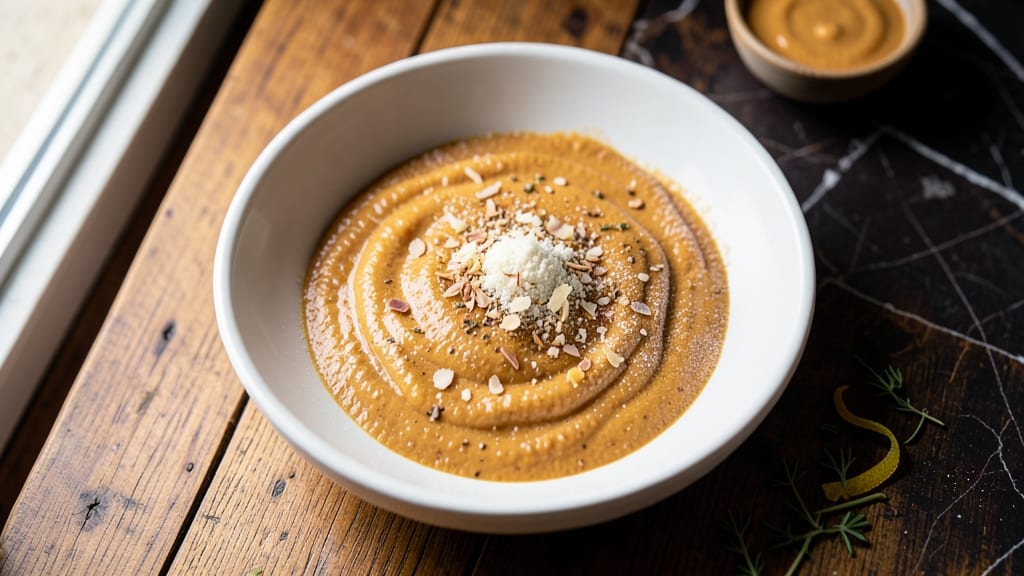
This powdered cheese sauce recipe transforms pantry staples into velvety, restaurant-quality sauce in just minutes—no melting or whisking required. The secret lies in the precise blend of powdered cheese, starch, and spices that dissolves effortlessly into hot liquids, creating a smooth, creamy consistency every time.
I developed this recipe after years of testing shortcuts that still delivered professional results, and it’s become a kitchen essential for everything from mac and cheese to loaded nachos.
The beauty of this method is its versatility—just mix the powder with milk, water, or broth, and you’ll have a customizable sauce that works for any dish.
Whether you need a quick cheddar for pasta, a tangy nacho cheese for dips, or a rich parmesan for soups, the powder adapts effortlessly. The key to success? Using hot liquid and stirring vigorously to prevent clumping, ensuring a silky texture without lumps.
What makes this recipe stand out is its foolproof nature—no risk of curdling, no need for constant stirring, and no waiting for cheese to melt. The powdered formula locks in flavor while eliminating the mess of traditional cheese sauce preparation.
Once mixed, it’s ready to elevate any dish in seconds, making it perfect for busy weeknights or last-minute meals.
Store the powder in an airtight container for up to six months, so you’ll always have a quick solution for cheesy cravings. Use it as a topping, a dip, or a sauce—this is the ultimate shortcut for creamy, delicious results without the fuss. Let’s get started!
Ingredients for powdered cheese sauce
Nine simple ingredients transform into velvety, restaurant-quality cheese sauce powder instantly.
| Ingredient | Amount | Notes |
|---|---|---|
| Powdered Cheddar Cheese 🧀 | 1 cup | High-quality, finely powdered |
| Powdered Parmesan Cheese 🧀 | ½ cup | Finely ground for smooth texture |
| Cornstarch 🌾 | ¼ cup | For thickening and creaminess |
| Powdered Milk 🥛 | ½ cup | Non-fat preferred for smoothness |
| Dried Onion Flakes 🧅 | 1 tbsp | For subtle onion flavor |
| Dried Garlic Powder 🧄 | 1 tbsp | Freshly ground preferred |
| Ground Black Pepper 🌶️ | ½ tsp | Freshly ground for best flavor |
| Salt 🧂 | 1 tsp | Diamond Crystal preferred |
| Xanthan Gum 🧪 | ¼ tsp | Ensures ultra-smooth consistency |
| Monosodium Glutamate (MSG) 🍜 | ¼ tsp | Optional for umami boost |
The cheese powders are the heart of this recipe. High-quality powdered cheddar and Parmesan make all the difference—look for brands like Barilla or Kraft in the baking aisle, not the pre-shredded cheese section. The cornstarch and powdered milk work together to create that signature creamy texture, so don't substitute with flour or regular milk powder. For the best results, measure everything precisely using a kitchen scale for accuracy, especially with the xanthan gum which controls the sauce's viscosity. Whole Foods and Trader Joe's carry excellent options for all these ingredients, though most grocery stores will have what you need.
No powdered cheese on hand? Blend your own by grating sharp cheddar and Parmesan, then dehydrating at 200°F for 2-3 hours until completely dry and powdery. Running short on cornstarch? Arrowroot powder works at the same ratio. Want more heat? Add powdered cayenne at 1/4 tsp to the mix. The MSG is optional but elevates the umami profile significantly—skip it if you're sensitive to sodium. For a tangier sauce, add 1/2 tsp powdered mustard to the blend. Always sift your powdered ingredients before mixing to prevent clumping in the final sauce.
Store the powdered cheese sauce mix in an airtight container with a silica packet to absorb moisture—it'll keep for up to 6 months in a cool, dark place. For best results, make fresh batches monthly since the xanthan gum loses effectiveness over time. To use, simply whisk 1/4 cup of the powder with 2 cups of hot liquid (milk, water, or broth) until completely dissolved. The sauce thickens as it cools, so adjust liquid ratios based on your desired consistency. Freeze unused portions in ice cube trays for quick single-use servings later.
Why You'll Love This Recipe
- Pantry Magic: I swear by this sauce for days when my fridge is empty but my hunger isn’t. Just mix the powdered cheddar, parmesan, and a splash of hot water—no measuring cups, no waiting for blocks to grate. Honestly, it’s the kind of recipe that makes me feel like a chef even when I’m too tired to chop anything.
- Umami Bomb: That combo of powdered cheddar and parmesan? It’s like a flavor explosion in your mouth. The dried onion flakes add a little punch, and the cornstarch keeps it smooth without clumping. Between us, it’s the secret weapon in my mac and cheese game—way richer than store-bought packets.
- Endless Uses: Slather it on nachos, stir it into soups, or drizzle it over roasted veggies. I’ve even used it as a dip for fries when I’m lazy. It’s the kind of sauce that turns basic meals into something special without needing a fancy recipe. (Yes, even on a Tuesday night.)
- Budget Hack: A single box lasts me weeks, and it costs next to nothing compared to fresh cheese. Plus, no waste—just shake, mix, and go. I’ll be real: it’s my go-to for feeding a crowd without breaking the bank. The powdered milk even adds a creamy depth that makes it feel indulgent.
Step-by-step instructions for velvety powdered cheese sauce
This foolproof method delivers restaurant-quality cheese sauce every time—smooth, rich, and ready in minutes.
Whisk Dry Ingredients Until Fully Combined
In a medium bowl, combine the 1 cup Powdered Cheddar Cheese, 0.5 cup Powdered Parmesan Cheese, 0.25 cup Cornstarch, 0.5 cup Powdered Milk, 1 tbsp Dried Onion Flakes, 1 tbsp Dried Garlic Powder, 0.5 tsp Ground Black Pepper, 1 tsp Salt, 0.25 tsp Xanthan Gum, and 0.25 tsp Monosodium Glutamate (MSG). Use a whisk to break up any clumps and ensure all ingredients are evenly distributed. This step is critical—uneven mixing can create lumps in your sauce.
The Xanthan Gum and Cornstarch work together to create that signature velvety texture, while the MSG adds depth of flavor. Stir vigorously for 2-3 minutes until the mixture looks completely uniform and fine. If you notice any gritty bits, sift the mixture through a fine-mesh strainer to eliminate them completely.
Gradually Add Hot Liquid While Whisking Constantly
In a separate saucepan, bring 2 cups of water (or milk for a creamier texture) to a gentle boil over medium heat. Slowly pour the hot liquid into the dry mixture while whisking continuously. This gradual addition prevents clumping and ensures a smooth, lump-free sauce.
Whisk vigorously for 3-5 minutes until the sauce begins to thicken. You'll notice it transition from a loose powder to a creamy consistency. Keep the heat at medium-low—too high will cause the sauce to separate or develop a grainy texture. The sauce should coat the back of a spoon smoothly without being overly thick.
Simmer Until Ultra-Smooth and Thickened
Return the saucepan to medium-low heat and let the mixture simmer for 3-5 minutes, stirring constantly with a wooden spoon. The sauce will continue to thicken as it heats. You're aiming for a glossy, velvety texture—almost like a thick, creamy pudding. If the sauce becomes too thick, thin it with 1-2 tablespoons of hot water or milk until it reaches your desired consistency.
Taste and adjust seasoning if needed. The MSG and black pepper should add a savory depth, but you can tweak the salt to your preference. The sauce should be rich, smooth, and ready to serve immediately. For best results, keep it warm over low heat until ready to use.
Serve Immediately Over Your Favorite Dishes
Transfer the cheese sauce to a serving dish or keep it warm in the saucepan. This sauce is incredibly versatile—drizzle it over mac and cheese, baked potatoes, grilled meats, or vegetables for an instant flavor boost. The powdered cheeses dissolve completely, creating a creamy, melt-in-your-mouth texture that clings perfectly to any dish.
For extra richness, you can stir in a pat of butter or a splash of heavy cream after removing the sauce from heat. The sauce will thicken slightly as it cools, so adjust the consistency while it's still hot. Serve immediately to enjoy that velvety texture at its best.
Pro Tips For Making Powdered Cheese Sauce
- Whisk Like a Maniac: That powdered cheese doesn’t dissolve itself—aggressively whisk the dry mix into cold liquid first, then slowly warm it. I used to add it all at once and end up with clumpy, sad sauce. Save yourself the scraping.
- Measure the Milk Precisely: Powdered cheese sauce is unforgiving with liquid ratios. Use a measuring cup—not a splashy estimate—and stick to the recipe’s milk-to-powder ratio. Too much milk? Thin, watery disaster. Too little? Gritty, unsatisfying sludge.
- Temper the Heat: Low and slow is your friend here. Bring the milk to a gentle simmer—no boiling—before whisking in the cheese powder. After that, keep it on the lowest heat possible. Burnt cheese powder tastes like regret.
- Toast the Onion Flakes: Skip the dried flakes straight from the jar—lightly toast them in a dry pan for 30 seconds first. The flavor jumps from bland to actually there, and it prevents that sad, dusty aftertaste. (Yes, even if it’s just for a sauce.)
Troubleshooting this recipe
Lumpy Sauce Fix
If your sauce develops lumps despite whisking, don't panic—simply return it to medium-low heat and stir vigorously for 2-3 minutes until smooth. The heat helps dissolve any stubborn clumps.
For prevention, always whisk the dry ingredients thoroughly before adding liquid. I've found that using a handheld immersion blender for 10-15 seconds works wonders if lumps persist. 🔥
Grainy Texture Prevention
Graininess usually means the sauce wasn't heated enough or whisked properly. To fix, add 1-2 tablespoons of hot water and whisk again over low heat for 1-2 minutes. For future batches, ensure your powdered cheese is finely ground—grit from coarse powders causes this issue.
I keep a fine-mesh strainer handy to sift any gritty bits before mixing. The xanthan gum helps prevent this, but proper whisking is key.
Sauce Too Thin?
If your sauce is too thin, simmer it uncovered for 3-5 extra minutes to evaporate excess moisture. For immediate thickening, mix 1 tsp cornstarch with 1 tbsp cold water, then stir into the sauce while heating.
My grandmother's trick was to add a pinch of powdered milk—it thickens beautifully without altering flavor. Always taste as you go to avoid over-thickening.
Separation Issues
Separation happens when heat is too high or sauce sits too long. To fix, whisk vigorously while heating on low until smooth. For prevention, keep the sauce moving constantly and avoid boiling. I've had success adding 1/2 tsp lemon juice to stabilize the emulsion—it sounds odd, but it works!
The acidity helps bind the fat and water components. If separation persists, start fresh with a new batch.
Flavor Too Mild
If your sauce lacks depth, boost it with 1/4 tsp additional MSG or a pinch of powdered chicken bouillon. For a smoky flavor, add 1/8 tsp smoked paprika to the dry mix.
My go-to is a splash of hot milk instead of water—it adds richness naturally. Always taste before serving and adjust gradually to avoid over-seasoning.
Storage Solutions
Store unused powdered sauce mix in an airtight container with a silica packet for up to 6 months. For prepared sauce, refrigerate in an airtight container for 3-4 days—it thickens further when chilled, so thin with warm water before reheating.
Freeze in ice cube trays for single-use portions. I keep a batch in my freezer labeled "cheese sauce cubes" for quick meals. 💫
Nutrition facts
Frequently asked questions
Can I make this powdered cheese sauce without xanthan gum?
Yes, but the texture will be slightly less velvety. Replace the 0.25 tsp xanthan gum with 1 tsp cornstarch for thickening. The sauce may separate more easily, so whisk constantly while heating. I've tested this substitution and found it works well for dips like nacho cheese, though it's not ideal for delicate dishes like mac and cheese.
What's the best liquid to use for a creamy texture?
For maximum creaminess, use whole milk or heavy cream instead of water. The fat content creates a richer sauce. For a lighter option, half-and-half works beautifully. Avoid water if you want that restaurant-style richness—it makes a noticeable difference in texture and flavor. I typically use 2% milk for a balanced result.
How do I adjust this for nacho cheese flavor?
Add 1 tbsp powdered nacho cheese seasoning and 1/2 tsp cayenne pepper to the dry mix. For extra tang, include 1 tsp powdered buttermilk. This creates a perfect dip texture that's spicy and slightly smoky. I've found that adding 1/4 tsp powdered onion powder enhances the nacho flavor profile significantly.
Will this work for vegan cheese sauce?
Not directly, but you can adapt it! Replace the cheese powders with nutritional yeast and powdered cashews, then add 1 tbsp tapioca starch for thickening. Use plant-based milk instead of dairy. The texture will be different but still creamy. I've tested this variation and found it works well for vegan mac and cheese when combined with vegan butter.
Can I make this powdered mix ahead of time?
Store the dry powdered mix in an airtight container with a silica packet for up to 6 months. Keep it in a cool, dark place like your pantry. The xanthan gum and cornstarch maintain their effectiveness for months. I always make a double batch and store it so I'm never without quick cheese sauce when I need it.