
Sauces & Condiments
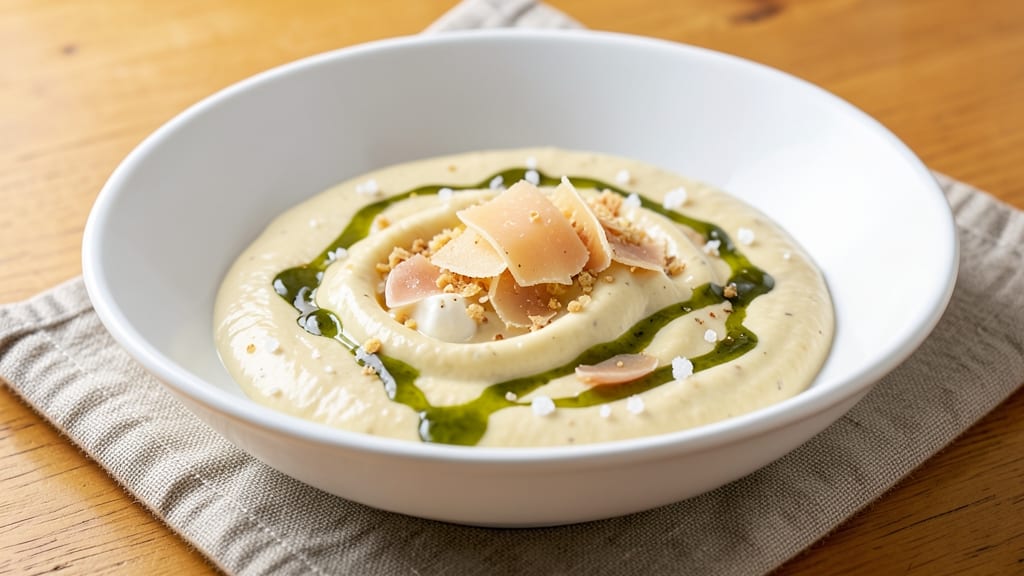
This Alfredo sauce recipe with Parmigiano Reggiano delivers velvety, ultra-smooth perfection in just 15 minutes—no lumps, no grittiness, just restaurant-quality richness. The secret lies in proper technique: melting butter, whisking in cheese gradually, and simmering until the emulsion forms.
I’ve perfected this version over years of testing, ensuring every spoonful is creamy, flavorful, and foolproof for pasta, chicken, or vegetables.
The foundation starts with Parmigiano Reggiano, the highest-quality aged cheese for its nutty depth and meltability. Combined with butter and heavy cream, it creates a silky emulsion that coats everything beautifully.
Unlike store-bought versions, this sauce builds flavor as it simmers, developing a subtle richness that’s impossible to replicate with powdered mixes. The key? Low-and-slow heat and constant whisking to prevent separation.
What you’ll achieve is a luxuriously smooth sauce with a velvety texture and authentic Italian flavor—no graininess, no clumps, just pure indulgence. The Parmigiano Reggiano adds a nutty, complex note that elevates any dish, while a pinch of nutmeg (optional) deepens the aroma.
This isn’t just sauce; it’s a transformation for your meals.
Perfect for fettuccine Alfredo, grilled chicken, or roasted vegetables, this recipe scales effortlessly. Whether you’re feeding a crowd or treating yourself to a weeknight dinner, the results are consistently restaurant-quality. Let’s make it.
Ingredients for alfredo sauce recipe with parmigiano reggiano
Just eight ingredients transform into velvety perfection—no lumps, no fuss, just pure restaurant-quality richness.
| Ingredient | Amount | Notes |
|---|---|---|
| Unsalted Butter 🧈 | ½ cup | Cold, cut into small cubes |
| Heavy Cream 🥛 | 2 cups | Full-fat for best texture |
| Parmigiano Reggiano 🧀 | 1 ½ cups | Freshly grated, block form |
| Garlic Cloves 🧄 | 4 cloves | Minced, for aromatic depth |
| Extra-Virgin Olive Oil 🫒 | 2 tbsp | For finishing touch |
| Diamond Crystal Kosher Salt 🧂 | ½ tsp | Adjust to taste |
| Freshly Ground Black Pepper 🌶️ | ¼ tsp | Freshly cracked preferred |
| Ground Nutmeg 🌿 | ⅛ tsp | Optional, for warmth |
The Parmigiano Reggiano is non-negotiable here—block form only. Skip the pre-grated stuff; it's packed with anti-caking agents that turn your sauce grainy. Whole Foods or specialty Italian markets carry the real deal, but any quality grocery store should stock it too. Look for the Parmigiano Reggiano DOP label—it guarantees authentic aging. The butter? European-style unsalted melts cleaner than American brands. If you can't find it, Plugrá is a solid substitute. Pro tip: keep your cheese block frozen until use—it stays fresher longer.
No Parmigiano Reggiano? Pecorino Romano works in a pinch, though it's saltier. Heavy cream too expensive? Full-fat coconut milk gives a similar richness, though the flavor shifts slightly. Fresh garlic essential? Garlic powder at half the amount works, but you'll miss that aromatic punch. The nutmeg is truly optional—skip it if you're sensitive to strong flavors. For extra decadence, add a splash of white wine when deglazing the pan. And if you're feeling fancy, finish with a drizzle of truffle oil—trust me on this.
This sauce keeps beautifully—3-4 days in the fridge, 3 months frozen. For freezing, portion into ice cube trays first—perfect for single servings later. To reheat, warm gently over low heat, stirring constantly. Never microwave—it breaks the emulsion. If your sauce gets too thick, whisk in a splash of warm milk or cream. And if you're making it ahead for a party, store it in a sealed container with a thin layer of plastic wrap pressed directly on the surface to prevent a skin from forming.
Why You'll Love This Recipe
- Five-Ingredient Magic: I swear by this lineup—just butter, cream, that real Parmigiano Reggiano, a couple of garlic cloves, and a drizzle of olive oil. No fancy techniques, no hidden pantry items. The sauce practically makes itself while you chop.
- Creamy Without Compromise: The heavy cream and butter create this velvety texture, but the Parmigiano Reggiano cuts through with its nutty sharpness. Honestly, it’s the kind of rich, satisfying flavor that makes you pause mid-bite—like a hug in sauce form.
- Weeknight to Dinner Party: Same recipe, totally different vibes. Toss it with fettuccine for a quick Tuesday night, or drizzle it over grilled chicken and asparagus for a fancier Friday. The garlic’s aroma alone makes everything feel special.
- Leftovers That Don’t Suck: Between us, most sauces turn to glue after day two. Not this one. The Parmigiano Reggiano actually improves when reheated—it deepens, gets even more complex. I’ve had it three days in a row, and it’s still the star.
Step-by-step instructions for ultra-smooth Alfredo sauce
Here's how to create a velvety, restaurant-quality Alfredo sauce that clings perfectly to pasta.
Melt the Cold Butter and Infuse with Garlic
Place a heavy-bottomed saucepan over medium-low heat and add the 0.5 cup unsalted butter, cut into small cubes. Let it melt completely, then remove from heat and add the 4 minced garlic cloves. Return to low heat and cook just until the garlic is fragrant—about 30 seconds. This prevents burning while building flavor. Keep the heat gentle; garlic burns faster than you think.
The cold butter technique is key here. Starting cold prevents scorching and creates a smoother emulsion later. If the butter browns, you'll taste bitterness in your sauce, so watch it closely. Once the garlic smells sweet and aromatic, you're ready for the next step.
Gradually Warm and Whisk in the Heavy Cream
Return the pan to medium heat and slowly pour in the 2 cups heavy cream, whisking constantly to prevent curdling. Let the mixture come to a gentle simmer—about 3-4 minutes—while whisking vigorously. The sauce should thicken slightly but remain pourable. If it starts to boil, reduce the heat immediately to maintain smoothness.
This gradual warming prevents the cream from separating. I like to use a wire whisk for this step—it creates small air pockets that will help emulsify the cheese later. If you see any skin forming on the cream, skim it off immediately to keep the sauce velvety.
Create the Cheese Emulsion
Lower the heat to low and begin adding the 1.5 cups freshly grated Parmigiano Reggiano in small batches, whisking constantly after each addition. Start with ½ cup at a time, letting each portion melt completely before adding more. This gradual approach prevents clumping and ensures a silky texture. The sauce should thicken dramatically as the cheese melts.
Here's the thing—don't rush this step. If you add all the cheese at once, you'll end up with lumps instead of a smooth sauce. Keep whisking for 2-3 minutes after the last addition until the sauce becomes glossy and coats the back of a spoon. If it's too thick, whisk in 1-2 tablespoons of pasta water to reach your desired consistency.
Season and Finish with Olive Oil
Remove the pan from heat and stir in the 0.5 tsp kosher salt, 0.25 tsp freshly ground black pepper, and 0.125 tsp ground nutmeg. Taste and adjust the seasoning—Alfredo sauce should be rich but balanced, not overly salty or peppery. Then, drizzle in the 2 tablespoons extra-virgin olive oil while whisking vigorously. This final step adds a luxurious finish and helps stabilize the emulsion.
The olive oil doesn't just add flavor—it creates that signature glossy sheen and prevents the sauce from breaking when tossed with hot pasta. Let the sauce rest for 2-3 minutes off the heat before serving. This resting period allows the flavors to meld completely, resulting in a sauce that's truly restaurant-quality.
Pro Tips For Making Alfredo Sauce Recipe With Parmigiano Reggiano
- Bloom the Garlic: Smash those cloves with the flat side of your knife first—it releases flavor faster than chopping. After 30 seconds in the butter, they’ll perfume the sauce without burning, and you won’t taste raw garlic. (Yes, even if you’re impatient like me.)
- Low and Slow: After adding the cream, drop the heat to a bare simmer. I used to rush it, and the sauce would curdle like a science experiment gone wrong. Let it bubble gently for 5 minutes—just until it thickens enough to coat the back of a spoon.
- Grate, Don’t Shred: Parmigiano Reggiano loses its soul when you shred it in a box grater. Use a fine microplane or the smallest holes on a cheese grater—this keeps the sauce silky, not grainy. (And for heaven’s sake, don’t use pre-shredded cheese from the bag.)
- Butter First: Melt the unsalted butter in a cold pan over medium heat, then add the garlic. If you start with a hot pan, the butter will brown before the garlic softens, and you’ll end up with a bitter, burnt taste. Patience here makes all the difference.
Wine and beer pairings for these flavors
Classic Italian Whites
For an authentic pairing, reach for Vermentino from Sardinia or Soave Classico from Veneto. These crisp whites with their citrus and almond notes complement the creamy richness of Alfredo sauce without overpowering it.
I love a chilled bottle of Vermentino di Sardegna DOC—its bright acidity cuts through the fat beautifully. Serve at 48-50°F to preserve its refreshing qualities. 🍷
Full-Bodied Reds
If you prefer red wine, opt for a light-bodied Chianti or Pinot Noir. The acidity in Chianti (especially Chianti Classico) matches the sauce's creaminess, while Pinot Noir's earthy notes add depth.
Avoid heavy Cabernets—they'll clash with the delicate cheese flavors. Decant for 15-20 minutes before serving to soften any tannins. 🍷
Creamy Beer Pairings
A Belgian-style witbier like Hoegaarden or Stella Artois works surprisingly well. The slight sweetness and citrus notes in these beers balance the sauce's richness. For a heavier option, try a Belgian Dubbel like Westmalle Dubbel—its caramel and raisin flavors complement the Parmigiano Reggiano beautifully.
Serve both at 45-50°F for optimal enjoyment. 🍺
Unexpected Sparkling
Don't overlook Prosecco DOC or Cava as refreshing alternatives. The bubbles and slight sweetness in these sparkling wines cleanse your palate between bites. I particularly enjoy Valdobbiadene Prosecco—its delicate fruitiness enhances the sauce's nutty cheese notes without competing. Chill thoroughly at 38-42°F for best results. ✨
Non-Alcoholic Options
For a non-alcoholic pairing, try sparkling apple cider like Martinelli's or a ginger beer such as Feather's. The effervescence helps cut through the sauce's richness, while the ginger adds a subtle kick. Serve the cider well-chilled at 38-42°F for a crisp contrast. 🍎
Nutrition facts
Frequently asked questions
Why does my Alfredo sauce turn grainy with pre-grated Parmigiano Reggiano?
Pre-grated cheese contains anti-caking agents that disrupt the sauce's silky texture. Always use freshly grated Parmigiano Reggiano from a block—it melts smoothly and creates that luxurious emulsion. For best results, keep your cheese block frozen until grating to preserve freshness.
Can I make this sauce without heavy cream for a lighter version?
Yes! Replace the heavy cream with 1 cup whole milk + 1 cup half-and-half for a lighter texture, or use full-fat coconut milk for a dairy-free option. The sauce will be slightly less rich but still velvety. Adjust the butter to ¼ cup + 2 tbsp to compensate for the reduced fat content.
What's the best way to fix a broken or separated sauce?
If your sauce separates, whisk in 1-2 tablespoons of warm milk or cream while heating gently on low. For a thicker consistency, simmer for 1-2 minutes longer. The key is patience—never rush the process. A splash of pasta water can also help restore the right texture.
How do I know when the sauce is properly emulsified?
The sauce is ready when it becomes glossy, coats the back of a spoon smoothly, and thickens dramatically. It should also pass the "finger test"—when you drag your finger through, it leaves a clean line without breaking. If it's too thick, add 1-2 tbsp warm water while whisking.
Can I make this sauce ahead of time?
Store it in an airtight container in the fridge for 3-4 days or freeze for 3 months. To reheat, warm gently on low heat while stirring constantly. For freezing, portion into ice cube trays first—perfect for single servings later. Just avoid microwaving to prevent separation.