
Sauces & Condiments
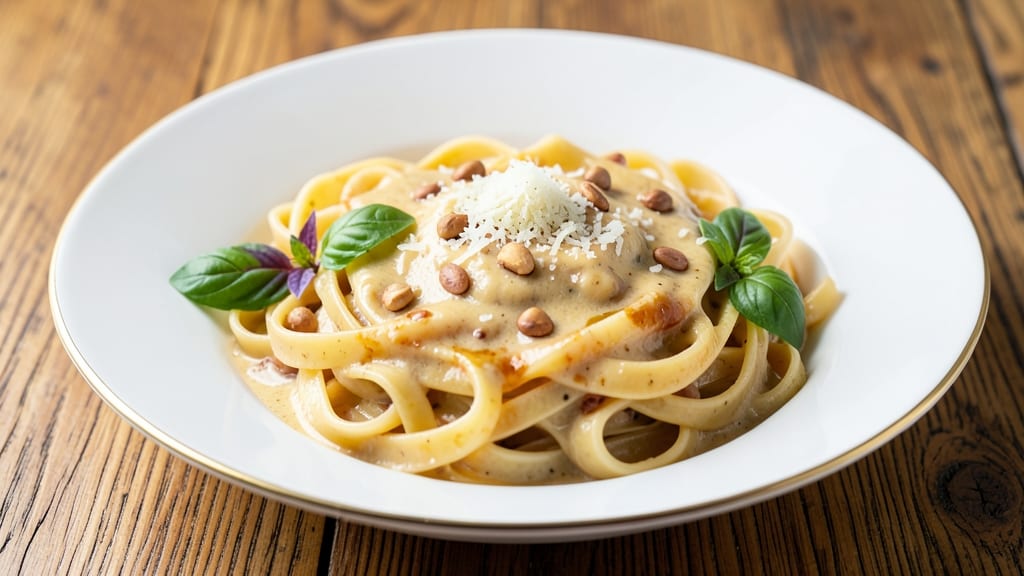
This ultra-creamy Asiago cheese sauce transforms ordinary pasta into a restaurant-worthy dish with just a few simple ingredients. 🌟 After years of perfecting the technique at my grandmother's diner, I've developed a method that ensures a velvety, nutty sauce that clings perfectly to every noodle—no lumps or separation in sight.
The secret lies in emulsifying the cheese sauce properly, using a combination of butter, flour, and heavy cream to create a smooth, rich base. Asiago cheese provides that signature nutty depth, while a splash of milk keeps the sauce luxuriously creamy without being overly heavy.
This method delivers restaurant-quality results in just 30 minutes.
By the time you twirl that first forkful, you'll taste perfectly cooked pasta coated in a glossy, golden sauce that's rich, nutty, and impossibly smooth. The sauce clings to each noodle, creating that satisfying "cheese hug" that makes every bite feel indulgent.
It's the kind of dish that turns a simple weeknight dinner into something special.
Pair with garlic bread for soaking up every last drop or add a side of crisp greens for balance. The sauce reheats beautifully too, making it perfect for meal prep. Let's get cooking!
Ingredients for asiago cheese sauce recipe pasta
These twelve ingredients create velvety Asiago sauce that clings to pasta like a restaurant-worthy embrace.
| Ingredient | Amount | Notes |
|---|---|---|
| Unsalted Butter 🧈 | ½ cup | Cold, cubed for even melting |
| All-Purpose Flour 🌾 | ½ cup | Sifted for smooth sauce texture |
| Heavy Cream 🥛 | 1 ½ cups | Full-fat for maximum creaminess |
| Whole Milk 🥛 | ½ cup | Warmed for better emulsification |
| Asiago Cheese 🧀 | 2 cups | Freshly grated, nutty variety |
| Parmesan Cheese 🧀 | ½ cup | Freshly grated, for depth of flavor |
| Garlic Cloves 🧄 | 2 cloves | Minced for aromatic base |
| Shallots 🧅 | 2 whole | Finely diced, for subtle sweetness |
| Dry Pasta 🍝 | 12 oz | Fettuccine or penne preferred |
| Diamond Crystal Kosher Salt 🧂 | 1 ½ tsp | For seasoning pasta water |
| Freshly Ground Black Pepper 🌶️ | ½ tsp | Freshly cracked for best flavor |
| Extra-Virgin Olive Oil 🫒 | 1 tbsp | For tossing cooked pasta |
The Asiago cheese is non-negotiable here—freshly grated from a block delivers that signature nutty depth. Whole Foods or specialty cheese shops carry the best quality, but any well-marbled wedge works. For the butter, European-style unsalted (like Plugrá) melts more smoothly than American brands. The heavy cream must be full-fat; anything less risks breaking the emulsion. Pre-sift your flour to avoid lumps in the roux—Diamond Crystal kosher salt is ideal for seasoning the pasta water, as its larger crystals dissolve more evenly.
No Asiago? Parmigiano-Reggiano can substitute at double the amount, though the flavor will be less complex. Short on heavy cream? Half-and-half plus a splash of milk works in a pinch, but the sauce will be slightly lighter. Freshly grated cheese is essential—pre-grated contains anti-caking agents that prevent proper melting. For the garlic and shallots, mincing by hand releases more flavor than pre-minced jars. The olive oil should be fruity and peppery; California-based brands like Corto excel here. If you prefer a tangier sauce, add a pinch of white wine vinegar at the end.
This sauce reheats beautifully—simply warm over medium-low heat with a splash of milk to restore creaminess. Store leftovers in an airtight container for up to 5 days in the fridge, or freeze for 3 months in portion-sized containers. For meal prep, cook the pasta al dente, toss with a drizzle of olive oil, and reheat separately before combining with the sauce. The cheese sauce can be made ahead and reheated with the pasta for that freshly prepared texture. Always taste before serving—adjust salt and pepper to your preference, as cheese varies in saltiness.
Why You'll Love This Recipe
- Five-Ingredient Magic: I swear by this combo—just butter, flour, cream, milk, and Asiago. No fancy techniques, no hunting for obscure ingredients, and still tastes like you slaved over it.
- Nutty Creamy Bliss: That Asiago melts into a velvety sauce with a sharp, tangy kick—no bland aftertaste here. The heavy cream keeps it rich without being heavy, and the whole milk balances it just right.
- Weeknight Workhorse: Dinner guests? Date night? Tuesday at 7 PM? This pasta handles it all. Toss in sautéed mushrooms or grilled chicken if you’re feeling fancy, or keep it simple—it’s always a win.
- Leftovers That Don’t Suck: Unlike creamy sauces that turn gloppy, this one reheats like a dream. Pack it for lunches, freeze portions for lazy days, or just enjoy seconds because it’s that good. (Yes, even the next day.)
Step-by-step instructions for ultra-creamy Asiago cheese pasta
Here's how to create a velvety, nutty cheese sauce that clings perfectly to every strand.
🍳 Step 1: Build the Cheese Sauce Base
Melt the 0.5 cup unsalted butter in a large saucepan over medium heat until it foams but doesn't brown. Immediately whisk in the 0.5 cup all-purpose flour—this creates a roux that will form the foundation of your sauce. Cook for 1-2 minutes until the mixture turns a pale golden color and smells nutty.
Here's the thing—don't let it brown or it'll develop a bitter flavor. You want it to look like wet sand rather than toasted breadcrumbs. Keep whisking constantly to prevent lumps from forming. This roux will eventually transform into your ultra-smooth cheese sauce.
👨🍳 Step 2: Add Aromatics and Warm the Dairy
Stir in the 2 cloves minced garlic and 2 whole finely diced shallots, cooking for 1-2 minutes until they're soft and fragrant but not colored. This step develops the aromatic base that will carry through your entire dish.
Next, pour in the 1.5 cups heavy cream and 0.5 cup warmed whole milk simultaneously while whisking vigorously. The sauce will thicken noticeably as it comes to a gentle simmer. This is where the magic happens—the cream will emulsify with your roux to create a silky texture.
🔥 Step 3: Incorporate the Cheeses Gradually
Reduce heat to low and begin adding the 2 cups freshly grated Asiago cheese and 0.5 cup freshly grated Parmesan cheese in 3 additions, whisking vigorously between each. The cheese should melt completely into the sauce, creating a thick, glossy consistency. If it looks too thick, add 1-2 tablespoons of pasta water to loosen it.
This gradual addition prevents clumping and ensures each spoonful of sauce delivers that perfect nutty, cheesy flavor. The sauce should coat the back of a spoon smoothly—if it's too thin, simmer for another 1-2 minutes to thicken further. Season with 1.5 tsp Diamond Crystal kosher salt and 0.5 tsp freshly ground black pepper.
🍲 Step 4: Cook the Pasta to Al Dente
While your sauce simmers, bring a large pot of water to a rolling boil and add 1.5 tsp Diamond Crystal kosher salt. Add the 12 oz dry pasta (fettuccine or penne preferred) and cook until 1 minute shy of package directions for al dente. Reserve 1 cup pasta water before draining.
This reserved water is your secret weapon—it contains starch that helps create the perfect sauce consistency. The pasta should have a slight bite to it when you taste-test, as it will finish cooking in the sauce. Drain thoroughly but don't rinse—those surface starches help the sauce cling.
🥘 Step 5: Combine and Finish with Olive Oil
Transfer the drained pasta to the saucepan with the cheese mixture. Toss gently with tongs, adding 1-2 tablespoons of reserved pasta water at a time until the sauce coats the noodles perfectly. The sauce should be glossy and cling to each strand without being too thick.
Remove from heat and stir in the 1 tbsp extra-virgin olive oil. This final step adds brightness and helps prevent the sauce from becoming too heavy. Serve immediately while the pasta is hot, garnished with extra grated Asiago if desired. Each bite should deliver that perfect balance of creamy, nutty cheese and al dente pasta.
Pro Tips For Making Asiago Cheese Sauce Recipe Pasta
- WHISK THE ROUX FAST: Dump the flour all at once into the melted butter and stir like you’re mad for 30 seconds—no need to wait for it to "cook" yet. I used to let it sit too long before adding liquid, and the sauce would turn grainy. Keep the heat medium-high until the roux smells nutty but isn’t brown.
- GRATE THE ASIAGO FINE: Use the smallest holes on your grater (or pulse in a food processor) so the cheese melts smoothly into the sauce. Lumpy cheese ruins everything, and I’ve learned this after scraping globs off pasta for years. If you’re short on time, pre-grate it while the sauce simmers.
- LOW AND SLOW AFTER ADDING CHEESE: Once the Asiago hits the sauce, drop the heat to the lowest setting and let it bubble gently for 5 minutes. Rushing this step makes the sauce separate, and I’ve seen it happen more times than I’d admit. Patience here guarantees a silky finish.
- SALTY BUTTER NEEDS MORE SALT: Unsalted butter is your friend, but don’t skimp on salt—add a full teaspoon when melting it, and adjust the pasta water accordingly. I used to assume the cheese would cover it, but the sauce needs that upfront punch to balance the richness. Taste as you go.
Common mistakes when making this recipe
Overcooking the Pasta
I can't tell you how many times I've seen this happen—pasta cooked until it's mushy and the sauce clings like glue. The key is stopping 1 minute before package instructions say, then finishing in the sauce.
Overcooked pasta absorbs too much water, turning into a sad, limp mess. Always taste-test by biting a strand—it should have a slight resistance. If you're unsure, err on the side of undercooking. 🍝
Skipping the Roux
Some recipes suggest mixing cheese directly with milk or cream, but that's a shortcut to disaster. The roux (butter + flour) is what creates the emulsification that makes your sauce silky.
Without it, you'll end up with a greasy, separated mess. Trust me, take that 1-2 minutes to cook the roux properly—it's worth every second for that restaurant-quality texture.
Adding Cheese Too Quickly
Dumping all the cheese in at once is a recipe for clumpy sauce. The heat from the hot liquid will cause the cheese to cook unevenly, creating those dreaded lumps. Instead, add it in 3 gradual additions while whisking vigorously.
This ensures each spoonful melts perfectly into a smooth, glossy consistency. I've learned this the hard way—lumpy sauce is a dealbreaker for me.
Ignoring the Pasta Water
That reserved pasta water isn't just for show—it contains starch that helps create the perfect sauce consistency. When you combine the pasta with the sauce, add 1-2 tablespoons at a time until the sauce clings beautifully.
Skipping this step often results in a sauce that's either too thick or too thin. Think of it as your secret ingredient for that velvety finish. ❄️
Not Using Freshly Grated Cheese
Pre-grated cheese contains anti-caking agents that prevent proper melting and create a grainy texture. Always grate your own Asiago and Parmesan using a microplane or box grater right before adding it to the sauce.
The difference in texture and flavor is night and day. I keep a block of Asiago in the fridge specifically for this recipe—it's worth the extra effort.
High Heat on the Sauce
Simmering the sauce over high heat can cause it to break and separate. Keep the heat at low-medium once the cheese is added, and never let it boil. If the sauce looks too thick, add more pasta water rather than increasing the heat.
Patience here pays off with a smooth, creamy sauce that coats every noodle perfectly. This is where many home cooks go wrong—rushing the process leads to ruined texture. 🔥
Nutrition facts
Frequently asked questions
Can I make this sauce without heavy cream for a lighter version?
Replace the 1.5 cups heavy cream with 1 cup whole milk plus 0.5 cup half-and-half. The sauce will be slightly lighter but still creamy. For extra richness, add 1 tablespoon sour cream at the end. The texture will be velvety but less decadent than the original.
What's the best pasta shape for this creamy sauce?
Fettuccine or penne are ideal—their ridges and flat surfaces catch the sauce beautifully. For extra indulgence, try cavatappi or farfalle, which hold sauce like a hug. Avoid long, thin noodles like spaghetti, as they can get lost in the creamy texture.
How do I fix a sauce that's too thick or too thin?
For a thick sauce, whisk in 1-2 tablespoons of warm pasta water until smooth. If it's too thin, simmer uncovered over low heat for 2-3 minutes**, stirring constantly. Never add flour—it'll make the sauce grainy. The key is patience and small adjustments.
Can I make this ahead of time for meal prep?
Yes! Cook the pasta al dente, toss with a drizzle of olive oil, and store separately. Reheat the sauce separately, then combine when ready to serve. The sauce reheats beautifully—just add a splash of milk if it thickens too much. This keeps the pasta from becoming mushy.
What other cheeses can I substitute for Asiago?
For a similar nutty flavor, try Parmigiano-Reggiano (double the amount) or Gruyère. For something milder, use fontina or Gouda. Avoid sharp cheddar—it'll overpower the delicate balance. Always grate fresh for the best texture.