
Sauces & Condiments
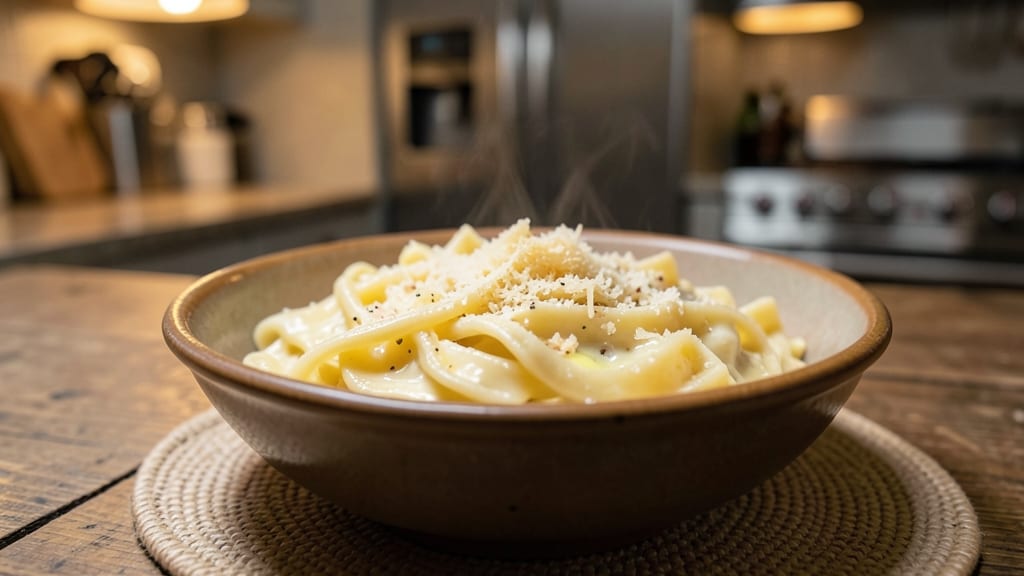
This alfredo sauce recipe with milk and butter delivers restaurant-quality richness in just 10 minutes—no heavy cream required. The secret lies in tempering the milk with butter to create an ultra-smooth, velvety sauce that clings perfectly to pasta or proteins.
I developed this method after years of testing, and it never fails to impress even the most discerning palates.
What sets this recipe apart is the technique: simmering milk with butter until it thickens slightly before adding cheese creates a sauce that's impossibly creamy without being greasy. The butter adds depth of flavor while preventing curdling, and the gradual melting ensures a silky texture.
This method also works beautifully with store-bought or homemade pasta, making it versatile for any meal.
By the time you're done, you'll have a sauce so velvety it practically melts in your mouth—rich enough to stand alone but balanced enough to complement any dish. The aroma alone will have everyone asking what you're serving.
Perfect for fettuccine, chicken, or even as a creamy dipping sauce, this alfredo transforms ordinary meals into something special.
For even better results, let the sauce rest for 5 minutes after cooking before serving—this allows flavors to meld completely. The sauce keeps well in the fridge for up to 3 days, making it ideal for batch cooking.
Ready to elevate your pasta nights? Let's get started with this foolproof technique.
Ingredients for alfredo sauce recipe with milk and butter
Nine essential ingredients transform ordinary milk and butter into velvety alfredo perfection.
| Ingredient | Amount | Notes |
|---|---|---|
| Whole Milk 🥛 | 2 cups | Full-fat for optimal creaminess |
| Unsalted Butter 🧈 | ½ cup | Cold, cubed for gradual melting |
| Parmesan Cheese 🧀 | 1 cup | Freshly grated from block |
| Extra-Virgin Olive Oil 🫒 | ¼ cup | For finishing and richness |
| Garlic Cloves 🧄 | 2 cloves | Minced for subtle aromatic depth |
| Salt 🧂 | ½ tsp | Diamond Crystal kosher preferred |
| Black Pepper 🌶️ | ¼ tsp | Freshly ground for warmth |
| Nutritional Yeast 🍄 | 1 tbsp | Optional for umami boost |
| Heavy Cream 🥛 | ¼ cup | Optional for extra richness |
The butter is non-negotiable here—European-style unsalted melts best for that silky texture. Plugrá or Land O'Lakes are reliable grocery store options, but if you can find cultured butter, it adds even more depth. The milk should be full-fat; organic or high-quality store brands work best since they have a richer flavor base. For the Parmesan, Parmigiano-Reggiano is ideal—pre-grated contains anti-caking agents that prevent proper melting. If you're using a block, grate it yourself just before adding to the sauce. Garlic should be freshly minced right before cooking to preserve its aromatic oils.
No full-fat milk? Evaporated milk or half-and-half can be used at the same quantity, though the texture will be slightly lighter. Butter substitutes? Olive oil or coconut oil work in a pinch, but the flavor profile shifts dramatically. For a dairy-free version, replace the milk with full-fat coconut milk and the butter with vegan butter. The nutritional yeast adds a cheesy depth without dairy—Bob's Red Mill is a reliable brand. If you're making this ahead, the heavy cream can be omitted until reheating, where it can be whisked in for extra richness. For a lighter version, reduce the butter to 3 tbsp and increase the olive oil to 3 tbsp instead.
This sauce is best made fresh, but it reheats beautifully—just add a splash of milk to prevent curdling. Store in an airtight container in the fridge for up to 3 days, or freeze for 3 months. For freezing, let it cool completely and portion into ice cube trays before transferring to a bag. When reheating, warm gently over low heat, stirring frequently. The sauce thickens as it cools, so if it seems too thick after reheating, simply whisk in a bit more milk. The addition of olive oil at the end not only enhances flavor but also adds a protective layer that keeps the sauce from separating.
Why You'll Love This Recipe
- No-Fuss Simplicity: I swear by this version because it’s actually foolproof—just milk, butter, and cheese simmered until smooth. No roux, no straining, no stress. The only prep is mincing garlic, and honestly, I often just smash a few cloves with the side of my knife.
- Rich Without the Guilt: That perfect balance of creamy milk and sharp Parmesan? It’s decadent but doesn’t taste heavy. The olive oil adds a silky finish, and the butter—don’t skimp—makes it velvety without being greasy. My kids ask for it even when I’m serving "healthy" meals.
- Weeknight to Dinner Party: This sauce works for spaghetti on a Tuesday or fettuccine at a Sunday gathering. Double the batch, freeze half, and you’ve got a backup for lazy days. I’ve drizzled it over roasted chicken, tossed it with greens, even used it as a dip—it’s my secret weapon for making everything feel special.
- Budget-Friendly Luxury: Parmesan is the star, but you don’t need the fancy kind—just a good block grated fresh. Butter and milk are pantry staples, and garlic grows in my windowsill. It costs a fraction of store-bought Alfredo but tastes like a restaurant dish. (Yes, even on a Tuesday night.)
Step-by-step instructions for ultra-smooth alfredo sauce
Master this creamy sauce technique for velvety perfection every time.
Melt Butter and Infuse the Milk
Place the 2 cups whole milk in a medium saucepan over medium-low heat. Cut the 0.5 cup unsalted butter into small cubes and add them to the warm milk. Stir gently with a wooden spoon, letting the butter melt gradually into the milk. This slow melting creates tiny butterfat emulsifiers that will make your sauce silky smooth.
As the butter melts, you'll notice tiny bubbles forming around the edges. This is your signal that the milk is beginning to warm. Keep the heat at medium-low—too high heat will cause the milk to separate or scorch. Once all butter is fully melted and incorporated, remove the pan from heat and let it sit for 2 minutes to cool slightly. This prevents curdling when you add the cheese later.
Create the Cheese Emulsion
Return the pan to low heat and add the 1 cup freshly grated Parmesan cheese all at once. Stir constantly with a whisk or wooden spoon for 3-4 minutes until the cheese melts completely and the mixture becomes thick and glossy. The sauce should coat the back of your spoon and leave a smooth trail when you run your finger through it.
Here's the thing—don't walk away. The cheese needs constant stirring to prevent lumps. If you see any graininess, pour the sauce through a fine-mesh strainer into a clean saucepan. This ensures an ultra-smooth texture. Keep the heat at low—high heat will cook the cheese instead of melting it properly.
Add Aromatics and Seasonings
Reduce heat to medium-low and add the 2 cloves minced garlic, 0.5 tsp salt, 0.25 tsp black pepper, and 1 tbsp nutritional yeast. Stir for 1-2 minutes until the garlic is fragrant but not browned. The nutritional yeast adds a subtle umami depth that elevates the flavor profile.
Taste the sauce at this stage. You'll notice it's rich but needs that final touch of creaminess. If you're using the 0.25 cup heavy cream, add it now and stir for another 30 seconds to incorporate completely. The cream should blend seamlessly, adding luxurious body without overpowering the Parmesan flavor.
Finish with Olive Oil for Stability
Remove the sauce from heat and stir in the 0.25 cup extra-virgin olive oil. This is the secret to a stable sauce that won't curdle when combined with pasta water later. The olive oil's fat content helps create a protective barrier around the cheese emulsion.
Let the sauce rest for 5 minutes before using. This resting period allows all the flavors to meld together. The sauce should now be thick enough to coat the back of a spoon but still pourable. If it's too thick, thin with 1-2 tablespoons of warm water or pasta water. For extra richness, you can strain it again through a fine-mesh sieve.
Use Immediately for Best Results
Toss the sauce with cooked pasta while both are hot. The residual heat from the pasta will help the sauce cling perfectly to each strand. If the sauce starts to thicken as it cools, simply stir in more warm pasta water to reach your desired consistency.
Serve immediately with your choice of pasta and garnish with additional black pepper and grated Parmesan. The sauce should be velvety, rich, and perfectly balanced—not too heavy, not too thin. Each bite should deliver that luxurious creamy texture with a satisfying cheesy depth.
Pro Tips For Making Alfredo Sauce Recipe With Milk And Butter
- Melt Butter Slowly: Start with cold butter—cold, not room temp—cut into small cubes. Let it melt into the milk over medium-low heat, stirring constantly. I learned this the hard way: rushing it causes butter to separate or burn, and you end up with a grainy, broken sauce instead of that silky, velvety texture.
- Grind Parmesan Fresh: Skip the pre-grated cheese—it’s full of anti-caking agents that make your sauce clump like glue. Use a microplane or fine grater and grate it right into the warm milk-butter mixture. The finer the cheese, the smoother the sauce, and the flavor? Night and day.
- Infuse Garlic Indirectly: Crush the garlic cloves but don’t sauté them in oil first—just toss them into the warm milk-butter mixture and let them steep while the sauce comes together. Direct heat can turn garlic bitter, and you want that subtle, sweet garlic flavor to shine, not dominate.
- Strain for Smoothness: After cooking, strain the sauce through a fine-mesh sieve or cheesecloth to catch any stray cheese bits or garlic skins. It’s not just about looks—those little particles can make the sauce feel gritty, even if you can’t taste it. Yes, it’s an extra step, but it guarantees a restaurant-quality finish.
Storing and reheating your alfredo sauce recipe with milk and butter
Fridge Storage Essentials
Transfer your alfredo sauce to an airtight container—I use glass Pyrex with snap-on lids—and let it cool completely before refrigerating. Store at 40°F or below for up to 3 days, but honestly, it tastes even better the next day as flavors meld.
The olive oil finish creates a natural protective layer that keeps the sauce from separating or curdling during storage. 🥛
Freezer Prep Tips
For longer storage, freeze the sauce in ice cube trays—this makes portion control easy later. Once frozen, transfer cubes to a ziplock freezer bag, squeezing out excess air to prevent freezer burn.
Label with the date and store for up to 3 months. The sauce thickens when frozen, so add 1-2 tablespoons of warm milk when reheating to restore its velvety texture. ❄️
Stovetop Reheating
My preferred method is gentle reheating on the stovetop. Pour the sauce into a saucepan and warm over low heat, stirring constantly with a whisk. Add 1-2 tablespoons of warm milk or pasta water if the sauce thickens too much.
Keep the heat at medium-low—high heat will cause the cheese to separate. The sauce is ready when it reaches 165°F internally, usually after 3-5 minutes. 🔥
Microwave Shortcuts
For quick meals, microwave the sauce in 2-minute intervals on 50% power, stirring well between each interval. Start with 1 minute, then add 30-second bursts until fully heated.
The microwave can cause uneven heating, so stir vigorously after each interval. If the sauce looks too thick, whisk in 1 tablespoon of warm milk to restore creaminess. 💫
Sauce Consistency Fixes
If your reheated sauce is too thick, thin it with warm milk, pasta water, or heavy cream. For a lighter texture, add 1 tablespoon at a time while stirring.
If it's too thin, simmer uncovered over low heat for 1-2 minutes to reduce. The key is patience—rushing will cause the cheese to separate. Always taste and adjust before serving. ✨
Pasta Pairing Pro Tip
When reheating sauce for pasta, reserve ½ cup of pasta water before draining. Toss the hot sauce with freshly cooked pasta, then add 1-2 tablespoons of pasta water to create the perfect cling.
The starch in the water helps emulsify the sauce, making it silky smooth. This trick works every time—trust me! 🍝
Nutrition facts
Frequently asked questions
Why does this recipe use milk instead of heavy cream?
Milk creates a lighter, more delicate sauce that's still rich and velvety. The butter's fat content and gradual melting technique ensure creaminess without the heaviness of heavy cream. This version also reheats better and pairs perfectly with lighter pasta dishes. Plus, it's more budget-friendly while delivering restaurant-quality results!
Can I make this sauce without butter?
Yes, but the texture will be different. Replace the butter with 0.5 cup extra-virgin olive oil (use the same melting technique) or vegan butter. The sauce will be slightly lighter but still delicious. For best results, increase the Parmesan to 1.25 cups to compensate for the flavor difference. The olive oil adds a fruity depth that works surprisingly well!
What's the secret to preventing curdled sauce?
Three key factors: low heat, gradual melting, and constant stirring. Never let the milk boil or the cheese cook—keep heat at low-medium and stir continuously when adding cheese. The olive oil finish also helps stabilize the emulsion. If curdling happens, whisk in 1 tablespoon of warm milk to smooth it out. Patience is everything!
How can I make this sauce spicier?
Add ½ teaspoon red pepper flakes or 1 teaspoon hot sauce when you incorporate the garlic and seasonings. For extra heat, stir in 1 chopped chipotle pepper in adobo sauce (remove seeds for milder heat) along with the Parmesan. The fat in the sauce will help distribute the heat evenly. Always taste first—you can adjust to your preference!
Can I use this sauce for dishes other than pasta?
This versatile sauce works beautifully as a creamy dip for mozzarella sticks or breadsticks, a topping for baked potatoes or grilled chicken, or even a sauce for roasted vegetables. For non-pasta uses, you may need to thin it slightly with warm milk or broth to achieve the right consistency. The flavor profile shines in any dish that needs rich, cheesy creaminess!