
Sauces & Condiments
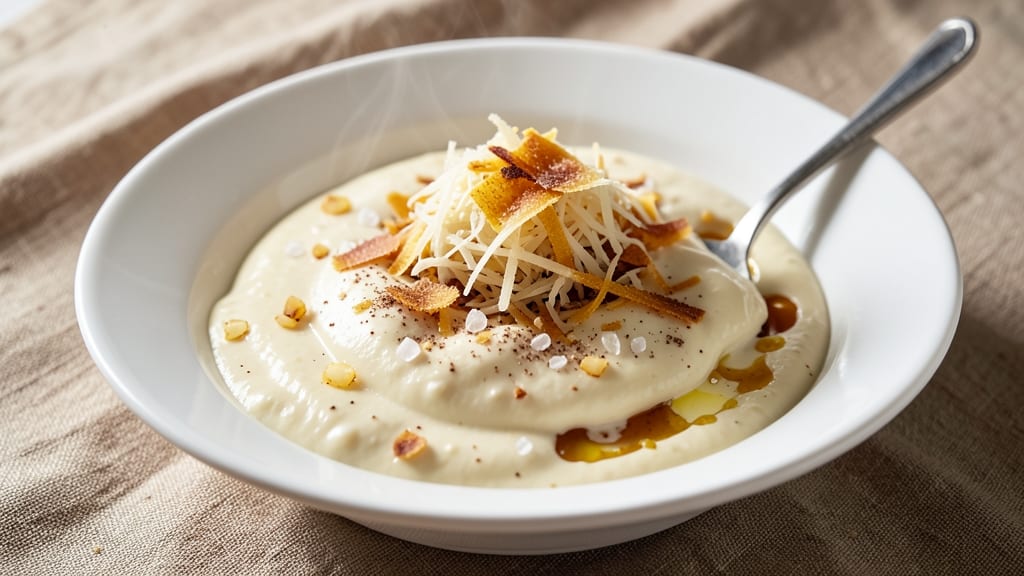
This ultra-creamy Alfredo sauce recipe with grated parmesan delivers restaurant-quality richness without the risk of burning or breaking. The secret lies in proper emulsification—melting butter, slowly adding cream, and incorporating cheese in stages to create a velvety, clingy sauce that clings perfectly to fettuccine.
I’ve perfected this technique after years of trial and error, ensuring every batch turns out silky smooth and foolproof. What sets this recipe apart is the balance of ingredients: high-quality parmesan for depth, heavy cream for body, and a touch of garlic and nutmeg for subtle complexity.
The sauce builds gradually, preventing lumps while maintaining that signature creamy texture that defines classic Alfredo. It’s the kind of sauce that transforms simple pasta into an indulgent meal.
By the time you’re done, you’ll have a creamy, cheesy sauce that’s rich enough to stand alone but light enough to coat noodles perfectly. The aroma alone will have everyone gathering at the table, and the first bite delivers that luxurious, velvety texture we all crave.
Best of all, it reheats beautifully for leftovers. Store any extras in an airtight container in the fridge for up to 5 days, or freeze for longer storage. Reheat gently on the stove, stirring constantly until smooth. Let’s make this sauce!"
Ingredients for alfredo sauce recipe with grated parmesan
Eight essential ingredients transform simple pasta into restaurant-quality Alfredo perfection.
| Ingredient | Amount | Notes |
|---|---|---|
| Unsalted Butter 🧈 | ¾ cup | Cold, cubed for slow melting |
| Heavy Cream 🥛 | 1 ½ cups | Full-fat for maximum richness |
| Fresh Garlic Cloves 🧄 | 3 cloves | Minced for subtle flavor |
| Parmesan Cheese 🧀 | 1 ½ cups | Freshly grated from block |
| Ground Nutmeg 🌿 | ¼ tsp | Freshly grated preferred |
| Diamond Crystal Kosher Salt 🧂 | ½ tsp | Adjust to taste |
| Extra-Virgin Olive Oil 🫒 | 1 tbsp | For finishing drizzle |
| Freshly Ground Black Pepper 🌶️ | ¼ tsp | For final seasoning |
The Parmesan is non-negotiable—Parmigiano-Reggiano from a block, freshly grated, gives that unmatched depth. Whole Foods or specialty cheese shops carry the best, but any deli counter wedge works in a pinch. Avoid pre-grated; it's full of anti-caking agents that ruin the texture. The butter should be cold when you start—cubed and straight from the fridge—so it melts slowly and emulsifies properly. Heavy cream is a must; lighter versions won't give that signature velvety body. For the garlic, three cloves is perfect—enough to taste but not overpower.
No Parmesan? Pecorino Romano works in a bind, though it's saltier. Substituting light cream for heavy? Add 2 tbsp sour cream to compensate for the lower fat. Fresh nutmeg is ideal, but if you've only got ground, toast it lightly in a dry pan first to wake up the flavor. The olive oil at the end isn't just for finishing—it adds that final luxurious touch that makes this sauce feel restaurant-worthy. For extra insurance against lumps, whisk the cream into the butter mixture gradually, one tablespoon at a time while stirring constantly.
This sauce keeps beautifully—5 days refrigerated or 3 months frozen. For freezing, portion into ice cube trays first, then transfer to a bag. Reheat gently over low heat, whisking constantly until smooth. The first batch always disappears fast, so I double the recipe when I make it. Store any leftovers in an airtight container with a thin layer of plastic wrap pressed directly on the surface to prevent a skin from forming. The nutmeg loses potency over time, so if you're not using it all, store it in a cool, dark place.
Why You'll Love This Recipe
- Five-Ingredient Magic: I swear by this—just butter, cream, garlic, Parmesan, and a pinch of nutmeg. That’s it. No fancy reductions, no hidden spices, just pure, creamy satisfaction with zero stress.
- Garlic-Nutmeg Punch: The moment that fresh garlic hits the butter? Chef’s kiss. Then the nutmeg—just a whisper—and suddenly it’s rich, slightly tangy, and way more complex than store-bought. My picky husband actually asks for seconds.
- Weeknight to Dinner Party: Same sauce, endless uses. Slather it over fettuccine for a lazy Tuesday, drizzle it on roasted chicken for a fancy guest night, or toss it with shrimp for a restaurant-worthy bowl. It’s my secret weapon for looking like a pro.
- Leftovers That Don’t Suck: Unlike most creamy sauces, this one actually tastes better the next day. I make a double batch—one for pasta, one to freeze for when I’m too tired to cook. Thaw it, reheat it, and boom: instant comfort.
Step-by-step instructions for ultra-creamy Alfredo sauce
Master this technique and you'll achieve restaurant-quality Alfredo with velvety texture and perfect balance.
Melt Butter and Infuse with Garlic
In a medium saucepan, melt the 0.75 cup unsalted butter over medium-low heat. I use cold cubed butter here—it melts slowly and prevents scorching. Once fully melted and foaming subsides, add the 3 cloves minced fresh garlic cloves and cook for 1-2 minutes until fragrant but not browned.
Watch the garlic carefully—it burns quickly. You want it just aromatic, not colored. Remove from heat immediately after the garlic smells wonderful. This step builds the flavor foundation without any bitterness that would ruin your sauce.
Gradually Incorporate Parmesan Cheese
Return the pan to medium-low heat and begin adding the 1.5 cups freshly grated Parmesan Cheese in 3 additions, whisking vigorously after each. This gradual approach prevents the cheese from clumping and ensures even melting. The sauce will thicken noticeably as you add each portion.
Here's the thing—don't rush this step. If you add all the cheese at once, you'll end up with lumps. The cheese needs time to melt smoothly into the butter. Keep whisking until the mixture becomes completely smooth and satiny, about 3-4 minutes total.
Add Cream and Season
Pour in the 1.5 cups heavy cream all at once and whisk continuously until the sauce reaches a consistent, velvety texture. This should take about 2-3 minutes of constant stirring. The sauce will thicken as it heats, but it should remain silky—not grainy or separated.
Add the 0.5 tsp Diamond Crystal kosher salt, 0.25 tsp ground nutmeg, and 0.25 tsp freshly ground black pepper, whisking until fully dissolved. Taste and adjust seasoning—Alfredo should be rich but not overpoweringly salty. Remember, the Parmesan already contains salt, so go easy with the additional salt.
Finish with Olive Oil and Strain
Remove the sauce from heat and stir in the 1 tbsp extra-virgin olive oil. This final touch adds depth of flavor and prevents the sauce from becoming too heavy. The olive oil should blend seamlessly into the sauce, creating a balanced, luxurious texture.
For the smoothest possible sauce, strain it through a fine-mesh sieve into a clean saucepan. This removes any remaining cheese particles and garlic bits, giving you that perfect, velvety consistency. Keep the sauce warm over low heat or in a double boiler until ready to serve—never let it boil or it will curdle.
Pro Tips For Making Alfredo Sauce Recipe With Grated Parmesan
- Melt Butter Slowly: Start with cold butter—yes, even if you’re eager to get cooking. Drop cubes of unsalted butter into the pan over medium heat and let them melt gradually. I used to rush this and end up with greasy, separated sauce; patience here keeps the sauce silky.
- Grill Garlic First: Smash the garlic cloves with the flat side of your knife before adding them to the butter. Then, cook them uncovered for 30 seconds until they’re golden and fragrant—this prevents that bitter, raw taste that ruins the whole dish. (Yes, it’s worth the extra 30 seconds.)
- Strain the Cream: After heating the heavy cream, let it sit for 2 minutes, then strain it through a fine-mesh sieve into the butter. This removes any potential lumps or impurities, giving you a smoother sauce every time. I learned this the hard way after serving a batch with tiny cream specks.
- Add Cheese Last: Temper the parmesan by sprinkling it in slowly while stirring constantly—don’t just dump it all in. The sauce should be off the heat or barely simmering, or you’ll end up with a grainy mess. (And for the love of pasta, use freshly grated cheese, not the pre-shredded kind.)
Pro cooking tips for great alfredo sauce recipe with grated parmesan
Emulsification Secrets
Alfredo sauce thrives on proper emulsification—where fat and liquid blend seamlessly. Start by melting cold cubed butter over medium-low heat to prevent scorching. Once melted, whisk in 1.5 cups heavy cream gradually, one tablespoon at a time, while maintaining constant motion.
This slow incorporation prevents curdling and creates that signature velvety texture. I swear by a whisk with a long handle—it gives me better control over the sauce’s consistency. 🌡️
Cheese Melting Mastery
The key to lump-free Alfredo lies in how you add the 1.5 cups freshly grated Parmesan. Split it into three equal additions, whisking vigorously after each. Heat the pan on low to let the cheese melt gradually—never rush this step.
If you add all the cheese at once, you’ll end up with gritty clumps. For extra insurance, strain the finished sauce through a fine-mesh sieve to remove any remaining particles. Trust me, this makes all the difference. 🧀
Temperature Control
Never let your Alfredo sauce boil—this is the #1 mistake that ruins creamy textures. Maintain a gentle simmer at medium-low heat throughout the process. If the sauce starts to thicken too much, add 1-2 tablespoons of warm water or pasta water to loosen it.
For reheating leftovers, use low heat and stir constantly until smooth. A double boiler is my go-to for keeping the sauce warm without risking separation. 🔥
Flavor Layering
Build flavor in stages: Start with minced garlic in the butter, then add ground nutmeg and black pepper at the end. The nutmeg should be freshly grated—pre-ground loses potency quickly.
For a deeper taste, toast the nutmeg in a dry pan for 30 seconds before adding it to the sauce. A drizzle of extra-virgin olive oil at the finish adds brightness and prevents the sauce from feeling too heavy. 🌿
Pasta Pairing Tips
Alfredo sauce clings best to fettuccine or tagliatelle—their flat surfaces create more surface area for the sauce to coat. For extra indulgence, toss the pasta with sauce while still al dente, then finish with a sprinkle of freshly cracked black pepper.
If serving immediately, keep the sauce warm in a double boiler or insulated container. For make-ahead meals, cook the pasta separately and toss with sauce just before serving to prevent sogginess. ✨
Storage Hacks
Store leftovers in an airtight container with plastic wrap pressed directly on the sauce surface to prevent a skin from forming. Refrigerate for up to 5 days or freeze in ice cube trays for portion control.
When reheating, add 1-2 tablespoons of warm water or cream to restore creaminess. For best results, reheat over low heat while stirring constantly—never microwave directly, as it can break the emulsion. 💡
Nutrition facts
Frequently asked questions
Can I substitute heavy cream with something lighter?
You can use half-and-half or whole milk, but your sauce will be thinner and less rich. For best results, add 2 tablespoons sour cream per cup of lighter milk to mimic the creaminess. The sauce will still be delicious, just slightly less velvety. If you're watching calories, consider a light cream cheese blend (mix ½ cup light cream cheese with 1 cup whole milk) for a lighter but still creamy texture.
Why did my Alfredo sauce get grainy or separate?
This usually happens from one of three issues: adding cheese too quickly, letting the sauce boil, or not whisking enough. The fix? Return the sauce to low heat and whisk vigorously while adding 1-2 tablespoons warm water or pasta water at a time until smooth. For future batches, add cheese in 3 additions and never let it boil—keep it at a gentle simmer or lower. If it still separates, strain it through a fine-mesh sieve for a silky finish.
Can I make this sauce ahead of time?
Store leftovers in an airtight container in the fridge for up to 5 days or freeze in ice cube trays for easy portioning. To reheat, warm over low heat while stirring constantly—never microwave directly, as it can break the emulsion. For best results, add 1 tablespoon warm water or cream to restore creaminess. For make-ahead meals, cook pasta separately and toss with sauce just before serving to prevent sogginess.
What's the best pasta to pair with this sauce?
Fettuccine or tagliatelle are classic choices—their flat surfaces create more surface area for the sauce to cling beautifully. For extra indulgence, try pappardelle or broad noodles. Avoid thin pasta like spaghetti, as it can get lost in the richness. Pro tip: Toss the pasta with sauce while still al dente for the best texture contrast. Finish with a sprinkle of freshly cracked black pepper for brightness.
How do I make this sauce even creamier?
For ultra-richness, add 2 tablespoons mascarpone cheese or 1 ounce cream cheese to the finished sauce and whisk until smooth. Another trick? Replace ½ cup of the heavy cream with ½ cup crème fraîche—it adds tangy depth. For a restaurant-style finish, stir in 1 teaspoon butter at the end. Always strain the sauce through a fine-mesh sieve for that velvety texture that defines the best Alfredo.