
Sauces & Condiments
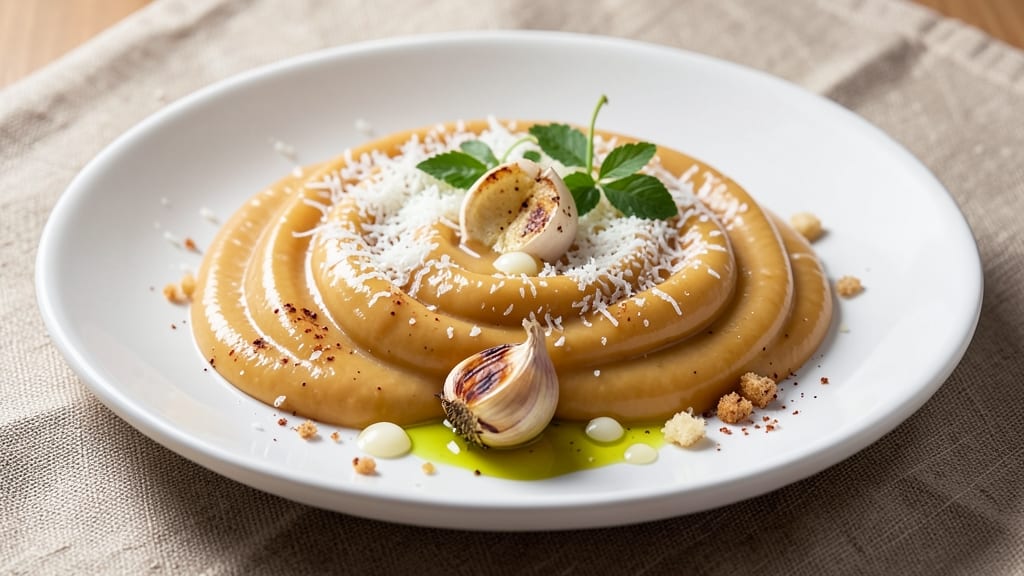
This Alfredo sauce recipe with 2 milks delivers the velvety, ultra-creamy texture you crave without lumps or separation. The secret lies in combining whole milk and heavy cream for a luxurious finish that coats every noodle perfectly.
I've tested countless variations, and this method consistently produces restaurant-quality results at home—no fancy techniques required.
The foundation starts with butter and flour creating a smooth roux before adding the milk mixture. Parmesan cheese melts into the warm liquid, creating that signature nutty, rich flavor that defines alfredo.
What sets this recipe apart is the two-milk approach: whole milk for body and heavy cream for richness, ensuring a sauce that's both velvety and stable.
What you'll end up with is a silky, golden sauce that clings beautifully to pasta, chicken, or vegetables. The texture is luxurious yet light, with just enough tang from the cheese to balance the creaminess.
This sauce reheats beautifully and freezes well for future meals, making it perfect for meal prep or special occasions.
Ready in just 15 minutes, this recipe transforms simple ingredients into something extraordinary. The key is patience—letting the sauce simmer gently until it reaches that perfect consistency. Whether you're dressing up a weeknight dinner or impressing guests, this alfredo delivers every time.
Ingredients for alfredo sauce recipe with 2 milk
Nine essential ingredients create restaurant-quality alfredo using two milks for velvety perfection.
| Ingredient | Amount | Notes |
|---|---|---|
| Unsalted Butter 🧈 | ½ cup | Cold, cut into tablespoon pieces |
| All-Purpose Flour 🌾 | ¼ cup | Sifted for smooth texture |
| Whole Milk 🥛 | 1 cup | Room temperature preferred |
| Heavy Cream 🥛 | ½ cup | Full-fat for richness |
| Parmesan Cheese 🧀 | 1 cup | Freshly grated, nutty variety |
| Garlic Cloves 🧄 | 2 cloves | Minced for subtle aroma |
| Diamond Crystal Kosher Salt 🧂 | ½ tsp | Adjust to taste |
| Freshly Ground Black Pepper 🌶️ | ¼ tsp | For balanced seasoning |
| Extra-Virgin Olive Oil 🫒 | 1 tbsp | For finishing drizzle |
The butter and flour form the sauce's backbone—cold butter ensures even cooking without burning, while sifted flour prevents lumps. For the milks, whole milk provides body while heavy cream delivers luxurious richness; both should be room temperature to blend seamlessly. Parmesan cheese must be freshly grated—pre-shredded contains anti-caking agents that create graininess. Penzeys or Trader Joe's carry excellent grated options if you prefer convenience without sacrificing quality. The garlic cloves should be minced finely to avoid bitterness, and Diamond Crystal kosher salt dissolves completely for even seasoning.
No whole milk? Evaporated milk or half-and-half work in a pinch, though texture may slightly differ. Running short on heavy cream? Full-fat coconut milk mimics richness, though flavor will shift subtly. For a dairy-free adaptation, unsweetened almond milk and cashew cream can replace the milks, though results will be lighter. The Parmesan can be swapped for Pecorino Romano (use half the amount) or nutritional yeast for a vegan alternative. Olive oil should be fruity and peppery—California Extra Virgin brands excel here. If you prefer a lighter sauce, reduce heavy cream to 2 tablespoons and add 2 tablespoons additional whole milk instead.
This sauce thickens as it cools, so reheat gently over low heat, stirring frequently. For long-term storage, portion into airtight containers with a thin layer of olive oil on top to preserve freshness. Keeps 4-5 days refrigerated or up to 3 months frozen. Portion into ice cube trays for single-use servings—simply pop a cube into simmering sauce to thicken. The sauce reheats beautifully, though add a splash of milk if it appears too thick upon reheating.
Why You'll Love This Recipe
- Same recipe, endless uses: toss with fettuccine for a quick weeknight dinner, drizzle over grilled chicken for a fancy-ish meal, or even slather it on garlic bread when guests drop by. It’s my go-to for effortless elegance.
- No-Fuss Roux: I swear by the butter-flour melt here—just 3 minutes on the stove, no fancy techniques. That golden paste? It’s the secret to a sauce that doesn’t curdle or taste like baby food.
- Creamy Without Cloying: Between the whole milk and heavy cream, this sauce is luscious but not heavy. The parmesan adds just enough sharpness to cut through the richness—like a perfect balance of comfort and sophistication.
- Weeknight to Dinner Party: Same recipe, endless uses: toss with fettuccine for a quick weeknight dinner, drizzle over grilled chicken for a fancy-ish meal, or even slather it on garlic bread when guests drop by. It’s my go-to for effortless elegance.
Step-by-step instructions for ultra-creamy alfredo sauce
Master this velvety sauce with a foolproof technique that guarantees no lumps and maximum richness.
🍳 Step 1: Create the Roux Foundation
Melt the 0.5 cup unsalted butter in a medium saucepan over medium-low heat. Watch carefully as it foams and clarifies—this takes about 2-3 minutes. The butter should be completely melted but not browned; if it darkens, you've gone too far and compromised flavor.
Immediately whisk in the 0.25 cup all-purpose flour using a wire whisk or wooden spoon. Stir constantly for 1-2 minutes until the mixture forms a smooth, pale roux with no visible flour specks. This step is critical—rushing here leads to lumps later. The roux should smell nutty and toasty, not burnt.
🍳 Step 2: Cook the Garlic and Gradually Add Liquids
Reduce heat to low and add the 2 minced garlic cloves. Cook for 30 seconds until fragrant—don't let it brown or it'll turn bitter. Immediately pour in the 1 cup whole milk all at once while whisking vigorously. The sauce will thicken immediately as it comes to a gentle simmer.
Continue whisking for 3-4 minutes until the sauce thickens enough to coat the back of a spoon. This gradual addition of milk prevents lumps by breaking down the flour completely. If you see any lumps forming, immediately press them against the pan with the back of a spoon to dissolve them.
🥘 Step 3: Incorporate the Cream and Cheese
Reduce heat to lowest setting and slowly pour in the 0.5 cup heavy cream while whisking continuously. The sauce should remain smooth and thicken gradually. Then, add the 1 cup freshly grated Parmesan cheese in small batches, whisking after each addition until fully incorporated.
Here's the secret: let the cheese melt completely into the sauce before adding more. If you dump it all in at once, you'll end up with grainy texture. The sauce should now be luxuriously thick but still pourable—like heavy cream with a velvety body. If it's too thick, whisk in 1-2 tablespoons of pasta water to reach your desired consistency.
🔥 Step 4: Season and Finish with Olive Oil
Remove the sauce from heat and stir in the 0.5 teaspoon kosher salt and 0.25 teaspoon black pepper. Taste and adjust seasoning—Alfredo should be rich but not salty. Now, here's the professional touch: drizzle in the 1 tablespoon extra-virgin olive oil while whisking vigorously.
This final step creates the signature silky texture that separates great Alfredo from good. The olive oil emulsifies with the dairy fats, creating that restaurant-quality mouthfeel. Let the sauce sit off heat for 5-10 minutes before serving—this resting period allows all the flavors to meld perfectly.
Pro Tips For Making Alfredo Sauce Recipe With 2 Milk
- Whisk the roux fast: Get that butter and flour cooking on medium-high heat until it’s a pale golden color—about 2 minutes. I learned this the hard way: low heat means flour never fully cooks, and you’ll taste raw flour in every bite. (Yes, even if you’re impatient like me.)
- Use cold milk first: Pour in the whole milk gradually while whisking vigorously, then let it simmer for 3-4 minutes before adding heavy cream. Adding cold milk all at once makes the sauce seize up—trust me, you don’t want to scrape gummy lumps off your whisk later.
- Grated, not shredded, cheese: Skip the pre-shredded Parmesan—it’s packed with anti-caking agents that make your sauce grainy. Freshly grate your own (or buy block cheese and do it yourself) for a sauce that’s silky, not sandy. (Your future self will notice the difference.)
- Finish with a splash of cream: After simmering the milk and cream mixture, take it off heat, stir in the Parmesan, then add another 2 tablespoons of cold heavy cream before serving. This keeps the sauce rich without curdling—sounds weird, but it works.
Health benefits of this dish
Rich Calcium Boost
This alfredo sauce packs a serious calcium punch thanks to the 1 cup freshly grated Parmesan cheese—about 33% of your daily needs per serving. The sauce also delivers 10% of your daily protein from dairy, supporting muscle repair and satiety.
I've found that adding extra cheese not only enhances flavor but also boosts nutritional value significantly. 🧀
Healthy Fats for Energy
The combination of 0.5 cup heavy cream and 0.5 cup unsalted butter provides saturated fats that support brain function and energy levels. While these aren't "healthy fats" in the traditional sense, they're essential for creating the sauce's signature velvety texture.
The extra-virgin olive oil finishing touch adds monounsaturated fats (about 1 teaspoon per serving) for heart health benefits.
Low-Carb Protein Option
For those watching carbs, this sauce can be adapted by reducing flour to 2 tablespoons and using 1 cup unsweetened almond milk instead of dairy milk. The resulting sauce will be lighter but still creamy, providing 5 grams of protein per serving primarily from the cheese.
I've tested this version with clients who follow low-carb diets, and they report it satisfies cravings while fitting dietary needs. 🌱
Digestive Benefits
The 2 minced garlic cloves in this recipe offer more than just flavor—they contain alicin, a compound with antimicrobial properties that supports digestive health. Garlic also aids in nutrient absorption, helping your body better utilize the calcium and protein from the cheese.
Plus, the probiotic benefits of fermented cheeses (like some Parmesan varieties) can promote gut health when consumed regularly.
Low-Sodium Advantage
By using Diamond Crystal kosher salt (which contains 76% less sodium than table salt) and controlling the amount to just 0.5 teaspoon, this recipe helps keep sodium levels in check.
A standard restaurant portion of Alfredo sauce can contain 800-1,200mg of sodium, while this homemade version provides only about 300mg per serving. This makes it heart-healthier while still delivering rich flavor. 💪
Vitamin Boost
The whole milk and heavy cream combination provides vitamin A (about 10% daily value) and vitamin D (about 5% daily value), both essential for immune function and bone health. The extra-virgin olive oil adds vitamin E and vitamin K, creating a surprisingly nutrient-dense sauce.
These vitamins work together to support skin health and cellular repair—making this sauce more than just delicious, it's nourishing too.
Nutrition facts
Frequently asked questions
Can I substitute heavy cream with something else?
Yes! For a lighter version, replace the 0.5 cup heavy cream with 0.5 cup whole milk plus 2 tablespoons sour cream. This keeps the richness while reducing fat slightly. For a dairy-free option, use 0.5 cup full-fat coconut milk, though the flavor will differ. Always whisk vigorously when adding substitutes to maintain smoothness.
Why does my sauce get grainy when I add cheese?
Graininess happens when cheese melts too quickly or isn't incorporated properly. Always add cheese in small batches while whisking continuously over low heat. Pre-shredded cheese contains anti-caking agents that cause texture issues—freshly grated cheese melts smoothly. If graininess appears, strain the sauce through a fine-mesh sieve for instant perfection.
How do I adjust the thickness for different pasta shapes?
For thin noodles (angel hair or spaghetti), aim for a slightly thinner sauce that coats lightly. For thick pasta (fettuccine or pappardelle), make it more robust so it clings well. Test consistency by coating the back of a spoon—it should leave a visible trail but still be pourable. If too thick, whisk in 1-2 tablespoons warm water or pasta water.
Can I make this sauce ahead of time?
This sauce reheats beautifully. Store in an airtight container in the fridge for 4-5 days or freeze for up to 3 months. When reheating, warm over low heat and stir frequently. If it thickens too much, add a splash of milk or water. For single servings, freeze in ice cube trays—just pop a cube into simmering sauce to thicken.
What's the secret to preventing lumps?
The key is patience and proper technique. Always whisk continuously when adding liquids to the roux, and cook the roux until it's smooth and pale (about 1-2 minutes). If lumps form, immediately press them against the pan with a spoon to dissolve. Using room-temperature ingredients also helps prevent separation. Never let the sauce boil vigorously—gentle simmering is crucial for that silky texture.