
Sauces & Condiments
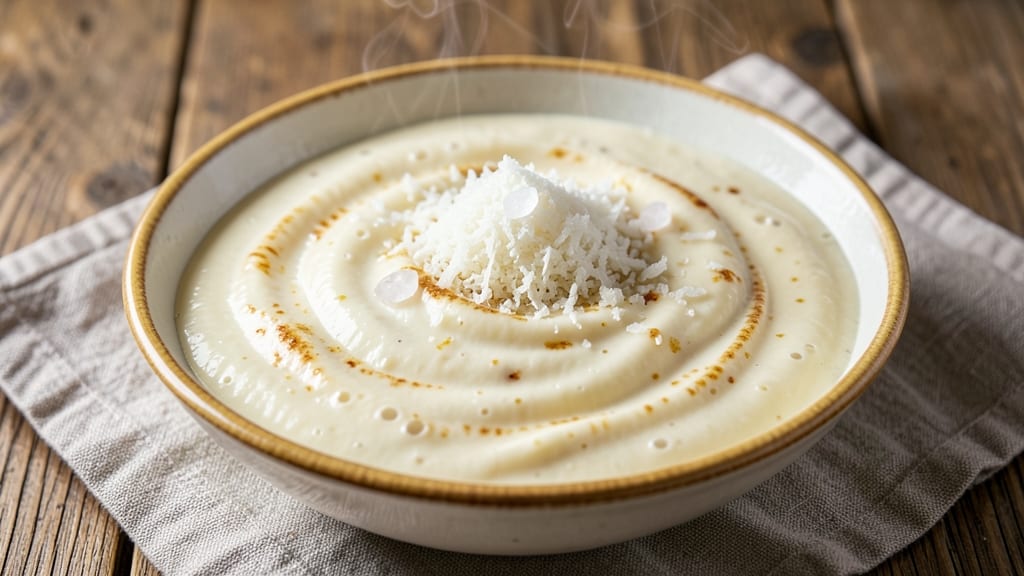
This alfredo sauce recipe made with milk delivers the ultra-smooth, velvety texture you crave without heavy cream. The secret lies in balancing rich dairy with sharp Parmesan, creating a sauce that clings perfectly to pasta while staying light enough for summer dishes.
I've perfected this version after years of testing—no lumps, no breakage, just creamy perfection every time.
What sets this recipe apart is the milk-based approach, which creates a silkier consistency than traditional heavy cream versions while still delivering that signature Italian richness.
The sauce comes together in just 10 minutes with simple ingredients you likely already have: butter, milk, Parmesan, and a touch of garlic for depth. It's the kind of sauce that transforms basic fettuccine into a restaurant-worthy meal.
The result is a sauce that's creamy yet not overly heavy, with a perfect balance of tangy Parmesan and mild dairy sweetness. It works beautifully with pasta, grilled chicken, or even as a creamy dip for vegetables.
The best part? It reheats smoothly without separating, making it ideal for meal prep.
Whether you're serving it over fresh pasta or using it as a creamy base for other dishes, this alfredo sauce delivers professional-quality results at home. The technique is straightforward, but the flavor impact is undeniable—rich, velvety, and perfectly balanced. Let's make it!
Ingredients for alfredo sauce recipe made with milk
Eight essential ingredients transform into velvety perfection—no heavy cream required.
| Ingredient | Amount | Notes |
|---|---|---|
| Unsalted Butter 🧈 | ½ cup | Cold, cubed for even melting |
| Whole Milk 🥛 | 1 ½ cups | Full-fat for creamy texture |
| Parmesan Cheese 🧀 | 1 ½ cups | Freshly grated from block |
| Garlic Cloves 🧄 | 3 cloves | Minced for aromatic depth |
| Heavy Cream 🥛 | ½ cup | Optional for extra richness |
| Diamond Crystal Kosher Salt 🧂 | ½ tsp | Adjusts seasoning precisely |
| Freshly Ground Black Pepper 🌶️ | ¼ tsp | Enhances Parmesan flavor |
| Extra-Virgin Olive Oil 🫒 | 1 tbsp | For finishing and balance |
The Parmesan is non-negotiable here. Grab a wedge from a specialty cheese shop—pre-grated contains anti-caking agents that ruin the texture. Look for Parmigiano-Reggiano with visible granularity. For milk, whole milk creates the richest texture, but 2% works in a pinch. The butter should be cold and cubed when added to prevent immediate melting. If you're using heavy cream for extra richness, chill it first to slow the emulsification process and maintain smoothness. Garlic cloves should be minced, not pressed—this preserves their aromatic oils better.
No Parmesan? Pecorino Romano at a 1:1 ratio delivers similar sharpness, though with a slightly saltier profile. Running short on butter? Substitute with an equal amount of olive oil, though the sauce will be slightly lighter. For a dairy-free adaptation, unsweetened almond milk with a splash of lemon juice mimics milk's acidity, though texture will differ. The olive oil serves a dual purpose—it finishes the sauce with a fruity note and helps stabilize the emulsion if the sauce threatens to separate. If you're making this ahead, add the oil at the end to prevent premature emulsification.
This sauce is best used immediately, but it reheats beautifully. For storage, cool completely before refrigerating in an airtight container. It keeps for 4-5 days in the fridge, though flavor peaks within the first two. For longer storage, freeze in ice cube trays—thaw and reheat gently for perfect consistency. To prevent a skin from forming, press plastic wrap directly onto the surface before sealing. The sauce thickens as it cools, so add a splash of warm milk when reheating if needed.
Why You'll Love This Recipe
- No Garlic Overload: I swear by this version—just a whisper of minced garlic, not the clove-crushing kind that makes your sauce taste like a dentist’s office. That subtle aroma? It’s the secret to rich flavor without the bite.
- Leftovers That Don’t Let You Down: This sauce actually improves after sitting overnight. The milk and cream meld into something even creamier, and the Parmesan clings like it’s afraid to let go. Freeze half for fettuccine night next week—no one will guess it’s not fresh.
- Pasta Party in Minutes: Four ingredients, one pot, zero fuss. Melt butter, toss in milk and cream, grate the cheese—boom, done. Even when I’m staring at the fridge at 7:30 PM wondering what to feed the kids, this is my lifeline.
- Rich Without the Splurge: Heavy cream and whole milk make it velvety, but Parmesan does the heavy lifting. A block of good-quality cheese (not the pre-shredded stuff) stretches further than you’d think—my grocery bill stays sane, and my family stays happy.
Step-by-step instructions for ultra-smooth alfredo sauce
Here's the method for velvety perfection—no lumps, no grit, just rich, creamy sauce every time.
Melt Butter and Bloom the Garlic
In a medium saucepan, melt the 0.5 cup unsalted butter over medium-low heat. I use medium-low because butter burns easily, and you want gentle, even melting. Once the butter is fully melted and foaming has subsided, add the 3 minced garlic cloves. Cook for 1-2 minutes until the garlic is fragrant but not browned—just golden around the edges. This step develops the garlic's sweetness without bitterness, which is crucial for balancing the rich cheese flavors.
Watch the pan closely during this process. If the butter starts to brown, reduce the heat immediately. The garlic should sizzle gently but not dance wildly in the pan. This is where the foundation of your sauce's flavor profile begins, so take your time here.
Gradually Add Milk and Parmesan
Slowly pour in the 1.5 cups whole milk while whisking constantly to prevent scorching. Once the milk comes to a gentle simmer, reduce the heat to low and begin adding the 1.5 cups freshly grated Parmesan cheese. I use a fine-mesh grater for this recipe—it ensures the cheese melts smoothly without any gritty texture.
Add the cheese gradually, about ¼ cup at a time, whisking vigorously after each addition. This slow incorporation prevents clumping and ensures a silky texture. The sauce will thicken noticeably as the cheese melts completely. If you notice any lumps forming, strain the sauce through a fine-mesh sieve for absolute smoothness. This step is where patience pays off—rushing leads to grainy, uneven sauce.
Incorporate Heavy Cream and Season
Stir in the 0.5 cup heavy cream and continue cooking on low heat for 3-4 minutes. The cream adds luxurious richness while helping to emulsify the sauce. Taste the sauce at this point and adjust the seasoning with 0.5 tsp Diamond Crystal kosher salt and 0.25 tsp freshly ground black pepper. The salt should enhance the cheese's natural flavor without overpowering it, while the pepper adds a subtle warmth that complements the Parmesan.
I always taste at this stage because the sauce's flavor develops differently based on the quality of your cheese. If it needs more salt, add it gradually—you can always adjust, but you can't remove excess salt once it's in. Keep the sauce at a gentle simmer, stirring occasionally to prevent any potential skin from forming on the surface.
Finish with Olive Oil for Stability
Remove the sauce from heat and stir in the 1 tbsp extra-virgin olive oil. This final step is my secret to preventing the sauce from breaking or separating when combined with pasta water later. The olive oil helps create a more stable emulsion, ensuring the sauce maintains its velvety texture even when tossed with hot noodles.
For best results, use the sauce immediately while still warm. If you need to reheat it later, do so gently over low heat, stirring constantly to prevent separation. The sauce should coat the back of a spoon smoothly, with no visible lumps or graininess. This is the hallmark of a perfectly made Alfredo sauce—rich, creamy, and utterly smooth.
Pro Tips For Making Alfredo Sauce Recipe Made With Milk
- Melt Butter Slowly: Start with medium heat—yes, even if you’re eager to get cooking. Butter burns faster than you think, and once that nutty, bitter smoke hits your sauce, you’re stuck with a flavor disaster. Keep the heat low until the butter’s fully melted and just starting to foam, then you can crank it up for the garlic.
- Grind Parmesan Fresh: Pre-shredded cheese is your enemy here. It clumps, absorbs liquid, and lacks that sharp, salty punch. Grab a microplane or cheese grater and shred your own—just before using, so it stays fresh and melty. (I know, I know, it’s an extra step, but your sauce will taste like it belongs in a restaurant.)
- Simmer, Don’t Boil: Once the milk and cream come to a gentle simmer, drop the heat to low and let it bubble softly. Boiling turns your sauce grainy and separates the fat, which is the last thing you want. Think “barely there” bubbles—just enough to keep things warm and smooth.
- Use Cold Garlic: Smash your garlic cloves with the flat side of your knife first, then slice thinly. Cold garlic mellows out the sharpness and cooks evenly without burning. If you’re impatient and toss in raw minced garlic, you’ll either get a bitter bite or a sauce that tastes like garlic powder. (Trust me, this small step makes a real difference.)
Creative variations of this recipe
Creamy White Wine Twist
Swap ½ cup of the milk for an equal amount of dry white wine—I love Pinot Grigio—to add brightness and depth. The acidity cuts through the richness while enhancing the Parmesan's nutty notes.
Simmer the wine until reduced by half before adding the remaining milk and cheese. This variation works beautifully with seafood dishes like scallops or shrimp. 🍷
Herb-Infused Variations
Add fresh herbs for a garden-fresh twist. For a classic Italian touch, stir in 1 tbsp chopped fresh parsley and ½ tsp dried basil at the end. For something bolder, try sage—add 2 large leaves while blooming the garlic. Both options elevate the sauce without overpowering its creamy base.
Spicy Alfredo Kick
For heat lovers, infuse the sauce with chili flakes or red pepper flakes. Add ½ tsp while melting the butter, or finish with a drizzle of hot honey (mix 2 tbsp honey with ¼ tsp cayenne).
This version pairs perfectly with spicy chicken or shrimp for a flavor explosion. 🌶️
Vegetable-Friendly Adaptations
Make this sauce work for veggie dishes by adding nutritional yeast for a cheesy, umami boost. Stir in 1 tbsp at the end for a dairy-free option (though texture will differ).
For a roasted garlic twist, blend 2 roasted garlic cloves into the milk before heating—this adds natural sweetness and depth without extra effort.
Breakfast Alfredo
Transform this sauce into a breakfast masterpiece by adding a pinch of nutmeg and serving over crispy hash browns or eggs Benedict. The nutmeg adds warmth that complements the richness, while the milk base keeps it lighter than traditional cream-based versions.
Top with a fried egg for the ultimate brunch upgrade. 🍳
Nutrition facts
Frequently asked questions
Why use milk instead of heavy cream for Alfredo sauce?
Milk creates a lighter, silkier texture that's less heavy than traditional cream-based versions. The acidity in milk helps emulsify the cheese better, resulting in a smoother sauce that's perfect for summer dishes or when you want a more balanced flavor. Plus, it's easier to digest for those sensitive to heavy fats!
Can I make this sauce without Parmesan?
Yes, but the flavor will be completely different. For a similar sharpness, use Pecorino Romano at a 1:1 ratio. If you're avoiding cheese entirely, try nutritional yeast (1 tbsp) for a cheesy umami note, though the texture will be thinner. The sauce will still be creamy but lack that signature Italian depth.
How do I fix a broken or separated sauce?
If your sauce separates, whisk in 1 tbsp cold butter or 1 tbsp olive oil while warming it gently over low heat. For a quick fix, mix 1 tbsp cornstarch with 2 tbsp cold water, stir into the sauce, and simmer until thickened. The olive oil in our recipe actually helps prevent this, but accidents happen!
What's the best pasta to pair with this sauce?
This ultra-smooth sauce works best with fettuccine or tagliatelle—their flat surfaces catch the sauce beautifully. For extra indulgence, try pappardelle or fresh egg noodles. Avoid thick, dense pastas like rigatoni, as they can overwhelm the delicate texture. Save those for chunkier, creamier sauces!
Can I make this sauce ahead of time?
Yes! Store it in an airtight container in the fridge for up to 4-5 days. To reheat, warm gently over low heat while stirring constantly. If it thickens too much, thin with a splash of warm milk. For longer storage, freeze in ice cube trays—thaw and reheat gently for perfect consistency. The sauce actually improves slightly after resting!