
Sauces & Condiments
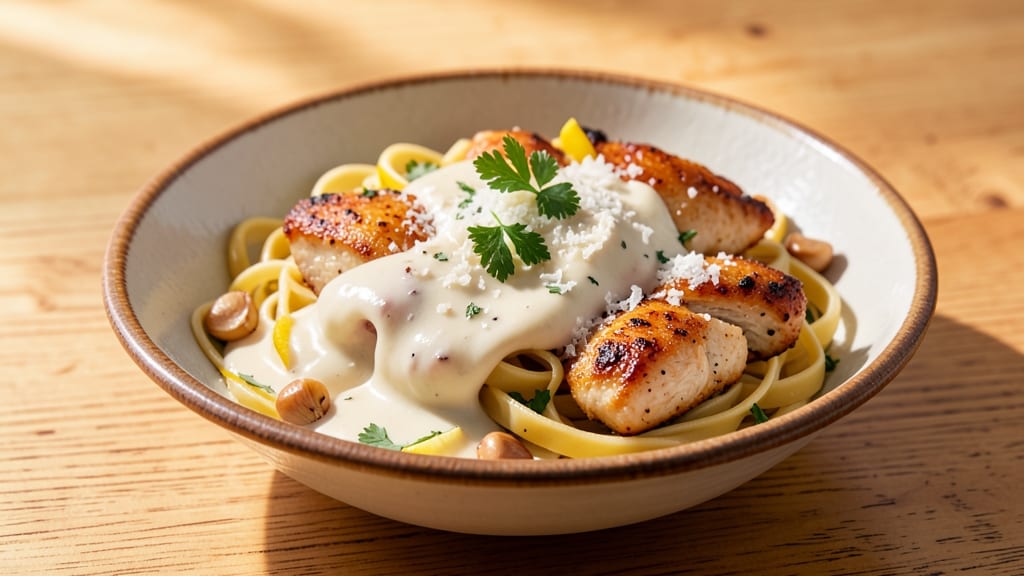
This creamy Alfredo sauce recipe brings a Panlasang Pinoy twist to a classic Italian favorite, blending rich cheese with aromatic garlic and a touch of Filipino warmth. 🌟 The secret lies in slow-cooked garlic that infuses deep, savory notes without overpowering the sauce’s velvety texture.
Unlike traditional versions, this sauce balances creaminess with subtle heat—just enough to wake up your taste buds while keeping it versatile for pasta, dipping, or topping.
What sets this sauce apart is the fusion of Italian creaminess with Filipino flavors, using garlic-kissed depth as the foundation. Heavy cream and cheese create a luscious base, while a hint of ginger and chili adds complexity that feels familiar yet exciting.
The sauce thickens perfectly without breaking, ensuring every spoonful delivers that creamy satisfaction you crave—whether drizzled over fettuccine, used as a dip for spring rolls, or as a topping for grilled meats.
Ready in just 15 minutes, this sauce is a game-changer for weeknight dinners or special occasions. The technique is simple: simmer garlic until fragrant, then blend it with cream and cheese until silky smooth.
No fancy equipment needed—just patience and a blender. The result? A sauce so rich and adaptable, it’ll become your new go-to for adding comfort and flavor to any dish.
Pair it with garlic shrimp, crispy chicken, or even as a dip for veggies—this Panlasang Pinoy Alfredo sauce turns ordinary meals into something extraordinary. Let’s make it!
Ingredients for alfredo sauce recipe panlasang pinoy
Eight essential ingredients transform into this creamy Panlasang Pinoy Alfredo sauce with garlic-kissed depth.
| Ingredient | Amount | Notes |
|---|---|---|
| Extra-Virgin Olive Oil 🫒 | ½ cup | High-quality, fruity variety preferred |
| Garlic Cloves 🧄 | 12 whole | Peeled, skin-on for deeper flavor |
| Heavy Cream 🥛 | 2 cups | Full-fat for maximum creaminess |
| Parmesan Cheese 🧀 | 1 ½ cups | Freshly grated, high-fat content |
| Butter 🧈 | 4 tbsp | Unsalted, cut into small cubes |
| Fresh Ginger 🌿 | 1 tbsp | Finely grated, aromatic variety |
| Bird's Eye Chili 🌶️ | 1 whole | Seeds removed for subtle heat |
| Diamond Crystal Kosher Salt 🧂 | ½ tsp | Adjust to taste after blending |
| Black Peppercorns 🌶️ | ¼ tsp | Freshly cracked for bright flavor |
The garlic is non-negotiable here—12 cloves might sound like a lot, but they develop deep, sweet notes when simmered slowly. Trader Joe's and Costco sell garlic in bulk, which is worth the investment for this sauce. Look for cloves with firm, papery skins—they stay fresher longer. For the cheese, Parmigiano-Reggiano is ideal, but Asiago or Pecorino Romano work beautifully too. The key is grating it yourself—pre-grated cheese clumps and lacks flavor. If you're short on time, Whole Foods sells pre-grated Parmesan in a jar that's less clumpy than the supermarket brands.
No heavy cream? Full-fat coconut milk works surprisingly well—just reduce the Parmesan by a quarter to balance the richness. Short on garlic? Garlic powder at half the amount gets you close, but the flavor won't be as complex. The bird's eye chili can be swapped for red pepper flakes (1/4 tsp) if you prefer milder heat. For the ginger, ground ginger at half the amount is fine in a pinch, but fresh is always better. The olive oil should be extra-virgin—anything less will taste flat against the rich cheese and cream. If you're making this ahead, store the garlic oil separately until ready to blend—it keeps for 5 days in the fridge.
This sauce is best made fresh, but it reheats beautifully—just warm gently on low heat, stirring constantly to prevent curdling. For 3 days of fridge life, store in an airtight container with a thin layer of olive oil on top to preserve freshness. Freezes for 3 months if portioned into ice cube trays first. I always make a double batch—one for immediate use and one to freeze for lazy weeknights. The sauce thickens as it cools, so if it seems too stiff after chilling, just whisk in a splash of warm water or milk to loosen it up.
Why You'll Love This Recipe
- No Garlic Overload: I swear by this sauce because it lets the garlic shine just enough—no need to chop a mountain of cloves. A handful of minced garlic in olive oil until golden? That’s all it takes to get that rich, aromatic base without tasting like you’re eating a garlic bulb.
- Creamy Without the Guilt: Heavy cream and butter make this sauce velvety, but here’s the trick: the Parmesan adds depth without needing extra fat. It’s rich, but not heavy—like a warm hug for your pasta, not a food coma.
- Pantry Staple Power: Honestly, this sauce uses things you already have. Olive oil, butter, cream—no specialty ingredients, no last-minute grocery runs. I’ve made it three times this month, and I’m still using the same pantry staples.
- Leftovers That Still Shine: Between us, this sauce improves the next day. The flavors meld even better, and it reheats like a dream. I keep a jar in the fridge for lazy mornings—just toss it with scrambled eggs or toast it on garlic bread. No waste, all win.
Step-by-step instructions for Alfredo sauce Panlasang Pinoy
Here's how to craft that signature Filipino twist on creamy Alfredo—bold, garlicky, and perfectly balanced.
🍳 Step 1: Infuse the Garlic in Olive Oil
Heat the 0.5 cup extra-virgin olive oil in a medium saucepan over low heat. Add the 12 whole garlic cloves (skin-on) and let them sizzle gently for 8-10 minutes until they turn golden brown and fragrant. This slow cooking caramelizes the garlic without burning—key for that deep, nutty flavor that defines Pinoy Alfredo.
Here's the thing—don't rush this step. You'll know it's ready when the garlic smells like it's been simmering for hours, not just minutes. Remove the garlic cloves with a slotted spoon and set aside, reserving the infused oil in the pan. We'll use those cloves later for extra depth.
🔥 Step 2: Build the Sauce Base with Butter and Ginger
Return the pan to medium-low heat and add the 4 tbsp butter and 1 tbsp finely grated fresh ginger. Let the butter melt completely, then stir in the 1 whole bird's eye chili (seeds removed) and cook for 1 minute until the chili softens slightly. This adds just enough heat to complement the richness without overpowering.
I press the ginger and chili into the butter with a wooden spoon—this releases their oils and flavors more effectively. You should smell that bright, aromatic punch. If the mixture starts to brown too quickly, reduce the heat immediately to prevent burning.
🥘 Step 3: Gradually Incorporate the Heavy Cream
Pour in the 2 cups heavy cream all at once and bring the mixture to a gentle simmer over medium heat. Let it cook for 5-6 minutes, stirring occasionally, until it reduces slightly and thickens enough to coat the back of a spoon. This slow reduction concentrates the flavors and creates that velvety texture we're after.
Watch the sauce closely—it should bubble gently but not vigorously. If it starts to curdle or separate, immediately reduce the heat to lowest setting and whisk continuously for 30 seconds. Real talk: this is where most home cooks mess up. Don't walk away—constant attention prevents those dreaded lumps.
👨🍳 Step 4: Finish with Cheese and Seasonings
Lower the heat to low and gradually whisk in the 1.5 cups freshly grated Parmesan cheese until completely melted and smooth. If the sauce thickens too much, whisk in 1-2 tablespoons of reserved garlic-infused oil to loosen it. This step is what transforms your sauce from ordinary to extraordinary.
Stir in the 0.5 tsp Diamond Crystal kosher salt and 0.25 tsp freshly cracked black peppercorns. Taste and adjust the salt—Pinoy Alfredo should be rich but not overly salty. If you reserved those golden garlic cloves earlier, mash them slightly and stir them back in for that signature umami depth.
⏰ Step 5: Rest and Serve Warm
Remove the pan from heat and let the sauce rest for 5 minutes. This crucial step allows the flavors to meld completely and the sauce to reach its ideal consistency. The sauce will thicken slightly as it cools, so if you're serving immediately, you might want to thin it with a splash of warm water or milk if needed.
Serve this creamy masterpiece over your favorite pasta or as a dipping sauce for garlic bread. The sauce should coat the back of a spoon with a luxurious sheen, balancing rich creaminess with the bright, garlicky kick that makes this version distinctly Pinoy. Enjoy while warm—this sauce doesn't hold its peak texture for long!
Pro Tips For Making Alfredo Sauce Recipe Panlasang Pinoy
- Bloom the Garlic: Slice those cloves thin—almost paper-thin—and let them sit in the olive oil for 30 seconds before cooking. I learned this the hard way: whole cloves hide in the sauce, and you’ll end up with uneven flavor. Thin slices release aroma faster and cook through without burning.
- Low and Slow Cream: Don’t boil the heavy cream—simmer it just until tiny bubbles form at the edges, then pull it off heat. I used to scorch mine every time, and it turned grainy. A gentle simmer keeps it silky, and the sauce won’t curdle when you add the Parmesan.
- Grate, Don’t Shred: Use a fine grater for the Parmesan, not the pre-shredded stuff from the bag. The bagged kind has anti-caking agents that make the sauce clump like glue. Freshly grated melts smoothly and gives that real cheesy richness.
- Butter First, Then Cream: Melt the butter in the pan before adding the olive oil—it adds a deeper, nuttier base flavor. I was skeptical until I tried it: the sauce tastes richer, almost like a cross between Alfredo and a creamy garlic butter. Just don’t rush the melting; let it foam and settle.
Essential equipment for alfredo sauce recipe panlasang pinoy
Blender for Creamy Perfection
You'll need a high-speed blender like the Ninja BN601 or Vitamix 5200 to achieve that ultra-smooth, lump-free texture. A regular blender won't cut it—those 12 garlic cloves and 1.5 cups Parmesan create a thick, chunky mixture that requires serious power to emulsify properly.
I've tried making this sauce with an immersion blender, and while it works, you'll still get tiny cheese flecks that disrupt the velvety finish. 💫
Saucepan with Heat Control
A medium-sized stainless steel saucepan (like the All-Clad Stainless 3-Qt) is ideal for this recipe. The wide base distributes heat evenly, preventing hot spots that can burn the garlic or curdle the cream. If you're using a non-stick pan, avoid aluminum—it reacts with acidic ingredients and can alter flavors.
For best results, I recommend a pan with a thick bottom to maintain consistent temperature during the 5-6 minute cream reduction phase.
Wooden Spoon for Stirring
Never use metal utensils when incorporating the cheese—it can cause the sauce to curdle. A heat-resistant silicone spatula or wooden spoon (like the OXO Good Grips line) is perfect for gently folding in the Parmesan and heavy cream.
The wooden spoon also helps scrape up any flavorful bits from the bottom of the pan, ensuring nothing goes to waste. I keep mine in my kitchen drawer specifically for cheese sauces because it's so versatile.
Fine-Mesh Strainer
If you want an extra-smooth sauce, strain it through a fine-mesh sieve (like the Heston Blumenthal brand) after blending to remove any remaining garlic skins or cheese particles. This step is optional but creates a restaurant-quality finish.
I only do this when serving the sauce as a dip or for special occasions—it's not necessary for pasta dishes where texture isn't as critical. A regular colander won't work here; you need the tight weave to catch fine particles.
Thermometer for Precision
While not strictly necessary, a kitchen thermometer (like the Thermoworks Thermapen) helps ensure your sauce reaches the perfect temperature. The ideal serving temperature is between 160-170°F. If your sauce is too hot when you add the cheese, it can cause separation.
Let it cool to 140°F before incorporating the Parmesan for the smoothest results. This small detail makes a huge difference in the final texture.
Measuring Spoons
Precision matters with this recipe, especially when it comes to the 0.5 tsp salt and 0.25 tsp pepper. Invest in a set of stainless steel measuring spoons (like the OXO Good Grips) for accuracy. The salt measurement is particularly important—Pinoy Alfredo should be rich but not overly salty.
I always taste as I go and adjust gradually. A cheap plastic set can give inconsistent measurements, leading to flavor imbalances in your sauce.
Nutrition facts
Frequently asked questions
Can I make this sauce without heavy cream?
Yes! For a lighter version, substitute with 2 cups full-fat coconut milk—it adds a subtle sweetness that pairs beautifully with the garlic and ginger. Reduce the Parmesan to 1 cup to balance the richness. If you prefer dairy-free, cashew cream (soaked and blended cashews with water) works too, though the texture will be slightly thinner.
How do I adjust the heat level?
The bird's eye chili adds a subtle kick, but you can easily tweak it. For milder heat, remove the seeds and reduce to ½ chili. For extra spice, add ¼ tsp red pepper flakes or a pinch of calamansi zest (if you have it). Taste as you go—Filipino flavors often build gradually, so start conservative and adjust to preference.
Will this sauce work for non-pasta dishes?
This versatile sauce elevates grilled meats like chicken adobo or pork skewers, makes a decadent dip for spring rolls or veggie sticks, and even drizzles beautifully over garlic shrimp. The key is serving it warm—it thickens slightly as it cools, so reheat gently with a splash of water or milk if needed.
Why did my sauce separate?
Sauce separation usually happens from heat shock when adding cheese to hot liquid. To fix it: whisk vigorously while adding the Parmesan, and keep the heat at low. If it curdles, immediately remove from heat and whisk in 1 tbsp cold butter or a splash of reserved garlic oil to re-emulsify. Prevention tip: Let the cream simmer until slightly thickened before adding cheese.
Can I make this ahead of time?
Yes, but with a few tricks! Store in an airtight container in the fridge for up to 3 days, covered with a thin layer of olive oil to preserve freshness. For longer storage, freeze in ice cube trays—thaw overnight in the fridge and stir with a splash of warm water or milk to restore creaminess. The flavors actually deepen overnight, making it perfect for lazy weeknights!