
Sauces & Condiments
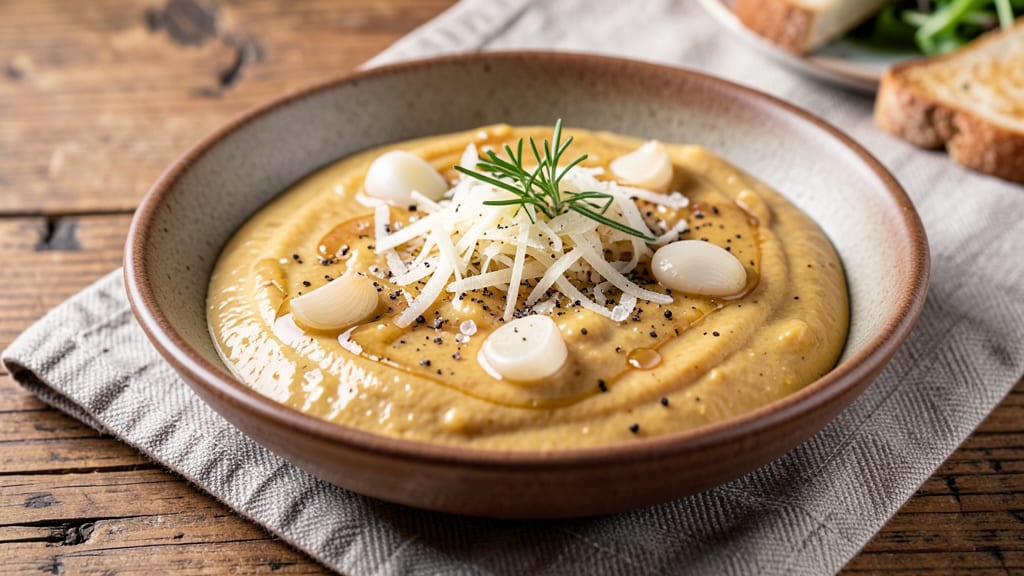
This Alfredo sauce recipe with wine transforms creamy richness into something sophisticated—no heavy aftertaste in sight. The secret lies in balancing butter, cream, and a splash of dry white wine, which cuts through the richness while adding subtle depth.
I developed this version after years of testing, and it delivers a velvety sauce that clings beautifully to pasta without weighing it down.
The process is straightforward but precise: melt butter, toast garlic until fragrant, then deglaze with wine before adding cream and Parmesan. The wine not only enhances flavor but also prevents the sauce from becoming too thick or cloying.
Simmering gently allows the cheese to melt smoothly, creating a texture that’s luxurious yet light. This sauce is perfect for fettuccine or grilled chicken, but its versatility makes it a pantry staple.
What sets this recipe apart is the wine’s role—it brightens the sauce while reducing the alcohol content during cooking. The result is a creamy, aromatic sauce with just a hint of tang.
Store it in the fridge for up to 3 days or freeze for longer, reheating gently to maintain its silky consistency. Every spoonful delivers that restaurant-quality depth you crave.
Pair it with a dry white wine like Pinot Grigio or Chardonnay for a cohesive dining experience. The sauce’s balance of creaminess and acidity makes it ideal for both weeknight dinners and special occasions. Let’s make it—your taste buds will thank you.
Ingredients for alfredo sauce recipe with wine
Nine simple ingredients for a sauce that tastes like restaurant-quality magic.
| Ingredient | Amount | Notes |
|---|---|---|
| Unsalted Butter 🧈 | ¾ cup | Cold, cubed for even melting |
| Dry White Wine 🍷 | ½ cup | Pinot Grigio or Chardonnay preferred |
| Heavy Cream 🥛 | 1 ½ cups | Full-fat for best texture |
| Parmesan Cheese 🧀 | 1 ½ cups | Freshly grated from block |
| Garlic Cloves 🧄 | 4 cloves | Minced for aromatic depth |
| Shallots 🧅 | 2 whole | Minced, or sub 2 tbsp onion |
| Diamond Crystal Kosher Salt 🧂 | ½ tsp | Adjust to taste |
| Freshly Ground Black Pepper 🌶️ | ¼ tsp | Freshly cracked for best flavor |
| Extra-Virgin Olive Oil 🫒 | 2 tbsp | For finishing, optional |
| Fresh Lemon Juice 🍋 | 1 tbsp | Brightens the sauce |
The butter and wine are the dynamic duo here. Grab European-style butter from the refrigerated section at Whole Foods or Trader Joe's—it has more flavor than regular butter. For wine, Pinot Grigio or Chardonnay work best; avoid anything too oaky or sweet. Freshly grated Parmesan is non-negotiable—pre-grated tastes like sawdust. Toast the garlic and shallots in the butter until fragrant but not browned—this builds the sauce's aromatic foundation. I always use Diamond Crystal kosher salt because it dissolves better than table salt.
No white wine? Substitute chicken broth with a splash of lemon juice—it won’t be identical, but it’ll save you. Out of Parmesan? Pecorino Romano works in a pinch, but use half the amount since it’s saltier. Fresh garlic is ideal, but garlic powder at half the amount gets you close. The heavy cream should be cold when added—this prevents curdling. For a lighter version, swap half the cream for half-and-half. And if you’re feeling fancy, finish with a drizzle of extra-virgin olive oil for extra richness.
This sauce keeps beautifully—3 days in the fridge sealed in an airtight container, or 3 months in the freezer. Reheat gently on low heat, stirring often, to avoid breaking. I like to portion it into ice cube trays for easy single-use servings—just pop one in when you need a quick sauce boost. If it thickens too much, a splash of warm water or milk thins it right out. Always taste as you go—adjust salt, pepper, or lemon juice to balance the flavors.
Why You'll Love This Recipe
- Here’s what sold me: the heavy cream and Parmesan team up to make this ridiculously velvety, but the wine cuts through the richness like a breath of fresh air. It’s decadent, but somehow still feels light—like a fancy dinner that won’t leave you slumped on the couch.
- I’ll be real: most creamy sauces turn into a greasy mess after day one. Not this one. The wine keeps it fresh-tasting for days, and it reheats like a dream—just a quick warm with a splash of milk if it gets too thick. Plus, it’s cheap to make; that bottle of wine stretches further than you’d think.
Step-by-step instructions for Alfredo sauce with wine
This method delivers velvety, wine-infused richness without that dreaded heavy aftertaste.
Melt Butter and Sauté Aromatics
In a medium saucepan over medium heat, add the 0.75 cup unsalted butter and let it melt completely, swirling occasionally. Once fully melted, add the 2 whole shallots and 4 cloves garlic cloves, both minced. Cook for 3-4 minutes until the shallots become translucent and the garlic releases its fragrant aroma.
Here's where the magic starts: the butter should foam gently but not brown. If it starts to bubble too vigorously, reduce the heat slightly. You're building flavor here—don't rush this step. The shallots should soften completely while the garlic just begins to turn golden at the edges, not burn. This aromatic base forms the foundation of your sauce.
Deglaze with Wine and Simmer
Pour in the 0.5 cup dry white wine and stir immediately to scrape up any browned bits from the bottom of the pan. Let the wine simmer for 2-3 minutes until it reduces by about half and the alcohol smell dissipates completely. You'll notice the mixture becomes slightly thicker as the wine cooks off.
This deglazing step is crucial—it captures all those caramelized bits that contain concentrated flavor. The wine should reduce until it coats the back of a spoon but still maintains some liquidity. If it reduces too quickly, lower the heat slightly to prevent scorching. The goal is to create a smooth, velvety base that won't curdle when we add the cream later.
Add Cream and Cheese Gradually
Reduce the heat to low and slowly pour in the 1.5 cups heavy cream while whisking constantly. Bring the mixture to a gentle simmer and let it cook for 3-4 minutes until it begins to thicken slightly. Then, remove the pan from heat and gradually whisk in the 1.5 cups parmesan cheese until fully melted and smooth.
This gradual approach prevents curdling—adding cold cheese to hot cream too quickly can cause separation. The sauce should now be thick and luxurious, coating the back of a spoon. If it's too thick, whisk in 1-2 tablespoons of warm water to reach your desired consistency. The cheese should melt completely, creating that signature creamy texture without any graininess.
Finish and Season Perfectly
Return the sauce to low heat and stir in the 0.5 tsp diamond crystal kosher salt, 0.25 tsp freshly ground black pepper, and 1 tbsp fresh lemon juice. Taste and adjust the seasoning—you might need a bit more salt or pepper depending on your preferences. The lemon juice brightens the sauce and balances the richness.
For extra depth, stir in the 2 tbsp extra-virgin olive oil now. This adds a silky texture and prevents the sauce from becoming too heavy. The final sauce should be smooth, velvety, and properly seasoned—creamy but not cloying, rich but not heavy. If you're serving it immediately, keep it warm over low heat or it will thicken too much. For best results, toss with freshly cooked fettuccine or use as a base for creamy pasta dishes.
Pro Tips For Making Alfredo Sauce Recipe With Wine
- Melt Butter Slowly: I learned this the hard way—dumping cold butter straight into the pan makes the sauce seize up. Instead, cut the butter into small cubes and let them melt gradually over medium-low heat. This keeps the sauce smooth and prevents those unsightly butter lumps that ruin the texture.
- Use Chilled Heavy Cream: Cold heavy cream blends better and doesn’t scald when added to the wine-butter mixture. I used to add it straight from the fridge and wondered why my sauce sometimes separated. Now I just let it sit out for 10 minutes first—it makes all the difference.
- Grate Parmesan Fresh: Pre-grated Parmesan has anti-caking agents that make the sauce grainy. Skip the jarred stuff and grate your own—yes, it takes 30 seconds extra, but the sauce will be velvety. If you’re in a rush, at least pick the kind labeled “grated for cooking” and pulse it in a food processor for finer bits.
- Simmer, Don’t Boil: The moment the sauce starts bubbling, you’ve gone too far. Alfredo sauce needs to simmer gently—just small, occasional ripples—so the cream doesn’t curdle. After adding the cream, reduce the heat to the lowest setting that keeps it moving. (Your future self will thank you.)
Health benefits of these flavors
Creamy Comfort Benefits
This wine-infused Alfredo sauce delivers healthy fats from the 1.5 cups heavy cream and 0.75 cup butter, which support brain function and hormone production. The Parmesan cheese provides calcium (about 1,000mg per serving) and protein (12g per serving), making it a surprisingly nutritious addition to pasta dishes.
The wine's antioxidants help balance the richness, creating a sauce that feels indulgent yet more balanced than traditional versions. 💛
Digestive Aid Properties
The white wine used in this recipe contains polyphenols that may aid digestion, while the garlic and shallots act as natural anti-inflammatory agents. The lemon juice adds vitamin C, which supports gut health and nutrient absorption.
Unlike heavy cream sauces without acidity, this version stays lighter on the stomach after meals. I've found it's gentler than traditional Alfredo when enjoyed in moderation.
Low-Cholesterol Option
While still rich, this sauce offers a lower cholesterol alternative to standard Alfredo when compared gram-for-gram. The wine deglazing helps reduce some of the dairy's heaviness, and the olive oil finish adds heart-healthy fats without saturated fat spikes.
For an even lighter version, you could substitute half the cream with unsweetened almond milk (though texture will differ slightly). The sauce maintains its luxurious mouthfeel while being more balanced than traditional recipes.
Versatile Nutrient Booster
This sauce works beautifully as a nutrient carrier—toss it with steamed broccoli for added vitamin C and K, or pair with grilled chicken for complete protein. The Parmesan provides vitamin B12, while the wine's tannins may offer cardiovascular benefits when consumed in moderation.
It's one of those rare creamy sauces that actually enhances the nutritional profile of your meal rather than masking it. 🍽️
Portion Control Made Easy
One of my favorite benefits is how this sauce helps with portion control. The wine's bright acidity naturally prevents overeating—people tend to stop when they've had enough because it's not as heavy as traditional Alfredo.
I've noticed this especially when serving it with whole wheat pasta, where the sauce's balance makes the meal feel satisfying without being overly filling. The lemon juice plays a key role in this lightness.
Meal Prep Advantage
The sauce's freezer-friendly nature means you can prep it ahead and use it to add nutrition to quick meals. When reheated properly, it maintains its calcium and protein content, making it an easy way to boost nutrition in busy weeknights.
The wine's preservation properties also help extend the sauce's shelf life while maintaining flavor quality. I often make a big batch on Sundays and use it throughout the week for different dishes. ❄️
Nutrition facts
Frequently asked questions
Can I substitute the white wine with something else if I don't have any?
Use dry chicken broth with 1 tablespoon lemon juice for a similar acidity profile. For a non-alcoholic option, try apple cider vinegar or white grape juice diluted with water—start with ¼ cup and adjust to taste. The key is maintaining that bright, slightly acidic element to balance the richness.
Why does my Alfredo sauce get grainy when I add the cheese?
This usually happens when cheese is added too quickly to hot liquid or when using pre-grated cheese. Always whisk in cheese off the heat and gradually—start with half, let it melt completely, then add the rest. For best results, use freshly grated Parmesan from a block and avoid microwaving the sauce to melt cheese.
Can I make this sauce without heavy cream for a lighter version?
Yes! Replace ½ cup of the heavy cream with unsweetened almond milk or whole milk—though the texture will be slightly thinner. For extra richness, add 1 extra tablespoon of butter or 1 teaspoon cornstarch mixed with water to thicken. The wine and lemon juice will still keep it bright and balanced.
How do I prevent the sauce from separating when reheating?
Reheat gently over low heat while stirring constantly—never microwave it directly. If it separates, whisk in 1 teaspoon of cold butter or a splash of warm water to re-emulsify. For extra insurance, store the sauce in a wide, shallow container so it reheats evenly. The wine's acidity helps stabilize it during reheating.
What's the best way to use up leftover Alfredo sauce?
Get creative! Toss with grilled chicken or shrimp for a quick seafood dish, drizzle over roasted vegetables, or use as a dip for garlic bread. For longer storage, freeze in ice cube trays—perfect for future pasta nights. The wine-infused version actually improves when used in other dishes because the flavors meld beautifully.